

Consumer Buying Decision Time: How Long It Takes to Make a Purchase and What Influences It
Introduction: The Hidden Clock Behind Every Purchase
Every purchase decision is guided by an invisible clock. Consumers rarely buy instantly; instead, they move through a process of awareness, evaluation, and commitment. This timeline known as the consumer buying decision time is one of the most critical yet overlooked aspects of consumer behavior.
Last Updated: December 6, 2025

Disclaimer: I am not a licensed financial advisor, financial planner, tax professional, attorney, or employment consultant. The information provided in this blog is intended solely for general informational and educational purposes. It should not be interpreted or construed as professional advice regarding financial, legal, tax, employment, or career matters. Always consult with a qualified professional before making decisions related to your finances, investments, legal obligations, employment, or taxes.
Economic conditions, psychological influences, and personal priorities all shape how long it takes for someone to decide on making a purchase. For some, the process is quick, impulsive, and intuitive; for others, it is deliberate and extended. Understanding this timeline is essential for businesses seeking to align with consumer expectations, and it is equally valuable for consumers themselves. By recognizing the factors that influence decision speed, individuals can make smarter, more confident choices without unnecessary delays or regrets.
In this blog we will explore the average timeframes of consumer decisions, the psychological and external factors that influence them, and practical strategies for both businesses and consumers to navigate the purchase process more effectively.
What Is Consumer Decision-Making Time?
Consumer decision-making time refers to the period between initial awareness of a product or service and the final act of purchase. This timeline varies depending on the complexity of the purchase, perceived risk, and urgency of need.

- Routine Purchases: May often be decided within minutes.
- Moderate Purchases: May take hours or days.
- High-Involvement Purchases: Can extend to weeks or months.
Unlock your financial freedom.
Download this FREE eBook!.
How to make $100,000/month? Stop being average and think big.
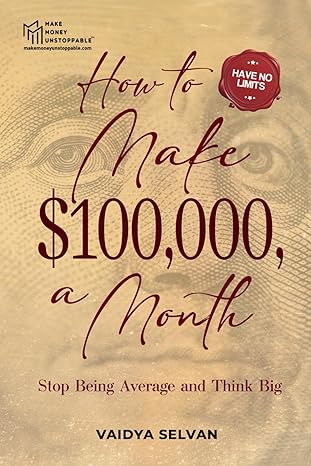
Stop Settling. Start Scaling.
Unlock the mindset, systems, and strategies top earners use to build unstoppable income.
Think Bigger. Earn Smarter.
This free eBook serves as your blueprint for scaling quickly, earning relentlessly, not settling for mediocrity, and living life on your terms.
Inside, you’ll discover:
- The Millionaire Mindset Blueprint
- Income streams that run on autopilot
- Entrepreneur hacks for focus and financial dominance
- One strategy to launch multiple income streams
- How to break free from “just enough”
- Tools to crush limiting beliefs and build your empire
Average doesn’t scale. Vision does. Download now and start your $100K/month transformation.
Yes, this eBook is free. Just drop in your email here to get instant access. ONE eBook per email.
The eBook is sent automatically and should arrive within minutes. Depending on your email provider, it may appear in your Spam or Promotions folder. While we don’t control its exact placement, you can be confident it has been dispatched and is waiting for you.
PLUS: Get Access to exclusive financial tips, learn everything about money and get early blog updates – delivered directly to your inbox .
Factors That Influence Purchase Decision Time
Several elements may shape how quickly or slowly consumers make their decisions:
- Perceived Risk: Higher risk may lead to longer decision times.
- Price Sensitivity: Larger financial commitments may extend decision-making.
- Complexity of Choice: More options may increase evaluation time.
- Consumer Confidence: Familiarity with a product category may help speed up decisions.
- Urgency of Need: Immediate needs may shorten their decision time.

Psychological Drivers of Decision Speed
Consumer psychology plays a central role in determining purchase timelines:
- Cognitive Load: Too much information may slow down their decision.
- Emotional Influence: Positive emotions may help accelerate their commitment.
- Trust and Assurance: Confidence in reliability can reduce hesitation.
- Decision Fatigue: Having multiple or repeated choices can delay final action.
Stages of the Consumer Decision-Making Process
Understanding the stages helps explain why decision time varies:
- Problem Recognition:Identifying a need or desire.
- Information Search:Gathering details about all available options.
- Evaluation of Alternatives: Comparing features, benefits, and costs.
- Purchase Decision:Choosing and committing to buy.
- Post-Purchase Reflection:Assessing satisfaction and reinforcing future behavior.
Practical Strategies for Businesses
Businesses aiming to align with consumer timelines can adopt several approaches:
- Simplify choices to reduce complexity.
- Provide clear, transparent information.
- Highlight value and benefits.
- Reduce risk with guarantees or assurances.
- Respect consumer pace and avoid pressure.

Practical Strategies for Consumers
Consumers can also take steps to improve their own decision-making process:
- Clarify Needs Before Shopping: Define what is essential.
- Set a Budget in Advance: Prevent overthinking and filter options.
- Limit Choices: Avoid decision fatigue by narrowing down on available options.
- Use Trusted Sources: Rely on credible information.
- Identify Decision Triggers: Focus on what matters most.
- Avoid Impulse Buying: Reflect before committing.
- Leverage Digital Tools: Use comparison platforms.
- Recognize Emotional Influence: Balance emotion with rational thought.
- Practice Decision Discipline: Set time limits for choices.
- Learn From Past Purchases: Apply lessons learned to make future decisions.

External Influences on Decision Time
Beyond individual psychology, external factors may also play a role:
- Economic Conditions: Recessions can lengthen decision times.
- Cultural Norms: Different societies may approach purchases differently.
- Technological Access: Online tools can help speed up or slow down decisions.
- Social Influence: Peer opinions and reviews may also affect timelines.
Long-Term Implications of Understanding Decision Time
Recognizing how long consumers take to decide may have significant implications:
- Marketing Alignment: Campaigns may need to be set to match consumer timelines.
- Sales Strategies: Approaches can be tailored to quick or slow decision-makers.
- Customer Experience: Helping with and supporting customer’s decision-making process can help enhance customer satisfaction.
- Business Planning: Forecasting improves significantly when guided by timeline insights, allowing patterns in consumer decision-making to be anticipated with greater precision and reliability.

Actionable Framework for Businesses and Consumers
- Identify target behavior.
- Map decision timelines.
- Segment by purchase complexity.
- Develop tailored communication.
- Monitor and adjust strategies accordingly.
Conclusion: Time as the Hidden Variable in Consumer Decisions
Consumer buying decision time is more than a measure of minutes or days, it is a reflection of psychology, context, and necessity. By understanding the factors that influence decision-making speed, businesses can align strategies with consumer expectations, while consumers can make smarter, and more confident choices.
In the modern marketplace, decision time is the hidden variable that shapes consumer behavior. Recognizing and respecting this timeline is not just about closing sales, it is about building sustainable relationships, reducing stress, and ensuring long-term satisfaction.
Ultimately, the ability to manage decision time can effectively transform the purchase process into a pathway for both business resilience and consumer empowerment.
Join the conversation! Drop your thoughts in the comments below, and let’s keep the discussion going.
makemoneyunstoppable.com
From Experience to insight : Transformational reads for the Strategic mind
Foundational readings for big shifts:
- How to Track Spending without Getting Overwhelmed
- The 7-Day Money Reset Plan: Take Back Control In Just One Week
- Are You Throwing Away $5,000 a Year on Food Waste Without Realizing It?
- The Real Cost of Owning a Big Home
- The Psychology of Spending: Why We Overspend and How to Stop It
- Mastering the Envelope Method
Author: Vaidya Selvan
Welcome to Make Money Unstoppable Personal Finance Made Simple, a blog born out of necessity, a space created from real-life experiences, hard-earned lessons, and a deep-seated desire to share what I wish someone had taught me or had known sooner.

Newsletter Invite
Want more real-world information on Money? Join my newsletter for practical tips, updates on my books, and strategies to help you build financial freedom on your terms.
Yes, the eBook is also free. Just drop in your email here to get instant access. ONE eBook per email.
The eBook is sent automatically and should arrive within minutes. Depending on your email provider, it may appear in your Spam or Promotions folder. While we don’t control its exact placement, you can be confident it has been dispatched and is waiting for you.
#FinancialFreedom #Newsletter #MoneyTips
Like this blog?
Related Blogs