
100 Practical Ways to Cut Expenses by 50% and Achieve Financial Freedom
Introduction: The Art of Living Smarter, Not Costlier
Financial freedom is not simply about earning more. It is about learning how to manage what you already have with intention and keeping more of it. Expenses may often creep in quietly, draining resources without notice, and leaving little room for savings or future goals. Many people believe that cutting expenses by half is impossible, but the truth is that it can be achieved through consistent effort, structured planning, and mindful decision-making.
Last Updated: January 29, 2026
Disclaimer: I am not a licensed financial advisor, financial planner, tax professional, attorney, or employment consultant. The information provided in this blog is intended solely for general informational and educational purposes. This content should not be interpreted or construed as professional advice on financial, legal, tax, employment, or career matters. Always consult a qualified professional before making decisions that affect your personal situation. For transparency, some articles may include AI-assisted content. The idea is original and developed independently. All material is reviewed, edited, and approved before publication to ensure clarity and accuracy.
Because you are both the earner and the spender, your money is ultimately your responsibility. Every dollar you make represents your effort, time, and energy, and it deserves to be managed with care. Without clear control, your income can easily slip away, lost to irresponsible spending, unnoticed fees, or hidden and unplanned expenses.
To protect your financial stability, you must take ownership of where your money goes. This means creating a plan for your income, setting priorities, and tracking how it is used. When you actively decide how each portion of your hard-earned earnings will be spent or saved, you can prevent waste and ensure that your money serves your goals instead of disappearing into the abyss of careless habits.

Practical steps may include:
- Budgeting with intention: Assign every dollar a purpose before it is spent.
- Tracking expenses regularly: Monitor both obvious and hidden costs to avoid surprises.
- Setting clear financial goals: Direct your money toward savings, investments, or essentials that matter most.
- Avoiding impulse spending: Pause before making purchases to ensure they align with your priorities.
- Reviewing monthly habits: Adjust where necessary to stay in control.
When you view your money as a tool rather than something to spend without thought, you unlock the ability to build freedom, security, and peace of mind. Gaining full control over your finances is not about restriction; it is about empowerment. By directing your hard-earned income with intention, you ensure that it supports your future goals and strengthens your stability, instead of slipping away through careless or unnoticed expenses.
Every dollar saved is a step closer to independence, stability, and peace of mind. By focusing on practical strategies, you can transform your financial habits into a system that works for you rather than against you.

This blog provides 100 clear, actionable, and universally applicable ideas to help you reduce costs, optimize spending, and build lasting savings. Each idea is simple, neutral, and adaptable to different lifestyles. Whether your goal is to build wealth, prepare for the future, or simply live with less stress, these strategies serve as a roadmap to smarter living. By embracing them, you can transform your financial journey into one of empowerment, stability, peace of mind, and growth.
Unlock your financial freedom.
Download this FREE eBook!.
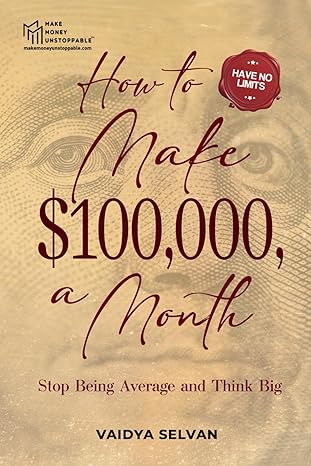
How to make $100,000/month? Stop being average and think big.
Stop Settling. Start Scaling.
Unlock the mindset, systems, and strategies top earners use to build unstoppable income.
Think Bigger. Earn Smarter.
This free eBook serves as your blueprint for scaling quickly, earning relentlessly, not settling for mediocrity, and living life on your terms.
Inside, you’ll discover:
- The Millionaire Mindset Blueprint
- Income streams that run on autopilot
- Entrepreneur hacks for focus and financial dominance
- One strategy to launch multiple income streams
- How to break free from “just enough”
- Tools to crush limiting beliefs and build your empire
Average doesn’t scale. Vision does. Download now and start your $100K/month transformation.
Yes, this eBook is free. Just drop in your email here to get instant access. ONE eBook per email.
The eBook is sent automatically and should arrive within minutes. Depending on your email provider, it may appear in your Spam or Promotions folder. While we don’t control its exact placement, you can be confident it has been dispatched and is waiting for you.
PLUS: Get Access to exclusive financial tips, learn everything about money and get early blog updates – delivered directly to your inbox .
Table of Contents
- Mindset and Habits
- Budgeting and Tracking
- Housing and Living Costs
- Food and Nutrition
- Transportation and Travel
- Utilities and Energy
- Health and Wellness
- Entertainment and Lifestyle
- Shopping and Consumption
- Financial Tools and Planning
Conclusion: Your Roadmap to Financial Freedom
100 Practical Ideas to Cut Expenses
Mindset and Habits
- Focus on needs, not wants. Train yourself to distinguish between essentials and luxuries.
- Practice delayed gratification. Waiting before making purchases may reveal that they aren’t truly necessary.
- Set clear financial goals. Defined targets can help guide your spending decisions and keep you motivated.

- Track progress weekly. Small financial reviews may prevent overspending from snowballing.
- Build discipline through daily savings habits. Even minor additions to your fund can add up over time.
- Avoid emotional spending. Recognize triggers and replace them with healthier habits.
- Embrace minimalism. Simplifying possessions can help reduce costs and stress.
- Value experiences over possessions. Memories tend to last longer than material items. Invest in experiences, not stuff.
- Create a vision board for savings. Visual reminders can help reinforce your commitments.
- Celebrate milestones without spending. Reward yourself with free activities.

2. Budgeting and Tracking
- Create a zero-based budget. Assign every dollar a purpose to eliminate waste.
- Assign categories to spending. Clear divisions can highlight where expense cuts are possible.
- Use expense tracking apps. Technology can make monitoring effortless.
- Review budgets monthly. Adjust for changes in income and other priorities.
- Set savings targets. Concrete numbers can help keep you accountable.
- Track cash flow daily. Awareness may help prevent overspending.
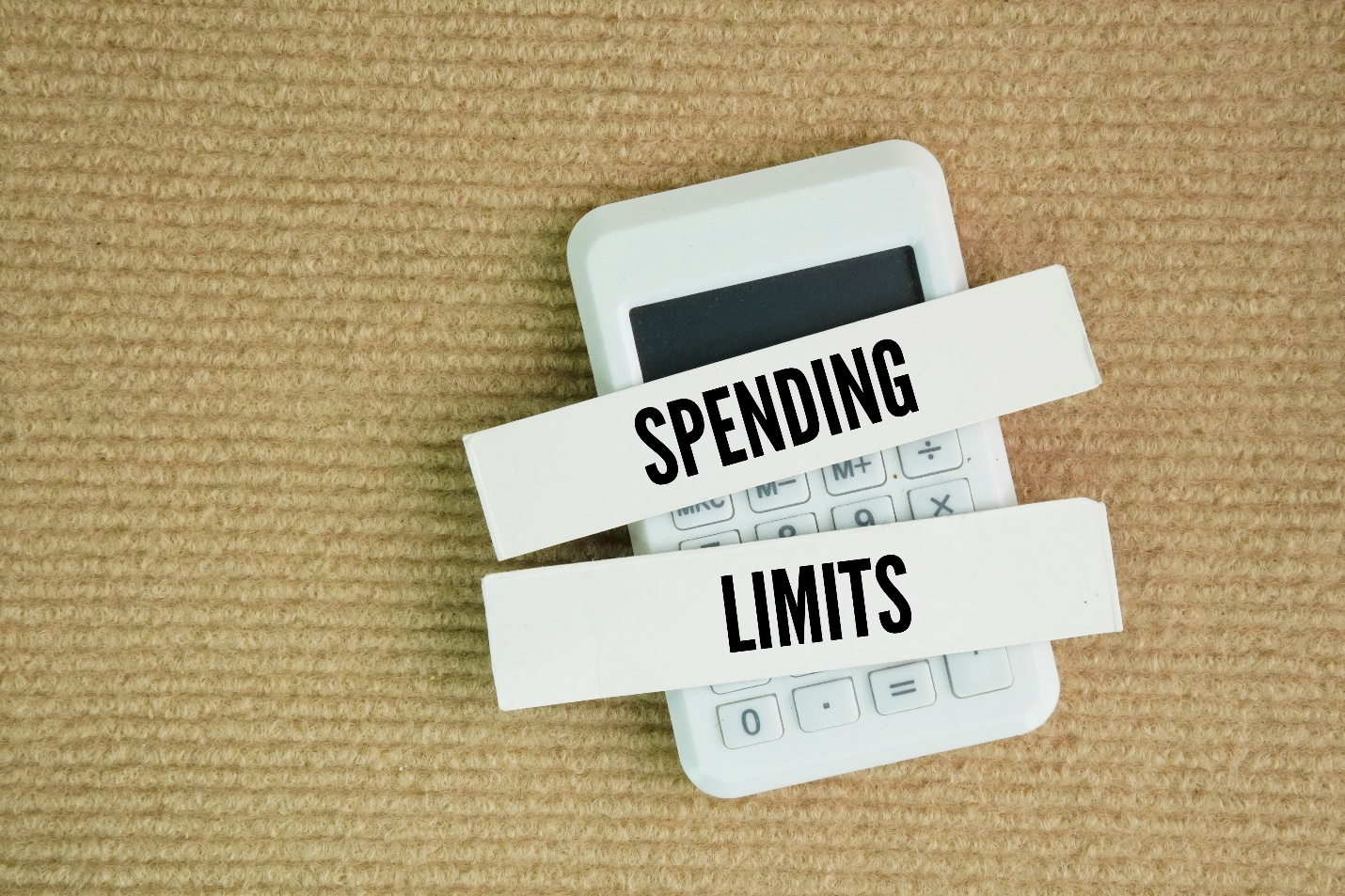
- Limit discretionary categories. Reduce entertainment or luxury budgets to save.
- Adjust budgets as income changes. Flexibility may help ensure sustainability.
- Build accountability with check-ins. Share your progress with a trusted partner.
- Create emergency buffers. Planning ahead may help prevent costly surprises.
3. Housing and Living Costs
- Downsize living space. Smaller homes mean lower rent and utility costs. If you own a home, downsizing may help reduce the cost of ownership.
- Share housing costs. Roommates may help split expenses evenly.
- Negotiate rent agreements. Landlords may offer discounts for long-term tenants.
- Reduce unnecessary décor. Minimalism can save money and space.
- Maintain appliances regularly. Preventive care can avoid costly repairs.
- Use energy-efficient housing. Lower bills may result from smart design.
- Avoid high-maintenance properties. Simplicity may help reduce upkeep costs.
- DIY minor repairs. Learning basic skills may save service charges.
- Limit or have no storage rentals. Decluttering can help eliminate these extra costs and teach economical living.
- Optimize cleaning routines. Implement efficient cleaning methods to minimize time, effort, and supply usage.

4. Food and Nutrition
- Plan meals weekly. Structured menus can help prevent waste.
- Cook at home. Homemade meals cost much less than dining out.
- Buy in bulk. Staples may be cheaper when purchased in larger quantities.
- Reduce processed and junk foods. Whole foods are often more affordable and healthier.
- Freeze leftovers. Extend shelf life and reduce waste.
- Practice portion control. Smaller servings and smaller plates can stretch supplies.
- Limit dining out. Reserve restaurants for special occasions only.
- Use seasonal produce. Prices drop when items are in season. Support local farmers.
- Avoid impulse grocery buys. Stick to lists to save money.
- Track food waste. Awareness can help reduce unnecessary purchases. Place smaller kitchen bins to encourage mindful disposal and highlight excess.

5. Transportation and Travel
- Use public transport. It may be cheaper than owning a car.
- Carpool regularly. Sharing rides may be economical and can reduce fuel costs.
- Walk short distances. Save money while improving health.
- Cycle for errands. Bicycles are cost-effective and eco-friendly.
- Plan routes efficiently. Avoid unnecessary detours.
- Maintain vehicles regularly. Prevent breakdowns and costly repairs.
- Limit unnecessary trips. Combine errands into one outing.
- Compare travel options. Choose the most affordable method.
- Avoid peak travel costs. Travel off-season for savings.
- Use fuel-efficient driving habits. Smooth driving may reduce consumption.
6. Utilities and Energy
- Switch to energy-efficient appliances. Long-term savings may outweigh upfront costs.
- Unplug unused devices when not in use. Phantom energy can drain money.
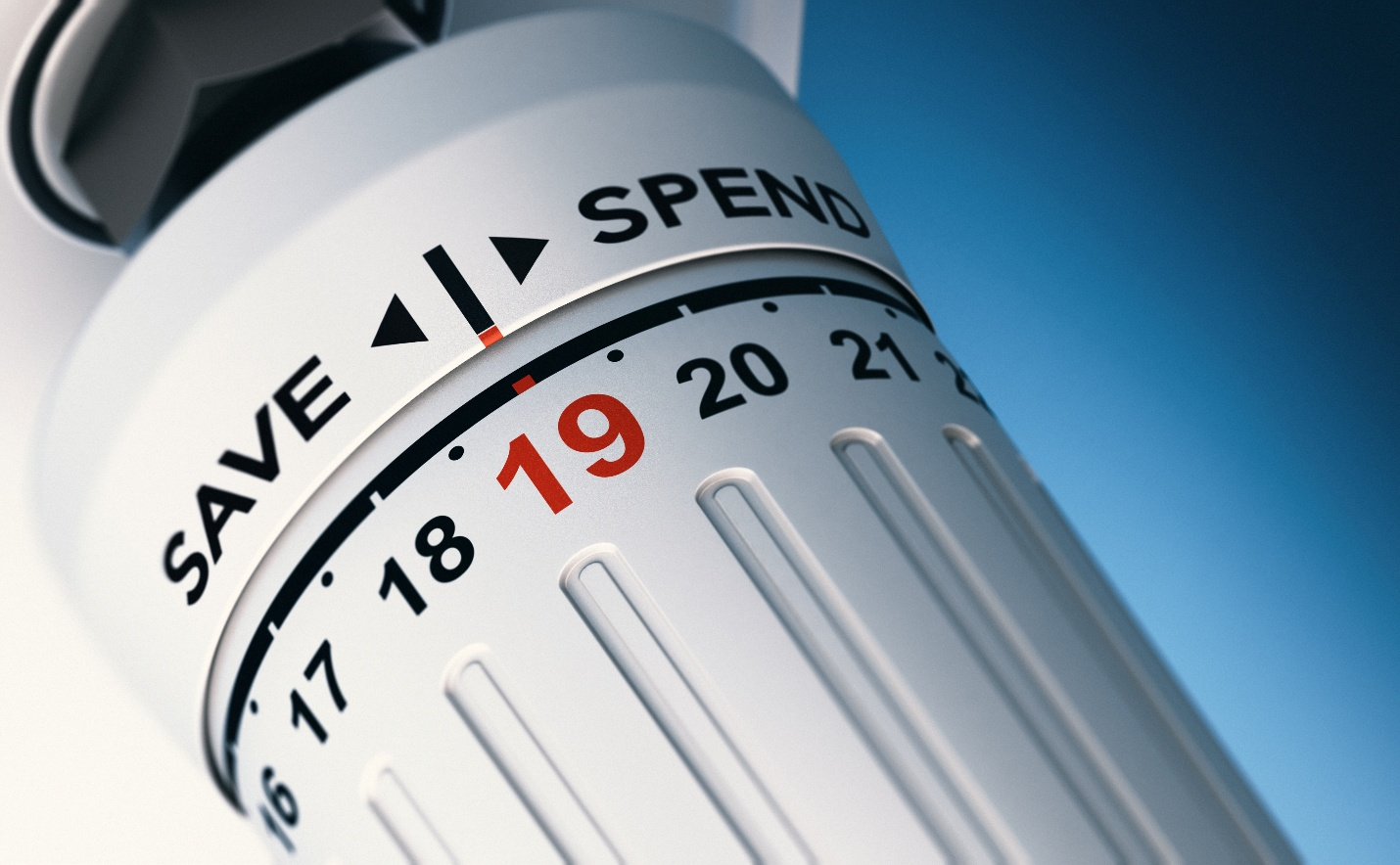
- Use programmable thermostats. Automated controls may help reduce waste.
- Use a washer during off-peak times when energy consumption is lowest.
- Monitor bills monthly. Spot any unusual spikes early on.
- Air-dry clothes when feasible. Save energy by skipping dryers.
- Limit heating and cooling. Adjust clothing instead.
- Use LED lighting. LEDs may last longer and potentially consume less.
- Insulate living spaces. Proper insulation may reduce energy loss.
- Reduce shower time. Small cuts may help save gallons.
7. Health and Wellness
- Prioritize and focus on preventive care to avoid costly treatments later.
- Exercise at home. Skip expensive gyms.
- Use affordable nutrition. Simple foods can help provide balance.
- Limit unnecessary artificial supplements. Focus on essentials and basics.
- Practice meditation. Free stress relief can save on wellness costs.
- Avoid costly subscriptions. Stick to free resources.
- Focus on balanced diets. Prevent health issues long-term.
- Stay hydrated. Water is cheaper and healthier than artificial drinks loaded with sweeteners, colorings, flavorings, or preservatives.
- Sleep consistently. Good rest can prevent health-related expenses.
- Build stress-free routines. Lower stress may help reduce medical risks.
8. Entertainment and Lifestyle
- Choose free leisure activities. Parks and libraries may offer options.
- Limit to one or two subscriptions. Keep only the essentials.
- Reduce impulse entertainment buys. Pause before purchasing.
- Embrace low-cost hobbies. Creative outlets usually don’t require spending.
- Borrow books or media. Libraries may provide free access.
- Attend community events. Local gatherings are affordable.
- Focus on outdoor activities. Nature is free entertainment.
- Reduce or move away from gadget upgrades. Extend the device lifespans instead.
- Limit luxury purchases. Save them for rare occasions.
- Practice digital detox. Less screen time can help reduce spending temptations.

9. Shopping and Consumption
- Create shopping lists. Lists can help prevent overspending.
- Compare prices. Research may help ensure value.
- Avoid brand loyalty. Generic items often match quality.
- Delay non-essential purchases. Wait for discounts.
- Repurpose and reuse items. Extend the product lifespans.
- Recycle materials. Save money by repurposing.
- Choose generic brands to lower costs without compromising quality.
- Avoid buying perishables in bulk. This can help prevent and reduce waste.
- Track shopping habits. Awareness can help curb excess consumption.
- Limit impulse online buys. Pause for a day before checkout.

10. Financial Tools and Planning
- Automate savings. Consistency may help build wealth.
- Use high-yield accounts and other investment vehicles.
- Set milestones and celebrate progress as you reach them.
- Track your progress monthly. Stay accountable.
- Build emergency funds and prepare for unexpected expenses.
- Avoid unnecessary debt. Interest can drain your resources.
- Plan long-term investments to help secure future stability.
- Limit credit card usage. Prevent overspending. Pay with cash.
- Review your financial goals monthly, quarterly, and yearly. Adjust as needed.
- Reinforce your habits with accountability. Share progress with a trusted partner who may hold you accountable.
Conclusion: Your Roadmap to Financial Freedom
Expense reduction is not about deprivation. It is about empowerment, clarity, and intentional living. By applying these 100 strategies, you can create a framework for smarter spending, stronger savings, and greater financial independence. Each idea can help build momentum toward a lifestyle of discipline, resilience, and long-term stability.
The journey to financial freedom begins with making conscious choices. When you align spending with your values, prioritize savings, and embrace efficiency, you can unlock the ability to live abundantly with less and also learn to live with us. You may also learn to downsize your stuff to supersize your life. The reward is not only financial security but also the confidence, peace of mind, and freedom that come from mastering your financial destiny. With fewer bills coming in, you may get to keep more of your hard-earned money.

Financial freedom is not a distant dream waiting for tomorrow—it is a reality shaped by the choices you make today. It is a daily practice, built step by step, through mindful decisions and intentional habits. Small actions add up, bringing you closer to the security, freedom, and calm you seek.
By living smarter instead of costlier, you can transform money from something that slips away unnoticed into a powerful tool that can help support your future. True freedom comes when you take control, direct your resources with purpose, and create a life defined not by limitations, but by empowerment, clarity, and abundance.
Join the conversation! Drop your thoughts in the comments below, and let’s keep the discussion going.
makemoneyunstoppable.com
Visit makemoneyunstoppable.com for more resources.
From Experience to insight : Transformational reads for the Strategic mind
Foundational readings for big shifts:
- How to Track Spending without Getting Overwhelmed
- The 7-Day Money Reset Plan: Take Back Control In Just One Week
- Are You Throwing Away $5,000 a Year on Food Waste Without Realizing It?
- The Real Cost of Owning a Big Home
- The Psychology of Spending: Why We Overspend and How to Stop It
- Mastering the Envelope Method

Author: Vaidya Selvan
Welcome to Make Money Unstoppable Personal Finance Made Simple, a blog born out of necessity, a space created from real-life experiences, hard-earned lessons, and a deep-seated desire to share what I wish someone had taught me or had known sooner.

Newsletter Invite
Want more real-world information on Money? Join my newsletter for practical tips, updates on my books, and strategies to help you build financial freedom on your terms.
Yes, the eBook is also free. Just drop in your email here to get instant access. ONE eBook per email.
The eBook is sent automatically and should arrive within minutes. Depending on your email provider, it may appear in your Spam or Promotions folder. While we don’t control its exact placement, you can be confident it has been dispatched and is waiting for you.
#FinancialFreedom #Newsletter #MoneyTips