
The Hidden Cost of Every Purchase: Understanding True Value, Wasted Time, and Financial Impact
Introduction: Uncovering the True Price Behind What We Buy
Every purchase we make carries with it far more than the visible price tag. The hidden cost of every purchase lies in the unseen layers: financial, environmental, emotional, and even time-related. When we spend money, we are not only exchanging money for goods or services; we are also shaping habits, influencing sustainability, and determining our long-term financial freedom.
Last Updated: February 10, 2026

Disclaimer: I am not a licensed financial advisor, financial planner, tax professional, attorney, or employment consultant. The information provided in this blog is intended solely for general informational and educational purposes. This content should not be interpreted or construed as professional advice on financial, legal, tax, employment, or career matters. Always consult a qualified professional before making decisions that affect your personal situation. For transparency, some articles may include AI-assisted content. The idea is original and developed independently. All material is reviewed, edited, and approved before publication to ensure clarity and accuracy.
One of the most overlooked costs is time. Consider this: if you earn $25 an hour, buying a $100 product means trading four hours of your life at work. That’s four hours of effort, energy, and time that could have been spent living, resting, or creating. When we micro-calculate purchases in this way, the true cost becomes clearer.
Yet most of us were never taught to value time as highly as money. Society has conditioned us to measure wealth in dollars rather than hours, leading us to undervalue our most precious resource—time itself.

The True Cost of Time
This imbalance carries profound consequences. When we place money above time, we diminish respect for the very hours that compose our lives. Seconds slip into minutes, minutes into hours, and before long, entire days pass without us having claimed any true stake in them. We forget that every purchase is not merely about affordability; it is about the hidden trade-offs we make with our finite time and energy.
Time, once gone, is gone forever. Unlike money, it cannot be earned back, saved, or invested for future returns. Childhood laughter, college adventures, and those cherished family gatherings are not commodities we can repurchase. They are fleeting chapters, sealed once lived. To undervalue time is to risk losing the richness of life itself.
Every decision, whether to chase another dollar, to buy another possession, or to sacrifice yet another evening, carries a silent cost. That cost is measured not in currency, but in the moments we forfeit: the conversations left unspoken, the memories never made, and the opportunities to simply be rather than to endlessly do.
To honor time is to recognize its irreplaceable nature. It means asking not only, “Can I afford this?” but also, “What part of my life am I trading for it?” When we shift our perspective, we begin to see that the true wealth lies not in accumulation, but in presence, living in the moment, being mindful in the hours spent with loved ones, in the pursuit of passions, and in the quiet joy of living fully.
The concept of hidden costs is simple yet powerful. It reminds us that every choice has consequences beyond the checkout counter. From the resources consumed in production to the waste created after disposal, from the durability of an item to the stress of overspending, purchases affect our wallets, our environment, and our well-being.

Understanding these hidden costs can help us:
- Make smarter financial decisions by seeing the full picture of spending.
- Reduce unnecessary waste by valuing durability and reuse.
- Protect long-term stability by avoiding short-term traps.
- Live with greater mindfulness and purpose by respecting both money and time.
Unlock your financial freedom.
Download this FREE eBook!.
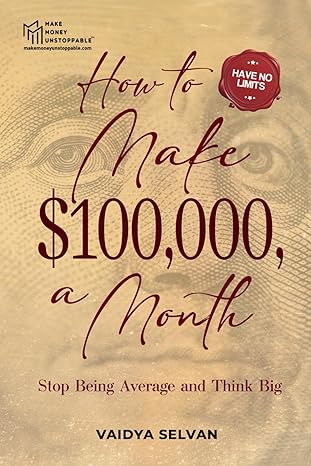
How to make $100,000/month? Stop being average and think big.
Stop Settling. Start Scaling.
Unlock the mindset, systems, and strategies top earners use to build unstoppable income.
Think Bigger. Earn Smarter.
This free eBook serves as your blueprint for scaling quickly, earning relentlessly, not settling for mediocrity, and living life on your terms.
Inside, you’ll discover:
- The Millionaire Mindset Blueprint
- Income streams that run on autopilot
- Entrepreneur hacks for focus and financial dominance
- One strategy to launch multiple income streams
- How to break free from “just enough”
- Tools to crush limiting beliefs and build your empire
Average doesn’t scale. Vision does. Download now and start your $100K/month transformation.
Yes, this eBook is free. Just drop in your email here to get instant access. ONE eBook per email.
The eBook is sent automatically and should arrive within minutes. Depending on your email provider, it may appear in your Spam or Promotions folder. While we don’t control its exact placement, you can be confident it has been dispatched and is waiting for you.
PLUS: Get Access to exclusive financial tips, learn everything about money and get early blog updates – delivered directly to your inbox .
Rethinking Purchases Through the Lens of Time
When we equate the price of a product to the hours we’ve spent and lost at work to earn that equivalent amount of money, it forces us to think twice before buying. Each purchase is no longer just about affordability; it becomes a reflection of the time and energy we traded away to make it possible.

This perspective shifts consumption from a simple financial decision to a deeper question: Is this item worth the irreplaceable hours of my life I exchanged for it? By framing purchases in terms of time, we become more mindful, less impulsive, and more intentional about what truly deserves our investment.
This blog explores the unseen side of spending, breaking down the layers of cost that often go unnoticed. By the end of the blog, you’ll see how mindful purchasing can save you money, reduce stress, and create a more sustainable lifestyle while restoring respect for the time that truly defines our lives.
The Layers of Hidden Costs
- What Hidden Costs Really Mean When Spending
- Types of Hidden Costs in Purchases
- The Financial Impact of Hidden Costs
- The Hidden Environmental Costs of Consumption
- Psychological and Emotional Costs
- Practical Ways to Reduce Hidden Costs
- The Bigger Picture: Principles of Mindful Living
- Conclusion: Purchases as Pathways to Purpose
- What Hidden Costs Really Mean When Spending
Hidden costs are the unseen consequences of spending. They may extend far beyond the obvious price tag and often remain unnoticed until much later. These costs may include:

- Time Trade-Offs: Every dollar spent represents hours of labor exchanged. When we buy something, we are not just spending money: we are spending fragments of our lives that were used to earn it.
- Opportunity Costs: Choosing one purchase often means forgoing another. The money spent on a luxury item could have been invested, saved, or used for experiences that bring much deeper fulfillment.
- Emotional Costs: Purchases can carry stress, guilt, buyer’s remorse, or regret. The thrill of buying fades quickly, but the burden of debt or clutter lingers on, along with the bill in hand.
- Maintenance & Upkeep: Many items demand ongoing care, such as repairs, upgrades, or replacements. What seemed affordable at first can become a long-term drain.
- Environmental Costs: Production, packaging, and disposal all leave a footprint. Each purchase we make contributes to resource depletion, waste, and pollution, even if we don’t see it directly.
- Social Costs: Spending can shape relationships and social dynamics. Competing with others’ lifestyles or prioritizing possessions over people can erode connection and authenticity.

- Every purchase carries multiple layers of hidden costs:
- Financial costs
- Maintenance and upkeep
- Replacement expenses
- Short-term savings that may lead to long-term losses
- Environmental costs
- Massive use of energy and raw materials in production
- The amount of waste generated
- Pollution from manufacturing, digging up raw materials, and transportation
- Time costs
- Effort spent maintaining and managing items
- Time lost in repairs or finding replacements
- Hours consumed by making unnecessary purchases
- Spending time online to choose and make the “right” purchase
- Emotional costs
- Stress from overspending
- Regret from impulsive buying
- Dissatisfaction with poor quality
- Buyers regret and remorse
- Financial costs

- The Financial Impact of Hidden Costs: The financial side of hidden costs is often the most visible, yet still underestimated.
- Small recurring expenses add up: They add up fast. A dollar here and a dollar there. Minor costs accumulate into significant burdens.
- Durability matters: Long-lasting items can help reduce replacement costs. The longer it lasts, the fewer new things to buy.
- Maintenance adds expense: Repairs can help extend the overall lifespan, but may require ongoing expenditure.
- Short-term savings can mislead: Choosing cheaper options when making a purchase may often result in higher long-term costs.
- Awareness creates balance: Understanding the hidden costs can help align our spending with future stability.
- The Hidden Environmental Costs of Consumption: Our purchases can affect the environment in ways that are often invisible.

- Resource Use in Production: Every product begins with an enormous appetite for energy, water, and raw materials. Factories, supply chains, transportation, and extraction processes consume resources on a massive scale, yet these realities often remain invisible to consumers who focus only on the final price tag.
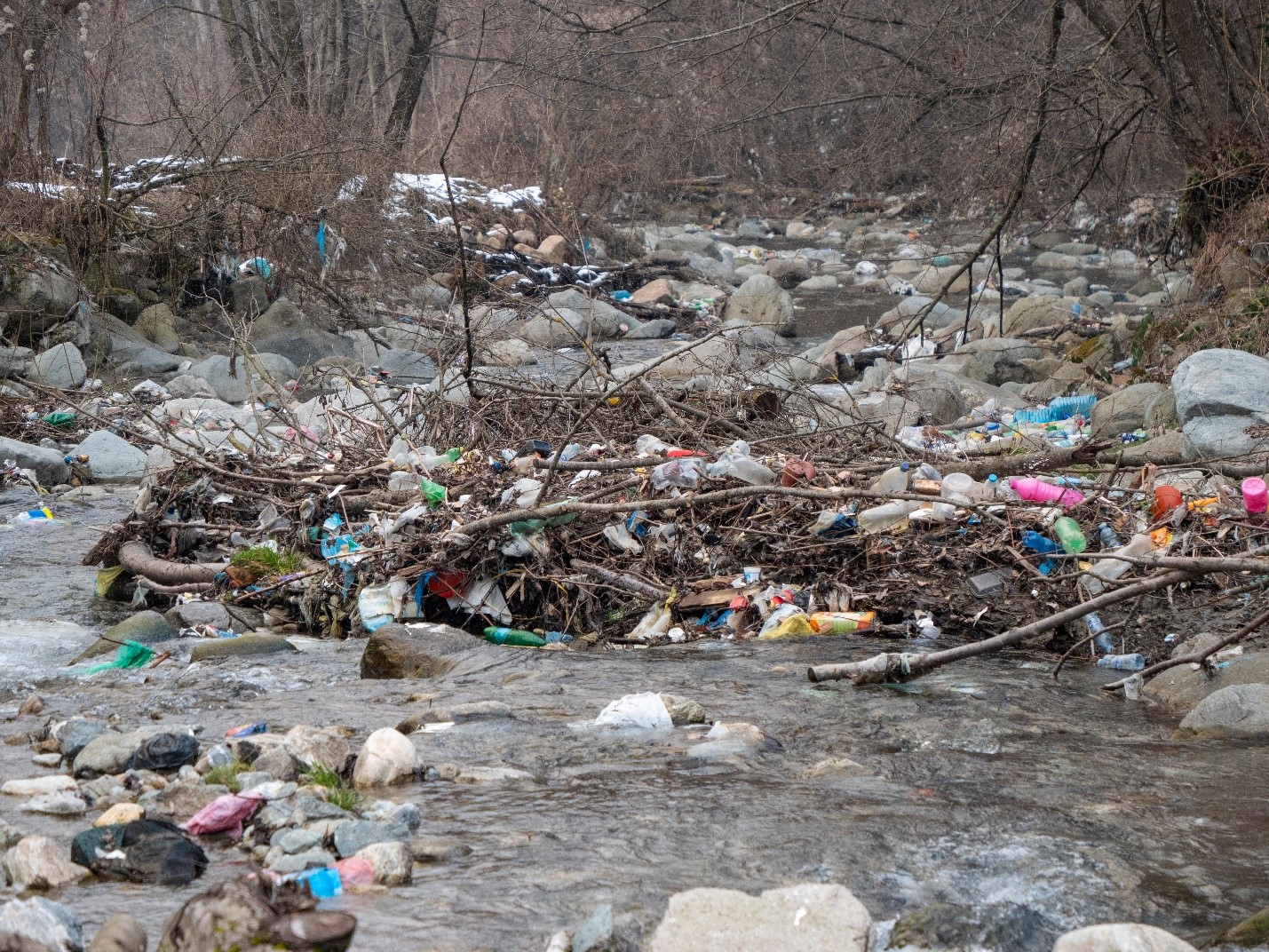
- Waste and Disposal Challenges: What we buy today inevitably becomes tomorrow’s waste. From packaging to the product itself, items may eventually end up in landfills, adding pressure to already strained waste management systems and contributing to long-term environmental damage.
- Energy Consumption During Use: Some products may continue to drain resources throughout their lifespan. Appliances, electronics, and vehicles may consume energy daily, meaning their environmental impact may extend far beyond the moment of purchase.
- Sustainability Depends on Our Choices: The strain on our planet is not only inevitable; it depends on the choices we make. Mindful consumption, prioritizing durability and necessity over impulse, can significantly help reduce environmental harm. But we have been conditioned just to consume and not care about anything other than the sticker price, the MSRP.
- Repair, Repurpose, and Reuse: Extending the life of items through repair, creative repurposing, or reuse may be the most powerful ways to conserve our natural resources. Each act of preservation from our side can help reduce waste, lower the demand for new products, and honor the true value of what we already have.
-
Psychological and Emotional Costs: The hidden costs of purchases are not only financial or environmental, but they may also affect our mental well-being.
- Stress from overspending: Financial strain can create deep-seated stress and anxiety.
- Regret and buyer’s remorse: Impulsive buys may often lead to dissatisfaction and regret of making that purchase.
- The cycle of consumption: Dissatisfaction may fuel repeated buying, creating a loop of continuous consumption and waste.
- Mindful choices can reduce strain: Awareness can help bring peace of mind and confidence.
- Emotional freedom through clarity: Understanding these hidden costs can help us break free from unnecessary stress and make purchases that bring no true value.

- Repair instead of replace: Extends the product’s lifespan and helps save money by not needing to buy anything new.
- Repurpose and reuse: Adds new value to existing items. It also helps give those items that you already have a second chance at life.
- Choose durability over convenience: Long-lasting options can help reduce future expenses.
- Simplify your purchases: Avoid making unnecessary purchases to reduce waste and save money.
- Track your spending habits: Identify hidden patterns and adjust your behavior accordingly. Always shop with a list and never go shopping on an empty stomach, or you may overspend, especially on impulse buys.
- Practice mindful living: Align your choices with values and goals. Make your life meaningful, purposeful, and be present in the moment. Make each day and each second count.
-
The Bigger Picture: Principles of Mindful Living: Hidden costs are not just personal; they may also affect society as a whole.
- Collective choices can transform systems: When communities act with intention, everyone can evolve to reflect those values for the common good.
- Mindful living can strengthen our resilience: Reducing waste and conserving resources can make societies more adaptable, purposeful, and enduring.
- Awareness can foster financial freedom: Making conscious decisions can create stability and lower our dependence on external support.
- True wealth goes beyond money: Sustainability, resilience, and individual well-being are all integral measures of prosperity.
- Every purchase helps shape our tomorrow: Consumer choices are not mere transactions—they are powerful votes guiding the destiny of society.

Conclusion: Purchases as Pathways to Purpose
The true cost of every purchase extends well beyond money. It reflects true value, sustainability, experience, and wisdom. When we look past the price tag, we can uncover the real impact of our choices.
Repairing, repurposing, and reusing are more than just ways to save; they are pathways to our resilience and financial freedom. Through mindful consumption, spending becomes a purposeful action, shaping a future where every decision carries meaning and a lot of weight. The weight of our decisions over a lifetime. That can compound multifold over a few decades.
It’s not what we earn that truly matters. It’s what we keep. A $1 million salary may sound impressive at the outset, but after taxes that consume nearly 40%, the net amount shrinks dramatically. And if our expenses outpace what remains, it’s as if we earned nothing at all.
Wealth is not measured solely in numbers, but in the wisdom of how we manage our resources. By uncovering hidden costs such as taxes, debt, and wasteful spending, we can gain back the power to live with intent, clarity, confidence, and have genuine financial freedom.

Points to Take Note of
- Taxes are inevitable, but strategy matters: Smart planning, investments, and eligible deductions can help reduce the tax burden legally.
- Expenses may define wealth more than income: Overspending can erode our financial stability, regardless of how much we earn.
- Mindful consumption builds resilience: Repairing, reusing, and repurposing can help us extend value and reduce waste.
- Financial freedom is about having control: True wealth lies in the ability to direct resources toward meaningful goals, and not just by focusing on and accumulating numbers.
- Hidden costs shape reality: Interest payments, fees, charges, subscriptions, memberships, lifestyle inflation, impulse spending, and poor financial habits can silently drain our wealth in no time, without us even knowing it.
Why Money Must Be Watched Like a Hawk
- Constant vigilance: Just as a hawk scans the horizon for movement, you must keep a sharp eye on your finances. Small leaks such as subscriptions, fees, charges, impulse buys, and memberships can quietly drain our wealth in stealth mode. One dollar at a time.
- Precision in action: Hawks strike with accuracy. Similarly, financial decisions should be deliberate, not reactive. Every dollar should have a purpose and should be put to work.

- Awareness of hidden threats: Predators and dangers lurk unseen. In monetary terms, taxes, inflation, and debt are silent forces that can erode wealth if ignored.
- Long-term vision: Hawks soar high to see the bigger picture. Financial vigilance means looking beyond today’s paycheck to future goals such as retirement, investments, and planning for your financial freedom.
- Adaptability: Hawks adjust to changing winds. Likewise, financial strategies must evolve with life circumstances, markets, and opportunities.
Practical Ways to “Watch Money Like a Hawk”
- Track every expense: know where every dollar goes.
- Review bank statements and credit card bills regularly.
- Know all about what you are investing in before you invest.
- Audit subscriptions, memberships, and recurring charges.
- Monitor investments and rebalance portfolios as needed.
- Stay alert to tax implications by planning ahead.
- Guard against lifestyle inflation: don’t let spending rise just because your income does.
- Know your true needs and desirable wants.
- Learn about good debt and bad debt.
- Learn how to leverage.
- Never let your money sit idle.
- Learn how, when, and where you should park your money.

Money is not passive: it flows, shifts, and disappears if left unattended. To build true wealth, you must watch it with the sharp eyes of a hawk: scanning for threats, seizing opportunities, and guarding every resource with precision.
Wealth is not a race to earn more. It is the art of keeping more, spending wisely, and living intentionally. Every dollar saved, every resource repurposed, and every mindful choice is a step toward freedom. When we master the hidden costs and align our actions with purpose, we transcend mere numbers and step into a life of abundance, resilience, and lasting prosperity.
True wealth is not measured by what flows into our hands, but by what endures in our lives.
Join the conversation! Drop your thoughts in the comments below, and let’s keep the discussion going.
makemoneyunstoppable.com
Visit the website:
makemoneyunstoppable.com
From Experience to insight : Transformational reads for the Strategic mind
Foundational readings for big shifts:
- How to Track Spending without Getting Overwhelmed
- The 7-Day Money Reset Plan: Take Back Control In Just One Week
- Are You Throwing Away $5,000 a Year on Food Waste Without Realizing It?
- The Real Cost of Owning a Big Home
- The Psychology of Spending: Why We Overspend and How to Stop It
- Mastering the Envelope Method
Author: Vaidya Selvan
Welcome to Make Money Unstoppable Personal Finance Made Simple, a blog born out of necessity, a space created from real-life experiences, hard-earned lessons, and a deep-seated desire to share what I wish someone had taught me or had known sooner.

Newsletter Invite
Want more real-world information on Money? Join my newsletter for practical tips, updates on my books, and strategies to help you build financial freedom on your terms.
Yes, the eBook is also free. Just drop in your email here to get instant access. ONE eBook per email.
The eBook is sent automatically and should arrive within minutes. Depending on your email provider, it may appear in your Spam or Promotions folder. While we don’t control its exact placement, you can be confident it has been dispatched and is waiting for you.
#FinancialFreedom #Newsletter #MoneyTips