

Is Durability Worth Paying For? A Guide to Smarter, longLasting Buying Decisions
Introduction
Why Durability Matters More Than You Think
Durability is one of the most important qualities people look for when buying anything, yet it is also one of the most misunderstood. Many people struggle with the question of whether paying more for durability is truly worth it. The answer is not always obvious, because durability is not just about how long something lasts. It is about value, reliability, peace of mind, and long term satisfaction.
Last Updated: May 9, 2026

Disclaimer: I am not a licensed financial advisor, financial planner, tax professional, attorney, or employment consultant. The information provided in this blog is intended solely for general informational and educational purposes. This content should not be interpreted or construed as professional advice on financial, legal, tax, employment, or career matters. Always consult a qualified professional before making decisions that affect your personal situation. For transparency, some articles may include AI-assisted content. The idea is original and developed independently. All material is reviewed, edited, and approved before publication to ensure clarity and accuracy.
When you choose durability, you are choosing stability. You are also choosing fewer replacements, fewer frustrations, and fewer interruptions. You are choosing something that supports your life instead of complicating it. But durability also comes with a cost, and that cost must be weighed carefully. Paying more does not always mean getting more, and paying less does not always mean saving money. By choosing quality over quantity and durability over disposables, we may be helping ourselves by reducing the cost per use over a durable product’s lifetime, as well as keeping cheap stuff from ending up in landfills. This is where we have the power as consumers to talk with our wallets by making conscious choices.
This blog gives you a clear, practical, and easy to understand framework for deciding whether durability is worth paying for. You will learn how to evaluate durability, how to think about long term value, and how to make buying decisions that support your goals, your budget, and your peace of mind.
The Durability Decision Framework
Table of Contents
- What Durability Really Means
- Why Durability Can Add Long Term Value
- How to Decide Whether Durability Is Worth Paying For
- The Hidden Costs of Choosing Low Durability
- The Hidden Costs of Choosing High Durability
- How to Balance Durability with Your Budget
- Conclusion: Choosing Durability with Confidence and Clarity
Unlock your financial freedom.
Download this FREE eBook!.
How to make $100,000/month? Stop being average and think big.
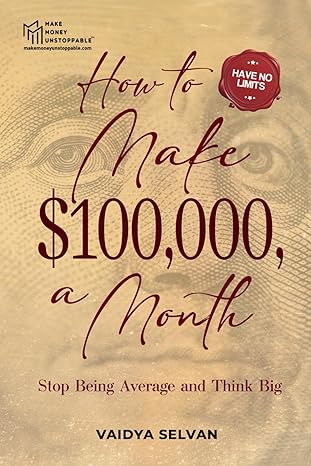
Stop Settling. Start Scaling.
Unlock the mindset, systems, and strategies top earners use to build unstoppable income.
Think Bigger. Earn Smarter.
This free eBook serves as your blueprint for scaling quickly, earning relentlessly, not settling for mediocrity, and living life on your terms.
Inside, you’ll discover:
- The Millionaire Mindset Blueprint
- Income streams that run on autopilot
- Entrepreneur hacks for focus and financial dominance
- One strategy to launch multiple income streams
- How to break free from “just enough”
- Tools to crush limiting beliefs and build your empire
Average doesn’t scale. Vision does. Download now and start your $100K/month transformation.
Yes, this eBook is free. Just drop in your email here to get instant access. ONE eBook per email.
The eBook is sent automatically and should arrive within minutes. Depending on your email provider, it may appear in your Spam or Promotions folder. While we don’t control its exact placement, you can be confident it has been dispatched and is waiting for you.
PLUS: Get Access to exclusive financial tips, learn everything about money and get early blog updates – delivered directly to your inbox .
1. What Durability Really Means
Durability is more than strength or toughness. It is the ability of something to stay useful, reliable, and functional over time. When something is durable, it continues to serve its purpose without frequent repairs, replacements, or frustrations.
Key points to consider
- Durability is about long-term performance, not just short-term appearance.
- Durability reduces the need for frequent replacements.
- Durability can help support stability and consistency in our daily lives.
- Durability can reduce stress by lowering the chance of unexpected failures.
- Durability often reflects thoughtful design and long-term usability.
- Durability is a form of value that grows over time.
Why this matters
Understanding durability helps you evaluate whether something will truly support your needs. It shifts your focus from short-term cost to long-term benefit.
2. Why Durability Can Add LongTerm Value
Durability is closely connected to long-term value. When something lasts longer, you spend less time, money, and energy replacing it. This creates stability and reduces waste.
Key points to consider
- Durable items often provide more value over their lifespan.
- Durability reduces the frequency of replacements.
- Durability lowers long-term costs, even if the upfront cost is higher.
- Durability supports long-term planning and budgeting.
- Durability reduces inconvenience and interruptions.
- Durability contributes to a simpler, more predictable life.
Why this matters
Long-term value is not just financial. It includes convenience, peace of mind, and the comfort of knowing something will continue to work when you need it.
3. How to Decide Whether Durability Is Worth Paying For
Durability is not always the right choice. Sometimes it is essential, and sometimes it is optional. The key is understanding your needs, your goals, and your priorities.
Key points to consider
- Determine whether the item will be used frequently or occasionally.
- Consider whether reliability is important for your daily life.
- Reflect on whether long term stability matters for this purchase.
- Ask whether the cost of replacing a less durable option would be higher over time.
- Evaluate whether durability aligns with your long term goals.
- Consider whether durability supports your lifestyle or adds unnecessary cost.
Why this matters
This question helps you avoid overspending on durability you do not need or underspending on durability you will regret not having.
4. The Hidden Costs of Choosing Low Durability
Choosing low durability may seem like a way to save money, but it often leads to hidden costs that appear from nowhere over time.
Key points to consider
- Frequent replacements can increase your long-term spending.
- Low durability can lead to unexpected failures.
- Low durability may create inconvenience or interruptions.
- Low durability can increase waste and clutter.
- Low durability may require more maintenance.
- Low durability can reduce long-term satisfaction.

Why this matters
Understanding the hidden costs helps you see the full picture. What seems inexpensive at first may become costly in the long run.
5. The Hidden Costs of Choosing High Durability
High durability is not always the best choice either. Sometimes it may lead to unnecessary spending or features you do not need.
Key points to consider
- High durability often comes with a higher upfront cost.
- You may pay for features you do not use.
- High durability may exceed your actual needs.
- High durability can limit flexibility if your needs change.
- High durability may require more care or storage.
- High durability may not always provide proportional value.

Why this matters
This helps you avoid overspending on durability that does not match your lifestyle or priorities.
6. How to Balance Durability with Your Budget
Balancing durability with your budget is about finding the point where the long term value meets your financial comfort. You do not need the most durable option. You need the right level of durability for your needs.
Key points to consider
- Identify your budget before comparing options.
- Determine the minimum level of durability you need.
- Consider long term costs, not just the upfront costs.
- Reflect on whether durability supports your financial goals.
- Ask whether the durable option can help prevent future expenses.
- Evaluate whether the durable option provides peace of mind worth paying for.
Why this matters
Balancing durability with your budget can help you to make decisions that support both your present and your future.
Conclusion
Choosing Durability with Confidence and Clarity,
Durability is not just a feature. It is a long-term investment in your comfort, stability, and peace of mind. When you choose durability wisely, you reduce stress, avoid waste, and support your long-term goals. But durability must be chosen with intention. Paying more does not always mean getting more, and paying less does not always mean saving money.
The key is understanding your needs, your priorities, and your long-term plans. When you evaluate durability through the lens of value, timing, budget, and long-term impact, you make decisions that feel right today and continue to feel right in the future.
Choosing durability is choosing clarity and confidence. It is also about choosing a life supported by items that last, perform, and bring long-term satisfaction. When you make buying decisions with purpose, you protect your time, your money, and your peace of mind for the long term.
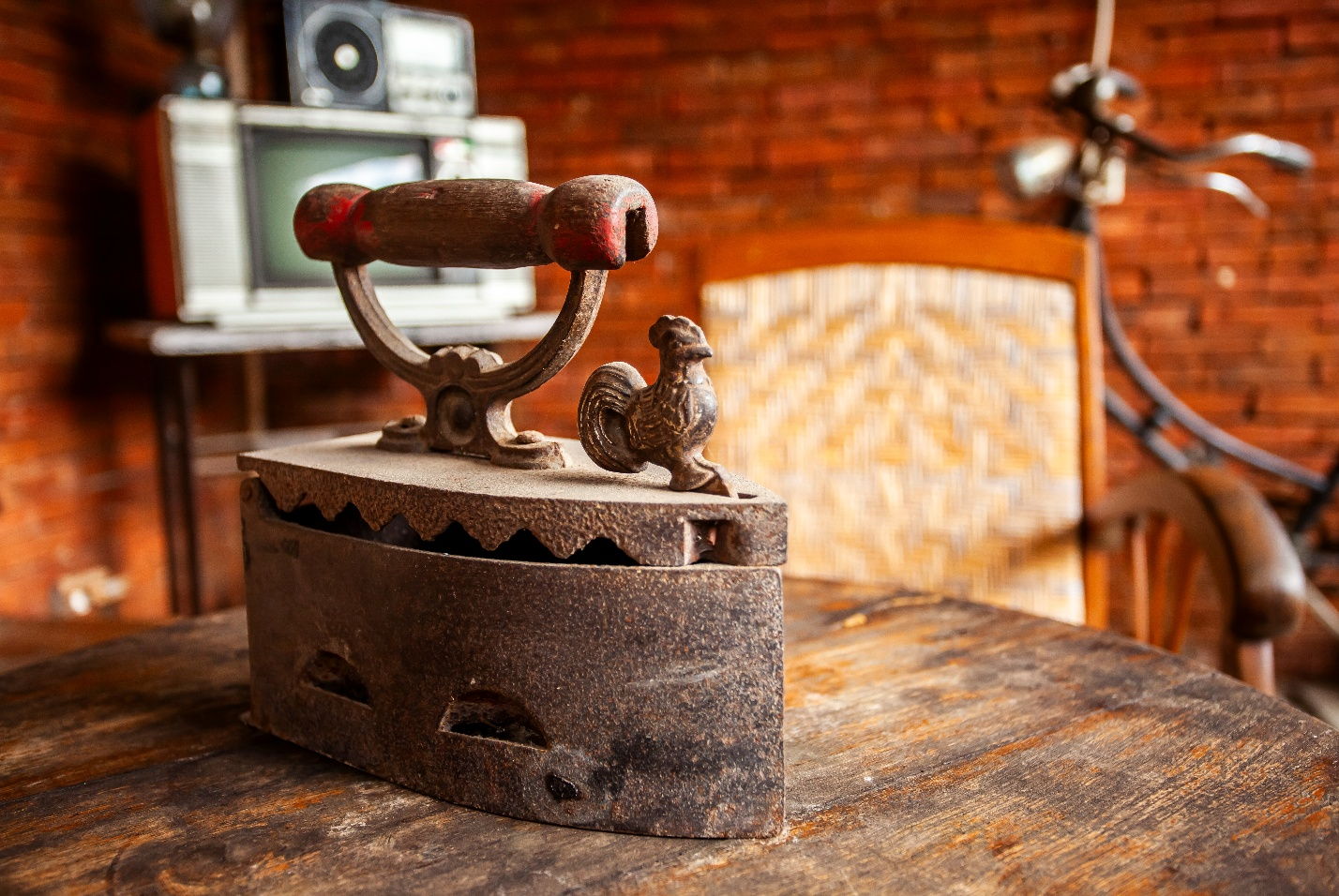
Does paying for higher durability upfront give me real longterm value, support my needs, fit my budget, and reduce future stress?
Join the conversation! Drop your thoughts in the comments below, and let’s keep the discussion going.
From Experience to insight : Transformational reads for the Strategic mind
Foundational readings for big shifts:
- How to Track Spending without Getting Overwhelmed
- The 7-Day Money Reset Plan: Take Back Control In Just One Week
- Are You Throwing Away $5,000 a Year on Food Waste Without Realizing It?
- The Real Cost of Owning a Big Home
- The Psychology of Spending: Why We Overspend and How to Stop It
- Mastering the Envelope Method
Author: Vaidya Selvan
Welcome to Make Money Unstoppable Personal Finance Made Simple, a blog born out of necessity, a space created from real-life experiences, hard-earned lessons, and a deep-seated desire to share what I wish someone had taught me or had known sooner.
Newsletter Invite
Want more real-world information on Money? Join my newsletter for practical tips, updates on my books, and strategies to help you build financial freedom on your terms.
Yes, the eBook is also free. Just drop in your email here to get instant access. ONE eBook per email.
The eBook is sent automatically and should arrive within minutes. Depending on your email provider, it may appear in your Spam or Promotions folder. While we don’t control its exact placement, you can be confident it has been dispatched and is waiting for you.
#FinancialFreedom #Newsletter #MoneyTips