


The Real Difference Between a $1,000 Suit and a $10,000 Suit: A Clear, Simple Guide to Quality, Craft, and Value
Introduction
Looking Beyond the Price Tag
When people see two suits with dramatically different price tags, the first reaction is often confusion and shock. How can one suit cost $1,000 while another costs $10,000? They may look similar at first glance, and they may serve the same basic purpose. Yet the difference in cost is not random. It is shaped by a long list of factors that influence quality, structure, comfort, durability, craftsmanship, and long-term value.
Last Updated: May 11, 2026

Disclaimer: I am not a licensed financial advisor, financial planner, tax professional, attorney, or employment consultant. The information provided in this blog is intended solely for general informational and educational purposes. This content should not be interpreted or construed as professional advice on financial, legal, tax, employment, or career matters. Always consult a qualified professional before making decisions that affect your personal situation. For transparency, some articles may include AI-assisted content. The idea is original and developed independently. All material is reviewed, edited, and approved before publication to ensure clarity and accuracy.
Understanding these differences helps you make informed choices. It helps you see beyond the surface and understand what you are truly paying for. It also helps you avoid assumptions, emotional decisions, or confusion about true value. When you understand what creates the gap between a $1,000 suit and a $10,000 suit, you gain clarity, confidence, and control over your decisions.

The goal of this blog is to help you understand the principles behind suit pricing so you can make choices that align with your needs, values, and expectations. This guide only scratches the surface, but there is more to it than what meets the eye.
A Simple and Complete Guide to Understanding Suit Quality and Price Differences
Table of Contents
- What Determines the Price of a Suit
- The Role of Materials
- The Role of Construction
- The Role of Craftsmanship
- The Role of Fit and Customization
- The Role of Time and Labor
- The Role of Design and Detail
- The Role of Durability and Longevity
- The Role of Comfort and Performance
- How to Decide What Level of Suit Is Right for You
- Conclusion: Understanding Value Beyond the Number
Unlock your financial freedom.
Download this FREE eBook!.
How to make $100,000/month? Stop being average and think big.
Stop Settling. Start Scaling.
Unlock the mindset, systems, and strategies top earners use to build unstoppable income.
Think Bigger. Earn Smarter.
This free eBook serves as your blueprint for scaling quickly, earning relentlessly, not settling for mediocrity, and living life on your terms.
Inside, you’ll discover:
- The Millionaire Mindset Blueprint
- Income streams that run on autopilot
- Entrepreneur hacks for focus and financial dominance
- One strategy to launch multiple income streams
- How to break free from “just enough”
- Tools to crush limiting beliefs and build your empire
Average doesn’t scale. Vision does. Download now and start your $100K/month transformation.
Yes, this eBook is free. Just drop in your email here to get instant access. ONE eBook per email.
The eBook is sent automatically and should arrive within minutes. Depending on your email provider, it may appear in your Spam or Promotions folder. While we don’t control its exact placement, you can be confident it has been dispatched and is waiting for you.
PLUS: Get Access to exclusive financial tips, learn everything about money and get early blog updates – delivered directly to your inbox .
1. What Determines the Price of a Suit
The price of a suit is shaped by many factors working together. A higher price does not automatically mean better quality, but certain elements may consistently influence cost.

Key factors may include:
- Materials used
- Construction methods
- Craftsmanship level
- Fit options
- Time required to make the suit
- Detailing and finishing
- Durability and longevity
- Comfort and performance
Pointers:
- Price may reflect the sum of all components, and not just one.
- Higher cost may often mean more labor intensive processes.
- Lower cost may often mean faster, simpler, and mass production.
2. The Role of Materials
Materials play a major role in the price difference between suits.
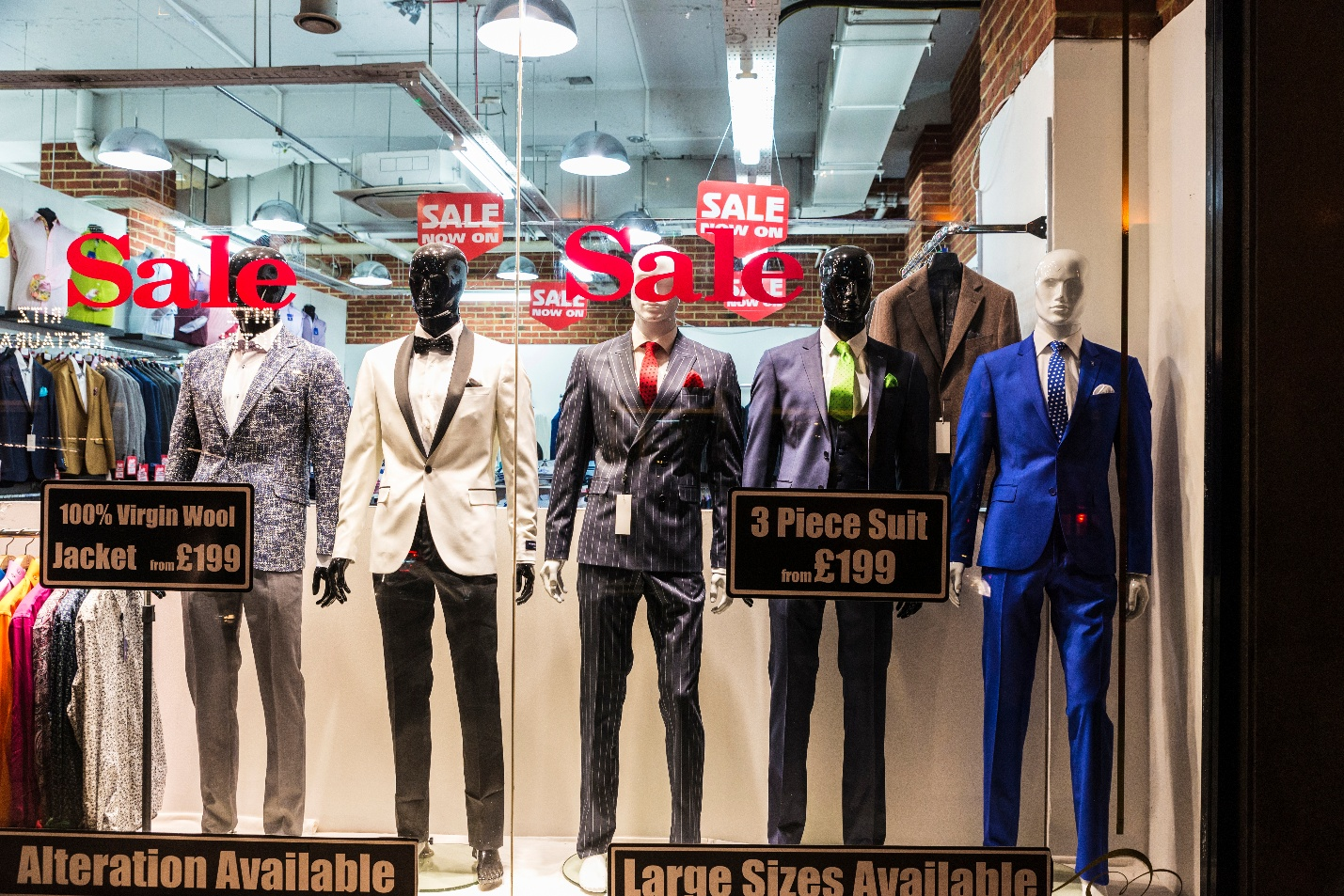
Key considerations may include:
- Fiber quality affects softness, structure, and durability.
- Weave density influences strength and drape.
- Fabric performance may affect breathability and comfort.
- Material sourcing can impact cost depending on rarity or complexity.
- Finishing processes can enhance texture and longevity.
Pointers:
- Higher-quality materials often last longer.
- Lower-quality materials may lose shape more quickly.
- Material quality may affect how the suit feels, moves, and ages.
3. The Role of Construction
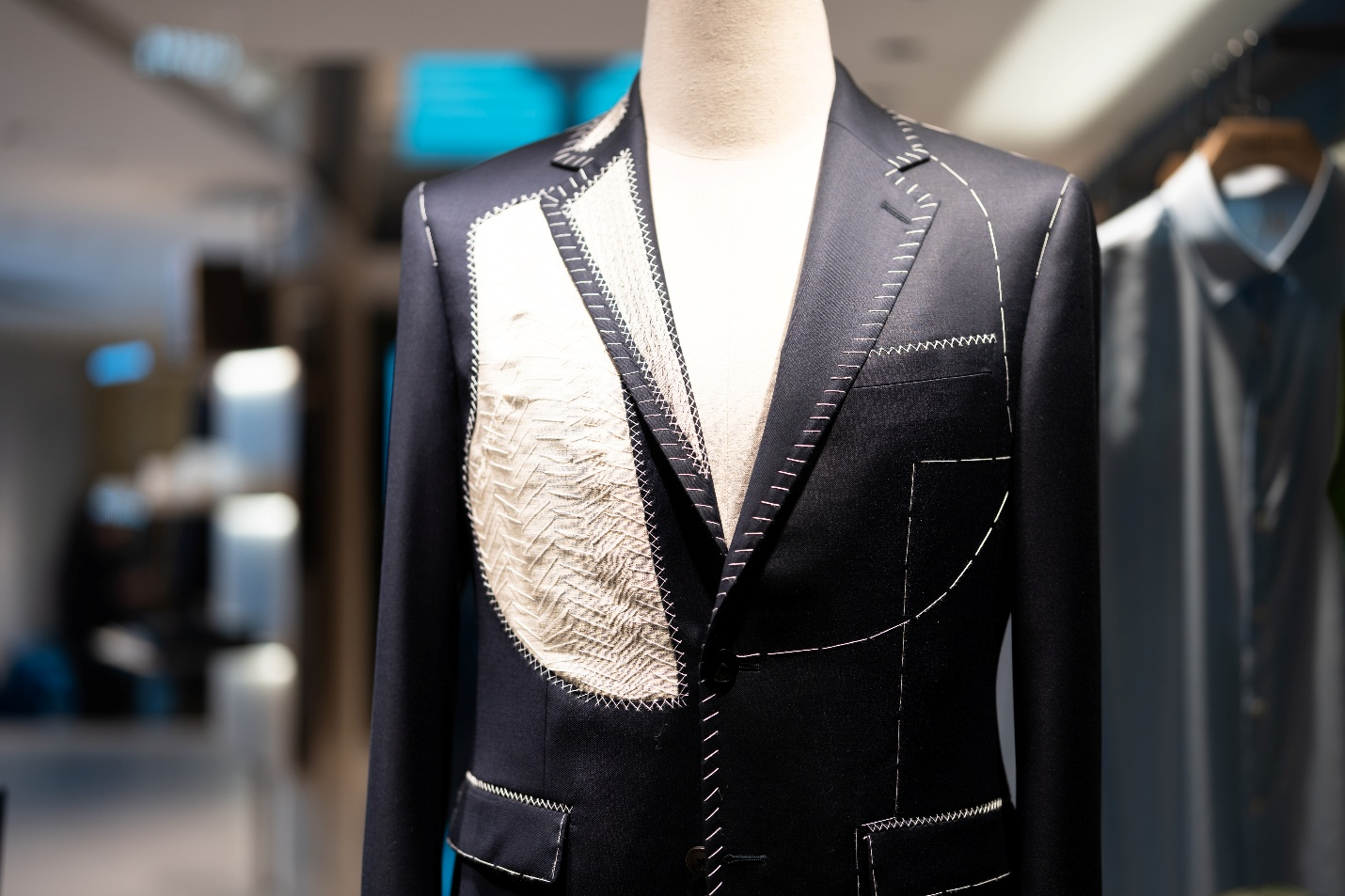
Consruction refers to how the suit is built from the inside out.
Key construction differences may include:
- Internal structure that affects shape and support.
- Stitching methods that influence durability.
- Layering techniques that affect comfort and movement.
- Precision of assembly that impacts overall quality.

Pointers:
- More advanced construction requires more time and skill.
- Simplified construction reduces cost but may reduce longevity.
- Construction quality affects how the suit holds up over time.
4. The Role of Craftsmanship
Craftsmanship is the skill level involved in making the suit.
Key craftsmanship elements may include:
- Attention to detail
- Accuracy of measurements
- Consistency of stitching
- Precision in shaping and pressing
- Skill in handling delicate materials
Pointers:
- Higher craftsmanship often means more handwork.
- Skilled labor can increase cost but improve quality.
- Craftsmanship affects the suit’s final appearance and performance.

5. The Role of Fit and Customization
Fit is one of the most important elements of a suit.
Fit differences may include:
- Standard sizing
- Adjusted sizing
- Fully customized patterns
- Precision shaping for posture and movement
- Detailed adjustments for balance and proportion
Pointers:
- More customization requires more time and skill.
- A better fit can improve comfort and appearance.
Custom fit often increases the cost due to labor intensity.
6. The Role of Time and Labor
Time is one of the biggest cost drivers.
Key labor considerations may include:
- Number of hours required to make the suit
- Number of steps in the process
- Amount of handwork involved
- Skill level of the workers
- Quality control and inspection time

Pointers:
- Faster production may help reduce the cost, but may reduce quality.
- Slower, more detailed production increases cost but improves results.
- Time investment affects durability, comfort, and precision.
7. The Role of Design and Detail
Design and detail may have an influence on both appearance and cost.
Key design elements may include:
- Pattern complexity
- Structural shaping
- Internal finishing
- Edge treatments
- Button and seam detailing

Pointers:
- More detailed designs require more labor.
- Simpler designs reduce cost but may limit refinement.
- Details contribute to the overall look and feel of the suit.
8. The Role of Durability and Longevity
Durability does affect it’s long term value.
Key durability factors may include:
- Strength of materials
- Quality of stitching
- Resistance to wear
- Ability to maintain shape
- Longevity of internal structure
Pointers:
- Higher durability may often mean lower cost per use.
- Lower durability may require more frequent replacement.
- Longevity is a major part of overall value.
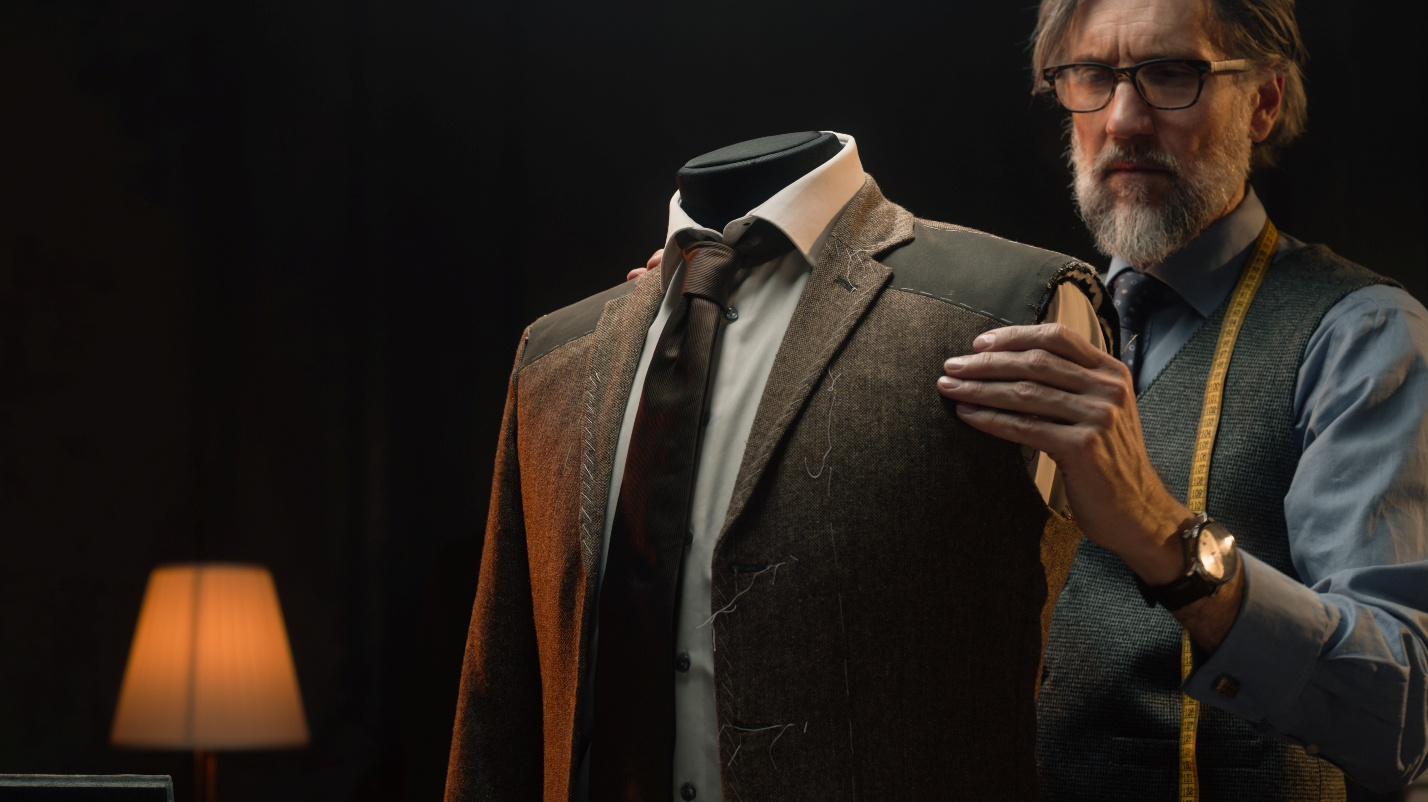
9. The Role of Comfort and Performance
Comfort is not just about softness. It includes how the suit behaves throughout the day.
Key comfort factors may include:
- Breathability
- Flexibility
- Temperature regulation
- Weight and drape
- Smoothness against the skin
Pointers:
- Higher quality materials often help improve comfort.
- Better construction can enhance movement.
- Comfort affects both confidence and ease of wear.
10. How to Decide What Level of Suit Is Right for You
Choosing the right suit depends on your needs, values, and expectations.
Helpful questions to ask yourself:
- What level of quality do I need
- How important is long term durability
- How often will I wear the suit
- What level of comfort do I expect
- How important is customization
- What level of craftsmanship matters to me
- What is my preferred balance between cost and value

Pointers:
- There is no “right” price, only the right choice for your needs.
- Understanding these factors can help you choose with confidence.
- Value is personal and depends on your priorities.
Conclusion
Seeing Value Beyond the Number
The difference between a $1,000 suit and a $10,000 suit is not just the number on the tag. It is the sum of materials, construction, craftsmanship, time, detail, durability, comfort, and customization. When you understand these elements, you see value more clearly. You understand what you are paying for. You make decisions based on knowledge, and not assumptions.
This clarity helps you choose a suit that aligns with your needs, your expectations, and your sense of value. Whether you prefer simplicity or refinement, speed or precision, standard fit or customization, the key is understanding what matters most to you.
When you look beyond the price and understand the factors behind it, you gain confidence, control, and a deeper appreciation for the craft of suit-making. That is the real difference, and that knowledge helps empower you to choose with intention.
When you compare different levels of suits, how often do you pause to consider how the materials, construction, craftsmanship, fit, time, detail, durability, and comfort all work together to shape the true value behind the price you choose to pay, and whether that value aligns with your expectations and long-term needs?
Join the conversation! Drop your thoughts in the comments below, and let’s keep the discussion going.
From Experience to insight : Transformational reads for the Strategic mind
Foundational readings for big shifts:
- How to Track Spending without Getting Overwhelmed
- The 7-Day Money Reset Plan: Take Back Control In Just One Week
- Are You Throwing Away $5,000 a Year on Food Waste Without Realizing It?
- The Real Cost of Owning a Big Home
- The Psychology of Spending: Why We Overspend and How to Stop It
- Mastering the Envelope Method

Author: Vaidya Selvan
Welcome to Make Money Unstoppable Personal Finance Made Simple, a blog born out of necessity, a space created from real-life experiences, hard-earned lessons, and a deep-seated desire to share what I wish someone had taught me or had known sooner.

Newsletter Invite
Want more real-world information on Money? Join my newsletter for practical tips, updates on my books, and strategies to help you build financial freedom on your terms.
Yes, the eBook is also free. Just drop in your email here to get instant access. ONE eBook per email.
The eBook is sent automatically and should arrive within minutes. Depending on your email provider, it may appear in your Spam or Promotions folder. While we don’t control its exact placement, you can be confident it has been dispatched and is waiting for you.
#FinancialFreedom #Newsletter #MoneyTips