


Ancient Frugal Living Principles: Timeless Lessons for Modern Money Management and Sustainable Value
Introduction: Rediscovering Frugal Wisdom
Frugal living is often misunderstood as sacrifice or deprivation. In reality, it is a philosophy of balance, mindfulness, resourcefulness, and sustainability. Many ancient civilizations before us have practiced frugality not out of choice, but out of necessity, and their principles still remain relevant today.
Last Updated: January 25, 2025

Disclaimer: I am not a licensed financial advisor, financial planner, tax professional, attorney, or employment consultant. The information provided in this blog is intended solely for general informational and educational purposes. It should not be interpreted or construed as professional advice regarding financial, legal, tax, employment, or career matters. Always consult with a qualified professional before making decisions related to your finances, investments, legal obligations, employment, or taxes.
By studying these timeless lessons, we can uncover strategies to maximize value, reduce waste, and build resilience in a world defined by constant change—a world where material possessions often dictate status through outward display, while character, morality, honesty, ethics, trust, human connection, passion, compassion, and family values risk being forgotten.
Frugality is not about doing without; it is about doing more with less. It is about aligning consumption with necessity, timing with opportunity, and discipline with adaptability. These principles help form the foundation of effective money management and sustainable living.
- The Essence of Frugal Living
Frugality is intentional, not accidental. It is a conscious choice to prioritize essentials, eliminate excess, and maximize utility.
- Intentional Choices: Every decision is guided by necessity rather than impulse.
- Durability Over Novelty: Prioritizing long-lasting resources instead of focusing on short-lived trends. Invest in the best and hold it forever.
- Efficiency in Use: Extracting maximum utility from minimal inputs. Knowing the cost per use.
- Balance Between Needs and Wants: Knowing and distinguishing the essentials from luxuries.
- Sustainability: Ensuring practices that can endure across generations.

These principles remain timeless, serving as the backbone of financial resilience. Rooted in discipline, adaptability, and foresight, they provide a framework that endures across generations and economic cycles. By anchoring financial decisions in these enduring values, we can withstand volatility, recover from setbacks, and build sustainable strength.
- Timing and Cycles in Frugal Practices
Timing determined the survival in ancient communities, and it still remains the defining factor of financial success today.
- Preparation Ahead of Scarcity: Conserving resources before shortages occur.
- Strategic Storage: Retaining reserves for periods of uncertainty, ensuring stability without resorting to hoarding during times of shortage.
- Avoiding Waste Through Timing: Using resources when they are most effective and plentiful.
- Seasonal Awareness: Aligning consumption with availability.
- Long-Term Perspective: Viewing financial decisions as part of a larger cycle.
Modern finance mirrors these cycles, where timing in spending, saving, and investing becomes the decisive factor in shaping outcomes. Just as ancient communities relied on seasonal rhythms to help guide their survival, today’s financial landscape demands awareness of economic patterns, market fluctuations, and personal discipline.

- Psychological Foundations of Frugality
Human behavior, for sure, shapes financial outcomes. Ancient frugal living was guided by discipline, restraint, and awareness of common tendencies.
- Resisting Impulse Spending: Training the mind to pause before acting.
- Awareness of Emotional Triggers: Recognizing how moods influence consumption.
- Confidence in Restraint: Building trust in making disciplined choices.
- Focus on Long-Term Satisfaction: Prioritizing enduring value over temporary or short-term pleasure.
- Avoiding Overreaction: Recognizing the danger of impulsive responses to short-term fluctuations.
By mastering these psychological patterns, individuals can cultivate resilience and sharpen their timing strategies. Resilience emerges from the ability to remain steady in the face of uncertainty, while timing improves through disciplined awareness of behavioral tendencies. Recognizing impulse buys, managing emotional triggers, and resisting short-term overreactions may allow decisions to be guided by foresight rather than fear.
Unlock your financial freedom.
Download this FREE eBook!.
How to make $100,000/month? Stop being average and think big.
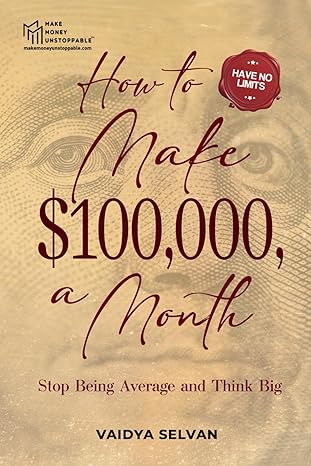
Stop Settling. Start Scaling.
Unlock the mindset, systems, and strategies top earners use to build unstoppable income.
Think Bigger. Earn Smarter.
This free eBook serves as your blueprint for scaling quickly, earning relentlessly, not settling for mediocrity, and living life on your terms.
Inside, you’ll discover:
- The Millionaire Mindset Blueprint
- Income streams that run on autopilot
- Entrepreneur hacks for focus and financial dominance
- One strategy to launch multiple income streams
- How to break free from “just enough”
- Tools to crush limiting beliefs and build your empire
Average doesn’t scale. Vision does. Download now and start your $100K/month transformation.
Yes, this eBook is free. Just drop in your email here to get instant access. ONE eBook per email.
The eBook is sent automatically and should arrive within minutes. Depending on your email provider, it may appear in your Spam or Promotions folder. While we don’t control its exact placement, you can be confident it has been dispatched and is waiting for you.
PLUS: Get Access to exclusive financial tips, learn everything about money and get early blog updates – delivered directly to your inbox .

- Strategic Money Management Through Frugality
Frugal living is a system of strategy and a lifestyle. It may involve planning, prioritization, and adaptability. Ultimately, it comes down to survival.
- Structured Planning: Creating clear frameworks for resource allocation.
- Budgeting Principles: Allocating resources with precision.
- Prioritization of Essentials: Ensuring necessities are secured before allocating for any discretionary spending.
- Value Maximization: Extracting the greatest utility from every single unit of currency.
- Risk Mitigation: Conserving reserves to help withstand uncertainty.
- Continuous Evaluation: Reviewing outcomes that may help refine future decisions.
This strategic approach has the potential to transform frugality from a mindset of limitation into a philosophy of empowerment. When practiced with intention, frugality is not about restricting choices but about expanding possibilities.

- Communication and Knowledge Transfer
Back in the days, frugal wisdom was preserved through communication such as stories, teachings, and shared practices.
- Shared Understanding: Aligning goals across groups or households. Elders teaching the next generation. This also helped with knowledge transfer.
- Clarity in Financial Goals: Defining objectives with precision down to the last cent.
- Transparency in Resource Use: Ensuring accountability of use.
- Documentation of Practices: Recording strategies for future reference.
- Collective Learning: Sharing strategies to help strengthen communities.
In modern contexts, communication remains a cornerstone of financial success. Clear and consistent communication ensures that goals are understood, expectations are aligned, and strategies are executed with precision. It fosters transparency in resource management, builds trust among stakeholders, and strengthens accountability. Effective communication also enables the transfer of knowledge, allowing financial principles to be shared, taught, and preserved across generations.

- The Role of Discipline in Value Creation
Discipline is the cornerstone of frugal living. Without discipline, timing collapses, strategies fail, and resources dissipate.
- Routine Habits: Establishing consistent daily practices.
- Commitment to Principles: Staying aligned with long-term goals.
- Strength Against Temptation: Resisting external pressures to overspend.
- Persistence Through Challenges: Maintaining focus while facing adversity.
- Consistency: Maintaining habits even when convenience may tempt deviation.
Discipline can help elevate frugality from a passive condition into an active force for value creation. Without discipline, frugality risks becoming a mere restriction, defined by what is withheld rather than what is achieved. With discipline, however, frugality can become purposeful. It can channel resources toward meaningful goals, strengthen resilience against uncertainty, and ensure that every choice we make contributes to long-term stability.
- Adaptability as a Financial Principle
Ancient frugality thrived because it was adaptable. Conditions changed, resources fluctuated, and survival depended on flexibility.
- Responsive Adjustments: Shifting strategies when conditions change.
- Creative Resource Use: Finding innovative ways to maximize value.
- Preparedness for Uncertainty: Building systems that can withstand volatility.
- Continuous Learning: Incorporating new insights into existing frameworks.
- Dynamic Adjustment: Shifting strategies as environments evolve.
Adaptability ensures that frugal living remains relevant across time, cultures, and financial landscapes. It is the quality that allows timeless principles to evolve without losing their essence. By adjusting practices to fit shifting circumstances, frugality can help transform from a rigid rule into a flexible philosophy. Adaptability can help prevent stagnation, turning frugal living into a dynamic system that can thrive in both abundance and scarcity.

- Frugality and Risk Management
Risk is inherent in all financial systems. Frugal living can reduce the potential exposure by emphasizing caution, preparation, and foresight.
- Preventive Safeguards: Anticipating risks before they materialize.
- Diversified Approaches: Avoiding reliance on a single resource or strategy.
- Buffer Creation: Maintaining reserves to absorb shocks.
- Calculated Decision-Making: Weighing risks against potential rewards.
- Reserves and Savings: Maintaining buffers against volatility.
A risk-conscious mindset may do more than safeguard against immediate challenges: it strengthens financial stability and lays the foundation for long-term sustainability. By anticipating potential disruptions, preparing buffers, and making calculated decisions, we can reduce vulnerability and maintain resilience.

- Value Maximization Through Minimalism
Minimalism is a natural extension of frugality. By focusing on true essentials, we can maximize the value of every resource.
- Purpose-Driven Choices: Ensuring every resource serves a clear function.
- Reduction of Excess: Eliminating unnecessary consumption.
- Focus on Quality: Choosing durability over quantity.
- Alignment With Goals: Ensuring that consumption supports our long-term objectives.
- Utility: Ensuring each resource serves a definitive purpose.
Minimalism can enhance financial outcomes by aligning consumption with true necessity, stripping away excess, and focusing only on what truly adds value. By eliminating distractions and unnecessary expenditures, minimalism can help create clarity in financial decision-making and ensure that resources are directed toward meaningful priorities. This approach not only reduces waste but also amplifies efficiency, allowing us to invest in quality rather than quantity.

- The Modern Relevance of Ancient Frugality
Despite technological progress, the principles of frugal living remain timeless.
- Sustainability in Practice: Aligning financial habits with environmental responsibility.
- Resilience in Uncertainty: Building systems that can endure disruption.
- Efficiency in Modern Contexts: Applying timeless principles to time-tested and contemporary challenges.
- Universal Applicability: Demonstrating relevance across cultures and generations.
- Value Creation: Unlocking opportunities through disciplined resource management.
Far from being a relic of the past, ancient wisdom continues to guide modern strategies, demonstrating that frugality is not outdated but essential. What once ensured survival in resource-scarce societies now provides a framework for navigating today’s complex financial landscapes. The principles of restraint, timing, and value maximization remain as relevant in the digital age as they were in agrarian economies.

Key Takeaways
- Frugality is intentional, not accidental.
- Timing may often define financial success.
- Discipline can help sustain progress.
- Adaptability ensures relevance.
- Risk management can strengthen resilience.
- Minimalism can maximize value.
- Communication can help preserve wisdom.
Conclusion: The Timeless Power of Frugality
Frugal living, rooted in ancient wisdom, is far more than a financial strategy. It is a philosophy of resilience, adaptability, and value creation. Timing defines outcomes, discipline sustains progress, and adaptability ensures relevance across changing circumstances. By mastering these principles, we can unlock opportunities, reduce risks, and build the strength to thrive in a dynamic financial landscape.
Frugality is intentional empowerment. It can transform money into a negotiable tool, value into a maximizable resource, and timing into the key that unlocks both. When practiced with foresight and discipline, frugality can become a force that transcends generations, proving that true wealth is not measured by accumulation but by the wisdom to use resources with purpose.
In embracing frugality, we can rediscover a timeless truth: success is not defined by what we spend or how much we earn, but by learning to live fully—with complete focus on family, the pursuit of our goals, and the fulfillment of life’s five essential pillars: health, relationships, purpose, spirituality, and financial stability. True wealth lies in balance across these pillars, where resilience, integrity, and intentional choices create a foundation for lasting fulfillment and generational strength.
Join the conversation! Drop your thoughts in the comments below, and let’s keep the discussion going.
From Experience to insight : Transformational reads for the Strategic mind
Foundational readings for big shifts:
- How to Track Spending without Getting Overwhelmed
- The 7-Day Money Reset Plan: Take Back Control In Just One Week
- Are You Throwing Away $5,000 a Year on Food Waste Without Realizing It?
- The Real Cost of Owning a Big Home
- The Psychology of Spending: Why We Overspend and How to Stop It
- Mastering the Envelope Method

Author: Vaidya Selvan
Welcome to Make Money Unstoppable Personal Finance Made Simple, a blog born out of necessity, a space created from real-life experiences, hard-earned lessons, and a deep-seated desire to share what I wish someone had taught me or had known sooner.

Newsletter Invite
Want more real-world information on Money? Join my newsletter for practical tips, updates on my books, and strategies to help you build financial freedom on your terms.
Yes, the eBook is also free. Just drop in your email here to get instant access. ONE eBook per email.
The eBook is sent automatically and should arrive within minutes. Depending on your email provider, it may appear in your Spam or Promotions folder. While we don’t control its exact placement, you can be confident it has been dispatched and is waiting for you.
#FinancialFreedom #Newsletter #MoneyTips
Like this blog?
Related Blogs