

Branded vs. Unbranded: The Ultimate Guide to Smart Buying Decisions
Introduction: The Hidden Choice Behind Every Purchase
Every time you buy something, you face a hidden choice: branded or unbranded. This decision goes far beyond the surface. It can affect quality, value, trust, and even how you feel about what you own. In today’s marketplace, where options are endless, understanding the difference between branded and unbranded products is essential.
Last Updated: February 6, 2026
Disclaimer: I am not a licensed financial advisor, financial planner, tax professional, attorney, or employment consultant. The information provided in this blog is intended solely for general informational and educational purposes. This content should not be interpreted or construed as professional advice on financial, legal, tax, employment, or career matters. Always consult a qualified professional before making decisions that affect your personal situation. For transparency, some articles may include AI-assisted content. The idea is original and developed independently. All material is reviewed, edited, and approved before publication to ensure clarity and accuracy.
Branded items may often carry recognition, perceived quality, and a sense of reliability, often at a high cost. Unbranded items, on the other hand, may offer affordability, simplicity, and practicality. Neither option is inherently better; the real power lies in knowing how to evaluate them based on your needs.
Are you wearing a branded product for its perceived status, high cost, or sense of affluence, simply to blend in or to feel important? Or are you making that purchase to showcase someone else’s brand to the world for free, often by paying double or even triple the price, while gradually losing your own identity?
What if, instead, you created your own brand—one that you could showcase, nurture, and develop over the years? Imagine building a brand that is your own creation, a brand you would be proud of, a brand that reflects your individuality and values. By doing so, you would not only feel better about presenting it to the world but also lay the foundation for something greater: an empire of your own making.

Such a brand could evolve into generational wealth, a legacy strong enough to support countless generations to come. This is simply a thought process, a perspective to consider.
You can become a walking billboard for your own creation or for someone else’s.
It is always valuable and wise to think beyond the box and look past the horizon—choosing to think differently and act differently rather than conforming to the expectations society places on us. By looking beyond, you can see the unseen and notice what others often overlook.
This blog helps us explore the branded vs. unbranded debate in depth. You’ll learn the advantages, disadvantages, and practical strategies to make smarter buying decisions. By the end of this blog, you’ll see that the true value of a purchase is not in the label or the price, but in how well it serves your purpose.
Branded vs. Unbranded: Lifting the Veil on Smart Buying Decisions
Table of Contents
- Understanding Branded and Unbranded Choices
- The Value of Branded Products
- The Benefits of Unbranded Products
- Key Differences Between Branded and Unbranded
- The Role of Quality in Our Buying Decisions
- The Impact of Price on Your Choice
- Practical Tips for Evaluating Products
- How to Balance Value and Cost
- The Psychology of Buying Branded vs. Unbranded
- Conclusion: Making Smart Choices That Truly Matter
Unlock your financial freedom.
Download this FREE eBook!.
How to make $100,000/month? Stop being average and think big.
Stop Settling. Start Scaling.
Unlock the mindset, systems, and strategies top earners use to build unstoppable income.
Think Bigger. Earn Smarter.
This free eBook serves as your blueprint for scaling quickly, earning relentlessly, not settling for mediocrity, and living life on your terms.
Inside, you’ll discover:
- The Millionaire Mindset Blueprint
- Income streams that run on autopilot
- Entrepreneur hacks for focus and financial dominance
- One strategy to launch multiple income streams
- How to break free from “just enough”
- Tools to crush limiting beliefs and build your empire
Average doesn’t scale. Vision does. Download now and start your $100K/month transformation.
Yes, this eBook is free. Just drop in your email here to get instant access. ONE eBook per email.
The eBook is sent automatically and should arrive within minutes. Depending on your email provider, it may appear in your Spam or Promotions folder. While we don’t control its exact placement, you can be confident it has been dispatched and is waiting for you.
PLUS: Get Access to exclusive financial tips, learn everything about money and get early blog updates – delivered directly to your inbox .
1. Understanding Branded and Unbranded Choices
- Branded products are usually associated with recognition and identity.
- Unbranded products may focus on function and affordability.
- Both options serve different needs, and this depends on the buyer’s priorities.
- The choice made may reflect personal values, lifestyle, and expectations.
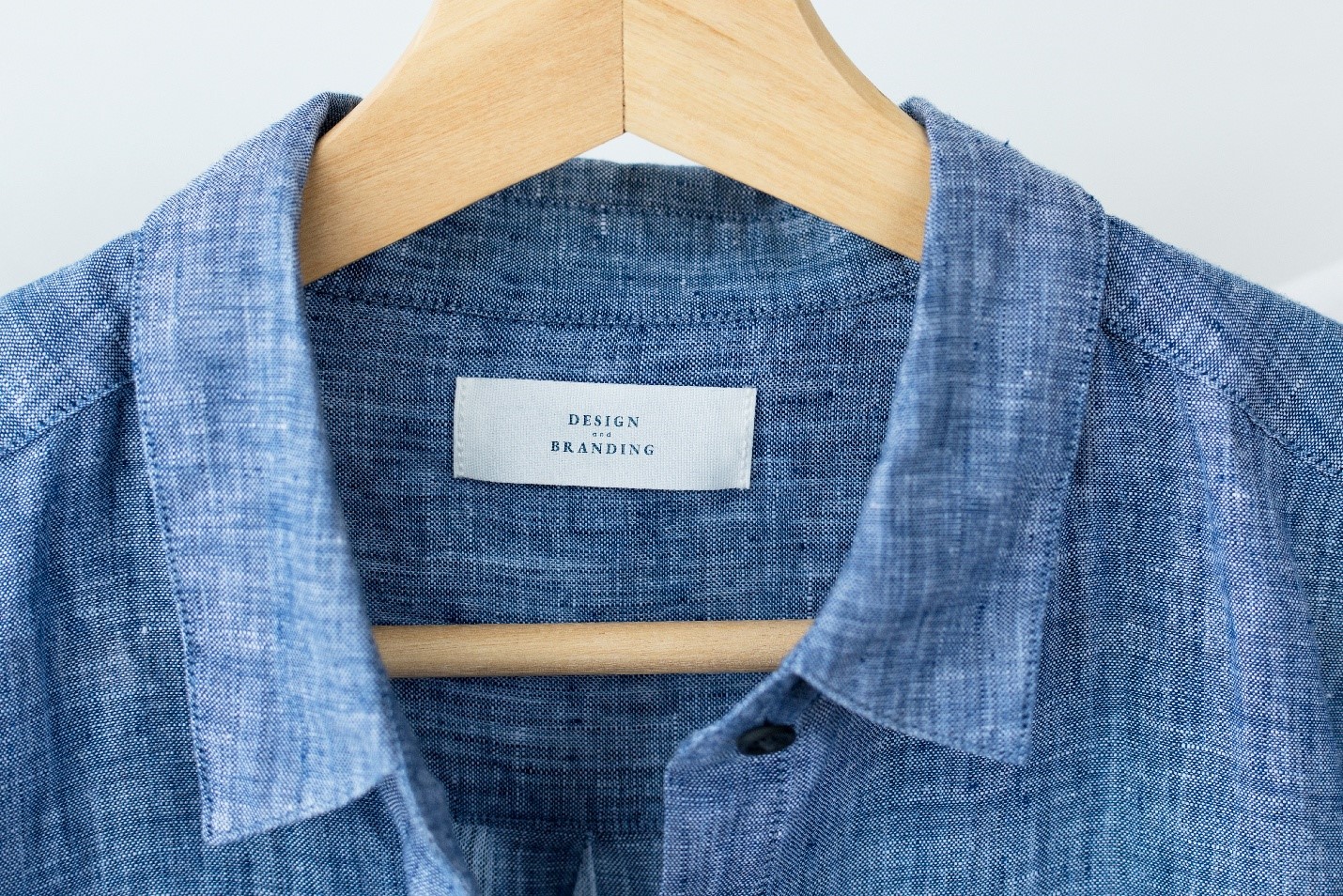
A shirt is still a shirt.
The real difference lies not only in its cost and perceived quality, but also in the meaning you attach to it. The value is not in the label—it is in how well it serves your needs, how long it lasts, and how confident you feel wearing it. Whether branded or unbranded, the true worth of a shirt comes from its utility, comfort, and alignment with your priorities, not from the price tag alone
2. The Value of Branded Products
- Often associated with perceived quality, durability, and reliability.
- Creates a sense of trust and assurance for the buyer.
- Offers recognition that can strengthen buyer confidence.
- May include added features or enhanced packaging that increase product appeal.
3. The Benefits of Unbranded Products
- Typically, more affordable and budget-friendly.
- Focus on function rather than image.
- Allow buyers to save money without sacrificing utility.
- Provide flexibility for those who prioritize cost over recognition.
- Can be practical for everyday use where branding is less important.
4. Key Differences Between Branded and Unbranded
- Price: branded items may often cost more, and unbranded items are usually cheaper.
- Recognition: branded items carry identity, and unbranded items remain neutral.
- Perception: branded items are seen as premium, unbranded items as practical.
- Availability: unbranded items may be more widely accessible.
- Value: This may depend on what the buyer prioritizes – image or function.
5. The Role of Quality in Our Buying Decisions
- Quality determines the product’s durability and customer satisfaction.
- Branded items may emphasize consistent standards in their product line.
- The quality of unbranded items can vary, but they may still meet basic needs.
- Buyers must evaluate materials, performance, and reliability.
- Quality should always be weighed against cost. That would be the right measure.
6. The Impact of Price on Your Choice
- Price is too often the deciding factor between buying branded and unbranded.
- Higher prices may reflect added features or recognition.
- Lower prices may provide affordability without having the unnecessary extras.
- Buyers must balance cost with long-term value.
- Price should be considered alongside quality, not in isolation.
7. Practical Tips for Evaluating Products
- Compare features, and not just the sticker price.
- Check durability and performance before deciding on which one.
- Consider long-term use versus short-term savings.
- Avoid being influenced solely by packaging or brand recognition.
- Focus on how well the product meets your actual needs.
- Calculate and know the per-use cost.
- Invest in quality and keep it for the long term, or choose the cheapest option and replace it sooner.
8. How to Balance Value and Cost
- Value is not always equal to price.
- Branded items may offer intangible benefits like trust.
- Unbranded items may provide practical savings.
- Having the right balance may depend on personal priorities and usage.
- Smart buyers may weigh both cost and utility before deciding.
9. The Psychology of Buying Branded vs. Unbranded
- Branded items may often appeal to our emotions and perceived identity.
- Unbranded items may appeal to logic and practicality.
- Buyers may feel more confident with branded purchases.
- Unbranded purchases may provide satisfaction through savings.
- Understanding the psychology of buying can help us make rational decisions.

Since when did we start branding water and paying a premium price to drink it?
10. Sustainability and Long-Term Impact of Branded vs. Unbranded Choices
- Buying decisions can affect not only cost and quality but also sustainability and long-term impact.
- Branded products may emphasize durability, which can reduce wastage over time.
- Unbranded products may encourage affordability but can lead to quicker replacement cycles, often ending in landfills.
- Sustainable choices may often balance quality, longevity, and environmental responsibility.
- Considering the long-term impact can help buyers align purchases with values beyond the immediate cost.
- Smart shopping means evaluating how each choice that we make contributes to waste reduction, resource use, and overall efficiency.
Conclusion: Making Smart Choices That Truly Matter
The decision between branded and unbranded is more than a label—it is about value, utilization, quality, and purpose. Branded products may offer recognition, trust, and consistency, while unbranded products provide affordability, practicality, and flexibility.

You get the point.
Smart buying means looking beyond the surface. It requires evaluating quality, balancing cost, and aligning purchases with your priorities. When you treat every buying decision as an investment, you can help unlock the true power of choice. Your focus should not rest solely on whether a product is branded or unbranded. What truly matters is whether it meets your needs, fits within your budget, and delivers genuine value. The smartest choice is always the one that aligns with your priorities and circumstances, rather than what society suggests your brand identity should be. Define your brand by being true to yourself, for you are the brand. Join the conversation! Drop your thoughts in the comments below, and let’s keep the discussion going. makemoneyunstoppable.comFrom Experience to insight : Transformational reads for the Strategic mind
Foundational readings for big shifts:
- How to Track Spending without Getting Overwhelmed
- The 7-Day Money Reset Plan: Take Back Control In Just One Week
- Are You Throwing Away $5,000 a Year on Food Waste Without Realizing It?
- The Real Cost of Owning a Big Home
- The Psychology of Spending: Why We Overspend and How to Stop It
- Mastering the Envelope Method
Author: Vaidya Selvan
Welcome to Make Money Unstoppable Personal Finance Made Simple, a blog born out of necessity, a space created from real-life experiences, hard-earned lessons, and a deep-seated desire to share what I wish someone had taught me or had known sooner.

Newsletter Invite
Want more real-world information on Money? Join my newsletter for practical tips, updates on my books, and strategies to help you build financial freedom on your terms.
Yes, the eBook is also free. Just drop in your email here to get instant access. ONE eBook per email.
The eBook is sent automatically and should arrive within minutes. Depending on your email provider, it may appear in your Spam or Promotions folder. While we don’t control its exact placement, you can be confident it has been dispatched and is waiting for you.
#FinancialFreedom #Newsletter #MoneyTips
Like this blog?
Related Blogs