

How to Live on What Remains from Your Salary: A Simple Guide to Smarter Money Habits
Introduction
The Power of Living on What Is Left
Learning how to live on what remains from your salary is one of the most important financial habits you can build. It is a simple idea, yet it can completely change how you manage your money. Instead of spending first and saving later, this approach helps you save first and live on the rest. It can help create structure, reduce stress, and give you more control over your financial life. It can also support long-term stability, even when income fluctuates or unexpected expenses arise.
Last Updated: January 21, 2026

Disclaimer: I am not a licensed financial advisor, financial planner, tax professional, attorney, or employment consultant. The information provided in this blog is intended solely for general informational and educational purposes. This content should not be interpreted or construed as professional advice on financial, legal, tax, employment, or career matters. Always consult with a qualified professional before making decisions that relates to your personal situation. For transparency, some articles may include AI-assisted content. The idea is my own. All material is reviewed, edited, and approved before publication to ensure clarity and accuracy.
Living on what is left is one of those deceptively simple ideas that becomes more powerful the longer you sit with it. It’s not just about money or time. It’s a philosophy of resilience, restraint, and intentionality that shapes how a person moves through the world.
The Core Idea: Strength Through Limits
Living on what is left means choosing to operate within boundaries: financial, emotional, or energetic, and discovering that those boundaries can actually make you stronger. When you stop relying on excess, you start relying on discipline, creativity, and clarity. That shift builds a kind of inner sturdiness that abundance alone never produces.

Why It’s So Powerful
- Resourcefulness grows when excess disappears: When you’re not cushioned by surplus, you learn to make smarter decisions, stretch your abilities, and innovate. This becomes the quiet engine behind self-discipline.
- You learn what truly matters: Living on what remains—after obligations and responsibilities—forces prioritization. This is where intentional living begins.
- It builds emotional resilience: Choosing limits teaches you to tolerate discomfort, delay gratification, and remain steady under pressure. That is the foundation of mental toughness.
- It creates long-term stability: Whether with money, time, or energy, consistently living on what remains—rather than what you wish you had—builds habits that protect against future shocks. This is the essence of sustainable growth.
Unlock your financial freedom.
Download this FREE eBook!.
How to make $100,000/month? Stop being average and think big.
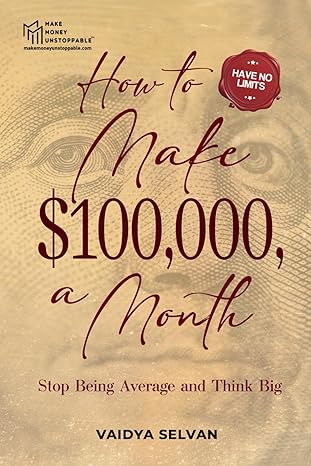
Stop Settling. Start Scaling.
Unlock the mindset, systems, and strategies top earners use to build unstoppable income.
Think Bigger. Earn Smarter.
This free eBook serves as your blueprint for scaling quickly, earning relentlessly, not settling for mediocrity, and living life on your terms.
Inside, you’ll discover:
- The Millionaire Mindset Blueprint
- Income streams that run on autopilot
- Entrepreneur hacks for focus and financial dominance
- One strategy to launch multiple income streams
- How to break free from “just enough”
- Tools to crush limiting beliefs and build your empire
Average doesn’t scale. Vision does. Download now and start your $100K/month transformation.
Yes, this eBook is free. Just drop in your email here to get instant access. ONE eBook per email.
The eBook is sent automatically and should arrive within minutes. Depending on your email provider, it may appear in your Spam or Promotions folder. While we don’t control its exact placement, you can be confident it has been dispatched and is waiting for you.
PLUS: Get Access to exclusive financial tips, learn everything about money and get early blog updates – delivered directly to your inbox .
A Deeper Interpretation
There’s also a philosophical layer to it. Living on what is left is an act of humility. It acknowledges that life is finite: finite time, finite attention, finite moments, and finite years. Instead of fighting that truth, you work with it. You help shape your life around what remains rather than what’s gone.
And in doing so, you’ll discover that “what is left” is often more than enough.

The goal is to help you understand how to manage your money in a clear, practical, and realistic way. You will learn how to plan, track, adjust, and maintain habits that support your financial well-being. These strategies are designed to work for anyone who wants to build better money habits.
A Complete Guide to Living on What Remains of Your Salary
Table of Contents
- Understanding the Meaning of Living on What Remains
- Why This Method Works
- How to Set Up a Simple Money Plan
- How to Track Your Spending
- How to Reduce Unnecessary Costs
- How to Build Strong Saving Habits
- How to Stay Consistent Over Time
- Common Mistakes to Avoid
- Conclusion: Building a Life of Financial Calm

1. Understanding the Meaning of Living on What Remains
Living on what remains from your salary means you save first and spend later. It is the opposite of spending freely and hoping something is left at the end of the month. This method helps you create a clear structure for your money.
Key ideas that may be put to use
- Save first, spend later: You decide how much to save before you decide how much to spend.
- Create a simple plan: You choose a finite amount to set aside each month.
- Live within limits: You adjust your lifestyle to match what is left after saving.
- Build long-term habits: You repeat the process every month to create stability.

2. Why This Method Works
This method works because it gives you structure and can reduce financial stress.
It helps you avoid overspending and encourages long-term planning.
Benefits may include
- Clear control over money: You know exactly where your money goes.
- Less financial pressure: You avoid the stress of running out of money.
- Better long-term stability: You build savings that help support future needs.
- Simple and easy to follow: The method does not require any complex tools.
- Supports financial discipline: You learn to make thoughtful spending choices.
3. How to Set Up a Simple Money Plan
A simple money plan helps you decide how much to save and how much to spend. It does not need to be complicated. Keep it simple and act on it.
Steps to take you there
- Choose a savings amount: Pick a percentage or fixed number that feels realistic.
- Set a spending limit: Use what remains for your monthly needs.
- Keep the plan flexible: Adjust the numbers when income changes.
- Review the plan monthly: Make sure it still fits your situation.
- Keep the plan easy to understand: Use simple language and clear numbers.

4. How to Track Your Spending
Tracking your spending helps you understand where your money goes.
It also helps you stay within your limits.
Tips to Grasp
- Write down all expenses: Keep a simple list of what you spend.
- Group expenses into categories: This helps you see patterns.
- Check your spending weekly: Small check-ins can prevent surprises.
- Compare your spending to your plan: Make sure you stay on track.
- Adjust categories when needed: Keep your system flexible and pivot as needed.
5. How to Reduce Unnecessary Costs
Reducing unnecessary costs helps you stretch what remains from your salary. Small changes can make a big difference.
Strategies for Action
- Identify non-essential spending: Look for items you can reduce or remove.
- Set limits for optional spending: Create a clear boundary for flexible costs.
- Choose simpler alternatives: Pick lower-cost options when possible.
- Review your spending habits often: Notice patterns that can be improved.
- Focus on your true needs before wants: Prioritize essential expenses.

6. How to Build Strong Saving Habits
Saving is easier when it becomes a habit, especially when it is set up to work automatically for you. Consistency is even more important than the amount you invest in your future.
Ways to Strengthen Your Habits
- Save the same day you get paid: This helps prevent accidental overspending.
- Keep savings separate: Reduces temptation to use it. If you do not see it, you are less likely to spend it.
- Increase your savings slowly: Add small increases over time.
- Celebrate progress: Watch how your savings grow over time.
- Stay patient: Good habits take time to build.
7. How to Stay Consistent Over Time
Consistency is the key to long-term success. Even small steps matter when repeated regularly.
Helpful Practices
- Review your plan monthly: Make sure it still fits your needs.
- Stay aware of your goals: Remind yourself why you are saving. Know your “why”.
- Avoid sudden spending changes: Keep your habits steady by being disciplined and frugal.
- Use simple reminders: Notes or alerts can help you stay on track.
- Stay flexible: Adjust your plan when life changes.
8. Common Mistakes to Avoid
Avoiding these common mistakes can help you stay on track and prevent financial stress.
Mistakes to Watch For- Spending before saving: This weakens your financial structure.
- Ignoring small expenses: Small costs add up quickly.
- Not reviewing your plan: Plans must be updated regularly.
- Setting unrealistic goals: Goals should be simple and achievable.
- Comparing your habits to others: Focus on your own progress. Stay in your lane.

Conclusion
Building a Life of Financial Calm
Living on what remains after you save is more than a financial technique; it is a mindset that reshapes your relationship with money. It invites you to slow down, breathe, and make choices from a place of intention rather than impulse. When you decide to save first and spend later, you shift from reacting to your finances to directing them with purpose. That shift alone can transform stress into stability and uncertainty into confidence.
This approach works because of its elegant simplicity. You don’t need complicated spreadsheets, advanced financial knowledge, or perfect discipline. You only need a willingness to be consistent and aware. Over time, these small, steady decisions can compound into powerful habits, habits that can protect you, empower you, and give you room to grow.
Living on what remains teaches you to prioritize what truly matters. It helps you build a cushion for the unexpected, create space for your long-term goals, and enjoy your present life without fear of the future. It turns money from a source of pressure into a tool that supports your values.
When you follow the principles in this blog, you’re not just managing your income, you’re building a life where your financial choices feel deliberate, your goals feel reachable, and your future feels secure. That is the real power of living on what remains: a small shift in behavior that can lead to lasting change, deeper peace, and a more confident way of moving through life.
Join the conversation! Drop your thoughts in the comments below, and let’s keep the discussion going.
makemoneyunstoppable.com
From Experience to insight : Transformational reads for the Strategic mind
Foundational readings for big shifts:
- How to Track Spending without Getting Overwhelmed
- The 7-Day Money Reset Plan: Take Back Control In Just One Week
- Are You Throwing Away $5,000 a Year on Food Waste Without Realizing It?
- The Real Cost of Owning a Big Home
- The Psychology of Spending: Why We Overspend and How to Stop It
- Mastering the Envelope Method

Author: Vaidya Selvan
Welcome to Make Money Unstoppable Personal Finance Made Simple, a blog born out of necessity, a space created from real-life experiences, hard-earned lessons, and a deep-seated desire to share what I wish someone had taught me or had known sooner.

Newsletter Invite
Want more real-world information on Money? Join my newsletter for practical tips, updates on my books, and strategies to help you build financial freedom on your terms.
Yes, the eBook is also free. Just drop in your email here to get instant access. ONE eBook per email.
The eBook is sent automatically and should arrive within minutes. Depending on your email provider, it may appear in your Spam or Promotions folder. While we don’t control its exact placement, you can be confident it has been dispatched and is waiting for you.
#FinancialFreedom #Newsletter #MoneyTips
Like this blog?
Related Blogs

9 Comments
linkvaob88, is just another way to get into b88, right? Useful if their main site’s being a pain in the you-know-what. Basically the same as the regular site, just a different entry point. linkvaob88
Yo, B888! Just checked it out. Pretty slick site, feels smooth. Easy to get around, you know? Definitely gonna be keeping an eye on b888 for some action!
PB338! Site looks smooth and modern. Think I’ll stick around for a while. Check pb338!
Been hearing a lot about Jili77register. Figured I’d give it a shot. Easy sign-up process! Let’s see what the games are like. Check it out: jili77register
Yo, who doesn’t love a good bonus? Gonna check out Jilibet and see what this Jilibet bonus thing is all about. Hopefully it’s decent! Check out: jilibet bonus
I’m looking for some extra perks! I heard that Jilibet is offering jilibet bonus to their players, it’s worth paying attention to! Check it out: jilibet bonus
Hey, 707betapp’s site is pretty slick! Easy to navigate, and I’ve been having some good luck there, fingers crossed it continues! Give it a whirl, maybe you’ll strike gold too. Check it out here 707betapp
Trying my hand at bet522bet today. The odds seem pretty good, and the site loads fast. Hopefully, I’ll walk away a winner. Check it out if you want bet522bet.
Feeling lucky tonight! Gonna try my hand at Las Vegas .ro. The games look good, and I’m hoping to win BIG! Check out Las Vegas .ro here las vegas .ro.