


Land Ownership for Investors: Pros, Cons, Risks, and Strategic Real Estate Insights
Land ownership has long stood as a foundational pillar of wealth creation and financial resilience. Across generations, it has symbolized permanence, control, and opportunity: qualities that continue to attract investors in today’s dynamic real estate landscape.
Last Updated: January 9, 2025

Disclaimer: I am not a licensed financial advisor, financial planner, tax professional, attorney, or employment consultant. The information provided in this blog is intended solely for general informational and educational purposes. It should not be interpreted or construed as professional advice regarding financial, legal, tax, employment, or career matters. Always consult with a qualified professional before making decisions related to your finances, investments, legal obligations, employment, or taxes.
For those seeking to diversify their investment portfolios, land may present a compelling mix of stability, capital appreciation, and strategic versatility. Whether held for development, passive income, or long-term value growth, land may offer unique advantages that distinguish it from other asset classes.
Yet, like any investment, land ownership is not without its complexities. From regulatory constraints and market volatility to liquidity challenges and infrastructure limitations, investors must navigate a range of risks to unlock their full potential.
This blog examines the key pros and cons of land ownership, outlines critical investment risks, and delivers actionable real estate strategies that may help investors make informed, confident decisions in their pursuit of sustainable returns by investing in land.
The Pros of Land Ownership
Exploring the Financial and Strategic Upside of Owning Land
- Tangible and Finite Asset
Land is a tangible, immovable asset with a naturally limited supply. Unlike stocks or digital assets, it cannot be manufactured, duplicated, or expanded, which may make its scarcity a key driver of long-term value. This inherent limitation enhances its appeal as a stable, strategic component within a diversified investment portfolio.

Why Commit to a 7-Day Money Reset Plan?
- Potential for Long-Term Appreciation
Historically, land has demonstrated steady appreciation, particularly in regions undergoing population growth, infrastructure expansion, or economic development. Investors who hold land over extended periods may often realize substantial capital gains, benefiting from the natural increase in demand and limited supply that drives long-term value.
- Low Maintenance Requirements
Unlike developed properties, raw land may generally demand minimal upkeep. With no structures to maintain, tenants to oversee, or utilities to manage, it can offer a low-effort ownership experience. This simplicity makes land especially attractive to passive investors seeking hands-off asset management with long-term potential.
- Flexible Usage Options
Depending on zoning regulations and geographic location, land may offer versatile usage options, including residential, commercial, agricultural, recreational, and industrial applications. This adaptability may enable investors to tailor their strategies in response to evolving market conditions and shifts in regulatory frameworks, enhancing both utility and long-term investment potential.
Unlock your financial freedom.
Download this FREE eBook!.
How to make $100,000/month? Stop being average and think big.

Stop Settling. Start Scaling.
Unlock the mindset, systems, and strategies top earners use to build unstoppable income.
Think Bigger. Earn Smarter.
This free eBook serves as your blueprint for scaling quickly, earning relentlessly, not settling for mediocrity, and living life on your terms.
Inside, you’ll discover:
- The Millionaire Mindset Blueprint
- Income streams that run on autopilot
- Entrepreneur hacks for focus and financial dominance
- One strategy to launch multiple income streams
- How to break free from “just enough”
- Tools to crush limiting beliefs and build your empire
Average doesn’t scale. Vision does. Download now and start your $100K/month transformation.
Yes, this eBook is free. Just drop in your email here to get instant access. ONE eBook per email.
The eBook is sent automatically and should arrive within minutes. Depending on your email provider, it may appear in your Spam or Promotions folder. While we don’t control its exact placement, you can be confident it has been dispatched and is waiting for you.
PLUS: Get Access to exclusive financial tips, learn everything about money and get early blog updates – delivered directly to your inbox .

- Leasing Opportunities
Land can serve as a reliable source of passive income through various leasing arrangements. Depending on location and zoning, it may be leased for agricultural use, billboard advertising, telecommunications towers, parking facilities, or renewable energy projects. These income-generating opportunities may offer long-term, consistent cash flow while allowing investors to retain ownership and benefit from future appreciation.
- Inflation Hedge
Land ownership functions as a natural buffer against inflation. As the cost of living increases, the value of tangible assets like land may typically rise in tandem. This upward trajectory may help safeguard the purchasing power and reinforce long-term financial stability, making land a strategic component in inflation-resistant investment portfolios.
- Estate Planning and Legacy Building

Land is a resilient, long-lasting asset that can be preserved across generations. It may play a pivotal role in estate planning by enabling wealth transfer and legacy creation. For investors focused on long-term financial security, land may offer a reliable means of building and sustaining intergenerational prosperity.
The Cons of Land Ownership
Key Risks and Challenges of Land Ownership
- High Upfront Costs
Acquiring land may often demand a significant initial financial commitment. Beyond the purchase price, investors must account for closing costs, legal fees, land surveys, and potential development expenditures. Additionally, financing options for raw land are typically more restrictive than those available for developed properties, which can limit accessibility for some buyers.
- Lack of Immediate Cash Flow
Unlike income-generating rental properties, undeveloped land generally does not produce revenue unless it is leased or improved. This absence of immediate cash flow means investors may need to wait several years before realizing any financial return, making land a less suitable option for short-term income strategies.

- Zoning and Regulatory Restrictions
Land use is governed by zoning laws and regulatory frameworks that may restrict development or dictate specific usage types. Rezoning efforts can be complex, time-consuming, and uncertain, often requiring approval from local authorities and adherence to environmental or community standards. These limitations can affect the feasibility and profitability of investment plans.
- Limited Liquidity
Land is inherently illiquid. Selling a parcel can take considerable time, particularly in rural or low-demand areas. This lack of liquidity poses challenges for investors who may need to access capital quickly, as land cannot be easily converted into cash without a buyer and proper legal processing.
- Market Volatility and Location Risk
Land values are often shaped by broader economic forces, including interest rate movements, regional development patterns, and overall market conditions. Investing in poorly positioned or stagnant areas, or during economic downturns, can lead to limited appreciation or even depreciation. To mitigate location-related risks, investors may need to conduct thorough market analysis, evaluating demographic trends, infrastructure plans, and long-term growth potential before committing capital.

- Infrastructure and Accessibility Issues
Some land parcels may lack critical infrastructure such as roads, water supply, electricity, or sewage systems. The absence of these utilities can significantly hinder development and reduce land value. Installing or connecting to infrastructure may often involve substantial costs and coordination with local agencies, potentially impacting the overall investment viability.
- Ongoing Holding Costs
Even when land is not actively used, owners may remain responsible for recurring expenses. These may include property taxes, insurance premiums, and basic maintenance. Over time, these holding costs can accumulate and erode profitability, especially if the land does not generate offsetting income.
Strategic Insights for Successful Land Investment
- Conduct Thorough Due Diligence
Before acquiring land, investors may need to engage in comprehensive due diligence to minimize risk and ensure informed decision-making. This process may include verifying property titles, reviewing zoning regulations, assessing environmental conditions, and evaluating access to essential infrastructure such as roads, water, and electricity.
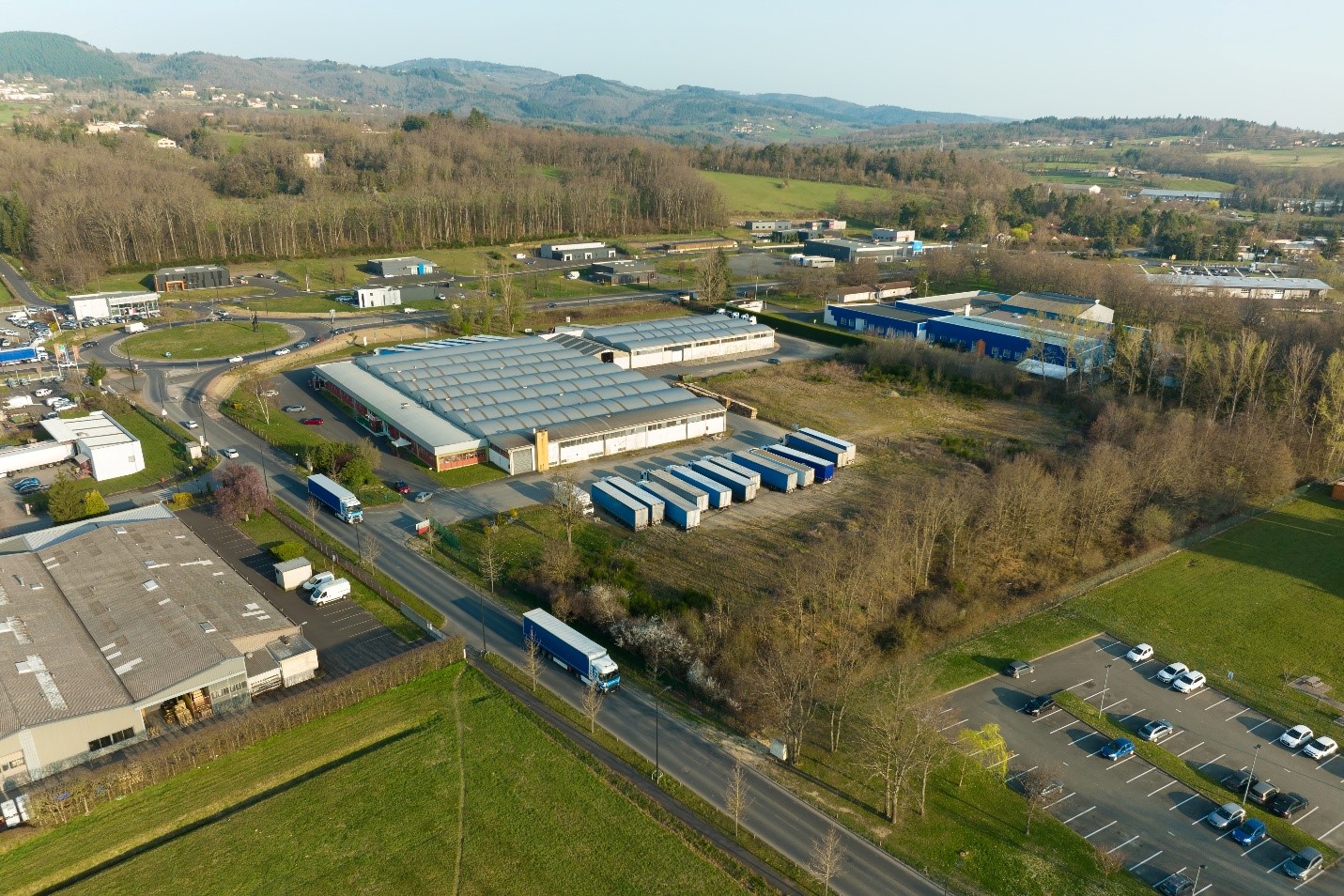
A professional land survey and legal consultation may be critical to uncovering potential liabilities and confirming the land’s suitability for intended use. Engaging qualified professionals in the field may be essential to help navigate complex legal, regulatory, and development aspects of land investment.
- Understand Zoning and Land Use Laws
Zoning laws may determine permissible uses for a parcel of land, whether residential, commercial, agricultural, or industrial. Investors must familiarize themselves with local ordinances and land-use plans to ensure that their investment goals align with legal constraints. While rezoning may unlock new opportunities, it may often involve a complex and time-consuming approval process that requires strategic planning and community engagement.
- Evaluate Location and Growth Potential
Location remains one of the most influential factors in land valuation and potential future returns. Properties situated near expanding urban centers, transportation corridors, or planned infrastructure projects may tend to appreciate more rapidly. Investors may need to analyze demographic trends, regional development plans, and economic indicators to identify areas with strong growth potential and long-term viability.

- Plan for the Long Term
Land investment is inherently a long-term strategy. Unlike liquid assets, land may take years to appreciate or become income-generating. Investors should be prepared for extended holding periods and develop a clear exit strategy, whether through resale, development, or leasing, to maximize returns and align with broader financial goals.
- Diversify Land Holdings
Diversification may be a key risk management strategy in land investment. By acquiring properties across different regions or for varied uses, such as agricultural, residential, or commercial, investors can reduce exposure to localized market downturns and regulatory shifts. A well-balanced land portfolio can enhance resilience and provide multiple avenues for growth.

- Explore Passive Income Opportunities
Even if immediate development isn’t feasible, land can still generate revenue through passive income streams. Leasing land for farming, storage, billboards, or renewable energy installations like solar farms can allow investors to monetize their asset while preserving long-term ownership. These arrangements can help provide a steady cash flow with minimal operational involvement.
- Monitor Market and Policy Changes
Real estate markets are inherently dynamic, shaped by shifting economic cycles, interest rate trends, and evolving government policies. To navigate this ever-changing landscape, investors must stay attuned to both local and national developments.
Doing so may enable them to refine their strategies, anticipate regulatory shifts, and capitalize on emerging opportunities. Consistent market analysis may be crucial for maintaining a competitive edge and safeguarding the long-term value of land investments.
Final Thoughts: Why Land Investment May Be a Strategic Move for Long-Term Wealth
In an era of market volatility and digital disruption, land investment may stand out as a timeless strategy for building enduring wealth. Its unique combination of scarcity, stability, and versatility can make it a powerful tool for investors aiming to diversify their real estate portfolios, hedge against inflation, and create generational value.

While challenges like zoning restrictions, limited liquidity, and upfront costs may require careful planning, the rewards in capital appreciation, passive income potential, and legacy-building opportunities may be well worth the effort.
By embracing a proactive approach that may include due diligence, location analysis, and long-term strategy, investors can unlock the full potential of land ownership. Whether you’re a seasoned real estate investor or exploring alternative assets for the first time, investing in land may offer a compelling pathway to financial freedom, portfolio resilience, and sustainable growth.
Land investment, while promising, comes with no guarantees. The real estate landscape is filled with moving parts, from zoning laws and infrastructure challenges to market fluctuations and regulatory shifts. Success may depend on timing, location, and strategic execution, all of which can change unexpectedly.
Investors must approach land ownership with caution, flexibility, and a clear understanding that outcomes are never certain.
Join the conversation! Drop your thoughts in the comments below, and let’s keep the discussion going.
From Experience to insight : Transformational reads for the Strategic mind
Foundational readings for big shifts:
- How to Track Spending without Getting Overwhelmed
- The 7-Day Money Reset Plan: Take Back Control In Just One Week
- Are You Throwing Away $5,000 a Year on Food Waste Without Realizing It?
- The Real Cost of Owning a Big Home
- The Psychology of Spending: Why We Overspend and How to Stop It
- Mastering the Envelope Method

Author: Vaidya Selvan
Welcome to Make Money Unstoppable Personal Finance Made Simple, a blog born out of necessity, a space created from real-life experiences, hard-earned lessons, and a deep-seated desire to share what I wish someone had taught me or had known sooner.

Newsletter Invite
Want more real-world information on Money? Join my newsletter for practical tips, updates on my books, and strategies to help you build financial freedom on your terms.
Yes, the eBook is also free. Just drop in your email here to get instant access. ONE eBook per email.
The eBook is sent automatically and should arrive within minutes. Depending on your email provider, it may appear in your Spam or Promotions folder. While we don’t control its exact placement, you can be confident it has been dispatched and is waiting for you.
#FinancialFreedom #Newsletter #MoneyTips
Like this blog?
Related Blogs


1 Comments
9rnjay