


Master Home Cooking: Save Money, Eat Better, Live Smarter
Introduction: The Power of Cooking at Home
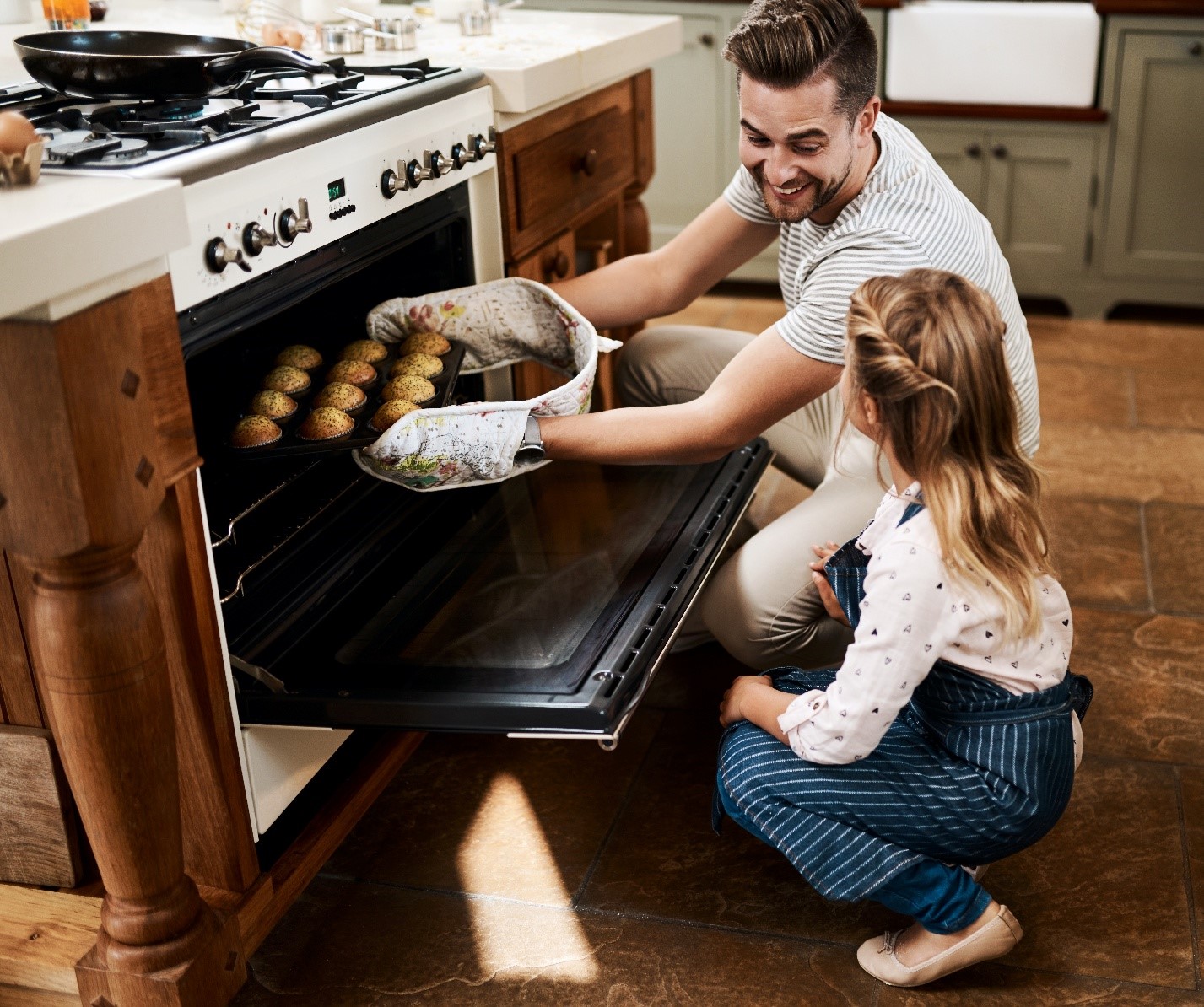
Cooking at home is more than just preparing meals. It’s a lifestyle choice that can help transform your health, finances, and daily routine. In a world where convenience often comes with a high price tag, learning to cook at home empowers you to take control of your budget and your well-being. By embracing simple but practical cooking skills, you can enjoy delicious meals, save significant money, and create a healthier environment for yourself and your family.
Last Updated: February 14, 2026
Disclaimer: I am not a licensed financial advisor, financial planner, tax professional, attorney, or employment consultant. The information provided in this blog is intended solely for general informational and educational purposes. This content should not be interpreted or construed as professional advice on financial, legal, tax, employment, or career matters. Always consult a qualified professional before making decisions that affect your personal situation. For transparency, some articles may include AI-assisted content. The idea is original and developed independently. All material is reviewed, edited, and approved before publication to ensure clarity and accuracy.
Back then, families hardly ate out. They cooked at home. Neighbors shared recipes and dishes freely, and as kids, we could walk into their homes without hesitation—always greeted with meals or snacks. There were no formalities, no appointments to schedule. You simply showed up and had a great time. Books were borrowed, recipes exchanged, and food enjoyed together, all without ceremony. It was a childhood filled with warmth and community.
We created our own games and entertainment. Other than clothes for school and books to read, we hardly bought anything. No food trucks were waiting at the school gates. Meals were lovingly prepared by our mothers, packed into aluminum containers, and carried with us. Eating out was rare and usually limited to visits with relatives or family friends. Vacations were few and far between, maybe once in fifteen years. We truly lived on authentic, homemade, healthy food.
your bedside. You don’t even need to get out of bed—just feed yourself. The next step might be machines that chew and feed us while we scroll through social media. Who knows what technology will bring, all in the name of “advancement.”
Yet, despite this abundance, half the world’s population still goes to bed hungry. Many die of starvation and disease, while vast amounts of food are wasted. The irony is stark. Perfectly edible fruits and vegetables are discarded simply because they look misshapen or have a small blemish. Instead of sharing food with those who could use it to see another day, we throw it away.
Moreover, we have developed a habit of eating out every weekend—not because we truly need to, but simply because we want to. Often, we cannot afford it, yet we spend freely on credit. It is no surprise, then, that eateries line every corner of our towns and cities. And this trend is not confined to one country; it has spread across the globe.
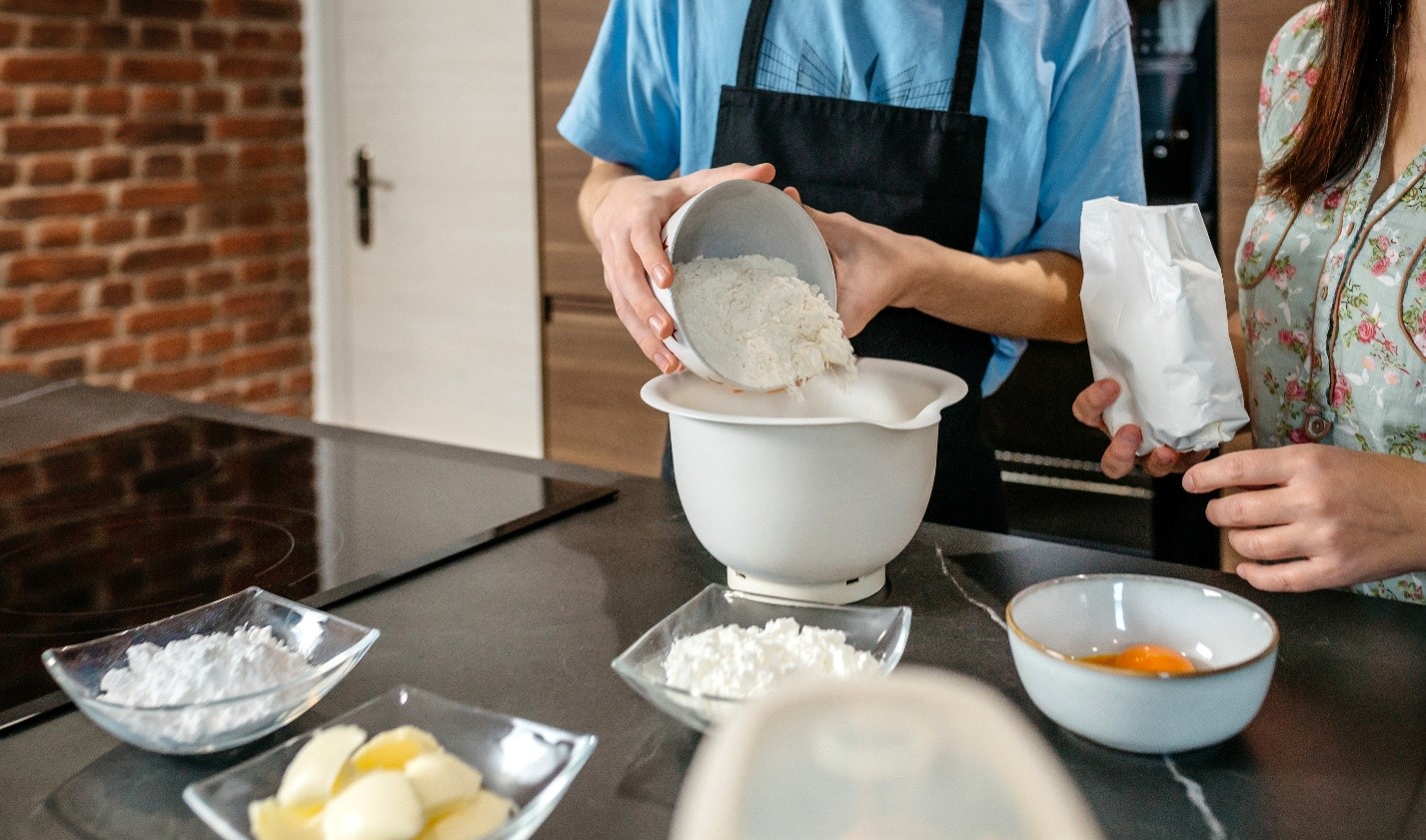
This blog will guide you step by step through the benefits of home cooking, practical strategies to make it easier, and tips to maximize savings while enjoying nourishing meals. Whether you’re new to cooking or looking to refine your skills, this resource is designed to be accessible and easy to read.

Your Ultimate Guide to Cooking at Home and Saving Money
Table of Contents
- Why Cooking at Home Matters
- Financial Benefits of Home Cooking
- Health Advantages of Preparing Your Own Meals
- Essential Kitchen Skills for Beginners
- Smart Grocery Shopping Strategies
- Meal Planning and Portion Control
- Cooking Techniques That Save Time and Money
- Reducing Food Waste Through Smart Practices
- Creating a Sustainable Cooking Routine
- Building Confidence Through Cooking Practice
- Conclusion: Cooking at Home—Your Path to Savings and Wellness
Unlock your financial freedom.
Download this FREE eBook!.
How to make $100,000/month? Stop being average and think big.
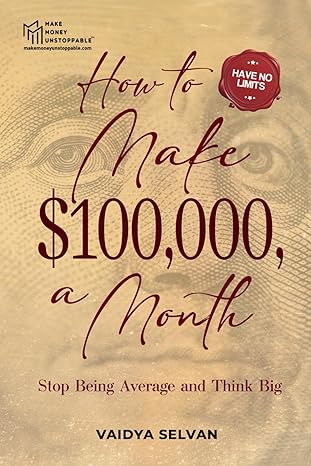
Stop Settling. Start Scaling.
Unlock the mindset, systems, and strategies top earners use to build unstoppable income.
Think Bigger. Earn Smarter.
This free eBook serves as your blueprint for scaling quickly, earning relentlessly, not settling for mediocrity, and living life on your terms.
Inside, you’ll discover:
- The Millionaire Mindset Blueprint
- Income streams that run on autopilot
- Entrepreneur hacks for focus and financial dominance
- One strategy to launch multiple income streams
- How to break free from “just enough”
- Tools to crush limiting beliefs and build your empire
Average doesn’t scale. Vision does. Download now and start your $100K/month transformation.
Yes, this eBook is free. Just drop in your email here to get instant access. ONE eBook per email.
The eBook is sent automatically and should arrive within minutes. Depending on your email provider, it may appear in your Spam or Promotions folder. While we don’t control its exact placement, you can be confident it has been dispatched and is waiting for you.
PLUS: Get Access to exclusive financial tips, learn everything about money and get early blog updates – delivered directly to your inbox .
- Why Cooking at Home Matters
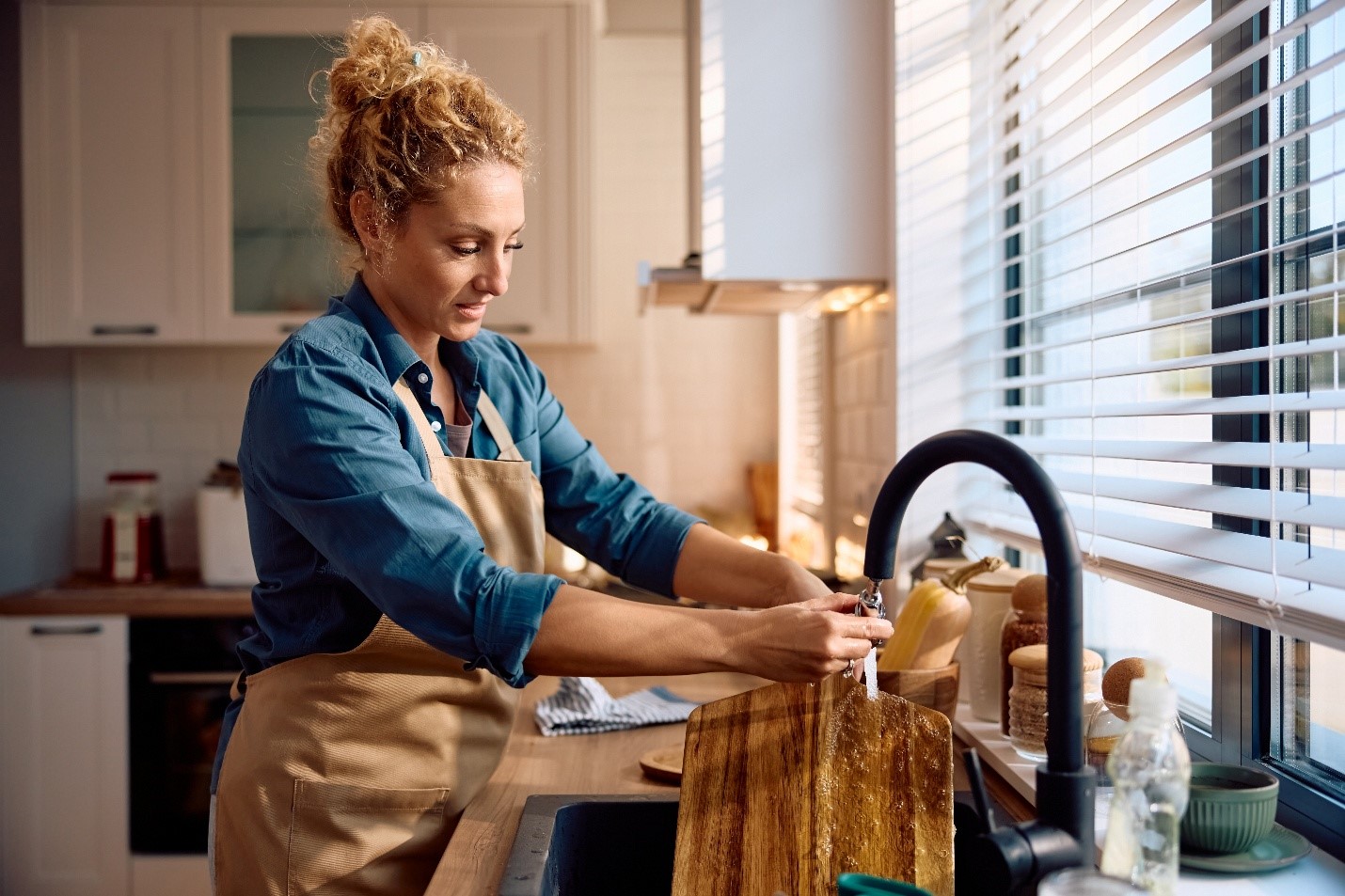
Cooking at home is not just about saving money. It’s about creating a lifestyle that prioritizes health, independence, and mindfulness. When you prepare meals yourself, you gain control over what goes into your food and how it fits into your daily life.
Cooking at home may have a few advantages. Here are a few:
- Builds independence and self-reliance
- Encourages healthier eating habits
- Reduces reliance on costly convenience and junk foods
- Creates a sense of accomplishment and pride
- Promotes mindful living and making intentional choices
- Saves the mental fatigue in searching for places to eat, time spent traveling, and waiting for the food to arrive
- And not to be shocked at the bill when it arrives
- Not having to pay for eating out on credit
- Financial Benefits of Home Cooking
The financial impact of cooking at home may be one of its most compelling advantages. By preparing meals yourself, you can avoid the hidden costs of dining out and gain control over your spending.
- Lower food costs: Preparing meals at home is significantly cheaper than dining out.
- Budget control: You decide how much to spend and can adjust based on your financial goals.
- Bulk savings: Buying ingredients in larger quantities can reduce per-unit costs.
- Long-term savings: Consistent home cooking may lead to noticeable reductions in monthly expenses.
- Avoid hidden fees: Skip delivery charges, service fees, and tips associated with eating out.
- Health Advantages of Preparing Your Own Meals
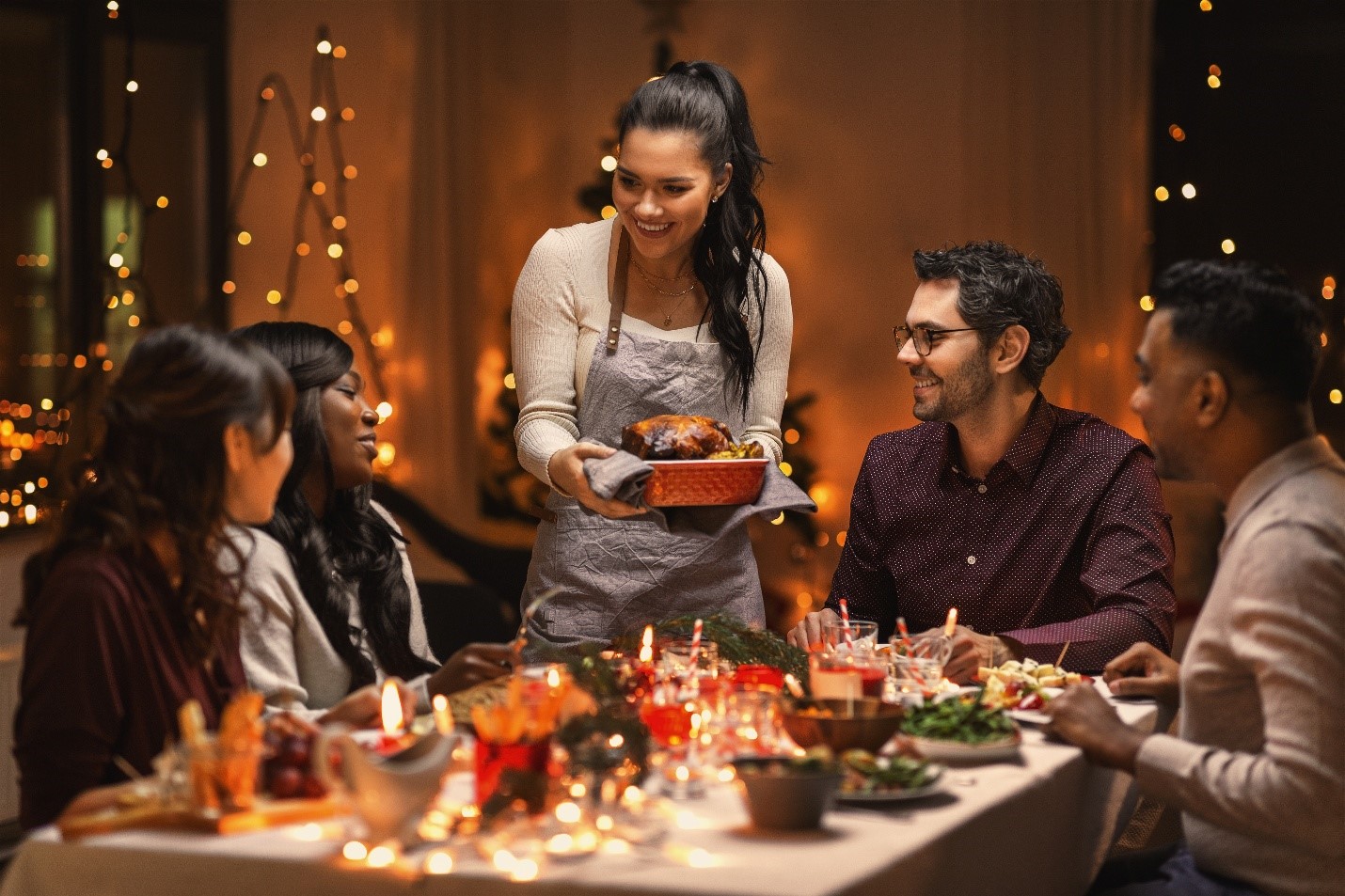
Cooking at home allows you to prioritize nutrition and make choices that support your health. You know your body better than anyone else on this planet. So, you will make every effort to feed it right, with nutritious, healthy, and nourishing foods. You can also avoid excess additives and create balanced meals that fit your lifestyle.
- Nutritional control: You decide the ingredients, portion sizes, and cooking methods.
- Reduced additives: Home cooking avoids excess preservatives, sodium, and unhealthy fats.
- Balanced meals: Easier to include vegetables, whole grains, and lean proteins.
- Improved portion awareness: Helps prevent overeating and supports weight management.
- Supports dietary needs: Adapt meals to specific health requirements and adjust them according to your preferences.
- Essential Kitchen Skills for Beginners
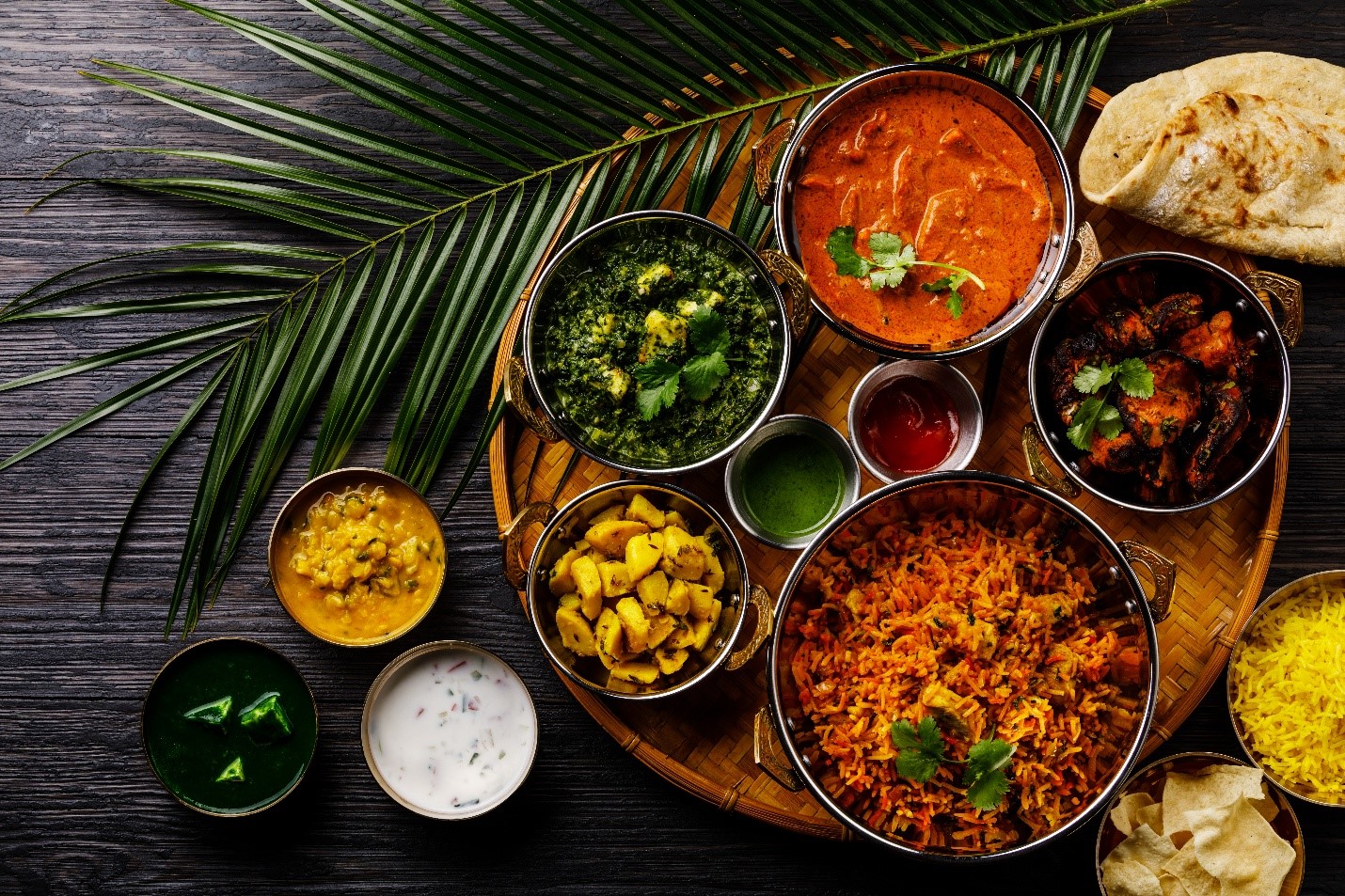
Starting with the basics makes cooking less intimidating and more enjoyable. Start small and scale up. Start with simple and easy-to-do, time-saving recipes. Then take it from there. Developing simple kitchen skills can help build confidence and efficiency. We will need to start somewhere and at some point. So, why not now?
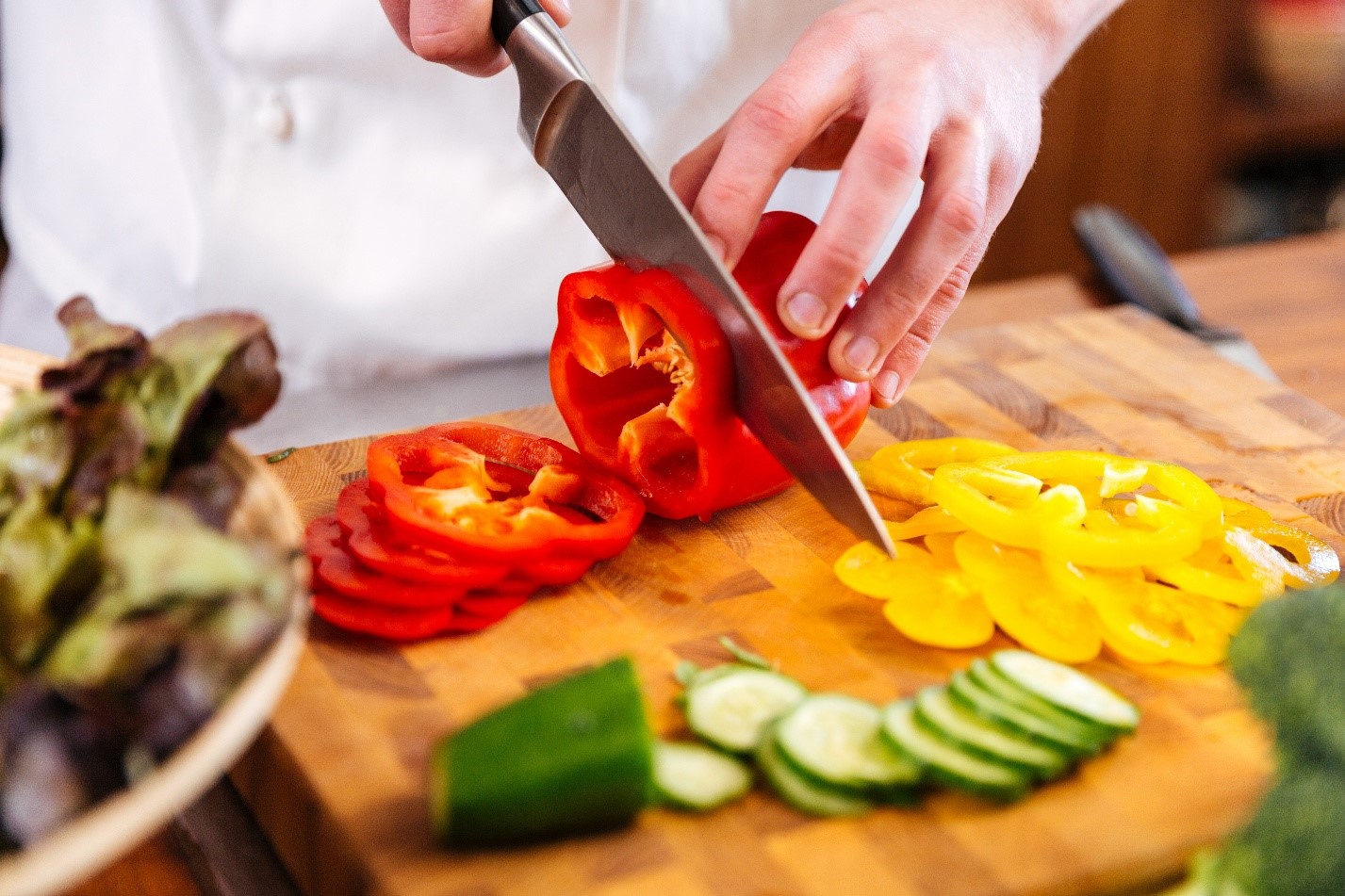
- Knife skills: Learn safe cutting techniques for efficiency.
- Basic cooking methods: Boiling, steaming, baking, roasting, and sautéing.
- Seasoning basics: Understanding herbs, spices, and flavor balance.
- Food safety: Proper storage, handling, and cooking temperatures.
- Organization: Keeping a clean, accessible kitchen space.
- Smart Grocery Shopping Strategies
Shopping wisely is key to saving money and reducing waste. With a clear plan, you can make healthier choices and stretch your budget further.
- Make a list: Plan all your purchases to avoid impulse buys. This may also help prevent duplication.
- Compare prices: Choose affordable options without sacrificing quality.
- Buy seasonal produce: Fresh, cost-effective, and nutrient-rich.
- Use store brands: Often cheaper with similar quality to branded items.
- Avoid waste: Purchase only what you can realistically use.
- Meal Planning and Portion Control
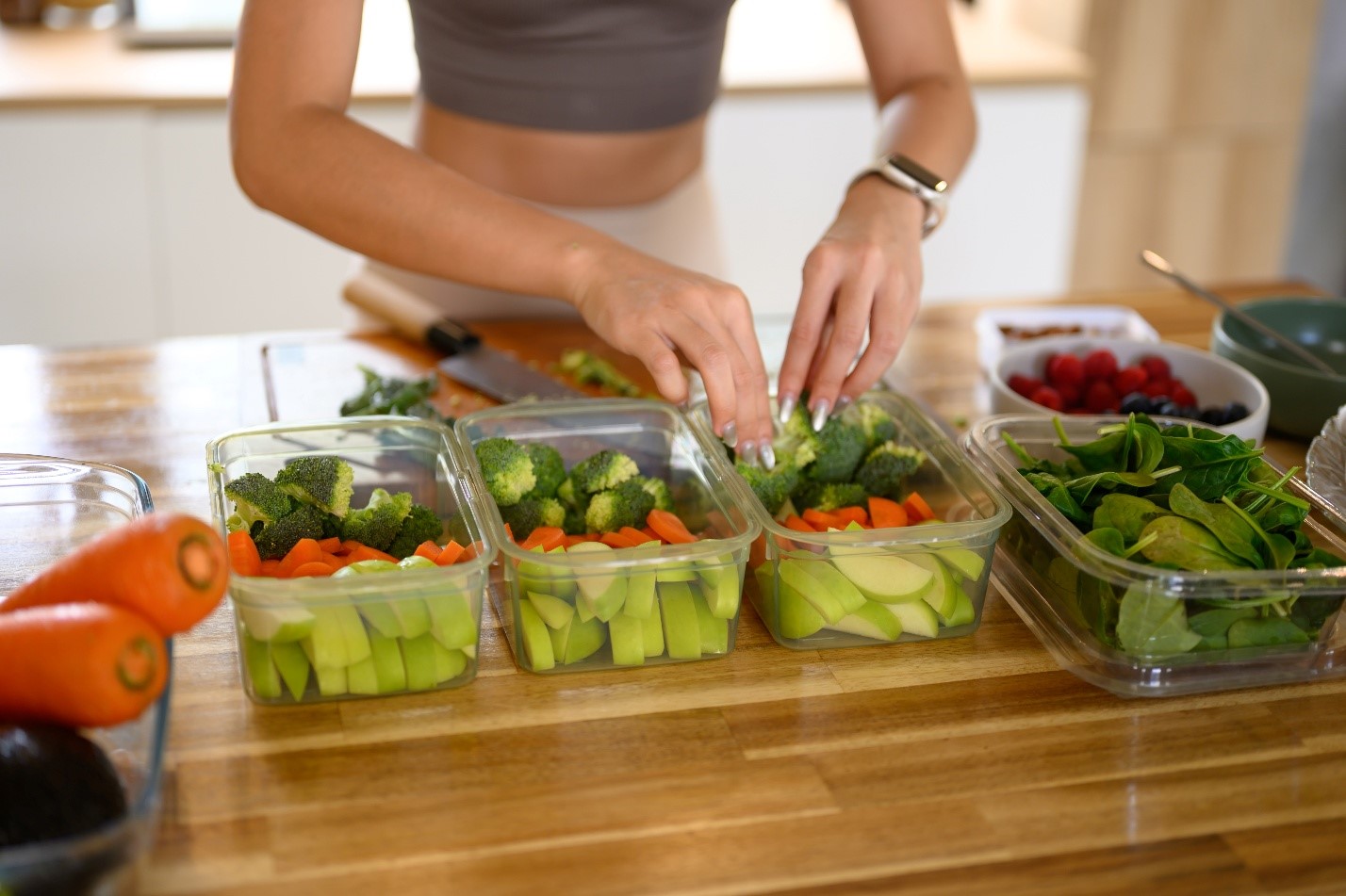
Meal planning helps you stay organized, save time, and reduce stress. Portion control can ensure you get the right balance of nutrients while avoiding waste.
- Weekly planning: Organize meals to reduce stress and save time.
- Batch cooking: Prepare larger portions to use throughout the week.
- Portion awareness: Prevent overeating and stretch ingredients even further.
- Balanced plates: Include proteins, vegetables, and grains for complete nutrition.
- Flexible menus: Adapt meals based on available ingredients and create a dish with what you already have in your pantry.
- Cooking Techniques That Can Save Time and Money
Efficient cooking methods can allow you to prepare meals quickly without sacrificing quality. These techniques may also help reduce utility costs and food waste.
- One-pot meals: Reduce cleanup and maximize efficiency by keeping every surface clean and sparkling.
- Simple recipes: Focus on easy-to-follow methods. Keep it simple.
- Energy-efficient cooking: Use appliances wisely to lower utility costs.
- Quick prep strategies: Chop and store ingredients ahead of time by preparing ahead of time.
- Minimal cooking waste: Repurpose leftovers creatively.
- Reducing Food Waste Through Smart Practices
Food waste is both costly and avoidable. By adopting mindful practices, you can extend the life of your ingredients and reduce unnecessary expenses by purchasing only what you need.
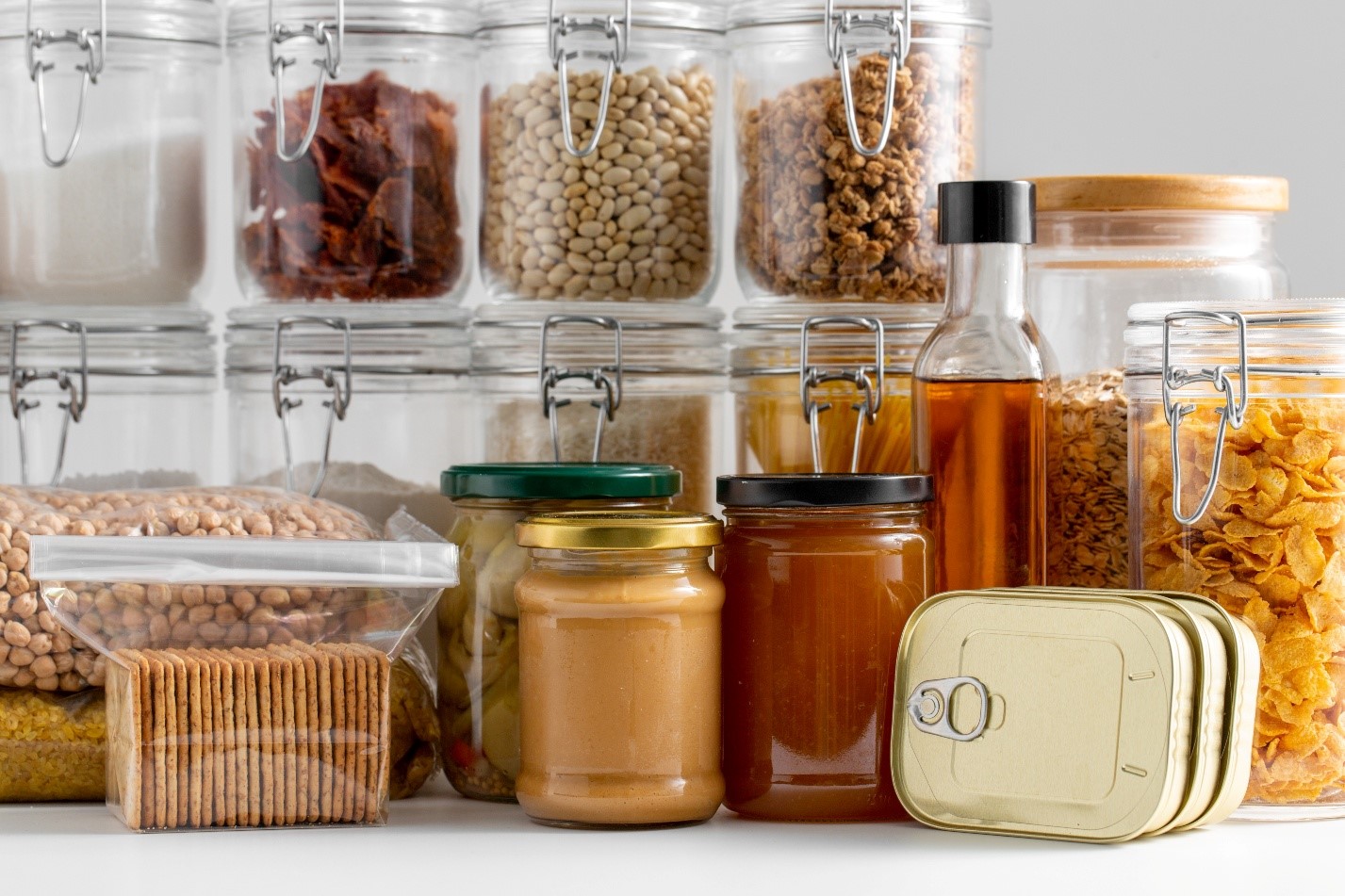
- Proper storage: Keep food fresh longer with airtight containers.
- Labeling: Track expiration dates to avoid spoilage.
- Creative use of scraps: Turn vegetable peels or stems into broths.
- Freeze extras: Preserve unused portions for later.
- Mindful cooking: Prepare only what you need.
- Creating a Sustainable Cooking Routine
Consistency is the foundation of attaining long-term success. A sustainable routine can make cooking at home easier and more enjoyable.
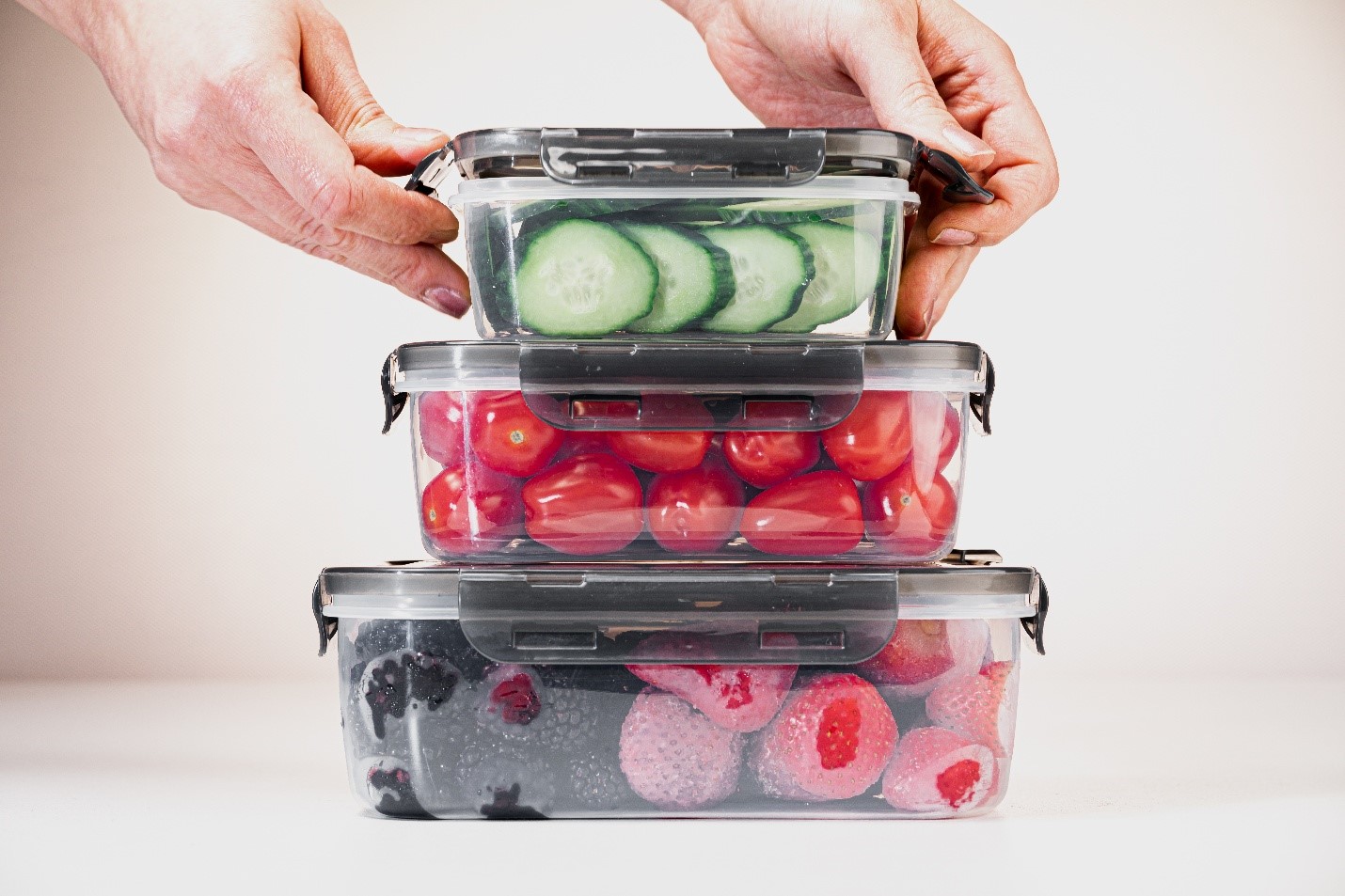
- Consistency: Build habits that can make cooking second nature.
- Time management: Schedule cooking sessions by accommodating them into your daily routine.
- Mindful eating: Appreciate the effort that has gone into each meal and focus on appreciating and valuing that meal.
- Eco-friendly practices: Minimize packaging waste and conserve energy by choosing reusable items over disposables. opt for durable plates, mugs, cups, bowls, and cutlery instead of paper or plastic alternatives. Investing in high-quality pieces ensures they last for years, reducing both waste and long-term costs. They also reduce the cost per use.
- Long-term mindset: Approach cooking and lifestyle changes with patience and consistency. Focus on steady, incremental improvements that foster lasting habits, rather than relying on quick fixes, to achieve sustainable results over time.
- Building Confidence Through Cooking Practice
Confidence grows with practice, and cooking is no exception. The more you cook, the more skilled and comfortable you become in the kitchen. In due course, you will also be creative and signature your own dishes.
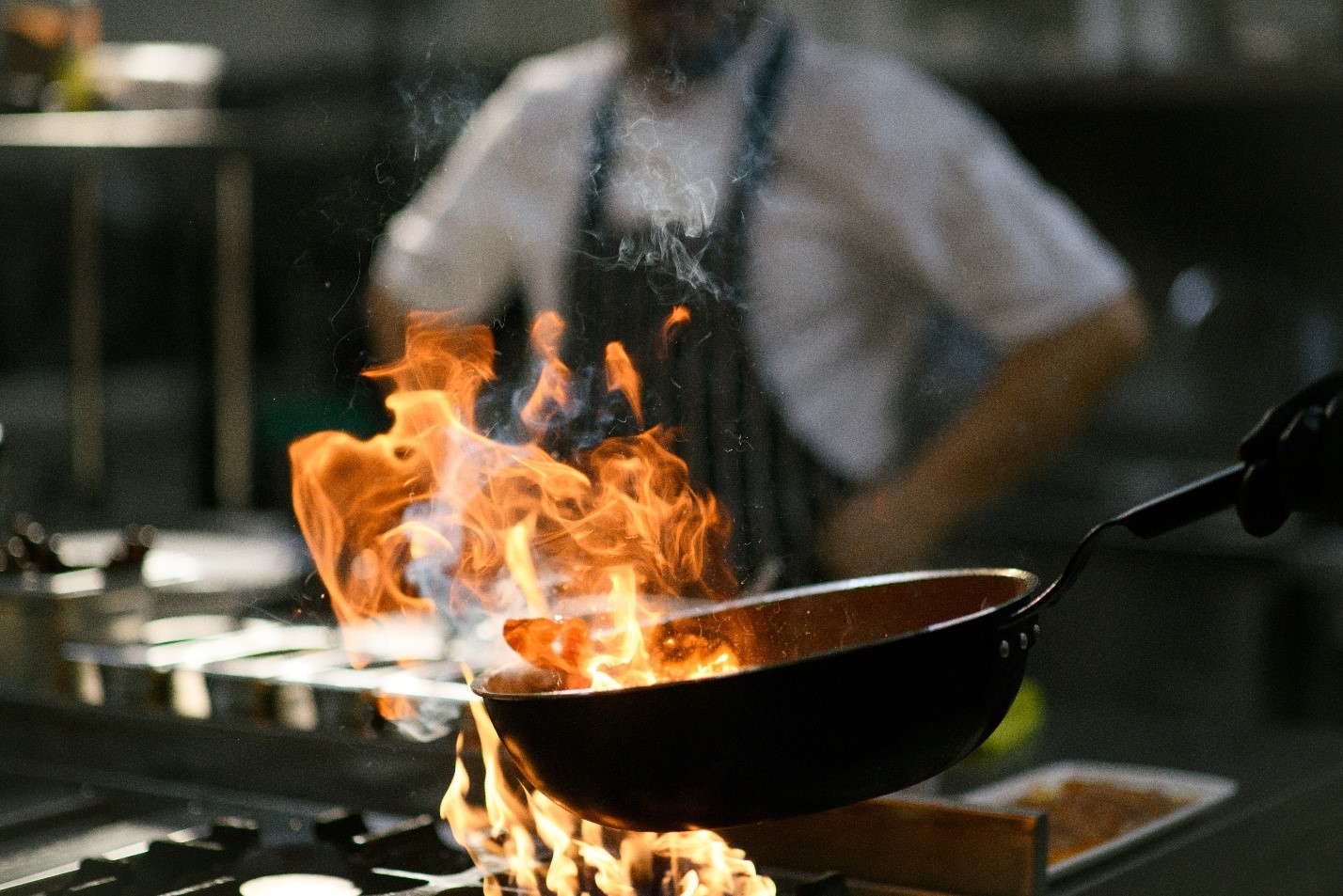
- Skill growth: Each meal you prepare helps build your confidence in the kitchen.
- Creativity boost: Experimenting with flavors and techniques can encourage innovation.
- Stress relief: Cooking can be a calming, therapeutic, and mindful activity that can help reduce daily tension.
- Sense of achievement: Completing a meal from start to finish can fill you with satisfaction and pride.
- Motivation to continue: Confidence can make you more likely to cook regularly, further reinforcing savings and health benefits.
Conclusion
Cooking at Home: Your Path to Savings and Wellness
Why Cooking at Home Matters
Cooking at home is more than preparing meals; it’s a lifestyle choice that can:
- Save money by reducing reliance on restaurants and takeout.
- Improve health through control over our ingredients and portion sizes.
- Build confidence as you master new skills and techniques.
- Support sustainability by reducing food waste and packaging.
- Help you have a deep respect for food, how it is handled, and how its wide varieties are created.
- You may be able to eat with your hands, and awaken your senses by smelling it, touching it, feeling it, and hearing it sizzle.
Getting Started: Small Steps, Big Impact
The journey doesn’t require perfection. All you have to do is start. Begin by making manageable changes:
- Learn basic techniques: chopping, boiling, roasting, and seasoning.
- Plan simple meals: write down 2–3 dishes you enjoy each week.
- Shop smart: create a grocery list, compare prices, and buy fresh seasonal produce.
- Cook intentionally: prepare meals that align with your health, taste, and budget goals.
Long-Term Benefits
Over time, these small habits can grow into lasting rewards:
- Financial savings: consistent home cooking can reduce food costs.
- Improved health: balanced meals can help support your energy, digestion, and overall wellness.
- Independence: confidence in the kitchen can help foster self-reliance.
- Sustainability: Mindful cooking can help reduce waste and support eco-friendly living.
Accessibility Tips for All Cooks
Cooking at home should be inclusive and enjoyable for everyone:
- Use large-print recipes or digital formats with adjustable text size.
- Ensure high-contrast labels on storage containers for easy identification.
- Organize kitchens with clear pathways for mobility aids.
- Choose such as ergonomic knives, easy-grip utensils.
- Break tasks into step-by-step instructions for clarity.
Final Thought
Cooking at home goes beyond the plate, and it’s about shaping a better life, one meal at a time. With patience, thoughtful planning, and a focus on accessibility, anyone can unlock the rewards of savings, wellness, confidence, and empowerment that come from preparing nourishing meals in their own kitchen.
Join the conversation! Drop your thoughts in the comments below, and let’s keep the discussion going.
makemoneyunstoppable.com
From Experience to insight : Transformational reads for the Strategic mind
Foundational readings for big shifts:
- How to Track Spending without Getting Overwhelmed
- The 7-Day Money Reset Plan: Take Back Control In Just One Week
- Are You Throwing Away $5,000 a Year on Food Waste Without Realizing It?
- The Real Cost of Owning a Big Home
- The Psychology of Spending: Why We Overspend and How to Stop It
- Mastering the Envelope Method

Author: Vaidya Selvan
Welcome to Make Money Unstoppable Personal Finance Made Simple, a blog born out of necessity, a space created from real-life experiences, hard-earned lessons, and a deep-seated desire to share what I wish someone had taught me or had known sooner.

Newsletter Invite
Want more real-world information on Money? Join my newsletter for practical tips, updates on my books, and strategies to help you build financial freedom on your terms.
Yes, the eBook is also free. Just drop in your email here to get instant access. ONE eBook per email.
The eBook is sent automatically and should arrive within minutes. Depending on your email provider, it may appear in your Spam or Promotions folder. While we don’t control its exact placement, you can be confident it has been dispatched and is waiting for you.
#FinancialFreedom #Newsletter #MoneyTips
Like this blog?
Related Blogs


6 Comments
Just giving h5p3bet a shout. Had a little wager and it wasn’t too shabby. Got a right laugh and a bit of a win. Give it a whirl! h5p3bet
888vibet – now that’s a name with potential! Anyone else have a go there? Wondering if it’s worth my dime. I’ll go and get some experience at 888vibet
JJ77Casino has a solid range of games, something for every mood, honestly. I had a blast playing some of the slots last weekend! Definitely worth a look jj77casino.
Alright, ss1game, gotta say, the graphics are pretty slick! Gameplay’s smooth too. Definitely a good option if you’re looking for something new. See for yourself: ss1game.
Salambetgame is seriously good I’ve spent hours playing there The selection of games is really impressive salambetgame
I’m new to 1phbet, but so far, so good Nice interface and plenty of games to keep me entertained Worth a look 1phbet