


Meat Consumption and Its Economic Impact: Clear Pros, Cons, and Costs Explained
Introduction
Understanding Why Meat Still Matters to Many Today
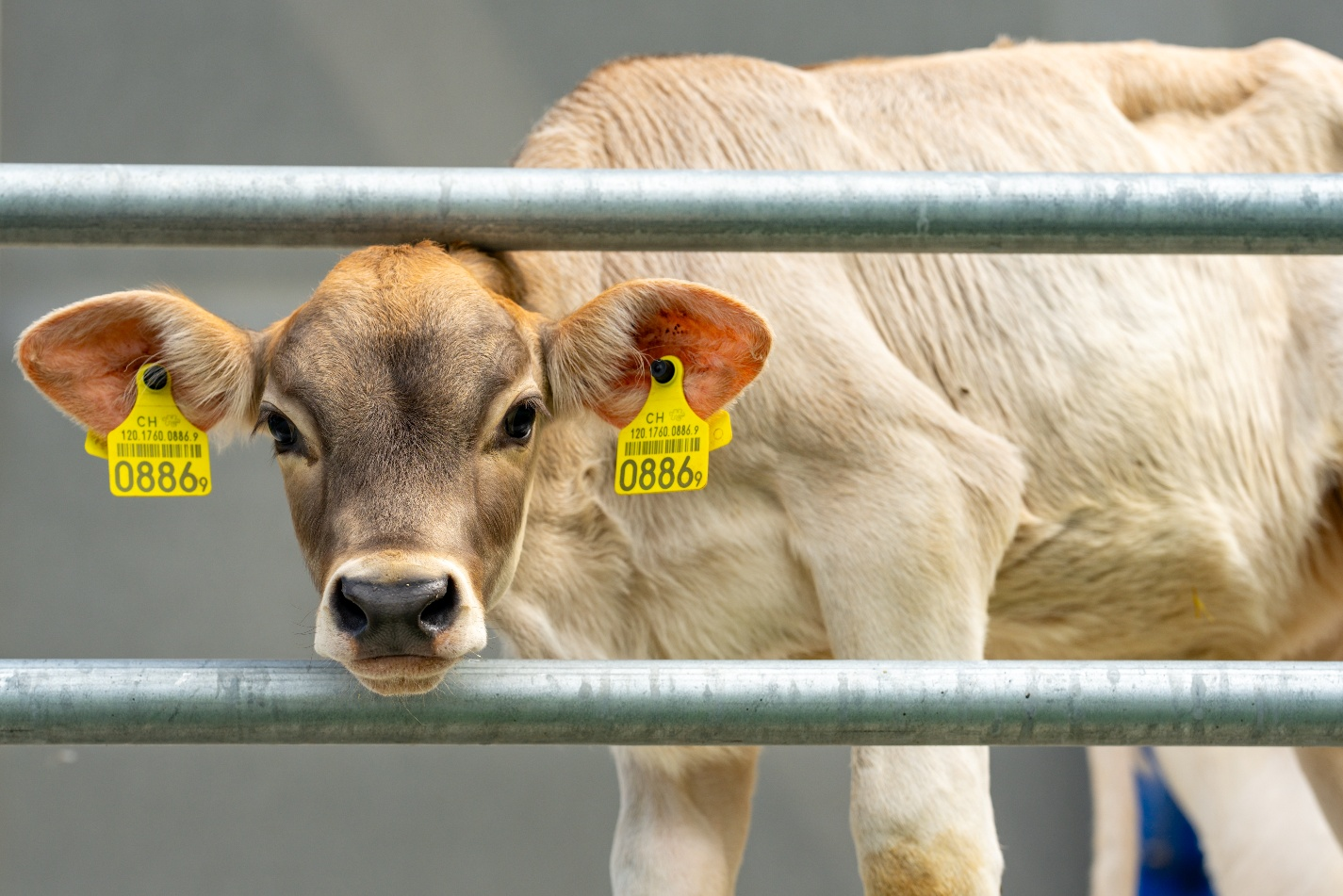
Human history shows that early communities ate meat for one reason: survival. Food choices were limited, and people had to protect their families by hunting and gathering whatever they could find. Taste was not the priority. Staying alive was. Over time, people discovered ways to preserve meat with salt, then developed agriculture, and eventually refrigeration. For many generations, meat and a few legumes were the main sources of protein available.
Last Updated: February 28, 2026
Disclaimer: I am not a licensed financial advisor, financial planner, tax professional, attorney, or employment consultant. The information provided in this blog is intended solely for general informational and educational purposes. This content should not be interpreted or construed as professional advice on financial, legal, tax, employment, or career matters. Always consult a qualified professional before making decisions that affect your personal situation. For transparency, some articles may include AI-assisted content. The idea is original and developed independently. All material is reviewed, edited, and approved before publication to ensure clarity and accuracy.
Today, the world has changed. We now have access to a wide range of foods that can meet our protein needs. Global trade, modern farming, and year-round imports give us fruits, vegetables, grains, seeds, and plant-based proteins from every part of the world. With so many options available, many people ask a simple but important question:
If we can get protein from so many sources, why do we still consume meat at such a large scale?
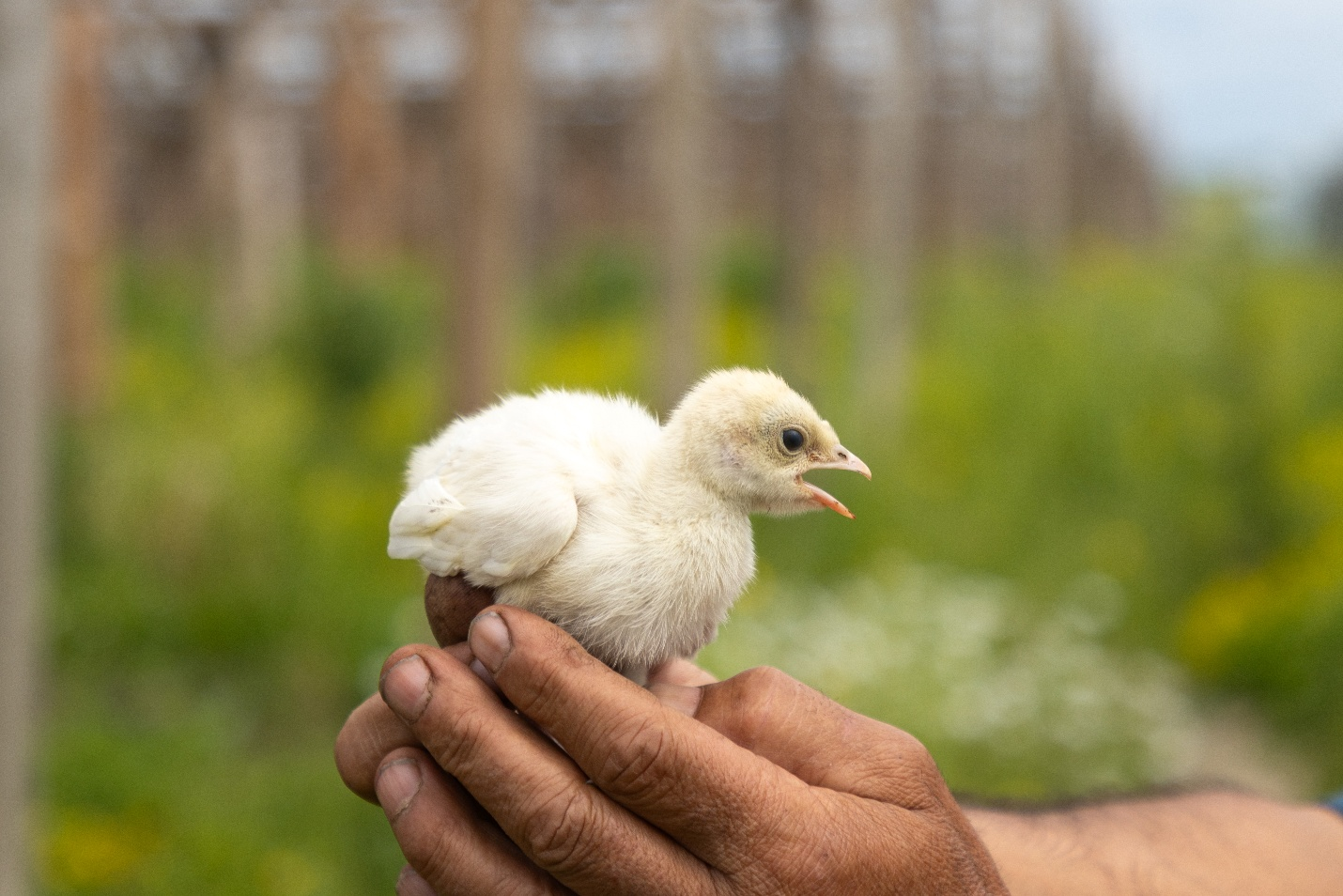
This question becomes even more meaningful when we consider that meat consumption is higher now than at any point in history. Even with countless alternatives available, global demand continues to rise. Understanding why requires looking at the issue from several angles. Meat is tied to economics, culture, nutrition, convenience, and long-standing habits that shape how societies eat. Many people continue to choose meat because it is familiar, widely available, and often seen as a central part of a complete meal. Others rely on it because food systems have been built around large-scale production, making meat a common and accessible option in many regions. At the same time, marketing, tradition, and social expectations all play a role in keeping demand high. When these factors combine, they create a complex picture that goes far beyond simple preference. Exploring these layers helps explain why meat remains a major part of modern diets despite the wide range of protein-rich foods now available. Meat plays a major role in diets around the world, yet the conversation about it is often confusing. People want clarity about the economic impact of meat consumption, the health effects, the environmental pressures, and the long term costs and benefits. These factors matter because they influence personal budgets, national economies, global resources, and long-term sustainability.
Meat consumption is shaped by many forces, including:
- Price and affordability
- Availability and access
- Cultural habits and traditions
- Nutritional beliefs and dietary needs
- Environmental concerns and sustainability goals
Understanding these factors helps people make informed choices that match their values, health goals, and financial priorities. This blog explores the economics, the pros, and the cons of eating meat in a balanced and neutral way. It also explains how meat consumption affects your wallet, your health, and the environment, giving you the knowledge you need to make thoughtful decisions about what you eat.
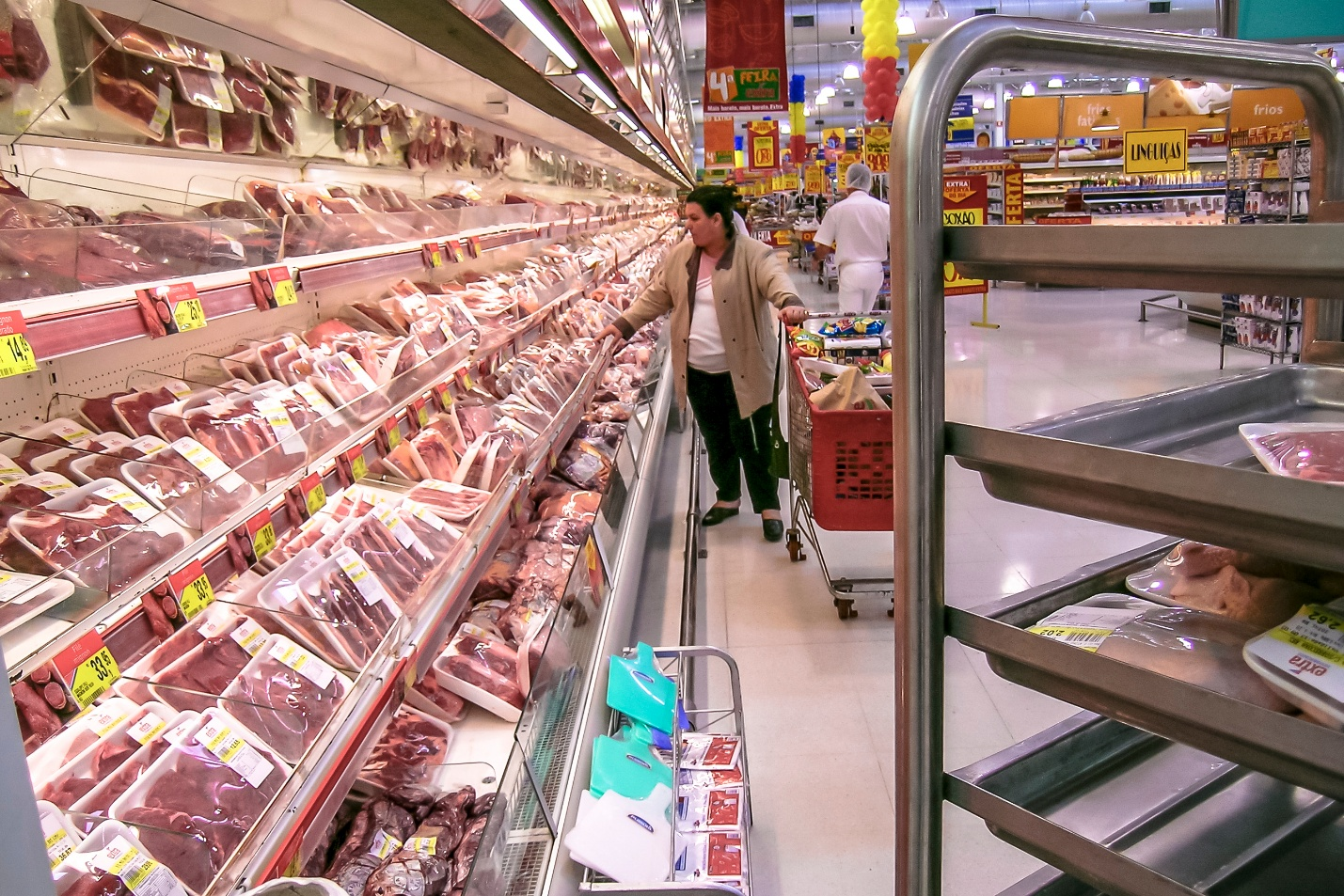
Table of Contents
A Complete Guide to Meat Economics and Impacts
- The Economics of Meat Consumption
- Financial Pros of Eating Meat
- Financial Cons of Eating Meat
- Health Pros of Meat Consumption
- Health Cons of Meat Consumption
- Environmental Pros of Meat Consumption
- Environmental Cons of Meat Consumption
- Social and Cultural Factors
- How to Make Balanced Choices
- Conclusion: Choosing a Future that Nourishes Us All
Unlock your financial freedom.
Download this FREE eBook!.
How to make $100,000/month? Stop being average and think big.
Stop Settling. Start Scaling.
Unlock the mindset, systems, and strategies top earners use to build unstoppable income.
Think Bigger. Earn Smarter.
This free eBook serves as your blueprint for scaling quickly, earning relentlessly, not settling for mediocrity, and living life on your terms.
Inside, you’ll discover:
- The Millionaire Mindset Blueprint
- Income streams that run on autopilot
- Entrepreneur hacks for focus and financial dominance
- One strategy to launch multiple income streams
- How to break free from “just enough”
- Tools to crush limiting beliefs and build your empire
Average doesn’t scale. Vision does. Download now and start your $100K/month transformation.
Yes, this eBook is free. Just drop in your email here to get instant access. ONE eBook per email.
The eBook is sent automatically and should arrive within minutes. Depending on your email provider, it may appear in your Spam or Promotions folder. While we don’t control its exact placement, you can be confident it has been dispatched and is waiting for you.
PLUS: Get Access to exclusive financial tips, learn everything about money and get early blog updates – delivered directly to your inbox .
1. The Economics of Meat Consumption
Understanding the economics of meat helps explain why it is priced the way it is and how it affects budgets and markets.
Key factors may include:
- Production costs such as land, labor, feed, and water
- Supply and demand trends that influence price changes
- Transportation, refrigeration, and storage needs that add to the total cost
- Market fluctuations caused by weather, resources, or global conditions
- Consumer purchasing habits that shape long-term pricing
- Economic pressure on food systems due to rising global demand
These factors make meat one of the most resource-intensive foods in the global economy.
2. Financial Pros of Eating Meat
Meat can offer several financial advantages depending on personal needs and local conditions.
- High nutrient density may reduce the need for supplements
- Long shelf life when preserved can help support meal planning
- Wide availability makes it easy to include in budgets
- Stable demand keeps certain types of meat competitively priced
- Versatility in meals may reduce food waste
These financial pros can make meat a practical option for many households.

3. Financial Cons of Eating Meat
Meat also comes with financial drawbacks that can affect the personal budgets of many households.
- Higher price per serving compared to many plant-based foods
- Rising production costs that lead to higher retail prices
- Storage, transportation, and refrigeration needs that increase energy use
- Potential healthcare costs linked to overconsumption
- Market instability that causes unpredictable price changes
These financial concerns make it important to evaluate how much meat fits into a budget.
4. Health Pros of Meat Consumption
Meat can help support our health when consumed in moderation and chosen carefully.
- May be rich in protein for muscle support
- Contains essential nutrients such as iron and zinc
- Supports energy levels due to nutrient density
- Helps maintain balanced diets when combined with other foods
- Can help support growth and development in some
These benefits can make meat a valuable part of many diets worldwide.
5. Health Cons of Meat Consumption
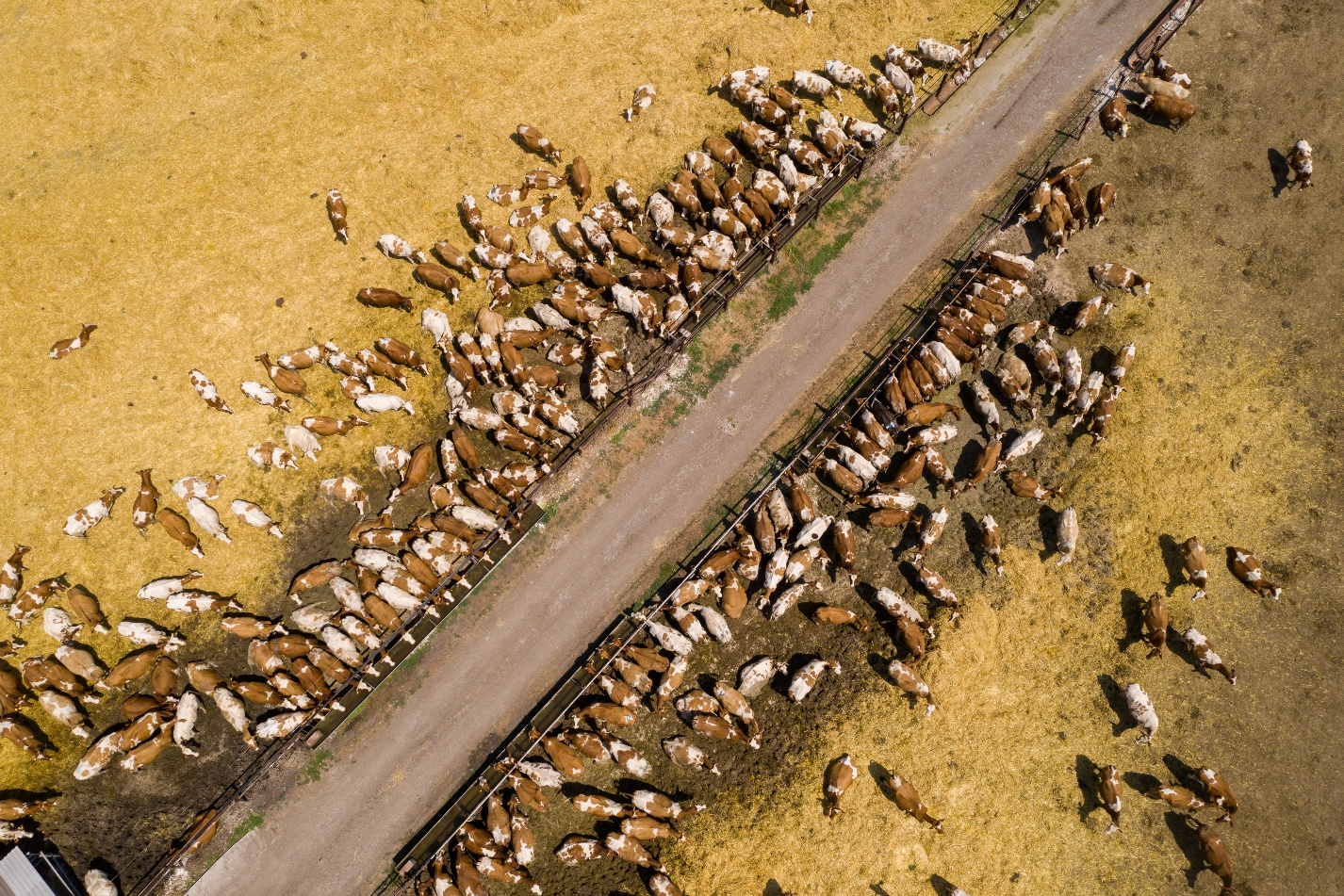
Overconsumption or consuming poor-quality meat can lead to serious health concerns.
- High saturated fat content may affect heart health
- Excessive intake may contribute to long-term health risks
- Low-quality processing can reduce its inherent nutritional value
- Digestive strain for some people
- Potential nutritional imbalance if meat replaces other nutrient-rich foods
Recognizing these risks allows people to make informed decisions that contribute to a balanced and healthy diet.
6. Environmental Pros of Meat Consumption
Although often discussed negatively, meat production can have some environmental advantages, too.
- May support land use in certain regions
- Can contribute to soil health under specific conditions
- May provide economic stability in rural areas
- May encourage resource management when systems are efficient
These pros may depend heavily on production methods, policies, rules, regulations, and resource management.

7. Environmental Cons of Meat Consumption
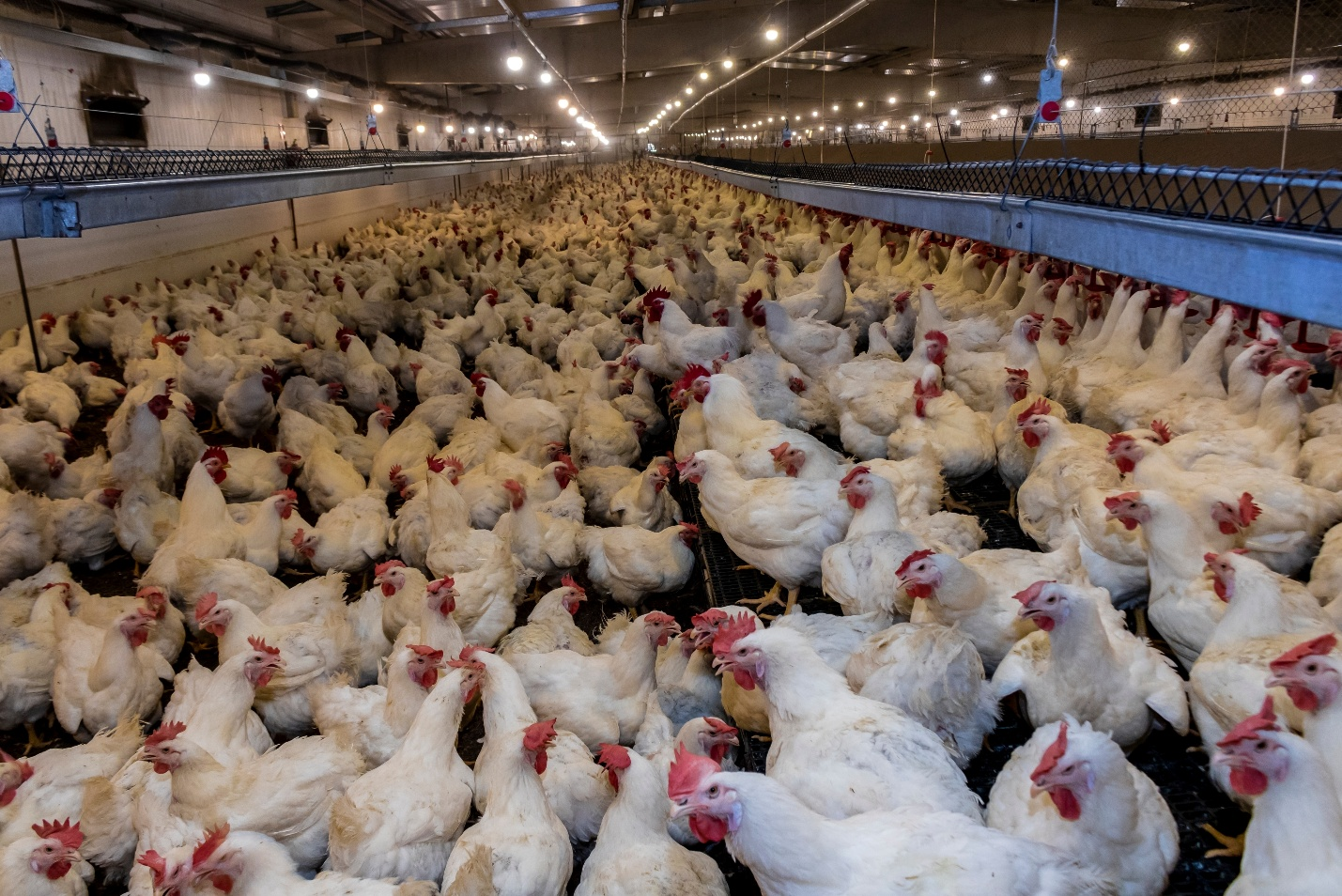
Meat production is well known for its environmental challenges.
- High water usage
- Large land requirements
- Greenhouse gas emissions
- Resource-intensive feed production
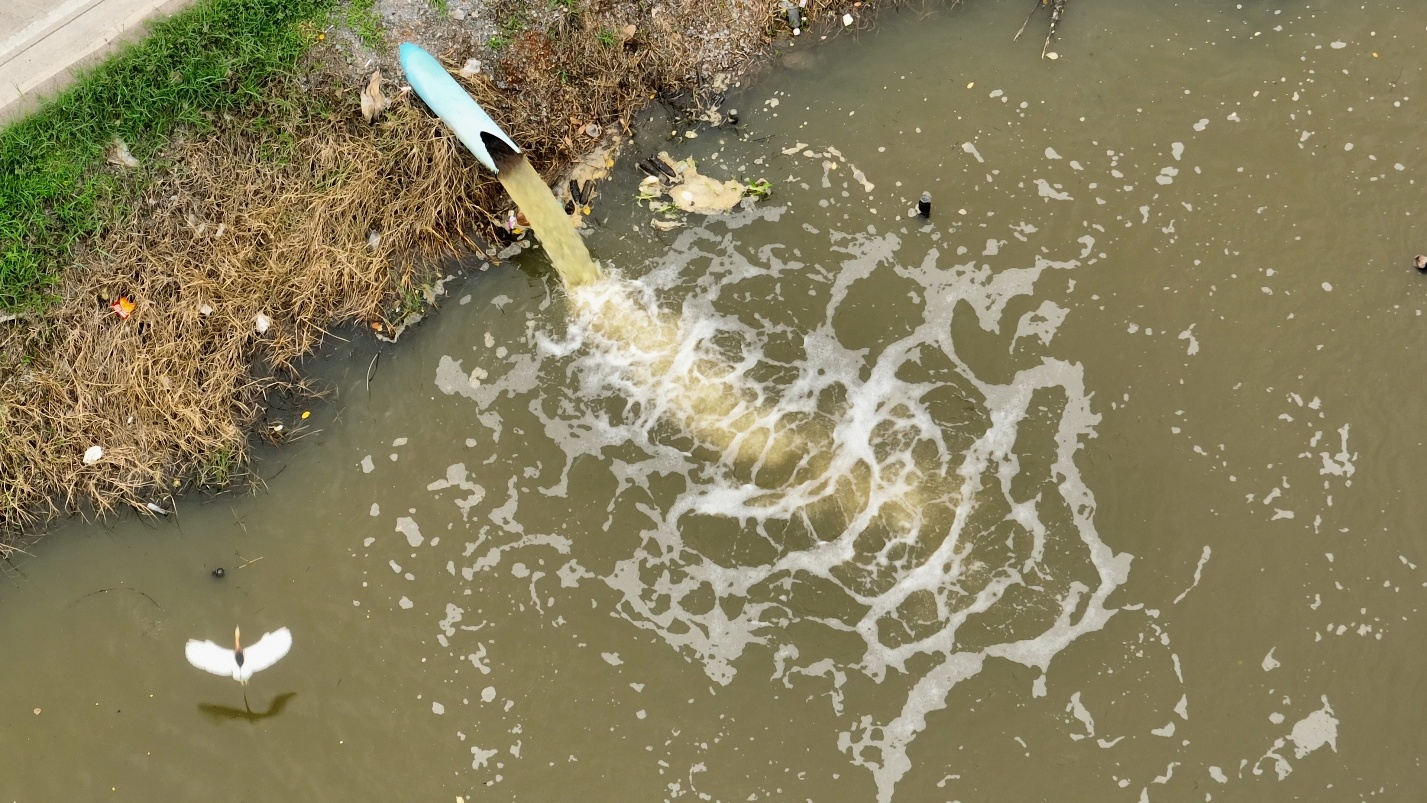
- Waste management concerns
- Water and air pollution
These critical environmental impacts continue to influence major global debates on sustainability and resource management.
8. Social and Cultural Factors
The reasons behind meat consumption may reach far beyond economic and health considerations.
- Cultural traditions may influence dietary habits
- Social identity may play a role in food choices
- Access and affordability may vary across regions
- Public awareness can affect consumption trends
- Changing attitudes may influence its long-term demand
These factors reveal that meat consumption is strongly linked to human behavior and deeply rooted in personal, cultural, and familial habits.
9. How to Make Balanced Choices
People can make informed decisions by considering multiple factors.
- Evaluate their personal health needs
- Compare costs and benefits
- Consider its environmental impact
- Plan meals mindfully
- Choose moderation rather than extremes
- Stay informed about nutrition and sustainability

Thoughtful, balanced decisions can help us build long-term well-being and lasting stability in the environment in which we live.
What happens on one side of town or halfway around the world can affect us directly or indirectly. Today, much of our food comes from different regions, different countries, and even different parts of the same community. This means that pollution or contamination in one place can unknowingly end up on our plate. We breathe the same shared air, and many of us drink bottled water packaged in plastic and sourced from locations we may never truly know. The same question applies to meat: do we know exactly where it comes from, how it was produced, and whether every step was handled responsibly?
Each of us has a role in understanding what we eat, where it is sourced from, and whether it is produced ethically, morally, and honestly. When food reaches our plate, we want it to be safe, healthy, and nutritious. If it does not meet these basic expectations, we must ask ourselves why we are consuming it in the first place.
Conclusion
Choosing a Future That Nourishes Us All
Finding a smart and sustainable middle ground is not about taking sides. It is about understanding the full picture. The conversation about meat consumption becomes clearer when we look at it through economic, health, environmental, and social lenses. Each of these areas reveals that meat has real benefits, real drawbacks, and real costs. When people understand these elements, they can make independent choices that reflect their values, their budgets, and their long-term goals, and of course, their health.
A balanced approach does not demand extremes. It simply asks for awareness. By learning about the true cost of meat: financially, physically, and environmentally, we gain the ability to choose what works best for our lives. This awareness can encourage thoughtful eating habits, reduce unnecessary waste, and support a healthier relationship with food.
A sustainable future begins with informed decisions. When we understand where our food comes from, how it is produced, and what impact it has on the world around us, we become active participants in shaping a better food system. This can help create a more informed society, one that values transparency, responsibility, and our long-term well-being.
In the end, the goal is simple: to nourish ourselves without harming the systems that help nourish us. Whether someone chooses to eat meat, reduce it, or avoid it entirely, the most important step is making that choice with clarity and intention. When we choose mindfully, we can support a future that is healthier, more ethical, and more sustainable for everyone.
Join the conversation! Drop your thoughts in the comments below, and let’s keep the discussion going.
makemoneyunstoppable.com
From Experience to insight : Transformational reads for the Strategic mind
Foundational readings for big shifts:
- How to Track Spending without Getting Overwhelmed
- The 7-Day Money Reset Plan: Take Back Control In Just One Week
- Are You Throwing Away $5,000 a Year on Food Waste Without Realizing It?
- The Real Cost of Owning a Big Home
- The Psychology of Spending: Why We Overspend and How to Stop It
- Mastering the Envelope Method

Author: Vaidya Selvan
Welcome to Make Money Unstoppable Personal Finance Made Simple, a blog born out of necessity, a space created from real-life experiences, hard-earned lessons, and a deep-seated desire to share what I wish someone had taught me or had known sooner.

Newsletter Invite
Want more real-world information on Money? Join my newsletter for practical tips, updates on my books, and strategies to help you build financial freedom on your terms.
Yes, the eBook is also free. Just drop in your email here to get instant access. ONE eBook per email.
The eBook is sent automatically and should arrive within minutes. Depending on your email provider, it may appear in your Spam or Promotions folder. While we don’t control its exact placement, you can be confident it has been dispatched and is waiting for you.
#FinancialFreedom #Newsletter #MoneyTips
Like this blog?
Related Blogs