

Renting vs Buying: Pros, Cons, and Smart Housing Decisions for Financial Freedom
Choosing between renting and buying a home may be one of the most
impactful financial decisions in modern life. Having a place to call home may
not only be a place to live but also a cornerstone of financial planning,
lifestyle design, and long-term security. Each option, either renting or buying,
comes with distinct advantages and disadvantages that can shape both immediate
comfort and future financial outcomes.
Last Updated: January 17, 2025

Disclaimer: I am not a licensed financial advisor, financial planner, tax professional, attorney, or employment consultant. The information provided in this blog is intended solely for general informational and educational purposes. It should not be interpreted or construed as professional advice regarding financial, legal, tax, employment, or career matters. Always consult with a qualified professional before making decisions related to your finances, investments, legal obligations, employment, or taxes.
Renting may often appeal
to those who value flexibility,
lower upfront costs, and reduced responsibility, such as maintenance, while buying may be attractive
and may suit individuals seeking stability, equity growth, and long-term
investment potential.
The right path depends on a careful evaluation of personal priorities,
financial readiness, and long-term goals.
By thoroughly examining
the pros
and cons of renting versus buying, individuals can align their housing
decisions with broader financial strategies, lifestyle preferences, and future
aspirations. This blog provides you with a comprehensive breakdown of both
options, offering practical insights, structured comparisons, and
decision-making frameworks to help support informed choices.
Whether the goal is short-term
mobility or long-term wealth building, understanding the trade-offs between
renting and buying is essential for achieving financial freedom, wealth
building, and housing stability.

Renting: Pros and Cons
Pros of Renting
- Flexibility and Mobility: Renting may provide the freedom to relocate
without the complexities of selling a property. Lease terms are often
short, making it easier to adapt to changing circumstances.
- Lower Upfront Costs: Renters may typically pay a security deposit and initial rent,
which is far less than the down payment and closing costs that are required
for buying.
- Minimal Maintenance Responsibilities: Repairs and upkeep are usually handled by
landlords, reducing unexpected expenses and stress.
- Access to Amenities: Rental properties may often include shared amenities such as
fitness centers, pools, or community spaces, which may be costly to
maintain in owned homes.
- Reduced Financial Risk: Renters are shielded from property market fluctuations,
keeping housing costs predictable during the duration of the lease term.
Cons of Renting
- No Buildup of Equity: Rent payments do not contribute to ownership or help long-term
wealth accumulation.
- Limited Control Over Property: Restrictions on renovations, décor, or pets can
limit personalization to suit your needs and lifestyle.
- Potential Rent Increases: Lease renewals may bring higher costs, making
long-term budgeting less predictable.
- Lack of Stability: Landlords may choose not to renew the lease, forcing renters to
relocate unexpectedly.
- No Tax Benefits: Renters generally do not receive any housing-related tax
deductions.
Unlock your financial freedom.
Download this FREE eBook!.
How to make $100,000/month? Stop being average and think big.
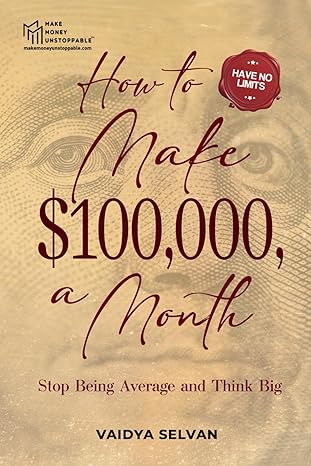
Stop Settling. Start Scaling.
Unlock the mindset, systems, and strategies top earners use to build unstoppable income.
Think Bigger. Earn Smarter.
This free eBook serves as your blueprint for scaling quickly, earning relentlessly, not settling for mediocrity, and living life on your terms.
Inside, you’ll discover:
- The Millionaire Mindset Blueprint
- Income streams that run on autopilot
- Entrepreneur hacks for focus and financial dominance
- One strategy to launch multiple income streams
- How to break free from “just enough”
- Tools to crush limiting beliefs and build your empire
Average doesn’t scale. Vision does. Download now and start your $100K/month transformation.
Yes, this eBook is free. Just drop in your email here to get instant access. ONE eBook per email.
The eBook is sent automatically and should arrive within minutes. Depending on your email provider, it may appear in your Spam or Promotions folder. While we don’t control its exact placement, you can be confident it has been dispatched and is waiting for you.
PLUS: Get Access to exclusive financial tips, learn everything about money and get early blog updates – delivered directly to your inbox .

Buying: Pros and Cons
Pros of Buying
- Equity and Wealth Building: Mortgage payments can help build ownership,
increasing equity and long-term financial stability.
- Property Appreciation: Real estate may often grow in value, offering potential investment
returns.
- Stability and Security: Homeownership may provide long-term stability,
free from lease terminations or rent hikes.
- Creative Freedom: Owners can renovate, decorate, and customize their property without
restrictions.
- Potential Tax Advantages: Homeowners may benefit from deductions related to
mortgage interest and property taxes.

Cons of Buying
- High Upfront Costs: Down payments, closing fees, and other expenses can make buying
financially demanding.
- Maintenance and Repair Costs: Homeowners are responsible for all repairs and
upkeep, which can be unpredictable and expensive.
- Reduced Flexibility: Selling a home can take months, thereby limiting mobility.
- Market Risk: Property values can decline, and can reduce equity.
- Ongoing Expenses: Mortgage payments, taxes, insurance, and maintenance expenses may often
exceed rental costs.
Renting vs Buying: Key Comparison
|
Factor |
Renting |
Buying |
|
Upfront Costs |
Low |
High |
|
Monthly Payments |
Predictable,
not an investment |
Contribute
to equity |
|
Flexibility |
High |
Low |
|
Maintenance |
Landlord
responsibility |
Homeowner
responsibility |
|
Wealth Building |
None |
Equity
growth |
|
Stability |
Lease-dependent |
Long-term
ownership |
|
Tax Benefits |
None |
Possible
deductions |
|
Market Risk |
Minimal |
Significant |
Practical Considerations Before Deciding
1. Financial
Readiness
- Evaluating savings for upfront costs.
- Assessing monthly budget capacity for rent or
mortgage.
- Considering emergency funds for unexpected
expenses.

2. Lifestyle
Preferences
- Deciding whether flexibility or stability is more
important.
- Factoring in long-term goals such as career growth
or retirement.
3. Market Conditions
- Researching local housing trends.
- Comparing rental prices versus having mortgage
payments.
- Considering property appreciation potential.

4. Long-Term Goals
- Renting may be suitable for short-term living
arrangements.
- Buying may align with long-term settlement and
wealth-building strategies.
Strategic Decision-Making Framework
- Evaluating Costs: Comparing upfront expenses, monthly payments, and hidden costs.
- Analyzing Risk: Considering exposure to market fluctuations, repairs, and rent
increases.
- Aligning with Your Goals: Matching housing choices with career plans,
lifestyle preferences, and financial objectives.
- Planning for the Future: Renting may suit transitional phases in life,
while buying may help support long-term wealth accumulation.
Extended Analysis: Renting vs Buying in Different Contexts
Renting May Work Best When:
- Short-term housing is needed.
- Flexibility is a priority.
- Savings are limited for upfront costs.
- No money for ongoing maintenance.
- No backup finances.
Buying May Work Best When:
- Long-term settlement is desired.
- Financial readiness helps support upfront and
ongoing costs.
- Wealth-building is a priority.
- Want to call a place home.

Final Thoughts on Renting vs Buying: Making Smart Housing Decisions for Financial Freedom
The decision between
renting and buying a home is not one-size-fits-all; it may be shaped by
financial readiness, lifestyle priorities, and long-term aspirations. Renting can
provide flexibility, lower upfront costs, and reduced responsibility, making it
appealing for those who value mobility and predictable expenses. Buying, on the
other hand, can help offer stability, equity growth, and creative freedom,
aligning with individuals who seek long-term investment and ownership benefits.

Both paths carry clear advantages and
disadvantages, and the best choice depends on aligning housing decisions with
overall financial strategies. By carefully weighing the pros and cons of
renting versus buying, individuals can make informed choices that support not
only immediate comfort but also long-term financial freedom.
Ultimately, the key lies in
understanding personal goals, evaluating financial capacity, and considering your
long-term plans. Whether choosing the flexibility of renting or the stability
of buying, the decision should be guided by a thoughtful balance of
practicality, financial foresight, and lifestyle alignment.
With
the right approach, your housing decision can evolve into more than just a
place to live. It can become a strategic step toward lasting financial
security, long-term stability, and the freedom to shape your future. By
carefully weighing the pros and cons of renting versus buying, and aligning
your choice with personal goals and financial readiness, you can transform
housing from a short-term necessity into a cornerstone of financial
independence and wealth-building.
Join
the conversation! Drop your thoughts in the comments below, and let’s keep the
discussion going.
From Experience to insight : Transformational reads for the Strategic mind
Foundational readings for big shifts:
- How to Track Spending without Getting Overwhelmed
- The 7-Day Money Reset Plan: Take Back Control In Just One Week
- Are You Throwing Away $5,000 a Year on Food Waste Without Realizing It?
- The Real Cost of Owning a Big Home
- The Psychology of Spending: Why We Overspend and How to Stop It
- Mastering the Envelope Method

Author: Vaidya Selvan
Welcome to Make Money Unstoppable Personal Finance Made Simple, a blog born out of necessity, a space created from real-life experiences, hard-earned lessons, and a deep-seated desire to share what I wish someone had taught me or had known sooner.

Newsletter Invite
Want more real-world information on Money? Join my newsletter for practical tips, updates on my books, and strategies to help you build financial freedom on your terms.
Yes, the eBook is also free. Just drop in your email here to get instant access. ONE eBook per email.
The eBook is sent automatically and should arrive within minutes. Depending on your email provider, it may appear in your Spam or Promotions folder. While we don’t control its exact placement, you can be confident it has been dispatched and is waiting for you.
#FinancialFreedom #Newsletter #MoneyTips
Like this blog?
Related Blogs