

Rules Broke Individuals Must Face
Introduction
The Hidden Rules Broke Individuals Must Face
Many people feel stuck when money is tight. It can seem as if life suddenly follows a different set of rules, rules that only appear when someone is broke. These invisible rules shape daily decisions, limit choices, increase stress, and make our progress feel slow or out of reach. Even simple tasks can feel heavier, and long term goals may seem distant. This experience is more common than most people realize, and it can affect anyone at any stage of life.
Last Updated: April 5, 2026

Disclaimer: I am not a licensed financial advisor, financial planner, tax professional, attorney, or employment consultant. The information provided in this blog is intended solely for general informational and educational purposes. This content should not be interpreted or construed as professional advice on financial, legal, tax, employment, or career matters. Always consult a qualified professional before making decisions that affect your personal situation. For transparency, some articles may include AI-assisted content. The idea is original and developed independently. All material is reviewed, edited, and approved before publication to ensure clarity and accuracy.
But there is another side to this reality. Understanding these rules can be empowering. When you know what you are facing, you can prepare for it. You can plan better, act smarter, and build a stronger path forward. Awareness can help turn confusion into clarity. Clarity can, in turn, turn stress into strategy. And this strategy can turn struggle into progress.
This blog breaks down the common rules that help shape the lives of broke individuals. These rules are not meant to shame, blame, or judge. They exist because having limited resources naturally creates limited options. When money is tight, choices shrink, pressure rises, and every decision carries more weight. These rules help simply describe the environment people must navigate when resources are low.

By understanding these rules, anyone can begin to build stability, reduce stress, and create long term financial strength. This is not about perfection. It is about progress, the steady, realistic, and achievable progress that builds a stronger future one step at a time.
The Core Rules That Shape Life When Money Is Tight
Table of Contents
- The Rule of Limited Choices
- The Rule of Higher Costs
- The Rule of Delayed Progress
- The Rule of Constant Pressure
- The Rule of Survival Over Growth
- The Rule of Information Gaps
- The Rule of Emotional Weight
- The Rule of Slow Recovery
- The Rule of Hidden Opportunities
- The Rule of Gradual Change
- Conclusion: Breaking the Rules That Hold You Back
Unlock your financial freedom.
Download this FREE eBook!.
How to make $100,000/month? Stop being average and think big.
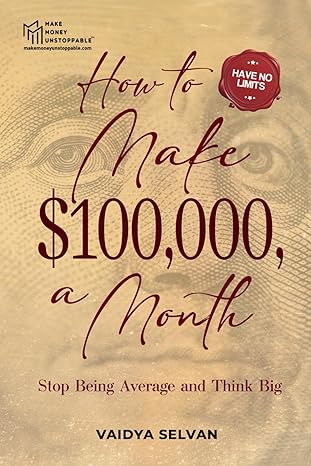
Stop Settling. Start Scaling.
Unlock the mindset, systems, and strategies top earners use to build unstoppable income.
Think Bigger. Earn Smarter.
This free eBook serves as your blueprint for scaling quickly, earning relentlessly, not settling for mediocrity, and living life on your terms.
Inside, you’ll discover:
- The Millionaire Mindset Blueprint
- Income streams that run on autopilot
- Entrepreneur hacks for focus and financial dominance
- One strategy to launch multiple income streams
- How to break free from “just enough”
- Tools to crush limiting beliefs and build your empire
Average doesn’t scale. Vision does. Download now and start your $100K/month transformation.
Yes, this eBook is free. Just drop in your email here to get instant access. ONE eBook per email.
The eBook is sent automatically and should arrive within minutes. Depending on your email provider, it may appear in your Spam or Promotions folder. While we don’t control its exact placement, you can be confident it has been dispatched and is waiting for you.
PLUS: Get Access to exclusive financial tips, learn everything about money and get early blog updates – delivered directly to your inbox .
1. The Rule of Limited Choices
When money is tight, choices shrink. This rule affects almost every part of our lives. Limited choices can make it harder to plan, save, or invest in long term goals.

Key points:
- Limited money often leads to limited options.
- Decisions become based on what is affordable, not what is best.
- Short term needs take priority over long term benefits.
- It becomes harder to choose healthier, safer, or more efficient options.
- Limited choices can create a cycle that is difficult to break.
Why this matters:
Understanding this rule helps you focus on small, strategic decisions that slowly expand your options over time.
2. The Rule of Higher Costs
Being broke often means paying more in the long run. This rule is one of the most frustrating attributes.
Key points:
- Cheaper options can cost more over time due to repairs, replacements, or inefficiency.
- Limited funds can force people into higher fees, higher rates, or higher penalties.
- Lack of savings can lead to more expensive emergency costs.
- Higher costs can reduce the ability to save or invest.
- This rule creates a cycle where money drains faster than it can grow.

Why this matters:
Recognizing this rule helps you plan for long term value instead of focusing on short term relief whenever possible.
3. The Rule of Delayed Progress
Progress takes longer when resources are limited. This rule affects goals, stability, and personal growth.
Key points:
- Saving takes longer because there is less to save.
- Building credit or having financial stability takes more time.
- Delays can create frustration and discourage long term planning.
- Progress may feel invisible even when effort is consistent.
- Small steps matter more than they appear.

Why this matters:
Understanding this rule helps you stay patient and consistent, even when progress feels slow.
4. The Rule of Constant Pressure
Broke individuals often live under constant pressure. This pressure affects mental clarity, decision making, and their overall well being.
Key points:
- Stress increases when money is tight.
- Pressure can lead to rushed decisions.
- Constant worry can reduce focus and energy.
- Pressure can make long term planning feel impossible.
- Emotional fatigue can build over time.
Why this matters:
Recognizing this rule helps you create simple routines that can help reduce stress and support clearer thinking.

5. The Rule of Survival Over Growth
When money is limited, survival becomes the top priority. Growth becomes secondary.
Key points:
- Immediate needs take priority over future goals.
- Growth activities may feel out of reach.
- Survival mode can severely limit creativity and motivation.
- It can push you back many decades.
- It becomes harder to invest in skills or long term improvements.
- This rule can create a cycle where growth is always delayed.
Why this matters:
Understanding this rule helps you carve out small moments for growth, even during difficult times.
6. The Rule of Information Gaps
Broke individuals often lack access to clear, simple, and reliable information.

Key points:
- Information may be confusing or overwhelming.
- Lack of guidance can lead to costly mistakes.
- Financial illiteracy may compound the problem.
- Information gaps can slow progress.
- Not knowing where to start can create fear or hesitation.
- Having clear information can help save time, money, and stress.
Why this matters:
Recognizing this rule encourages you to seek simple, trustworthy information that supports better decisions.
7. The Rule of Emotional Weight
Money struggles can create emotional weight that affects our daily lives.
Key points:
- Feelings of worry, anxiety, depression, fear, or frustration can build over time.
- Emotional weight can affect sleep, focus, and motivation.
- It can create a sense of isolation or hopelessness.
- Emotional stress can lead to avoidance or denial.
- Acknowledging emotions can help reduce their impact.

Why this matters:
Understanding this rule helps you build emotional resilience and healthier coping habits.
8. The Rule of Slow Recovery
Recovery from setbacks takes much longer when money is tight.
Key points:
- A small setback can create a large delay.
- Recovery requires time, patience, and consistency.
- Limited resources make it harder to bounce back.
- Slow recovery can affect confidence and motivation.
- Every small improvement still counts.
Why this matters:
Recognizing this rule helps you stay focused on steady progress instead of quick fixes.
9. The Rule of Hidden Opportunities
Even in difficult situations, opportunities exist, but they may be harder to see.

Key points:
- Opportunities may appear small but can grow over time.
- Hidden opportunities often require patience and awareness.
- Small improvements can lead to larger gains.
- Opportunities may come from new habits or new information.
- Recognizing opportunities helps build confidence and momentum.
Why this matters:
Understanding this rule helps you stay open to small changes that can help create long term benefits.
10. The Rule of Gradual Change
Change happens slowly when resources are limited, but slow change is still real change.
Key points:
- Gradual change is sustainable and realistic.
- Small steps can help build strong foundations.
- Consistency matters more than speed.
- Gradual change reduces stress and increases stability.
- Over time, small actions create major results.

Why this matters:
Recognizing this rule helps you stay committed to steady improvement.
Conclusion
Breaking Free from the Rules That Hold You Back
These rules are real, and they shape the lives of broke individuals every single day. They influence decisions, limit options, and create pressure that can feel impossible to escape. But understanding these rules is the first step toward breaking free from them. When you can clearly see the patterns that hold you back, you gain the power to change them. Awareness turns into strategy, and strategy turns into progress.

Once you understand the rules, you can begin to work around them. You can make smarter choices that protect your future. You can build stronger habits that support your stability. You can create a path that leads toward long term strength instead of short term survival. These changes do not require perfection. They require patience, clarity, and steady action.
You do not need a dramatic transformation to improve your life. You do not need sudden success or overnight results. What you need are small, simple, consistent steps. Every small action matters. Every small improvement builds strength. Every small decision creates momentum. Over time, these steps help you break the rules that once controlled your life and replace them with new rules that support your growth.
Your future does not have to be defined by limited choices, your past, higher costs, or constant pressure. With awareness, patience, and persistence, you can build a life with greater freedom, stability, and control. You can create a future where your decisions are based on what is best for you, not what your circumstances force you to choose.
You deserve a future that feels steady, secure, and full of possibility. You deserve a life where you feel confident, prepared, and in control. And you have the power to build that future, one step at a time. Every step counts and every effort matters. And when every moment you choose progress, you move closer to the life you want and deserve.
Which rule do you feel has affected your life the most, and what small step are you ready to take to change it?
Join the conversation! Drop your thoughts in the comments below, and let’s keep the discussion going.
makemoneyunstoppable.com
From Experience to insight : Transformational reads for the Strategic mind
Foundational readings for big shifts:
- How to Track Spending without Getting Overwhelmed
- The 7-Day Money Reset Plan: Take Back Control In Just One Week
- Are You Throwing Away $5,000 a Year on Food Waste Without Realizing It?
- The Real Cost of Owning a Big Home
- The Psychology of Spending: Why We Overspend and How to Stop It
- Mastering the Envelope Method
Author: Vaidya Selvan
Welcome to Make Money Unstoppable Personal Finance Made Simple, a blog born out of necessity, a space created from real-life experiences, hard-earned lessons, and a deep-seated desire to share what I wish someone had taught me or had known sooner.

Newsletter Invite
Want more real-world information on Money? Join my newsletter for practical tips, updates on my books, and strategies to help you build financial freedom on your terms.
Yes, the eBook is also free. Just drop in your email here to get instant access. ONE eBook per email.
The eBook is sent automatically and should arrive within minutes. Depending on your email provider, it may appear in your Spam or Promotions folder. While we don’t control its exact placement, you can be confident it has been dispatched and is waiting for you.
#FinancialFreedom #Newsletter #MoneyTips
Like this blog?
Related Blogs