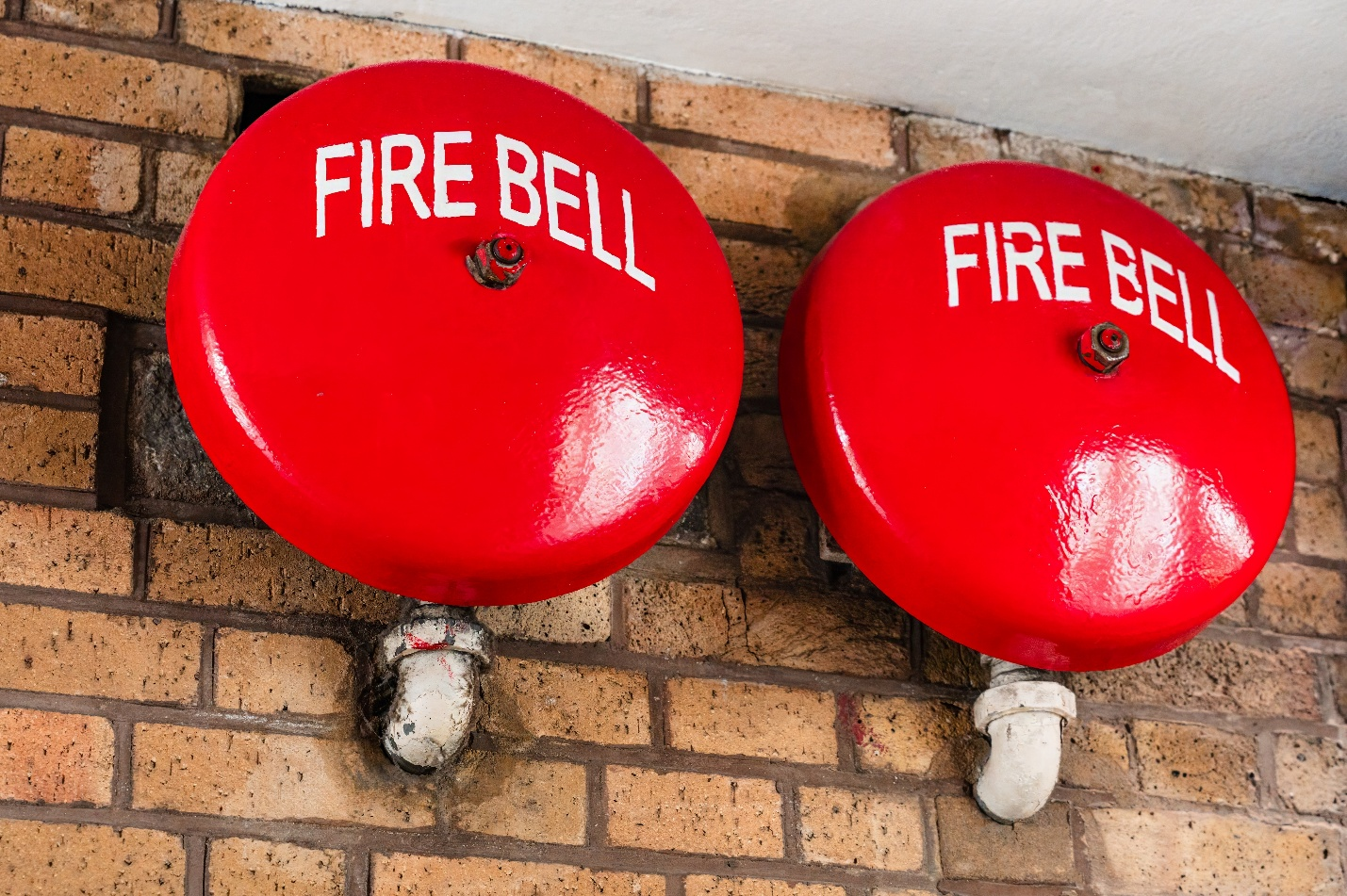


The EKG Flat Line Effect: Why Standing Still Blocks Growth and Scaling
Introduction
The Hidden Cost of Standing Still
Growth is often described as a choice, but in reality, it is a requirement for long-term stability. When progress slows or stops, the result is not neutral. It’s a flat line. A flat line may look calm on the surface, but it represents a deeper issue: the absence of movement. In any system, process, or structure, a lack of growth eventually leads to its inevitable decline. This is why understanding growth, scaling, and continuous improvement is essential for anyone who wants long-term success through growth. And as we all know, the opposite of growth in its simplest form is stagnation.
Last Updated: February 20, 2026

Disclaimer: I am not a licensed financial advisor, financial planner, tax professional, attorney, or employment consultant. The information provided in this blog is intended solely for general informational and educational purposes. This content should not be interpreted or construed as professional advice on financial, legal, tax, employment, or career matters. Always consult a qualified professional before making decisions that affect your personal situation. For transparency, some articles may include AI-assisted content. The idea is original and developed independently. All material is reviewed, edited, and approved before publication to ensure clarity and accuracy.
This blog explains what growth truly means, why stagnation creates long-term risks, and how to scale with direction and purpose. Its goal is to give you clear, simple, and practical guidance that supports steady, sustainable progress.
Growth is not about speed. It is about direction. It is about choosing movement over stillness and improvement over comfort. When you understand how growth works, you gain the power to shape your future with intention.

The Complete Guide to Growth, Scaling, and Avoiding Stagnation
Table of Contents
- Understanding the Meaning of Growth
- Why Stagnation Creates Long-Term Risks
- The Difference Between Growing and Scaling
- The Analogy of a Flat Line in Growth with an EKG
- How to Build a Growth-Ready Foundation
- Practical Ways to Scale with Purpose
- How to Measure Progress Without Confusion
- Common Barriers That Stop Growth
- How to Maintain Long-Term Momentum
- Conclusion: Choosing Movement Over the Flat Line
1. Understanding the Meaning of Growth
Growth is the process of moving forward with intention. It is not random, and it is not accidental. Growth happens when you make consistent improvements that help strengthen your direction and purpose.

Unlock your financial freedom.
Download this FREE eBook!.
How to make $100,000/month? Stop being average and think big.

Stop Settling. Start Scaling.
Unlock the mindset, systems, and strategies top earners use to build unstoppable income.
Think Bigger. Earn Smarter.
This free eBook serves as your blueprint for scaling quickly, earning relentlessly, not settling for mediocrity, and living life on your terms.
Inside, you’ll discover:
- The Millionaire Mindset Blueprint
- Income streams that run on autopilot
- Entrepreneur hacks for focus and financial dominance
- One strategy to launch multiple income streams
- How to break free from “just enough”
- Tools to crush limiting beliefs and build your empire
Average doesn’t scale. Vision does. Download now and start your $100K/month transformation.
Yes, this eBook is free. Just drop in your email here to get instant access. ONE eBook per email.
The eBook is sent automatically and should arrive within minutes. Depending on your email provider, it may appear in your Spam or Promotions folder. While we don’t control its exact placement, you can be confident it has been dispatched and is waiting for you.
PLUS: Get Access to exclusive financial tips, learn everything about money and get early blog updates – delivered directly to your inbox .
Key ideas:
- Growth is a steady improvement that builds over time.
- Growth requires awareness of what is working and what is not.
- Growth is measurable through clear indicators, metrics, and simple tracking.
- Growth is intentional, not something that happens by chance.
- Growth can help support long-term stability by preventing decline.
2. Why Stagnation Creates Long-Term Risks
A flat line may appear stable on the surface, but it represents a lack of movement. Over time, stagnation can become a risk because systems that do not evolve eventually weaken or die.
Pin Pointers:
- Stagnation reduces adaptability and makes change harder later on.
- Stagnation can limit opportunities because nothing new is created.
- Stagnation may increase vulnerability to external pressures.
- Stagnation creates hidden decline even when things look stable.
- Stagnation blocks innovation and slows progress.

3. The Difference Between Growing and Scaling
Growth and scaling are related but not identical. Understanding the difference may help you choose the right strategy.
Key distinctions between the two:
- Growth increases output through steady improvement, effort, and strategy.
- Scaling helps increase capacity without increasing strain.
- Growth focuses on progress, while scaling focuses on long-term efficiency.
- Scaling supports sustainability by reducing unnecessary effort.
- Growth and scaling work together to create long-term success.
4. The Analogy of a Flat Line in Growth with an EKG
A flat line on an EKG is a powerful symbol. It represents the complete absence of movement. When used as an analogy for growth, it becomes a clear reminder that stillness is not neutral. A flat line means nothing is happening, nothing is improving, and nothing is moving forward. In the context of growth, this image helps illustrate why stagnation is not simply “staying the same.” It is a warning sign that the system is no longer progressing.

A growth curve, like a healthy EKG pattern, shows movement, rhythm, and activity. It rises and falls, but it never stays still. This natural motion represents adaptation, responsiveness, and life. When the line becomes flat, the system has stopped responding. It has stopped evolving. It has stopped growing.
This analogy helps simplify a complex idea: growth requires motion, and motion requires intention. Without movement, the system begins to weaken, even if the decline is not immediately visible.
Key points to highlight:
- A flat line represents the absence of activity, not stability.
- Healthy growth has natural fluctuations, just like a healthy EKG pattern.
- Movement signals adaptability, which is essential for long-term progress.
- Stagnation signals risk, because nothing is improving or evolving.
- A flat line is a visual reminder that stillness can eventually lead to decline.
- Growth is dynamic, and not static. It requires continuous input for its sustainability.
- A flat line hides underlying issues, even when things appear calm at the outset.
- Sustainable progress depends on consistent movement, even if the steps are small.
- The analogy reinforces the need for awareness, evaluation, and intentional action.

This comparison is simple, but it delivers powerful insight and practical value in real-world situations. It helps communicate the idea that growth is not optional. It is a necessary form of movement that keeps systems strong, responsive, and capable of adapting to change.
5. How to Build a Growth-Ready Foundation
A strong foundation makes growth easier and more sustainable. Without it, progress may become inconsistent.
Core elements:
- Clear goals that define its direction.
- Simple systems that help support daily progress.
- Reliable processes that can help reduce confusion.
- Consistent evaluation to identify strengths and weaknesses.
- Structured planning that supports long-term movement.
- Defined priorities that help prevent distractions.
- Flexible strategies that adapt to change.
- Clear communication that keeps everyone aligned.

6. Practical Ways to Scale with Purpose
Scaling is about expanding capacity without creating unnecessary pressure. It requires thoughtful planning and simple, repeatable actions.
Practical steps:
- Streamline your processes to reduce wasted effort.
- Automate repetitive tasks where possible.
- Strengthen systems to help support higher demand.
- Create scalable workflows that grow with your needs in mind.
- Use clear documentation to support consistency and outcome.
- Build flexible structures that can expand easily.
- Monitor capacity to avoid overload.

7. How to Measure Progress Without Confusion
Measuring progress helps you understand whether you are growing, scaling, or staying flat.
Useful measurement methods:
- Track simple indicators that show movement.
- Review progress regularly to stay aligned.
- Use clear benchmarks to define success.
- Measure both output and efficiency to get a full picture.
- Identify patterns that show long-term trends.
- Document progress in plain language and for everyone to understand.
- Compare results over time to see improvement.

8. Common Barriers That Can Stop Growth
Growth slows when obstacles are not addressed beforehand. Identifying barriers early can help prevent stagnation.
Common barriers:
- Unclear goals that create confusion.
- Inefficient systems that can slow progress.
- Lack of structure that may lead to inconsistency.
- Resistance to change that may block improvement.
- Poor accessibility that limits usability.
- Overcomplicated processes that tend to waste time.
- Lack of evaluation that hides problems.
- Unbalanced workloads that reduce capacity.
9. How to Maintain Long-Term Momentum
Momentum is the force that keeps growth moving forward. Without it, progress slows down and eventually stops.

Ways to maintain momentum:
- Review your goals regularly to stay focused.
- Update your systems to support new needs.
- Simplify the processes to reduce friction.
- Maintain accessibility for all users.
- Encourage continuous improvement to help support long-term movement.
- Track progress consistently to stay motivated.
- Adjust strategies as and when needed.
- Strengthen your basic foundations to support future scalability.
Conclusion
Choosing Movement Over the Flat Line
Growth is not optional. It is the force that keeps systems alive, strong, and adaptable. A flat line may appear calm, but it represents stillness, and stillness eventually leads to its ultimate decline. When you choose growth and scaling, you choose movement, improvement, and long-term stability.

The most important lesson is simple: progress does not require perfection. It requires direction. It requires small steps taken consistently with a touch of discipline, and having time on our side. That requires effort on our part. It also requires awareness, structure, and a willingness to evolve.
By understanding growth, avoiding stagnation, and scaling with purpose, you create a future built on strength, clarity, and continuous improvement. Movement is the path forward, and every step you take shapes the direction of your long-term success.
Growth is not an accident. It is a choice made through steady movement, clear intention, and continuous improvement. A flat line may look calm, but it signals the end of progress. When you choose growth, you choose motion, strength, and long-term stability. The path forward is simple: keep moving, keep improving, and never settle for the flat line. And never ever settle for less.
Join the conversation! Drop your thoughts in the comments below, and let’s keep the discussion going.
makemoneyunstoppable.com
From Experience to insight : Transformational reads for the Strategic mind
Foundational readings for big shifts:
- How to Track Spending without Getting Overwhelmed
- The 7-Day Money Reset Plan: Take Back Control In Just One Week
- Are You Throwing Away $5,000 a Year on Food Waste Without Realizing It?
- The Real Cost of Owning a Big Home
- The Psychology of Spending: Why We Overspend and How to Stop It
- Mastering the Envelope Method
Author: Vaidya Selvan
Welcome to Make Money Unstoppable Personal Finance Made Simple, a blog born out of necessity, a space created from real-life experiences, hard-earned lessons, and a deep-seated desire to share what I wish someone had taught me or had known sooner.
Newsletter Invite
Want more real-world information on Money? Join my newsletter for practical tips, updates on my books, and strategies to help you build financial freedom on your terms.
Yes, the eBook is also free. Just drop in your email here to get instant access. ONE eBook per email.
The eBook is sent automatically and should arrive within minutes. Depending on your email provider, it may appear in your Spam or Promotions folder. While we don’t control its exact placement, you can be confident it has been dispatched and is waiting for you.
#FinancialFreedom #Newsletter #MoneyTips
Like this blog?
Related Blogs