


The Psychology of Advertising: How Marketing Tactics Can Quietly Empty Your Wallet
Last Updated: January 5, 2025

Disclaimer: I am not a licensed financial advisor, financial planner, tax professional, attorney, or employment consultant. The information provided in this blog is intended solely for general informational and educational purposes. It should not be interpreted or construed as professional advice regarding financial, legal, tax, employment, or career matters. Always consult with a qualified professional before making decisions related to your finances, investments, legal obligations, employment, or taxes.
In today’s digital landscape, advertising has evolved from a passive presence into a dynamic and pervasive force that actively shapes consumer behavior. No longer confined to billboards or television commercials, marketing now permeates every corner of daily life, from social media feeds and mobile apps to search engines and streaming platforms. This omnipresence allows advertisers to reach individuals at every touchpoint, subtly embedding persuasive messages into the fabric of everyday experiences.

At the core of modern advertising lies a sophisticated understanding of human psychology. Marketers may employ a wide array of cognitive triggers, such as scarcity, social proof, and emotional appeal, to influence your decision-making processes. These tactics may be designed not just to inform, but to manipulate perception, often bypassing rational thought and targeting subconscious desires. Through carefully crafted visuals, language, and timing, advertisements can create a sense of urgency, aspiration, or fear that may nudge consumers toward spending, even when there is no need for it. This perceived need may be artificial or exaggerated.
This blog dives into the strategic mechanisms that make advertising so effective and potentially costly. By unpacking the psychological techniques, digital tracking methods, and sensory cues used to drive consumption, readers may gain insight into how their choices are shaped without their full awareness.
The goal here is not to vilify advertising, but to empower individuals with the knowledge needed to recognize manipulation, resist impulsive spending, and make more intentional financial decisions. Awareness is the foundation of financial autonomy, and understanding the hidden influence of advertising may be the crucial step toward reclaiming control and spending on what you truly need.
1. The Psychology Behind Persuasion
Advertising is deeply rooted in behavioral psychology. Marketers may leverage cognitive biases to guide consumer choices:
- Scarcity Principle: Limited-time offers and exclusive deals may create urgency, prompting impulsive purchases.
- Social Proof: Testimonials, ratings, and popularity indicators may exploit the human tendency to follow the crowd.
- Anchoring Effect: Initial price exposure may set a reference point, making subsequent prices seem more reasonable.
- Loss Aversion: Fear of missing out (FOMO) may be a powerful motivator, often stronger than the desire to gain.
Unlock your financial freedom.
Download this FREE eBook!.
How to make $100,000/month? Stop being average and think big.
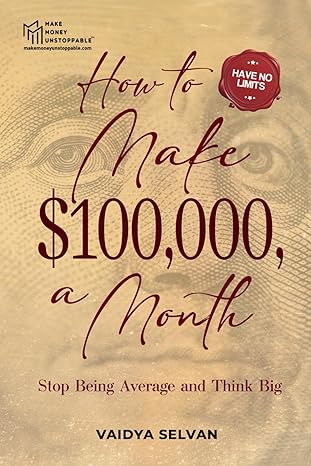
Stop Settling. Start Scaling.
Unlock the mindset, systems, and strategies top earners use to build unstoppable income.
Think Bigger. Earn Smarter.
This free eBook serves as your blueprint for scaling quickly, earning relentlessly, not settling for mediocrity, and living life on your terms.
Inside, you’ll discover:
- The Millionaire Mindset Blueprint
- Income streams that run on autopilot
- Entrepreneur hacks for focus and financial dominance
- One strategy to launch multiple income streams
- How to break free from “just enough”
- Tools to crush limiting beliefs and build your empire
Average doesn’t scale. Vision does. Download now and start your $100K/month transformation.
Yes, this eBook is free. Just drop in your email here to get instant access. ONE eBook per email.
The eBook is sent automatically and should arrive within minutes. Depending on your email provider, it may appear in your Spam or Promotions folder. While we don’t control its exact placement, you can be confident it has been dispatched and is waiting for you.
PLUS: Get Access to exclusive financial tips, learn everything about money and get early blog updates – delivered directly to your inbox .

These psychological levers may be woven into nearly every advertisement, subtly guiding consumer behavior and influencing spending decisions without overt awareness.
2. Emotional Manipulation in Marketing
Emotions play a pivotal role in consumer behavior. Advertisements may often bypass rational thought and logical thinking by appealing directly to feelings:
- Happiness and Nostalgia: Positive emotions may create favorable associations with products or services.
- Fear and Insecurity: Ads may highlight problems or deficiencies, positioning purchases as solutions.
- Desire and Aspiration: The right imagery and messaging may evoke dreams of success, beauty, or status, linking them to consumption.
By triggering emotional responses, advertisers can cultivate a sense of need that may not align with actual necessity.

3. The Illusion of Choice
Modern advertising can create the illusion of autonomy while subtly guiding decisions:
- Choice Architecture: The way options are presented may influence selection, often nudging consumers toward higher-margin items.
- Default Bias: Pre-selected options or recommendations may help reduce friction, increasing the likelihood of acceptance.
- Framing Techniques: Language and visuals may frame products in ways that highlight benefits while downplaying their drawbacks.
These tactics can shape perception and behavior, making consumers feel in control while steering them toward predetermined outcomes.
4. Digital Advertising and Behavioral Tracking
Digital platforms may have revolutionized advertising by enabling hyper-targeted campaigns:
- Behavioral Data Collection: Browsing history, search queries, and engagement metrics can inform personalized ad delivery.
- Retargeting Strategies: Ads may follow users across platforms, reinforcing brand presence and increasing the likelihood of conversion.
- Algorithmic Optimization: Machine learning models can predict consumer preferences and adjust ad content in real time.
This level of precision may help enhance effectiveness, but it also raises concerns about privacy and manipulation.

5. The Economics of Attention
In the attention economy, time and focus are valuable commodities:
- Interruptive Advertising: Pop-ups, autoplay videos, and sponsored content, all of which may compete for attention, often disrupting user experience.
- Content Integration: Native ads and influencer placements may blur the line between entertainment and promotion.
- Gamification and Rewards: Points, badges, and incentives may help encourage engagement, subtly reinforcing brand loyalty.
By monopolizing attention, advertisers may increase exposure and influence, often leading to habitual spending.
6. Cognitive Overload and Decision Fatigue
Constant exposure to advertising may contribute to mental fatigue:
- Information Saturation: The sheer volume of ads can overwhelm cognitive processing, reducing decision quality.
- Impulse Buying: Fatigued consumers are more likely to make impulsive purchases as a shortcut to avoid deliberation.
- Reduced Self-Control: Repeated exposure to persuasive messaging may erode resistance, making spending more likely.
Understanding these effects can help consumers recognize when their decision-making is being compromised.

7. The Role of Visual and Sensory Cues
Design elements may be meticulously crafted to influence behavior:
- Color Psychology: Specific colors may evoke emotions and associations that can impact perception and choice.
- Typography and Layout: Font styles and arrangement may guide attention and create brand identity.
- Sound and Motion: Music, jingles, and animations may enhance memorability and emotional impact.
These sensory cues are not arbitrary; they’re strategically deployed to help maximize engagement and conversion.

8. The Myth of Value and Utility
Advertisements may often distort perceptions of value:
- Price Anchoring: High initial prices may make discounts seem more attractive, even if the final price is inflated.
- Bundling and Upselling: Packages and add-ons can create a lower perceived value while increasing total spend.
- Artificial Differentiation: Minor variations may be exaggerated to justify premium pricing.
Consumers may believe they’re making rational choices, but these tactics may often lead to overvaluation and overspending.
9. Habit Formation and Brand Loyalty
Advertising aims to create long-term behavioral patterns:
- Repetition and Familiarity: Frequent exposure can help build recognition and trust, increasing the likelihood of making a purchase.
- Reward Cycles: Loyalty programs and incentives may help reinforce repeat behavior.
- Identity Association: Brands may position themselves as extensions of personal identity, thus fostering emotional attachment.

These strategies can cultivate habits that may persist over time, often leading to automatic and unconscious spending.
10. Defensive Strategies for Consumers
Awareness may be the first line of defense against manipulative advertising:
- Critical Thinking: Question the intent behind messaging and evaluate actual need versus perceived desire.
- Budgeting and Planning: Establish spending limits and prioritize essential purchases.
- Ad Blockers and Privacy Tools: Limit exposure to targeted advertising and protect personal data.
- Mindful Consumption: Practice intentional purchasing based on values and long-term goals. Buy only what you truly need, and not because it is on sale.
By adopting these strategies, consumers can reclaim control over their financial decisions.

Conclusion: Empower Your Wallet Through Awareness
Reclaiming Financial Autonomy
Advertising is not just about selling. It’s about shaping perception, behavior, and identity. From emotional triggers to digital tracking, marketing tactics may be designed to bypass rational thought and quietly influence spending decisions. These strategies may often be so subtle and pervasive that consumers may not even realize they’re being guided toward purchases they didn’t intend to make.
Awareness is a powerful catalyst for change, and your wallet is firmly within your control. By understanding the psychological tactics behind advertising, such as scarcity, social proof, and emotional manipulation, you can begin to spot the subtle cues that drive impulsive decisions. With this insight, it becomes much easier to pause, reflect, and make intentional choices when you make any purchase.
Equipping yourself with practical tools like budgeting strategies, ad blockers, and mindful consumption habits can help serve as strong defenses against overspending and financial strain, helping you protect your resources and prioritize what truly matters.
The path to financial autonomy starts with informed choices. When you learn to decode the language of advertising, you can reclaim control over your wallet, your attention, and your values.
Let this knowledge be your filter, helping you spend with intention rather than through persuasion. Because in a world designed to make you consume, choosing not to is a radical act of empowerment.
Join the conversation! Drop your thoughts in the comments below, and let’s keep the discussion going.
From Experience to insight : Transformational reads for the Strategic mind
Foundational readings for big shifts:
- How to Track Spending without Getting Overwhelmed
- The 7-Day Money Reset Plan: Take Back Control In Just One Week
- Are You Throwing Away $5,000 a Year on Food Waste Without Realizing It?
- The Real Cost of Owning a Big Home
- The Psychology of Spending: Why We Overspend and How to Stop It
- Mastering the Envelope Method

Author: Vaidya Selvan
Welcome to Make Money Unstoppable Personal Finance Made Simple, a blog born out of necessity, a space created from real-life experiences, hard-earned lessons, and a deep-seated desire to share what I wish someone had taught me or had known sooner.

Newsletter Invite
Want more real-world information on Money? Join my newsletter for practical tips, updates on my books, and strategies to help you build financial freedom on your terms.
Yes, the eBook is also free. Just drop in your email here to get instant access. ONE eBook per email.
The eBook is sent automatically and should arrive within minutes. Depending on your email provider, it may appear in your Spam or Promotions folder. While we don’t control its exact placement, you can be confident it has been dispatched and is waiting for you.
#FinancialFreedom #Newsletter #MoneyTips
Like this blog?
Related Blogs