
The Psychology of Snack Visibility: Why Out of Sight Means Out of Mind
Introduction: The Hidden Influence of Visibility on Snack Choices
Snacking has become one of the most universal eating behaviors, woven into daily routines across cultures and lifestyles.
Yet, what often goes unnoticed is that our snack choices are not driven solely by hunger or preference.
They are profoundly shaped by visibility.
Last Updated: January 27, 2026

Disclaimer: I am not a licensed financial advisor, financial planner, tax professional, attorney, or employment consultant. The information provided in this blog is intended solely for general informational and educational purposes. This content should not be interpreted or construed as professional advice on financial, legal, tax, employment, or career matters. Always consult a qualified professional before making decisions that affect your personal situation. For transparency, some articles may include AI-assisted content. The idea is original and developed independently. All material is reviewed, edited, and approved before publication to ensure clarity and accuracy.
The simple act of seeing a snack can trigger the decision to buy it, reach for it, and consume it. Conversely, if snacks are not visible, they are far less likely to enter our shopping carts or our diets. This principle is deceptively simple but remarkably powerful: out of sight truly means out of mind.
Visibility exerts a silent influence on consumer behavior, purchasing decisions, and eating habits. It extends well beyond personal taste, tapping into subconscious cues that shape what we eat and when we eat it. The placement of snacks in stores, the accessibility of packaging at home, and the subtle signals of availability all play decisive roles in whether a snack becomes part of someone’s daily routine or remains untouched.
Understanding this hidden influence is essential for anyone seeking to manage their eating habits more mindfully. By recognizing how visibility drives consumption, we can take practical steps to reshape our environment, reduce temptation, and encourage healthier choices.
In this blog, we will explore the psychology of snack visibility, dissect the mechanisms behind consumer decisions, and provide practical strategies for managing snack consumption. From placement and accessibility to packaging and impulse buying, we will uncover how visibility may be silently governing our snack behavior and how mastering it can empower healthier, more intentional eating habits.
Table of Contents
- Why People Snack
- The Balance of Snacking
- Snack Visibility Secrets: The Psychology of Snack Visibility
- How Placement Shapes Consumer Behavior
- The Role of Accessibility in Eating Habits
- Packaging and Its Influence on Snack Appeal
- The Connection Between Visibility and Impulse Buying
- Mindful Consumption: Reducing Snack Temptation
- Healthy Eating Habits Through Strategic Visibility
- The Science of “Out of Sight, Out of Mind”
- Practical Strategies for Managing Snack Choices
- From Occasional Bites to Daily Rituals: The History of Snacking Between Meals
- The Origins of Snacking
- Why Snacking Became a Habit
- The Shift to Snack Culture
- Pros and Cons of Snacking: How Small Bites Shape Big Habits
- Practical Ways to Avoid Buying Snacks
- Final Practical Thought
- Conclusion: Visibility as the Silent Driver of Snack Behavior
Why People Snack
-
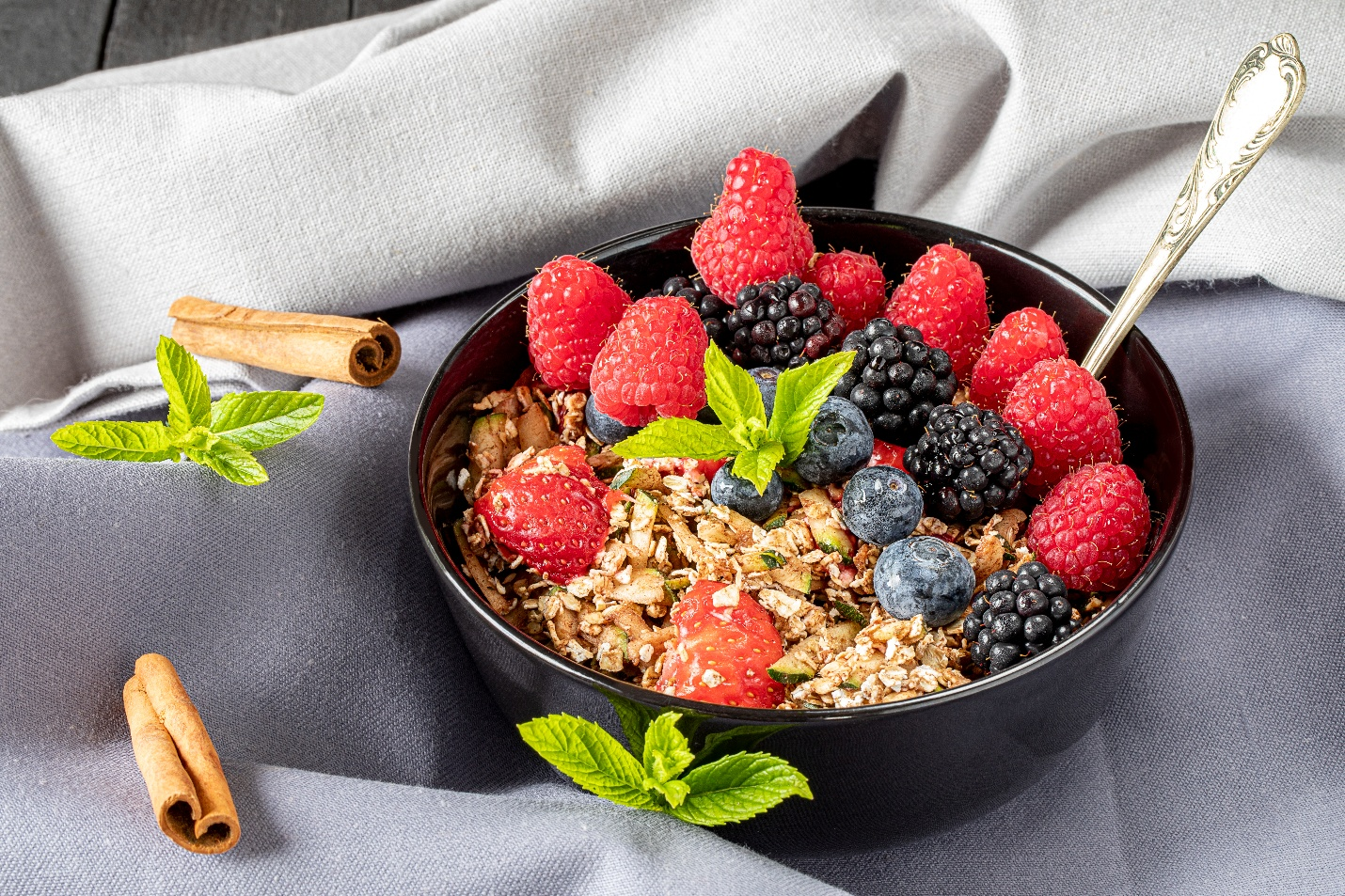
Energy Management
- Snacks may provide quick fuel when energy dips between meals.
- They may help maintain blood sugar levels, preventing fatigue or irritability.
-
Hunger Regulation
- Small portions between meals can prevent overeating later.
- Snacking may help bridge long gaps between meals, especially with busy schedules.
-
Nutrient Boost
- Healthy snacks such as fruits, nuts, and vegetables can provide essential vitamins, minerals, and fiber.
- They can help fill the nutritional gaps that main meals might miss.
-
Convenience and Lifestyle
- Modern routines often don’t allow time for three well-structured meals.
- Portable snacks may fit into fast-paced lifestyles, commutes, and work breaks.

Unlock your financial freedom.
Download this FREE eBook!.
How to make $100,000/month? Stop being average and think big.
Stop Settling. Start Scaling.
Unlock the mindset, systems, and strategies top earners use to build unstoppable income.
Think Bigger. Earn Smarter.
This free eBook serves as your blueprint for scaling quickly, earning relentlessly, not settling for mediocrity, and living life on your terms.
Inside, you’ll discover:
- The Millionaire Mindset Blueprint
- Income streams that run on autopilot
- Entrepreneur hacks for focus and financial dominance
- One strategy to launch multiple income streams
- How to break free from “just enough”
- Tools to crush limiting beliefs and build your empire
Average doesn’t scale. Vision does. Download now and start your $100K/month transformation.
Yes, this eBook is free. Just drop in your email here to get instant access. ONE eBook per email.
The eBook is sent automatically and should arrive within minutes. Depending on your email provider, it may appear in your Spam or Promotions folder. While we don’t control its exact placement, you can be confident it has been dispatched and is waiting for you.
PLUS: Get Access to exclusive financial tips, learn everything about money and get early blog updates – delivered directly to your inbox .
-
Psychological and Emotional Factors
- Snacking can be triggered by stress, boredom, or habit.
- Visibility and accessibility—seeing snacks around you—may strongly influence consumption.
The Balance of Snacking
- Positive: When chosen mindfully, snacks may help support energy, nutrition, and appetite control.
- Negative: When chosen impulsively, snacks can lead to excess calories, poor diet quality, and disrupted hunger cues.
We snack because our bodies seek energy, our minds respond to cues, and our lifestyles demand convenience. The real question isn’t why we snack: it’s how we can snack wisely. Done right, snacking can be a tool for health and balance. Done poorly, it can quietly sabotage long-term goals.
Snack Visibility Secrets: How Psychology, Placement, and Packaging Influence What We Eat
-
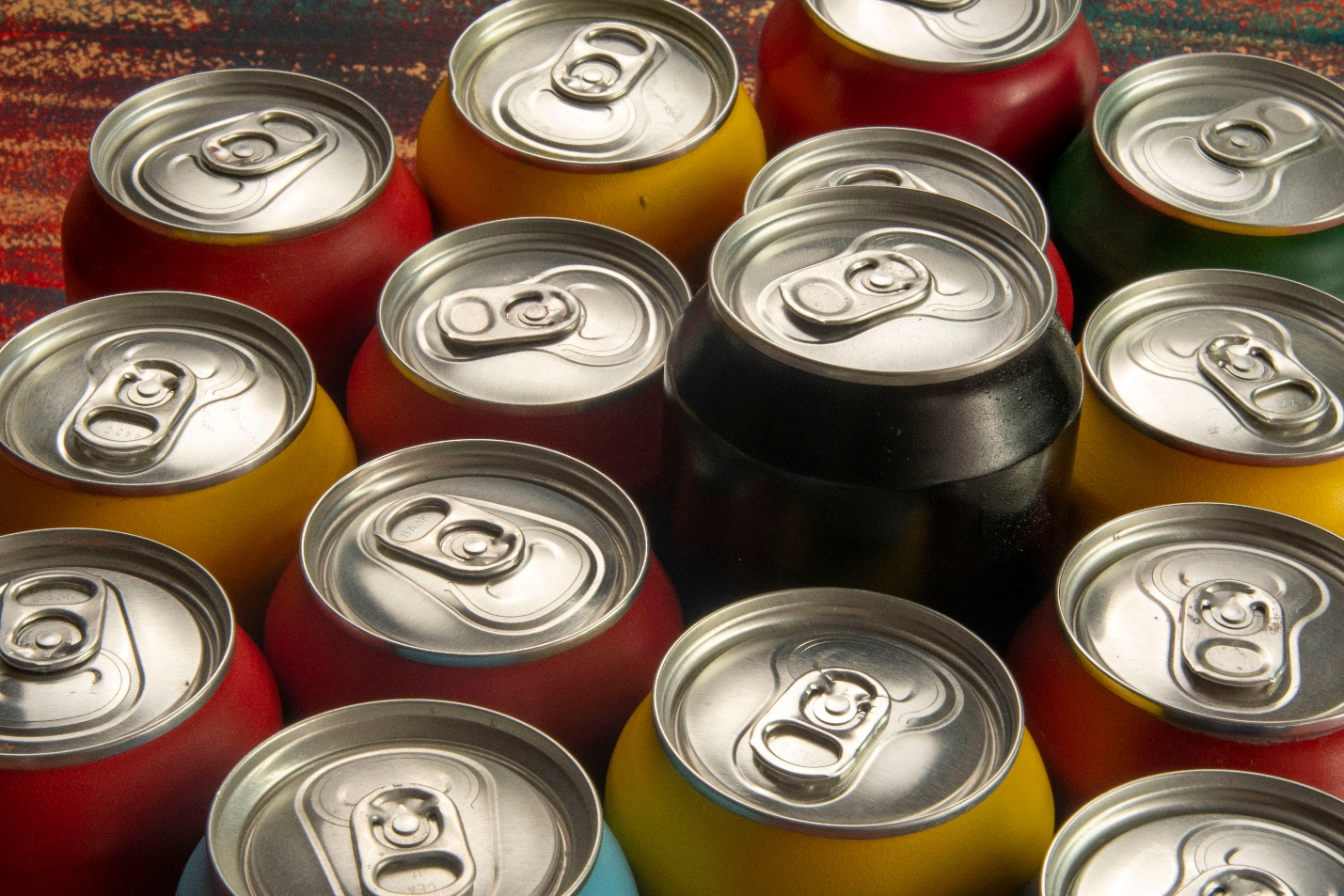
The Psychology of Snack Visibility
- Human behavior may be strongly influenced by environmental cues.
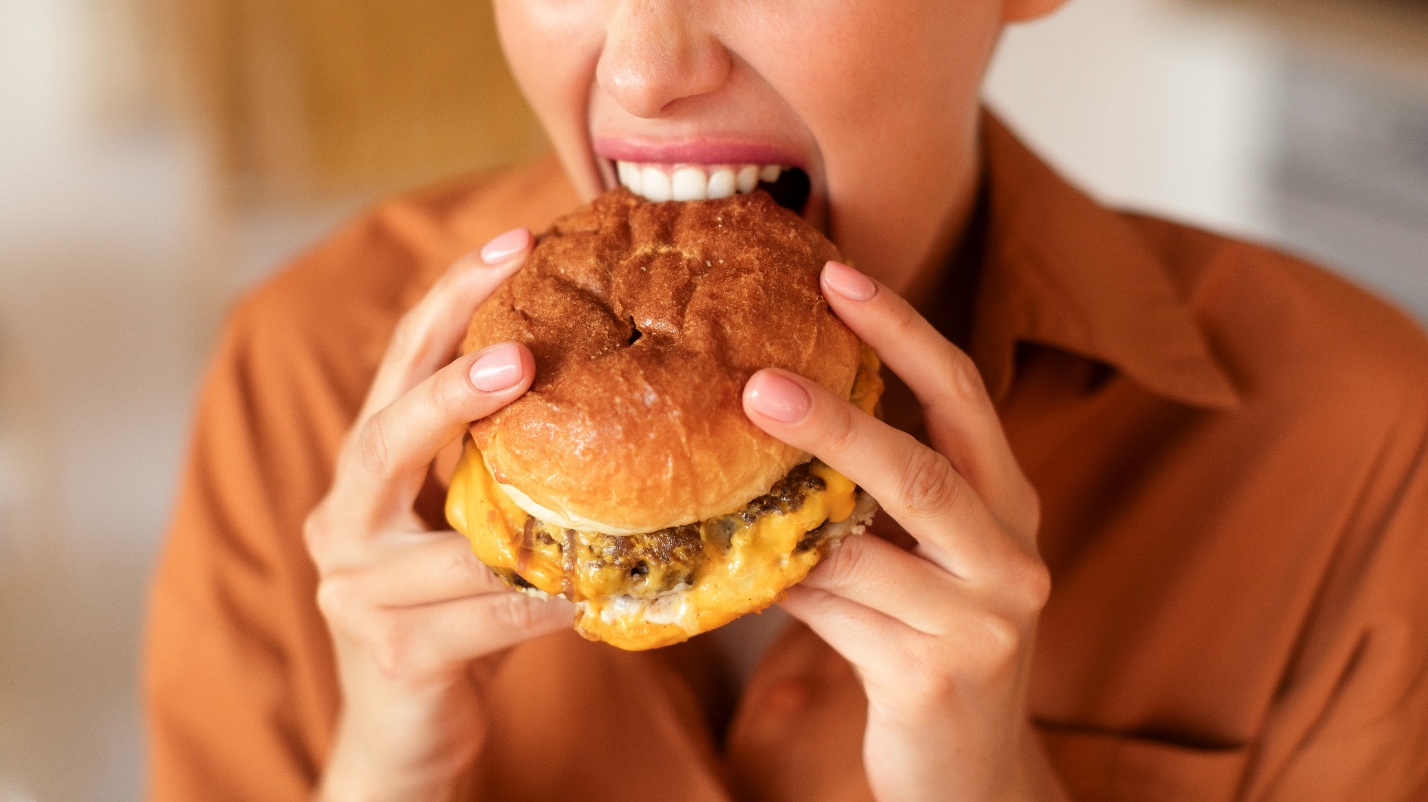
- Snacks that are visible can trigger automatic responses, often leading to consumption without any conscious planning.
- Visibility creates perceived availability, which increases the likelihood of purchase.
- The absence of visibility may reduce temptation and lower consumption frequency.
- Snack visibility may operate on subconscious levels, shaping our decisions without any deliberate thought.
-
How Placement Shapes Consumer Behavior
- Placement in high-traffic areas may increase snack exposure.
- Eye-level positioning may enhance perceived importance, branding, and desirability.
- Hidden or less accessible placement may reduce impulse decisions.
- Strategic positioning may influence both purchasing and eating patterns.
- Placement is a silent but powerful marketing tool.
-
The Role of Accessibility in Eating Habits
- Accessibility determines whether snacks are consumed regularly or occasionally.
- Easy-to-reach snacks can encourage frequent consumption.
- Limited accessibility may create natural barriers to overindulgence.
- Accessibility interacts with visibility to amplify or reduce temptation.
- Restricting accessibility may help support healthier eating habits.
-
Packaging and Its Influence on Snack Appeal
- Attractive packaging can enhance visibility and desirability.
- Transparent packaging may increase consumption by showcasing its contents.
- Minimalist packaging may reduce visual stimulation and temptation.
- Packaging design may influence perceived freshness and quality.
- Visibility through packaging is a critical factor in snack appeal.
- Marketing also plays a major role in influencing consumer psychology.
-
The Connection Between Visibility and Impulse Buying
- Impulse buying is often triggered by immediate visual cues.
- Snacks positioned prominently may trigger unplanned purchases.
- Reduced visibility can lower impulse buying tendencies.
- Visibility interacts with emotional states to influence buying decisions.
- Managing visibility is a practical way to reduce impulsive snack purchases.
-
Mindful Consumption: Reducing Snack Temptation
- Mindful consumption begins with awareness of visibility.
- Reducing exposure to snacks can support healthier choices.
- Conscious placement of hidden snacks can minimize temptation.
- Mindfulness can transform snack consumption from automatic to intentional.
- Visibility management is a cornerstone of mindful eating.
-
Healthy Eating Habits Through Strategic Visibility
- Attractive packaging can enhance visibility and desirability.
- Transparent packaging may increase consumption by showcasing its contents.
- Minimalist packaging may reduce visual stimulation and temptation.
- Packaging design may influence perceived freshness and quality.
- Visibility through packaging is a critical factor in snack appeal.
- Marketing also plays a major role in influencing consumer psychology.
-
The Science of “Out of Sight, Out of Mind”
- Psychological studies confirm that unseen items are less likely to be consumed.
- Visibility creates mental availability, shaping decisions subconsciously.
- Removing visual cues can reduce cravings and consumption frequency.
- The principle applies universally across all snack categories.
- “Out of sight, out of mind” is a scientifically validated concept in consumer behavior.
-
Practical Strategies for Managing Snack Choices
This may be helpful to you:
- First of all, don’t buy it — if you don’t purchase it, you can’t consume it. This is the most basic rule.
- Store snacks in less visible areas to reduce temptation.
- Use opaque containers to minimize visual stimulation.
- Position healthier options in accessible, eye-level locations.
- Limit accessibility to encourage mindful consumption.
- Apply visibility strategies consistently to build healthier habits.
From Occasional Bites to Daily Rituals: The History of Snacking Between Meals
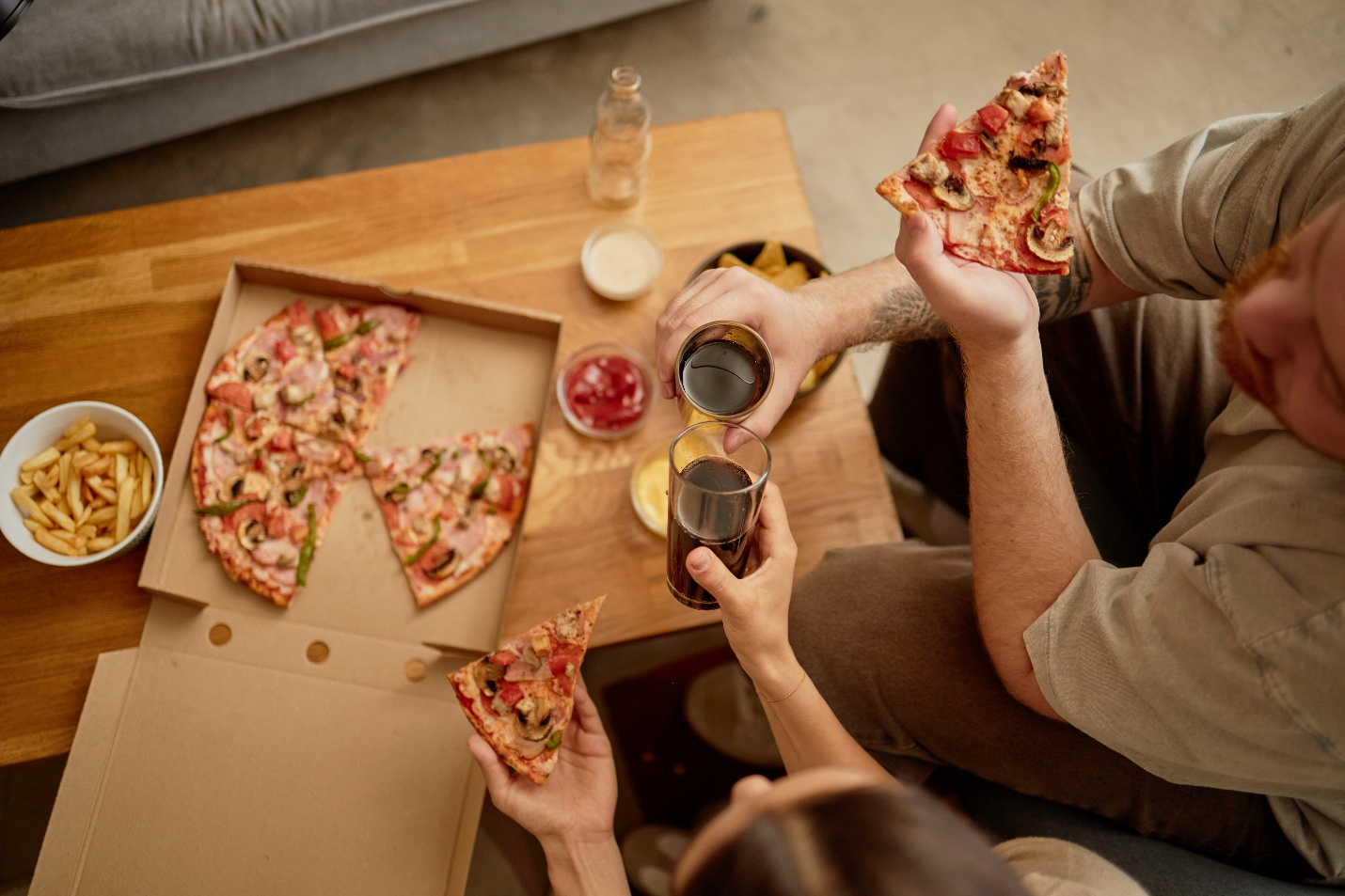
Snacking between meals became common in the late 20th century, especially from the 1970s onward, when cultural, economic, and lifestyle changes reshaped our eating patterns. While humans have always eaten small foods outside of formal meals, the modern “snack culture” emerged as traditional three-meal routines gave way to convenience, marketing, and busier schedules.
The Origins of Snacking
- Early history: People have always consumed small bites between meals, often tied to the availability of food or cultural traditions. In medieval and early modern times, meals were less structured, and eating outside of set times was not unusual.
- Industrialization: As work schedules became more rigid in the 19th and 20th centuries, the idea of “three square meals” became the norm. Snacks were seen as indulgences or fillers between meals.
- Modern snack culture: By the late 1970s and early 1980s, cultural and economic shifts — including more women entering the workforce, longer commutes, and the rise of convenience foods — fueled a boom in snacking. Marketing campaigns and packaged snack innovations made snacks more accessible and normalized.
Why Snacking Became a Habit
- Energy dips: People often experience hunger or fatigue a few hours after meals, leading to small bites for quick energy.
- Convenience: Packaged, portable foods made snacking easy during busy schedules.
- Marketing influence: Snack products were promoted heavily, reshaping consumer expectations and making snacks part of daily routines.
- Changing meal structures: Breakfast, lunch, and dinner became less rigid, with snacks sometimes replacing meals altogether.
- Global trend: Today, snacking is widespread worldwide, with surveys showing that over 90% of consumers eat at least one snack per day.
The Shift to Snack Culture
- From occasional to routine: What began as occasional bites became a structured part of daily eating.
- Lifestyle-driven: Busy schedules, urbanization, and global food marketing contributed to the reinforcement of the habit.
- Health-conscious evolution: In recent years, snacks have shifted toward smaller, nutrient-rich options, reflecting consumer demand for healthier choices.
The habit of consuming snacks between meals is both ancient and modern. While humans have always eaten outside of formal mealtimes, the true rise of snack culture happened in the late 20th century, when convenience, marketing, and lifestyle changes made snacking not just common but expected.
Pros and Cons of Snacking: How Small Bites Shape Big Habits
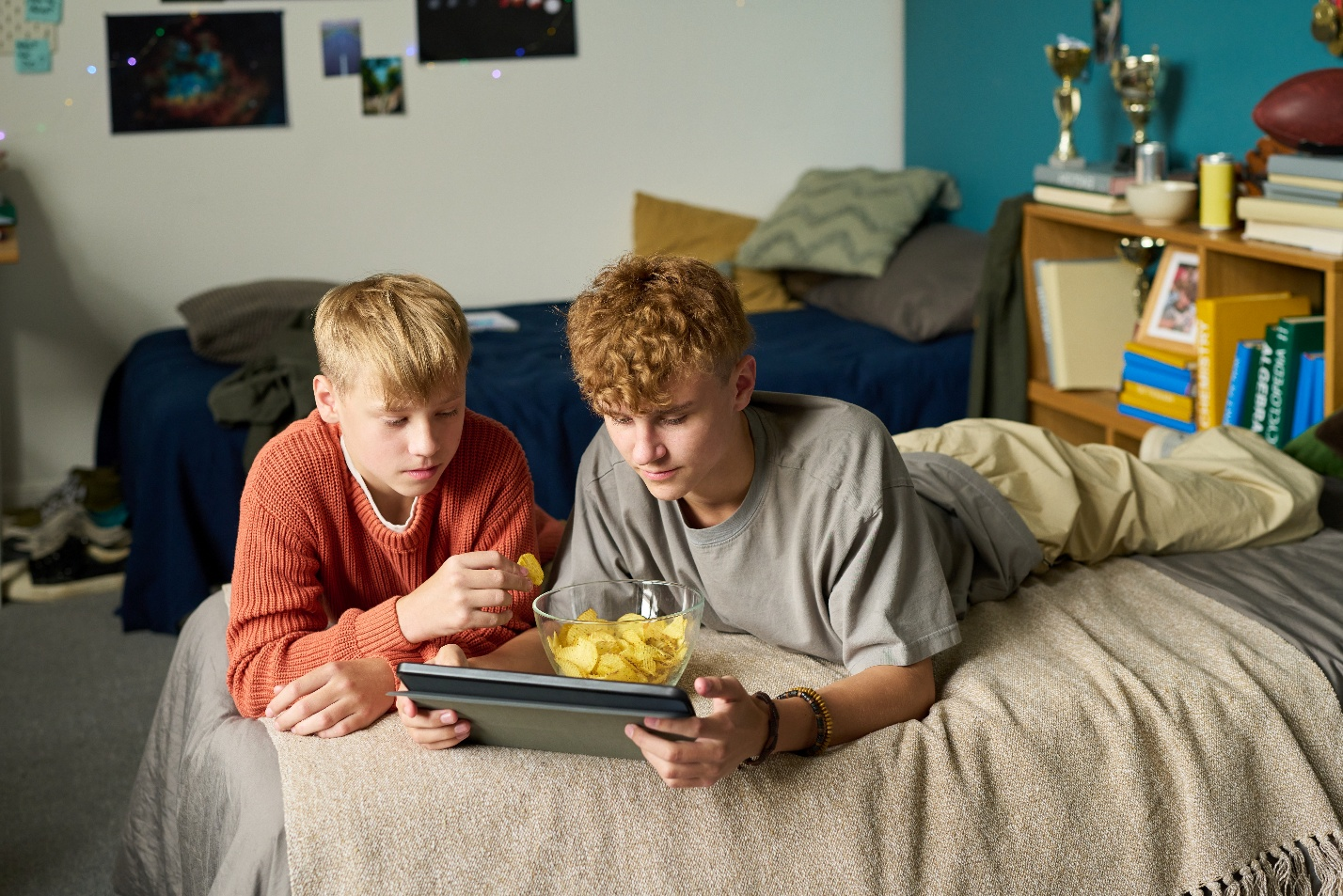
Snacking has both benefits and drawbacks — it can support energy and nutrition when done mindfully, but it can also lead to overeating and poor diet quality if unmanaged.
Pros of Snacking
- Maintains energy levels: Snacks can help sustain energy between meals, especially during long gaps.
- Prevents overeating: Eating a small snack can curb hunger and reduce the likelihood of overeating at the next meal.
- Supports nutrient intake: Healthy snacks like fruits, vegetables, nuts, or yogurt provide essential vitamins, minerals, and fiber.
- Stabilizes blood sugar: Balanced snacks can help regulate blood glucose, particularly for those prone to energy dips.
- Useful for children and active individuals: Smaller stomach capacity or higher energy demands can make snacks an important part of daily nutrition.
- Risk of weight gain: Frequent snacking, especially on high-calorie foods, can lead to excess calorie intake.
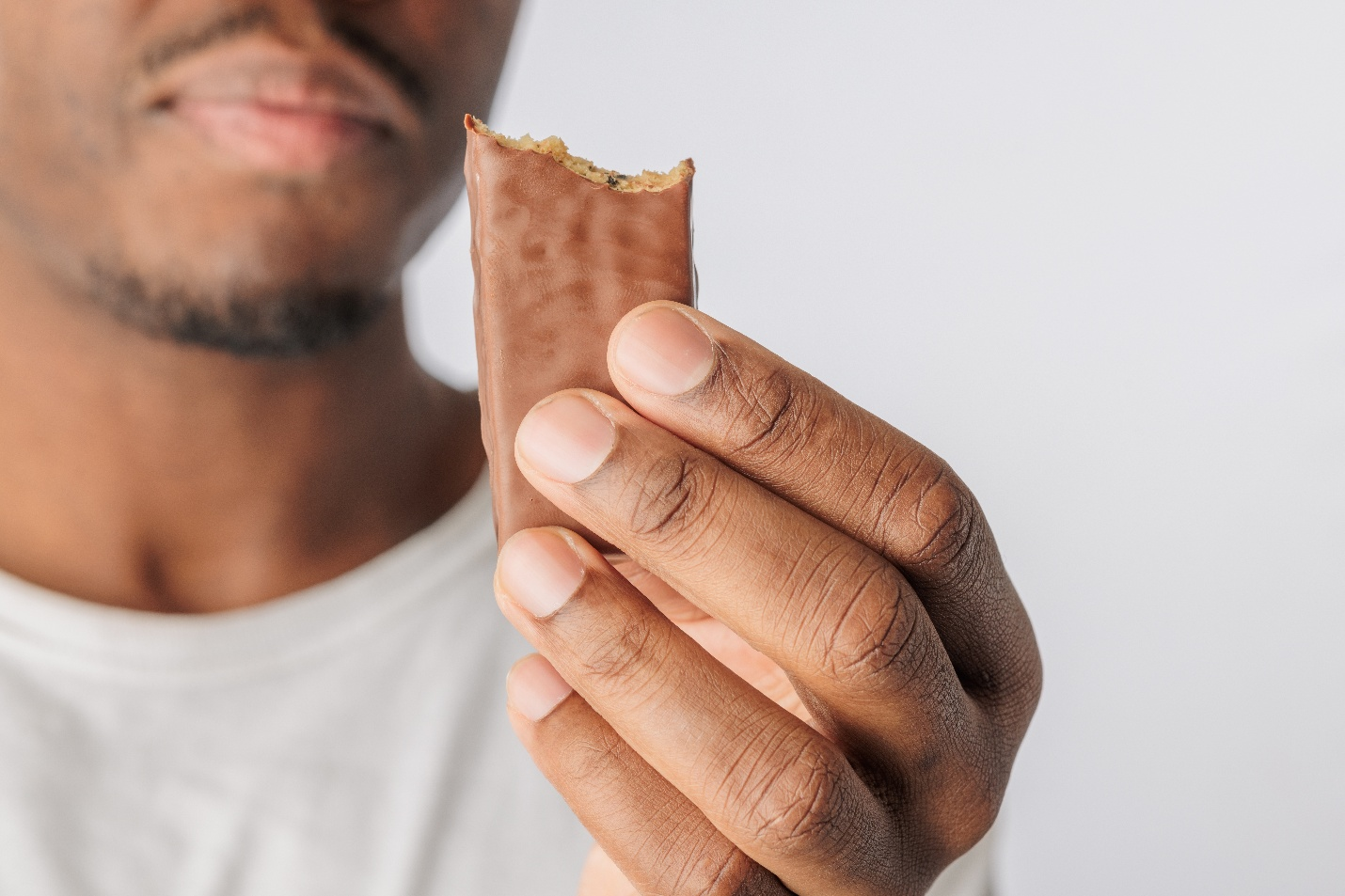
- Poor diet quality: Many common snack foods may be high in sugar, salt, and saturated fat, offering little nutritional value.
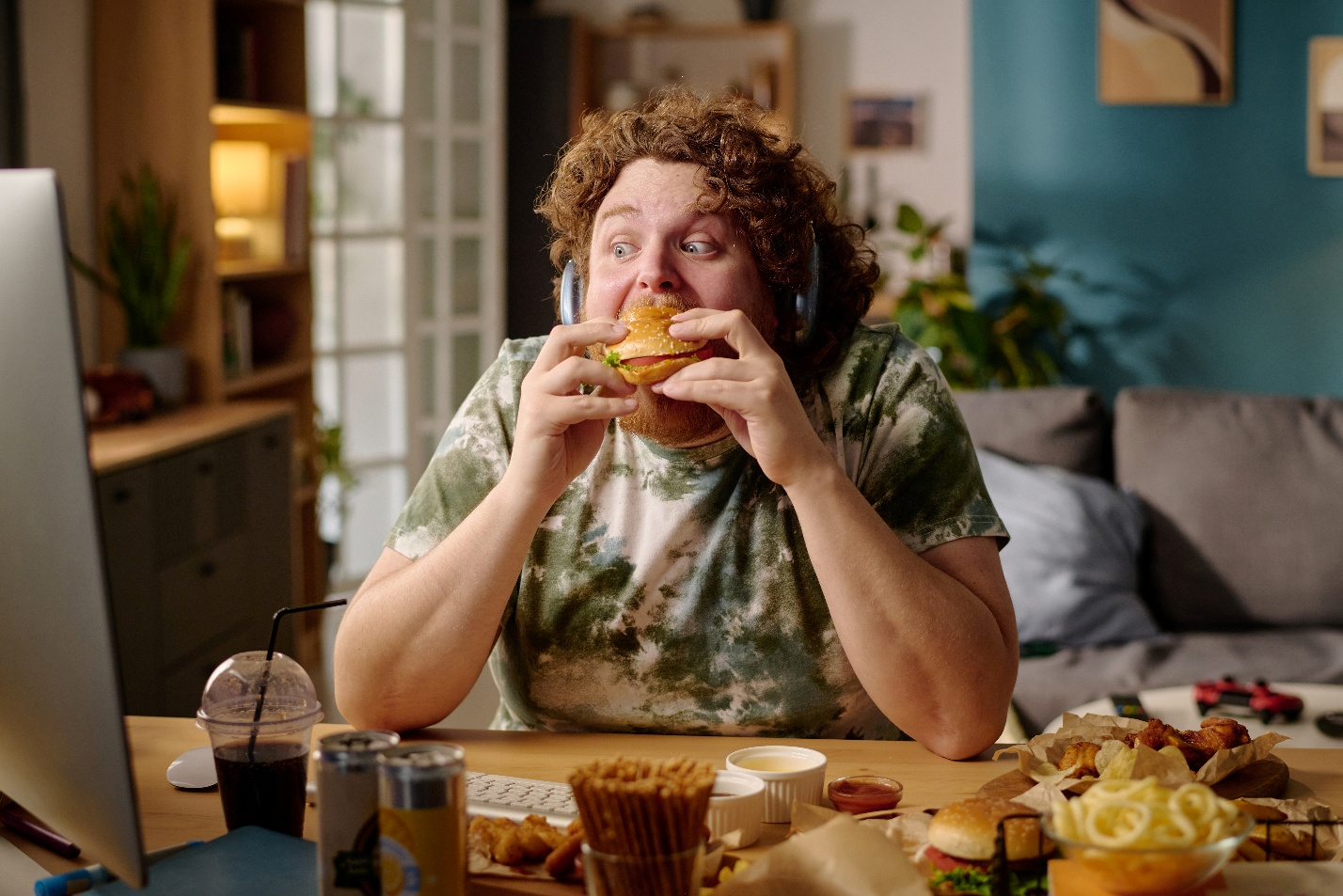
- Encourages mindless eating: Snacks are often consumed out of habit, boredom, or convenience rather than actual hunger.
- Disrupts appetite regulation: Constant snacking can dull natural hunger cues, making it harder to distinguish true hunger from cravings.
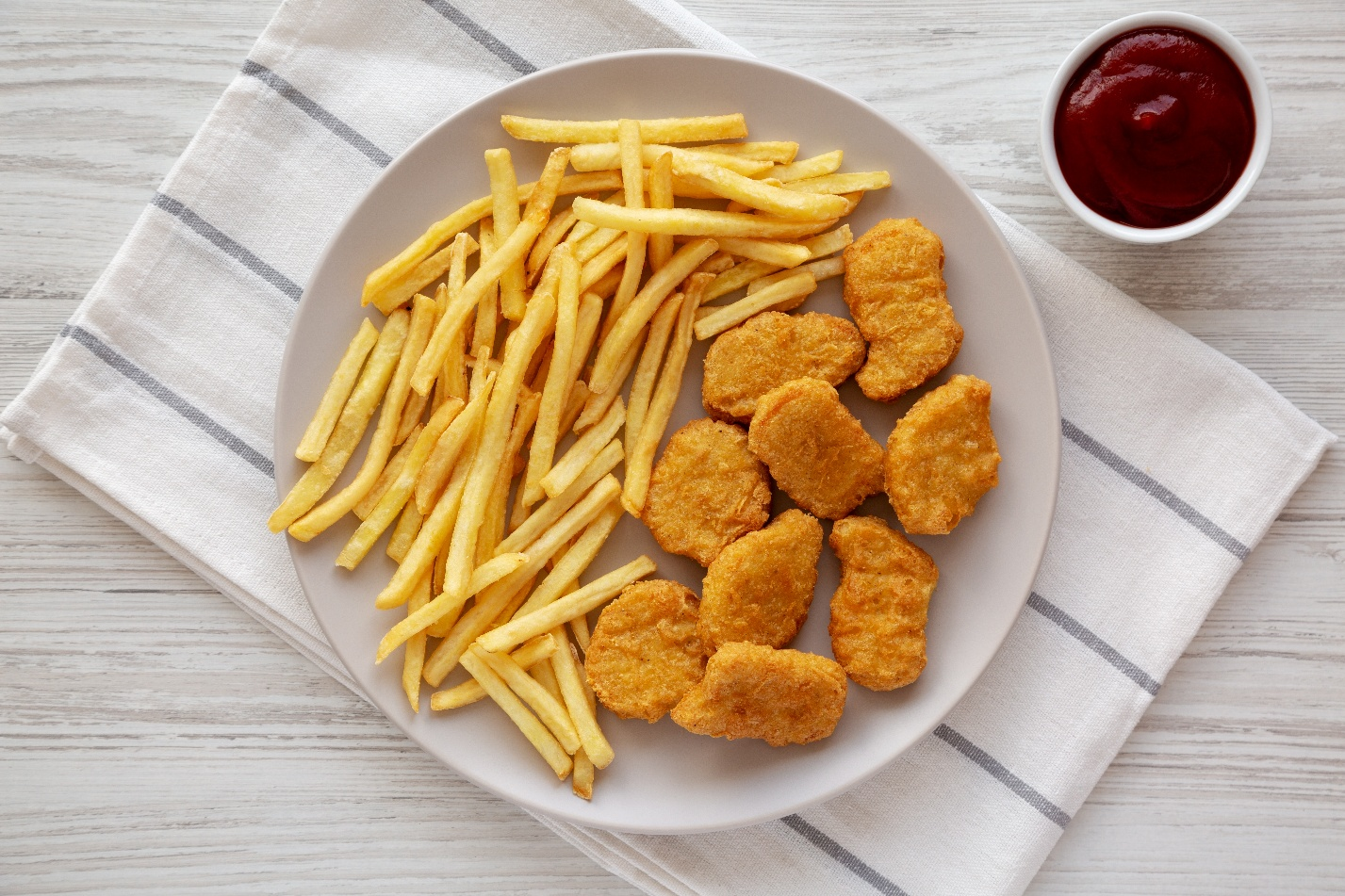
- Marketing influence: Snack products are often designed to be visually appealing and addictive, encouraging overconsumption.
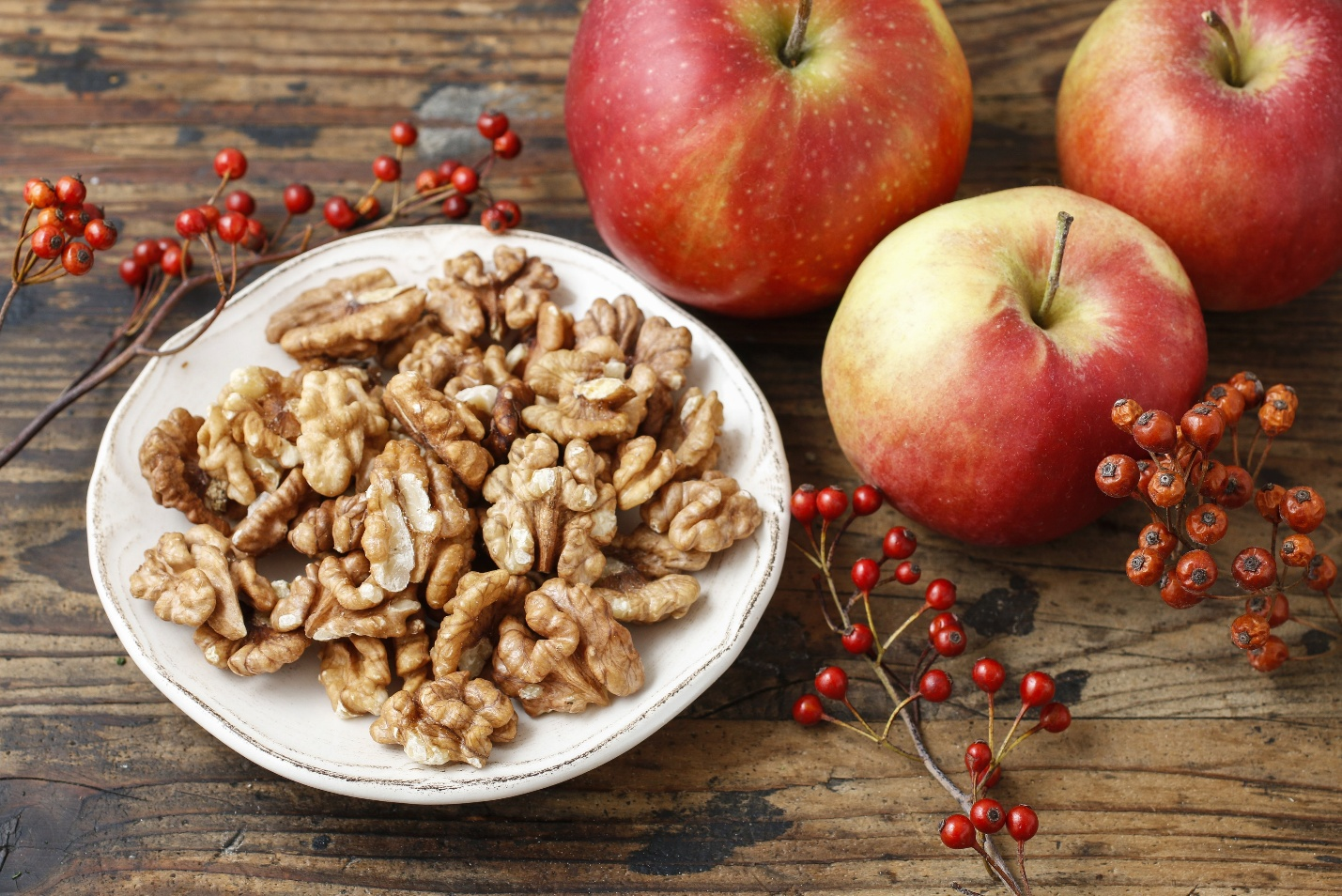
Snacking itself is neither inherently good nor bad: the impact depends on what, when, and how much you snack. Choosing nutrient-dense options, limiting portion sizes, and being mindful of hunger cues can make snacking a positive part of a balanced diet. On the other hand, frequent consumption of processed, calorie-dense snacks can undermine our health goals.
Practical Ways to Avoid Buying Snacks
- Shop With a List and Stick to It
- Create a clear grocery list before heading to the store.
- Include only essentials and healthier options.
- Avoid wandering into aisles dedicated to snacks.
- Eat Before You Shop
- Shopping while hungry has been shown to increase impulse purchases.
- A full stomach can reduce cravings and make it easier to resist on-the-go snacks.
- Limit Exposure to Snack Aisles
- Plan your route through the store to avoid snack-heavy sections.
- Out of sight truly means out of mind — if you don’t see them, you’re less likely to buy them.
- Choose Smaller Baskets or Bags
- Using a smaller cart or a small basket can naturally limit how much you can carry.
- This may encourage prioritizing essentials over extras like snacks.
- Practice the “Pause Rule.”
- If tempted, pause for 30 seconds and ask: Do I really need this?
- This short reflection may often break the impulse-buying cycle.
- Focus on Whole Foods
- Fill your cart with fresh produce, grains, and proteins first.
- When the cart is full of essentials, there’s less room and less mental space for snacks.
- Avoid Marketing Traps
- Snacks may often be placed at eye level or near checkouts to trigger impulse buys.
- Be mindful of these placements and consciously ignore them.
- Set a Budget
- Allocate a strict budget for groceries.
- Knowing you have limited funds makes it easier to skip non-essential items like snacks.
- Use Online Ordering or Delivery
- Shopping online may reduce exposure to snack aisles, because there are none.
- You can filter by essentials and avoid browsing categories that may tempt you.
- Reframe Your Mindset
- Remind yourself: If I don’t buy it, I won’t eat it.
- This simple mantra can help reinforce discipline and help you stay focused on your long-term health goals.

Final Practical Thought
Avoiding snacks starts before they ever enter your home. By controlling your environment at the store: through lists, mindful shopping, and limiting exposure, you can now take charge of your habits.
This principle is simple yet powerful: if you don’t see it and don’t buy it, you won’t eat it. So, it never gets a chance to enter your home.
Conclusion: Visibility as the Silent Driver of Snack Behavior
Snack consumption is not simply a matter of taste or preference: it is profoundly shaped by visibility and accessibility. The principle is clear: if snacks are not seen, they are far less likely to be purchased or eaten. This is not just a psychological curiosity; it is a practical tool that anyone can use to influence their own eating habits.
By understanding the psychology of visibility, we can take control of our snack choices. Strategic placement, mindful accessibility, and packaging awareness all may serve as powerful levers for healthier living.

- Store snacks out of sight: Placing them in opaque containers or on higher shelves may reduce temptation.
- Make healthier options visible: Fruits, nuts, or other balanced choices placed at eye level can encourage better decisions.
- Limit accessibility: Keeping indulgent snacks in less convenient locations may naturally help reduce the frequency of their consumption.
- Be mindful of packaging cues: Bright, transparent, or oversized packaging may be designed to catch attention.
Key lesson: Visibility is the silent driver of snack behavior. Out of sight truly means out of mind — and out of mouth. If you do not see it, you are far less likely to buy it, and if you do not buy it, you will not eat it. This principle applies universally across all snack categories worldwide.
Ultimately, visibility management is not about restriction, but about empowerment. By shaping your environment, you shape your habits. Key takeaway: Control what you see, and you can control what you consume.
Join the conversation! Drop your thoughts in the comments below, and let’s keep the discussion going.
From Experience to insight : Transformational reads for the Strategic mind
Foundational readings for big shifts:
- How to Track Spending without Getting Overwhelmed
- The 7-Day Money Reset Plan: Take Back Control In Just One Week
- Are You Throwing Away $5,000 a Year on Food Waste Without Realizing It?
- The Real Cost of Owning a Big Home
- The Psychology of Spending: Why We Overspend and How to Stop It
- Mastering the Envelope Method
Author: Vaidya Selvan
Welcome to Make Money Unstoppable Personal Finance Made Simple, a blog born out of necessity, a space created from real-life experiences, hard-earned lessons, and a deep-seated desire to share what I wish someone had taught me or had known sooner.

Newsletter Invite
Want more real-world information on Money? Join my newsletter for practical tips, updates on my books, and strategies to help you build financial freedom on your terms.
Yes, the eBook is also free. Just drop in your email here to get instant access. ONE eBook per email.
The eBook is sent automatically and should arrive within minutes. Depending on your email provider, it may appear in your Spam or Promotions folder. While we don’t control its exact placement, you can be confident it has been dispatched and is waiting for you.
#FinancialFreedom #Newsletter #MoneyTips
Like this blog?
Related Blogs