


The True Cost of Home Cooking vs Dining Out: A Simple, Clear, and Complete Cost Comparison Guide
Introduction
Understanding the Real Cost of Your Meals
Choosing between preparing meals at home and dining out is something many people think about every day. The decision may often feel simple, but the real cost difference is not always easy to see. This blog breaks down the full cost comparison in very plain and clear language so that anyone can understand it.
Last Updated: February 24, 2026

Disclaimer: I am not a licensed financial advisor, financial planner, tax professional, attorney, or employment consultant. The information provided in this blog is intended solely for general informational and educational purposes. This content should not be interpreted or construed as professional advice on financial, legal, tax, employment, or career matters. Always consult a qualified professional before making decisions that affect your personal situation. For transparency, some articles may include AI-assisted content. The idea is original and developed independently. All material is reviewed, edited, and approved before publication to ensure clarity and accuracy.
This introduction sets the stage for a deeper look at the financial, practical, and lifestyle factors that shape the true cost of eating at home versus eating out. The goal is to give you a complete, balanced, and easy-to-follow explanation so you can make informed choices that fit your needs, your budget, and your daily life.
You will learn how to compare direct costs, hidden costs, time costs, and long-term costs. You will also explore how convenience, planning, and personal habits influence the overall value of each option. By the end, you will have a clear understanding of how to evaluate your own situation and choose the option that works best for you.
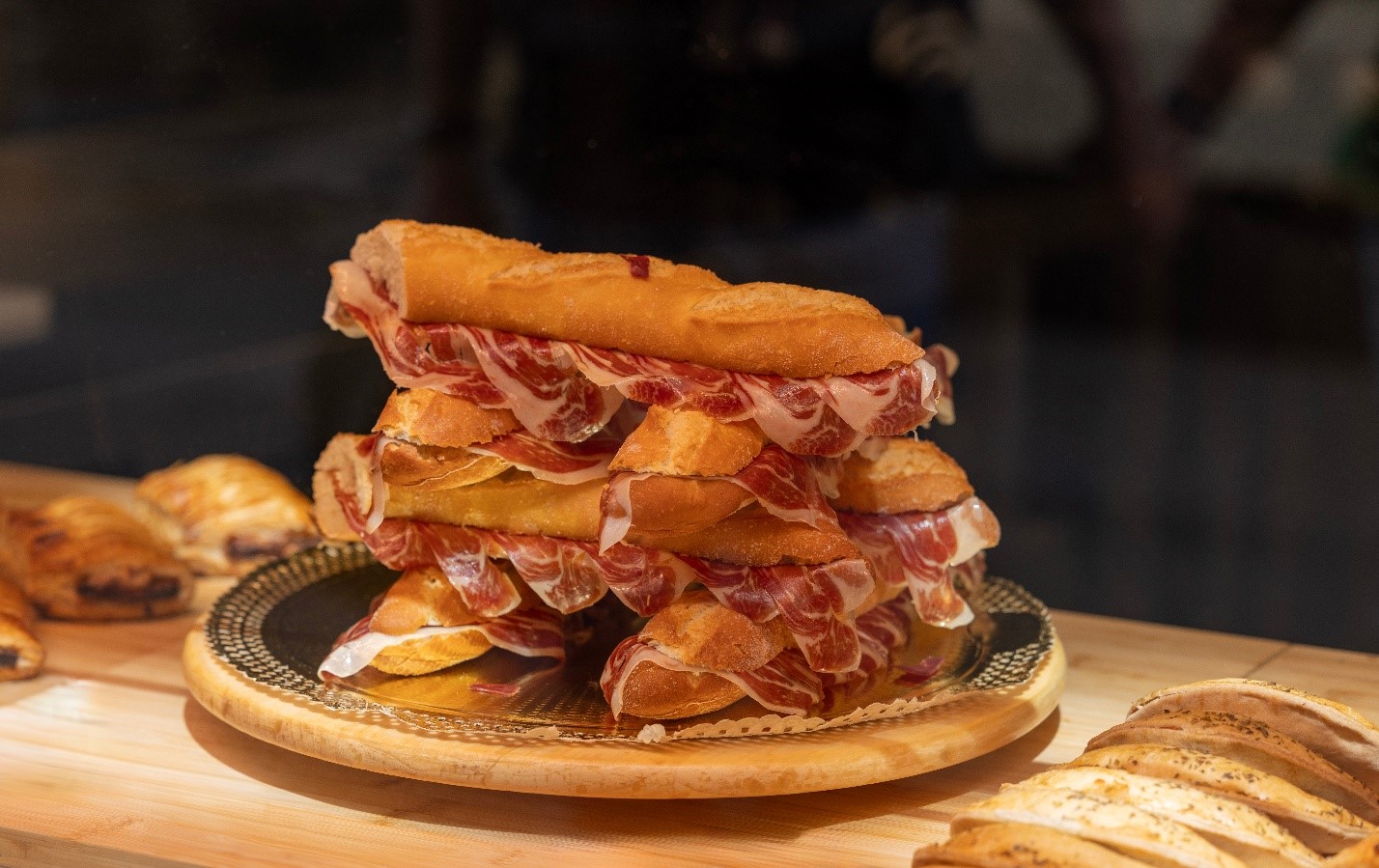
Complete Cost Comparison Guide: Home Cooking vs Dining Out
Table of Contents
- Understanding the Real Cost of Home Cooking
- Understanding the Real Cost of Dining Out
- Hidden Costs That Affect Both Options
- Time Costs and Convenience Factors
- Long-Term Financial Impact
- Health and Lifestyle Considerations
- Environmental and Resource Use Factors
- How to Make the Best Choice for Your Needs
- Conclusion: Making Smart, Simple, and Sustainable Meal Decisions
1. Understanding the Real Cost of Home Cooking
Home cooking is often seen as the more affordable option, but the true cost may depend on several factors. When you prepare meals at home, you control the ingredients, the portions, and the preparation methods. This gives you more flexibility, but it also requires planning and an orchestrated effort.

Unlock your financial freedom.
Download this FREE eBook!.
How to make $100,000/month? Stop being average and think big.
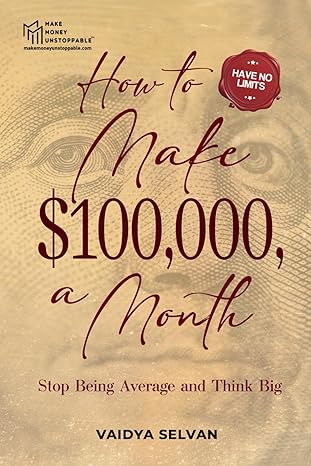
Stop Settling. Start Scaling.
Unlock the mindset, systems, and strategies top earners use to build unstoppable income.
Think Bigger. Earn Smarter.
This free eBook serves as your blueprint for scaling quickly, earning relentlessly, not settling for mediocrity, and living life on your terms.
Inside, you’ll discover:
- The Millionaire Mindset Blueprint
- Income streams that run on autopilot
- Entrepreneur hacks for focus and financial dominance
- One strategy to launch multiple income streams
- How to break free from “just enough”
- Tools to crush limiting beliefs and build your empire
Average doesn’t scale. Vision does. Download now and start your $100K/month transformation.
Yes, this eBook is free. Just drop in your email here to get instant access. ONE eBook per email.
The eBook is sent automatically and should arrive within minutes. Depending on your email provider, it may appear in your Spam or Promotions folder. While we don’t control its exact placement, you can be confident it has been dispatched and is waiting for you.
PLUS: Get Access to exclusive financial tips, learn everything about money and get early blog updates – delivered directly to your inbox .
Key Points
- Direct ingredient costs: The price of raw ingredients can vary widely depending on type, quality, and quantity.
- Storage and equipment costs: Home cooking requires tools, appliances, and storage space.
- Energy use: Cooking at home uses electricity, gas, or other energy sources.
- Food waste: Leftovers, unused ingredients, and spoilage can increase the total cost of food.
- Portion control: Home cooking allows you to prepare only what you need, control portion sizes, and reduce unnecessary spending.
- Flexibility in meal planning: You can adjust meals to fit your budget and preferences.
- Predictable spending: You can plan your meals and costs ahead of time.
- Bulk purchasing options: Buying larger quantities can reduce the cost per serving.
- Reduced service fees: Home cooking avoids extra charges that come with dining out and delivery services.
2. Understanding the Real Cost of Dining Out
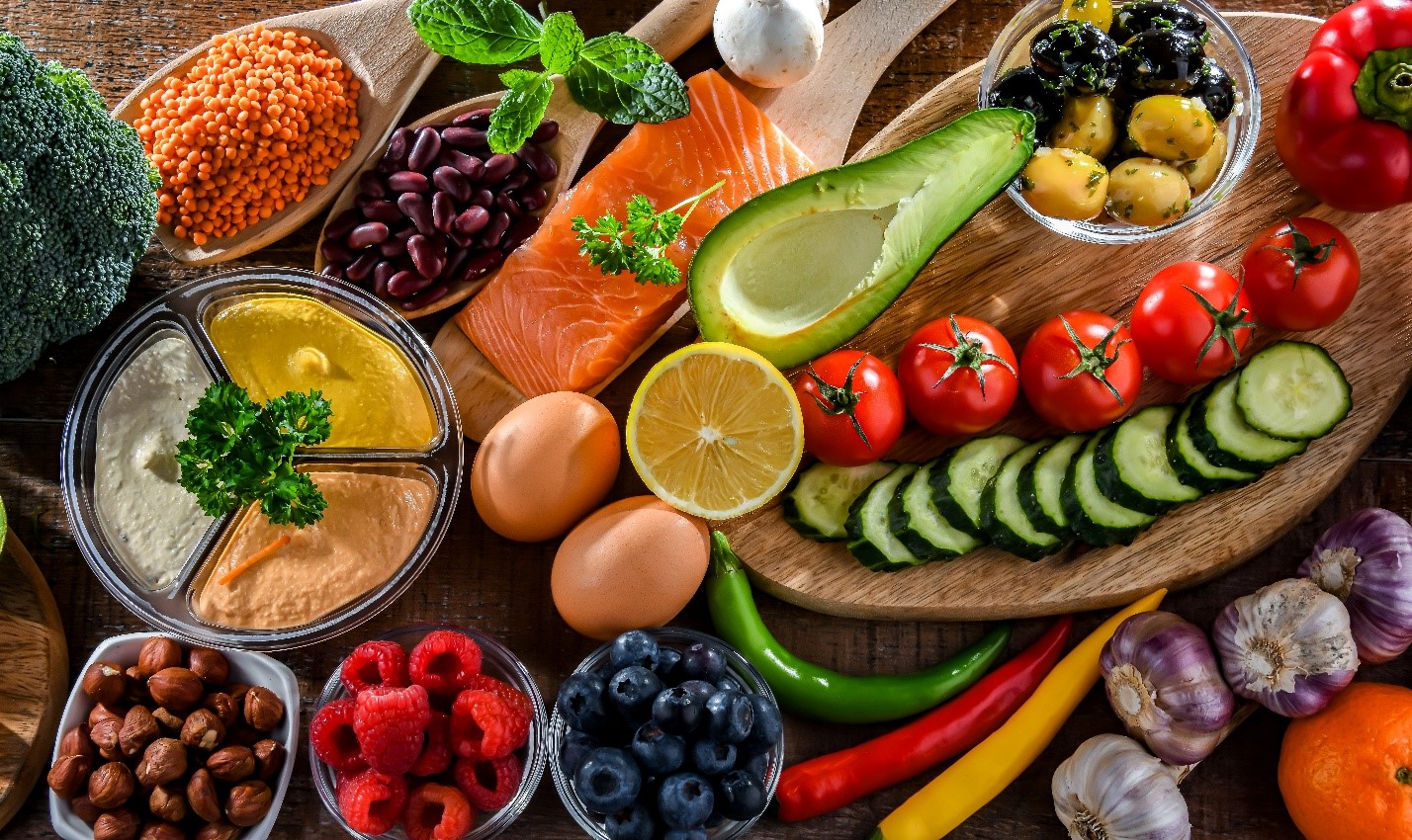
Dining out does offer convenience and saves time, but it often comes with higher direct costs. The price you pay includes not only the food but also the service, preparation, and overhead.
Key Points
- Menu pricing: Dining out typically costs more per serving than home cooking.
- Service charges: Markups and additional fees may be included depending on the establishment.
- Convenience premium: You also pay for the time and effort saved.
- Limited control over ingredients: You may not be able to adjust portions, have control over what ingredients are added, the quality of food, or the preparation methods used.
- Portion size variations: Portions may be larger or smaller than expected, affecting value.
- No need for equipment: Dining out eliminates the cost of cooking tools and appliances.
- No cleanup required: Time saved on cleaning adds to the convenience factor.
- Predictable time investment: Dining out offers a set timeframe for meals.
3. Hidden Costs That Affect Both Options
Both home cooking and dining out come with hidden costs that are easy to overlook.
Key Points
- Transportation costs: Traveling to restaurants and other dining locations can add to the total cost.
- Time spent planning: Meal planning, shopping, and preparation require time. When eating out, we will need to factor in the travel time to that dining establishment and the waiting time. That’s valuable time lost.
- Waste management: Packaging, leftovers, and unused items contribute to our cost.
- Energy consumption: Both options use energy in different ways.
- Storage needs: Home cooking requires space for ingredients and tools.
- Convenience trade-offs: Saving time may increase cost, while saving money may require more effort. And here’s the trade-off.
4.Time Costs and Convenience Factors
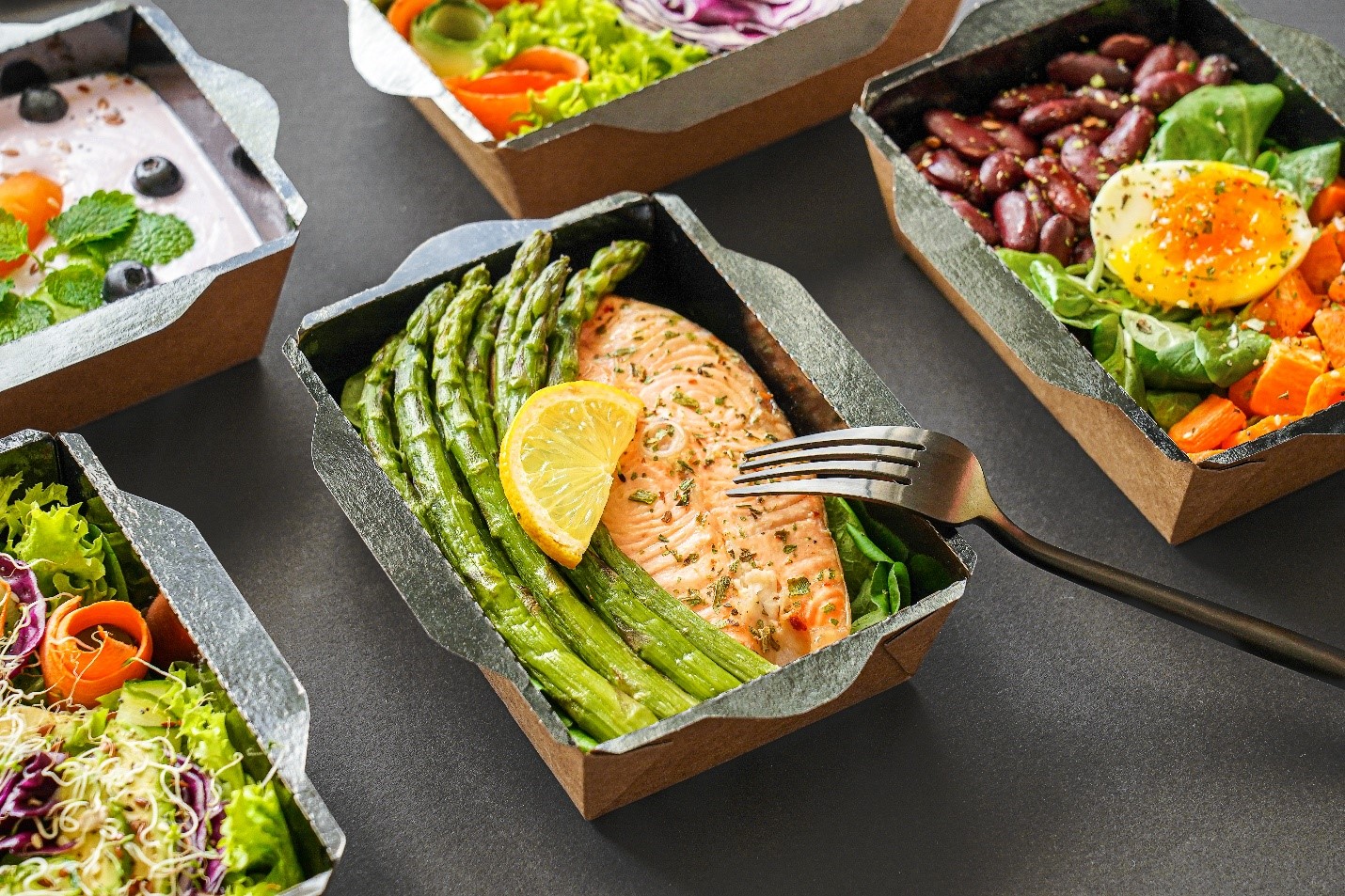
Time is a major factor in meal decisions. Some people value convenience more than cost, while others prioritize savings.
Key Points
- Preparation time: Home cooking requires planning, cooking, and cleaning.
- Waiting time: Dining out may involve waiting for seating or service.
- Scheduling flexibility: Home cooking allows you to eat on your own schedule.
- Energy levels: Some days you may prefer convenience over preparation.
- Daily routines: Meal choices often depend on work, family, and personal schedules.

5.Long-Term Financial Impact
The long-term financial impact of your meal choices can be significant.
Key Points
- Cumulative spending: Small daily differences add up over time.
- Budget control: Home cooking allows more predictable planning and budgeting.
- Cost stability: Ingredient prices may fluctuate less than menu prices.
- Lifestyle habits: Regular dining out can become a long-term expense pattern and will cost you dearly.
- Savings potential: Home cooking often provides more opportunities to save.
- Cost awareness: Tracking your spending helps you make informed decisions.
6. Health and Lifestyle Considerations
While this blog focuses on cost, health and lifestyle factors also influence value.
Key Points
- Control over ingredients: Home cooking allows you to choose what goes into your meals and into your mouth. Quality nourishment or junk food. You get to choose one over the other.
- Portion awareness: You can adjust serving sizes to fit your needs.
- Consistency: Home cooking can help support stable eating habits.
- Variety: Dining out may offer more diverse options.
- Dietary needs: Home cooking makes it easier to meet specific dietary requirements.
- Meal satisfaction: Personal preferences influence perceived value.

7.Environmental and Resource Use Factors
Both options affect the environment in different ways.
Key Points
- Packaging waste: Dining out may involve the use of more disposable materials.
- Energy use: Home cooking uses household energy, while dining out uses commercial energy. That’s a big difference right there.
- Resource efficiency: Meal planning can help reduce waste at home.
- Sustainability habits: Choosing reusable items at home can reduce long-term waste.
- Food waste reduction: Home cooking allows better control over leftovers by maximizing their use and creativity in formulating new dishes.

8.How to Make the Best Choice for Your Needs
There is no single answer that works for everyone. The best choice depends on your priorities.
Key Points
- Budget goals: Decide whether cost savings or convenience matters more.
- Time availability: Consider how much time you can realistically spend on meal planning and preparation.
- Lifestyle preferences: Choose the option that supports your daily routine.
- Personal values: Think about health, sustainability, and comfort.
- Flexible planning: You can combine both options to balance cost and convenience.
- Routine adjustments: Small changes can create long-term benefits.
Conclusion
Making Smart, Simple, and Sustainable Meal Decisions
Choosing between home cooking and dining out is not just about the price of a single meal. It is about understanding the full picture: cost, time, convenience, lifestyle, and long-term impact. When you look at all these factors together, you can gain the clarity needed to make confident and informed decisions.

This blog has hopefully given you a clear and accessible way to compare both options without complexity or confusion. Whether you value savings, convenience, flexibility, or balance, you now have the tools to evaluate what works best for your situation.
The most important thing is choosing the option that supports your goals, your comfort, and your daily life. With this knowledge, you can make meal decisions that are simple, sustainable, and aligned with your true needs, while keeping you healthy.
Join the conversation! Drop your thoughts in the comments below, and let’s keep the discussion going.
makemoneyunstoppable.com
From Experience to insight : Transformational reads for the Strategic mind
Foundational readings for big shifts:
- How to Track Spending without Getting Overwhelmed
- The 7-Day Money Reset Plan: Take Back Control In Just One Week
- Are You Throwing Away $5,000 a Year on Food Waste Without Realizing It?
- The Real Cost of Owning a Big Home
- The Psychology of Spending: Why We Overspend and How to Stop It
- Mastering the Envelope Method

Author: Vaidya Selvan
Welcome to Make Money Unstoppable Personal Finance Made Simple, a blog born out of necessity, a space created from real-life experiences, hard-earned lessons, and a deep-seated desire to share what I wish someone had taught me or had known sooner.

Newsletter Invite
Want more real-world information on Money? Join my newsletter for practical tips, updates on my books, and strategies to help you build financial freedom on your terms.
Yes, the eBook is also free. Just drop in your email here to get instant access. ONE eBook per email.
The eBook is sent automatically and should arrive within minutes. Depending on your email provider, it may appear in your Spam or Promotions folder. While we don’t control its exact placement, you can be confident it has been dispatched and is waiting for you.
#FinancialFreedom #Newsletter #MoneyTips