


The True Cost of Owning a Boat: A Practical Breakdown of Expenses, Maintenance, and Financial Planning
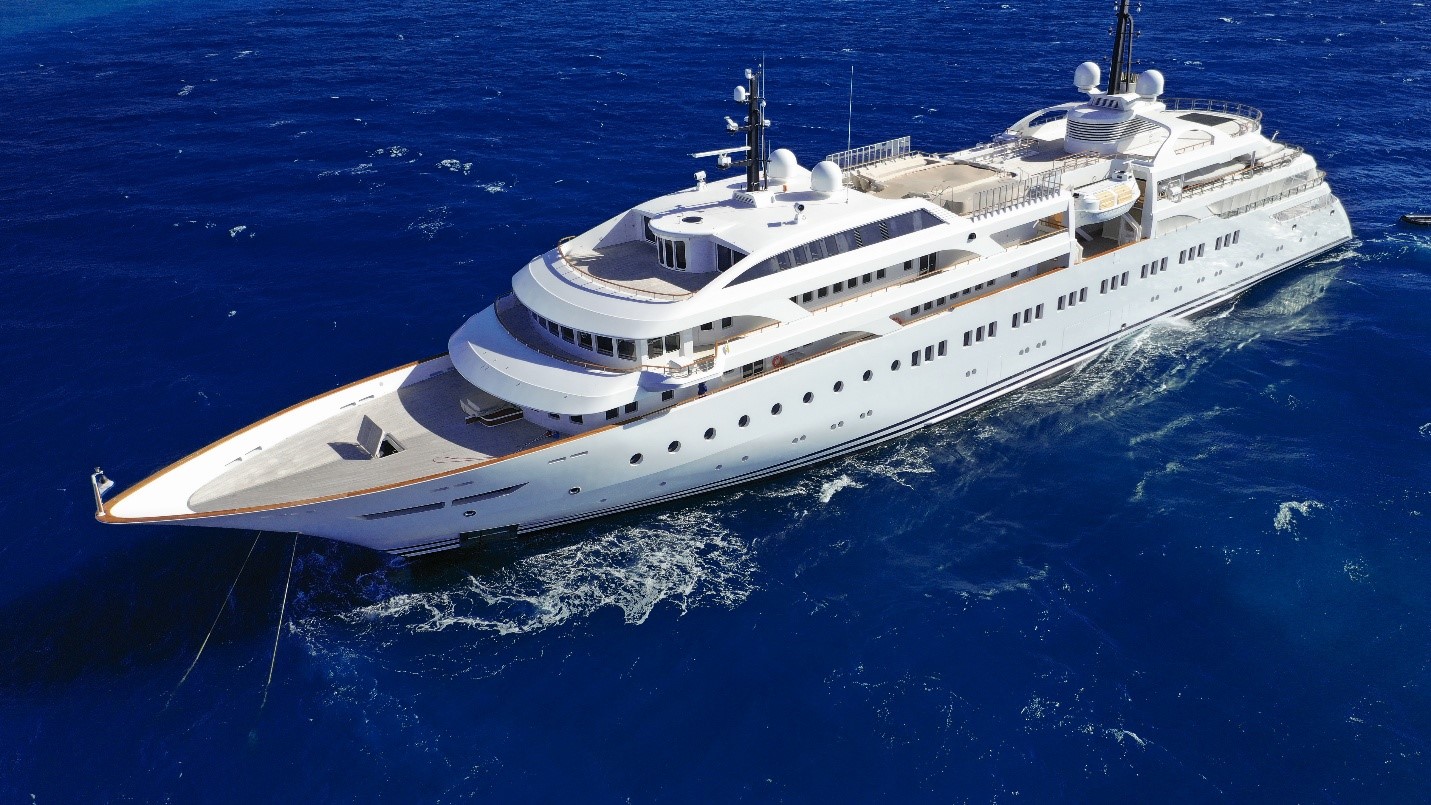
Boat ownership is often romanticized as a gateway to freedom, leisure, and escape. The vision of gliding across open waters or anchoring in tranquil coves paints an alluring picture of a lifestyle many aspire to. Yet beneath this idyllic surface lies a complex financial reality. The true cost of owning a boat extends far beyond the initial purchase price, encompassing a wide spectrum of ongoing expenses, operational responsibilities, and long-term financial considerations.
Last Updated: January 13, 2025
Disclaimer: I am not a licensed financial advisor, financial planner, tax professional, attorney, or employment consultant. The information provided in this blog is intended solely for general informational and educational purposes. It should not be interpreted or construed as professional advice regarding financial, legal, tax, employment, or career matters. Always consult with a qualified professional before making decisions related to your finances, investments, legal obligations, employment, or taxes.
This blog provides a comprehensive breakdown of every major cost category tied to boat ownership. From acquisition and maintenance to insurance, storage, and budgeting, it offers a clear and practical overview for those evaluating the financial implications of owning a vessel.
While often perceived as an investment, boat ownership may not yield financial returns in the traditional sense. Understanding the full scope of costs is essential for making informed decisions, avoiding unexpected burdens, and ensuring a sustainable and enjoyable boating experience.
Initial Purchase and Acquisition Costs
The journey begins with the upfront investment, which may include more than just the listed price of the vessel.
- Purchase price: Varies based on size, type, and features.
- Sales tax: Typically, a percentage of the purchase amount.
- Registration fees: Required for legal operation in most regions.
- Inspection and survey: Ensures the vessel meets safety and performance standards.
- Transportation and delivery: Costs associated with moving the boat to its destination.

Routine Maintenance and Repairs
Maintaining a boat is essential for its safety, performance, and longevity. These costs are recurring and may vary based on usage and environment.
- Hull cleaning and painting: Prevents corrosion and may help improve fuel efficiency.
- Engine servicing: Includes oil changes, filter replacements, and diagnostics.
- Electrical system checks: Ensures navigation and communication systems are operational.
- Seasonal preparation: Winterization and de-winterization procedures.
- Replacement parts: Covers wear-and-tear items such as belts, hoses, and propellers.
Unlock your financial freedom.
Download this FREE eBook!.
How to make $100,000/month? Stop being average and think big.

Stop Settling. Start Scaling.
Unlock the mindset, systems, and strategies top earners use to build unstoppable income.
Think Bigger. Earn Smarter.
This free eBook serves as your blueprint for scaling quickly, earning relentlessly, not settling for mediocrity, and living life on your terms.
Inside, you’ll discover:
- The Millionaire Mindset Blueprint
- Income streams that run on autopilot
- Entrepreneur hacks for focus and financial dominance
- One strategy to launch multiple income streams
- How to break free from “just enough”
- Tools to crush limiting beliefs and build your empire
Average doesn’t scale. Vision does. Download now and start your $100K/month transformation.
Yes, this eBook is free. Just drop in your email here to get instant access. ONE eBook per email.
The eBook is sent automatically and should arrive within minutes. Depending on your email provider, it may appear in your Spam or Promotions folder. While we don’t control its exact placement, you can be confident it has been dispatched and is waiting for you.
PLUS: Get Access to exclusive financial tips, learn everything about money and get early blog updates – delivered directly to your inbox .
Fuel and Operational Expenses
Fuel consumption may depend on the engine type, cruising speed, driving habits, and distance traveled. Operational costs may also include consumables and onboard utilities.
- Fuel costs: Influenced by engine efficiency and fuel type.
- Lubricants and fluids: Required for smooth mechanical operation.
- Battery replacement: Necessary for electrical reliability.
- Cleaning supplies: Maintains hygiene and appearance.
- Safety gear upkeep: Includes life jackets, flares, and extinguishers.
Storage and Docking Fees
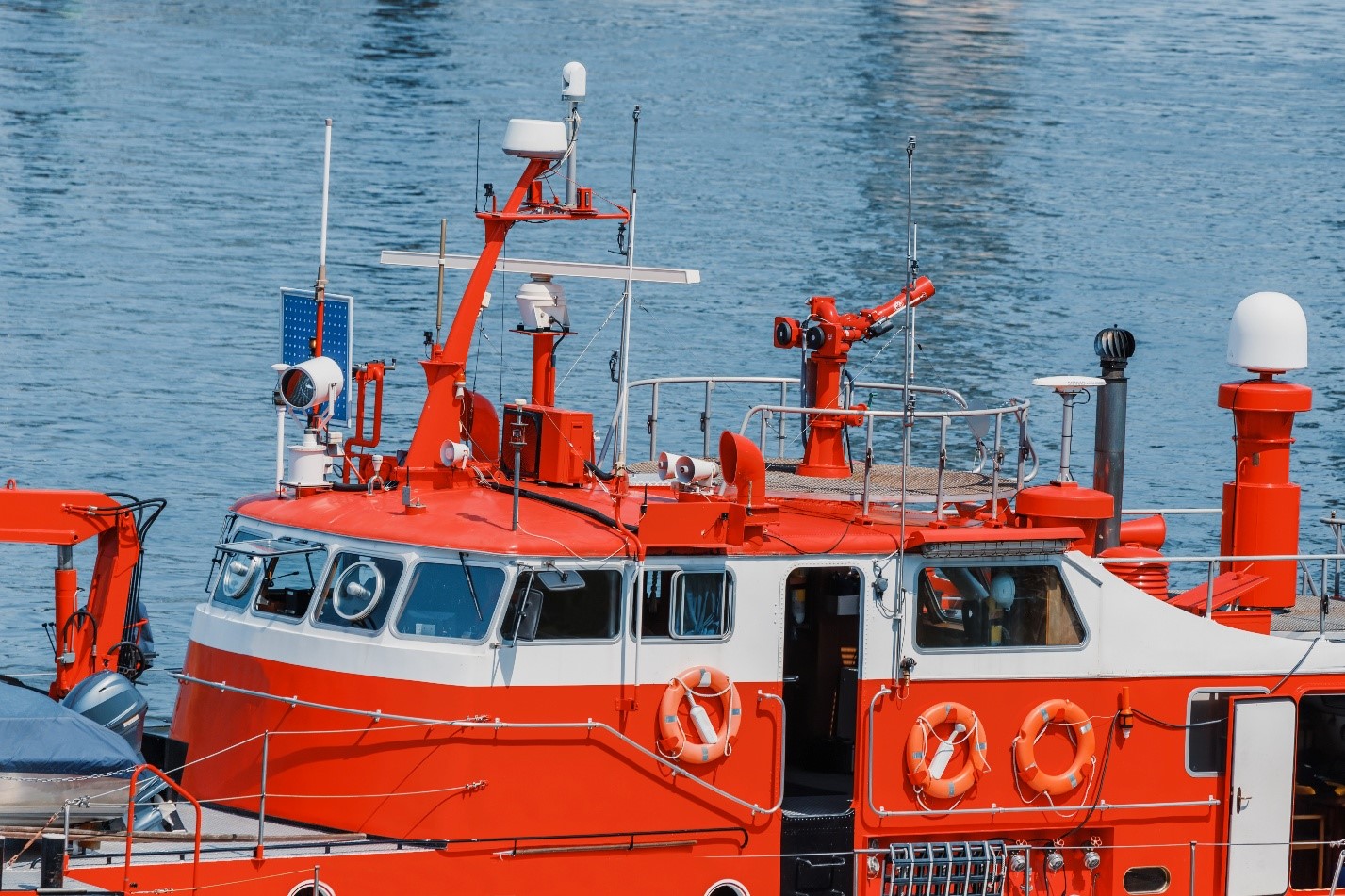
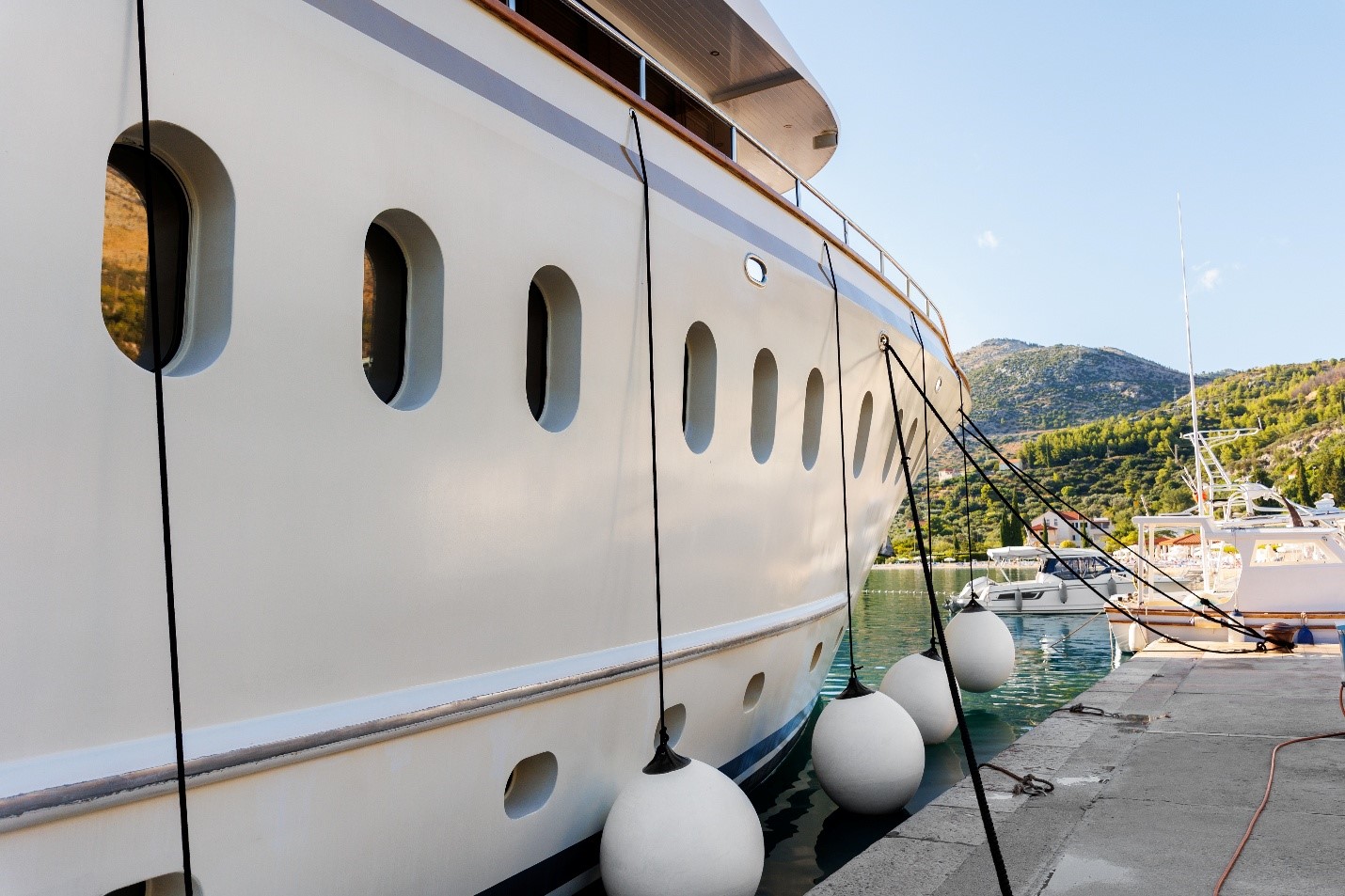
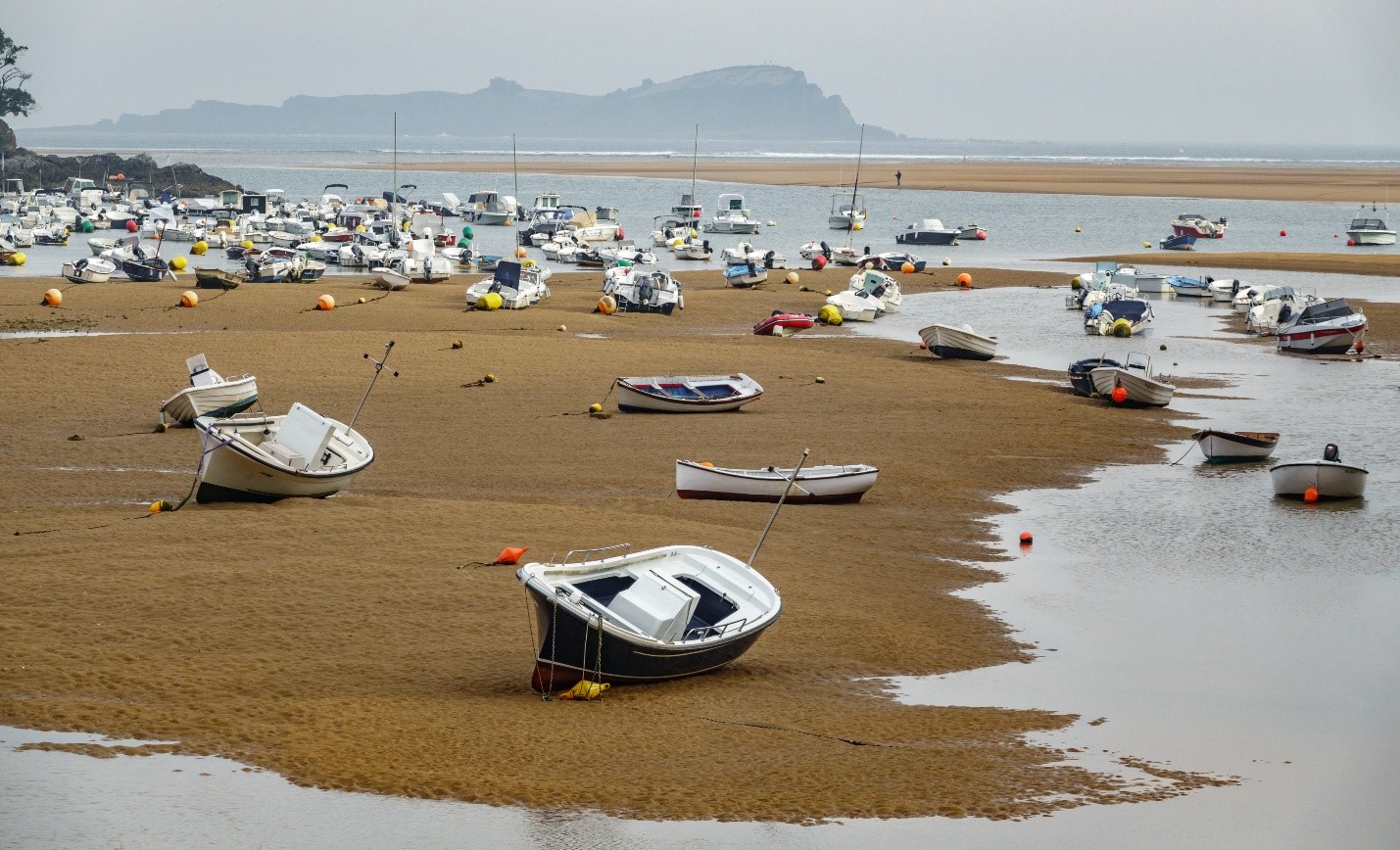
Where and how a boat is stored can significantly affect annual costs. Options may range from marina slips to dry storage facilities.
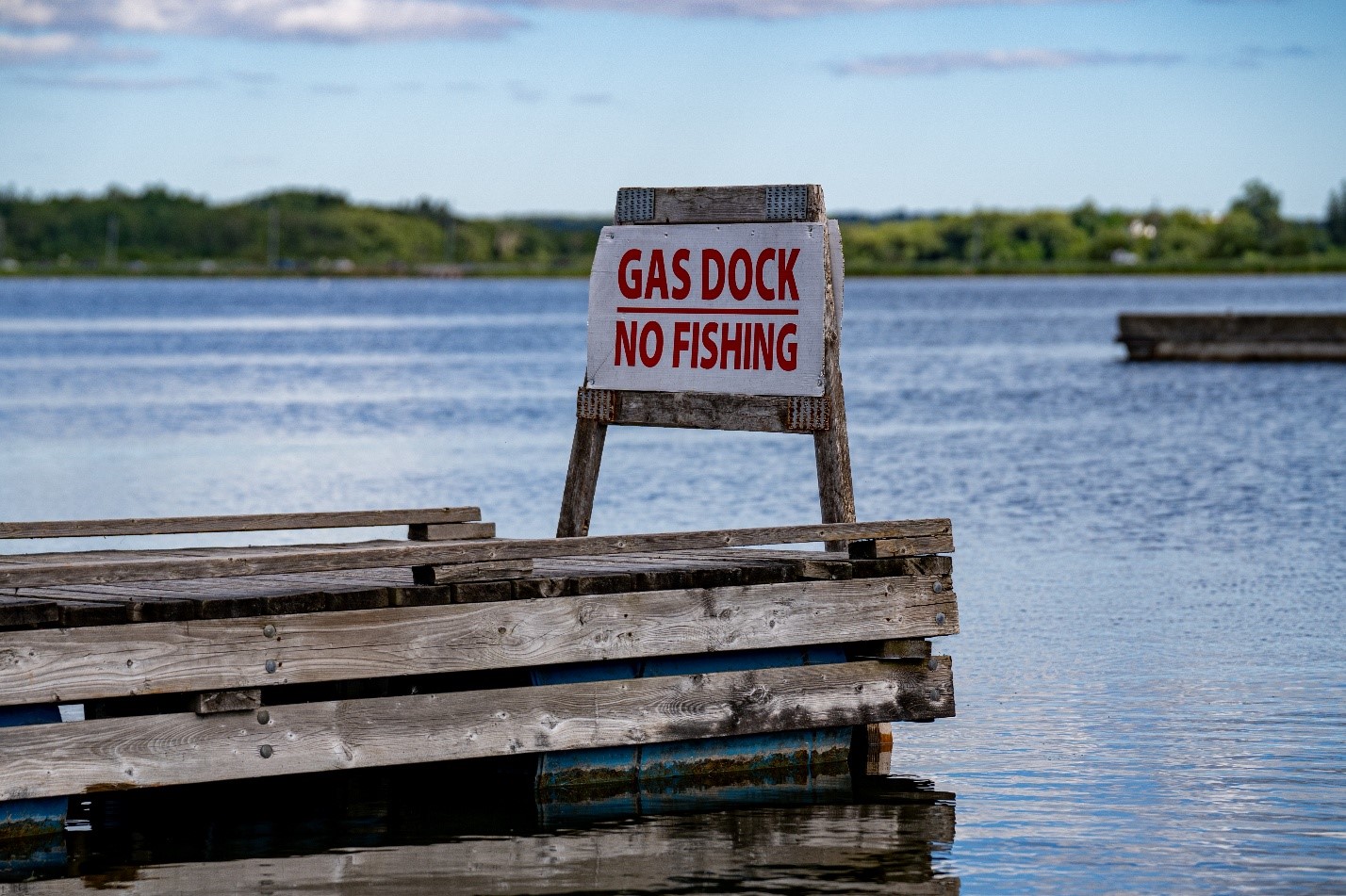
- Marina slip rental: Monthly or seasonal rates may vary based on location and amenities.
- Dry storage: Offers protection from the elements, often at a premium price.
- Trailer storage: May include parking and security.
- Lift systems: Used to hoist boats out of water, reducing hull wear.
- Security and surveillance: May be included or billed separately.
Insurance and Legal Requirements
Protecting your investment and complying with regulations are essential aspects of boat ownership.
- Boat insurance: Covers damage, liability, theft, and natural disasters.
- Liability coverage: Required in many areas for legal operation.
- Extended warranties: Optional but useful for high-end systems.
- Licensing and permits: Varies by jurisdiction and boat type.
- Compliance inspections: Ensures adherence to safety and environmental standards.
Depreciation and Resale Value
Boats may tend to depreciate over time, and understanding this can help owners plan for future upgrades or sales.
- Depreciation rate: Influenced by age, condition, and market demand.
- Resale preparation: Includes detailing, documentation, and minor repairs.
- Market fluctuations: Seasonal and economic factors may affect pricing.
- Trade-in options: May offer convenience but lower returns.
- Private sale considerations: Requires marketing and negotiation skills.
Financing and Loan Considerations
Financing a boat introduces interest and loan management into the ownership equation.
- Loan interest rates: Vary by lender, credit score, and loan term.
- Down payments: Typically required upfront.
- Monthly payments: Must be budgeted alongside other expenses.
- Loan insurance: Protects against default or damage.
- Early payoff penalties: May apply depending on contract terms.
Navigation and Electronics
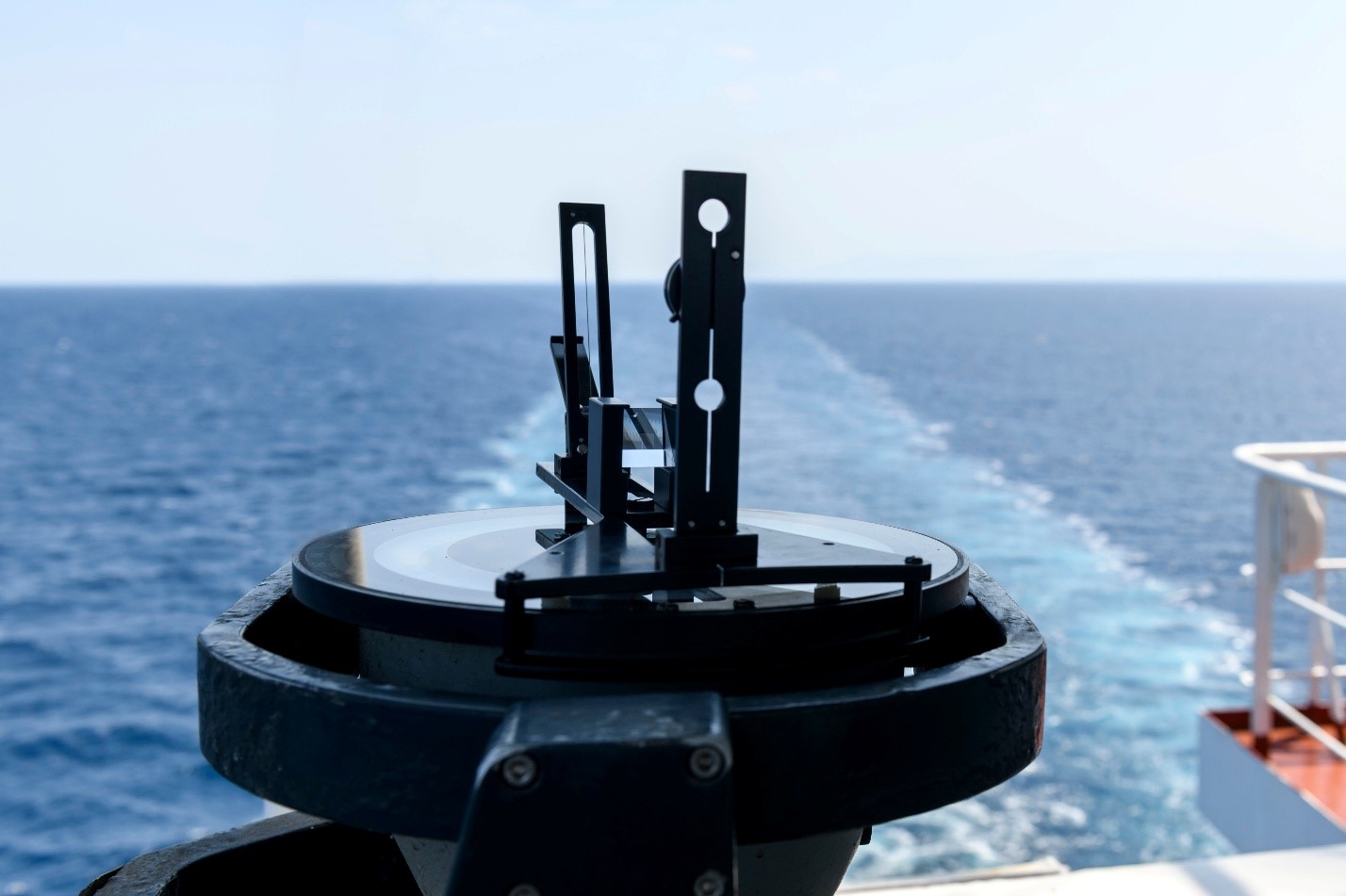
Modern boats may often feature advanced electronics that require maintenance and occasional upgrades.
- GPS and chart plotters: Essential for safe navigation.
- Sonar and depth finders: Useful for recreational and commercial use.
- Communication systems: Includes radios and satellite devices.
- Software updates: Ensures compatibility and top performance.
- Mounting and installation: May require professional services.
Education and Training
Operating a boat safely and legally may require formal instruction.
- Boating safety courses: Often mandatory for licensing.
- Navigation training: Covers charts, tides, and weather interpretation.
- Mechanical workshops: Teach basic maintenance and troubleshooting.
- Certification programs: May be required for certain vessel types.
- Online resources: Supplemental learning that may lack hands-on experience.
Accessories and Customization
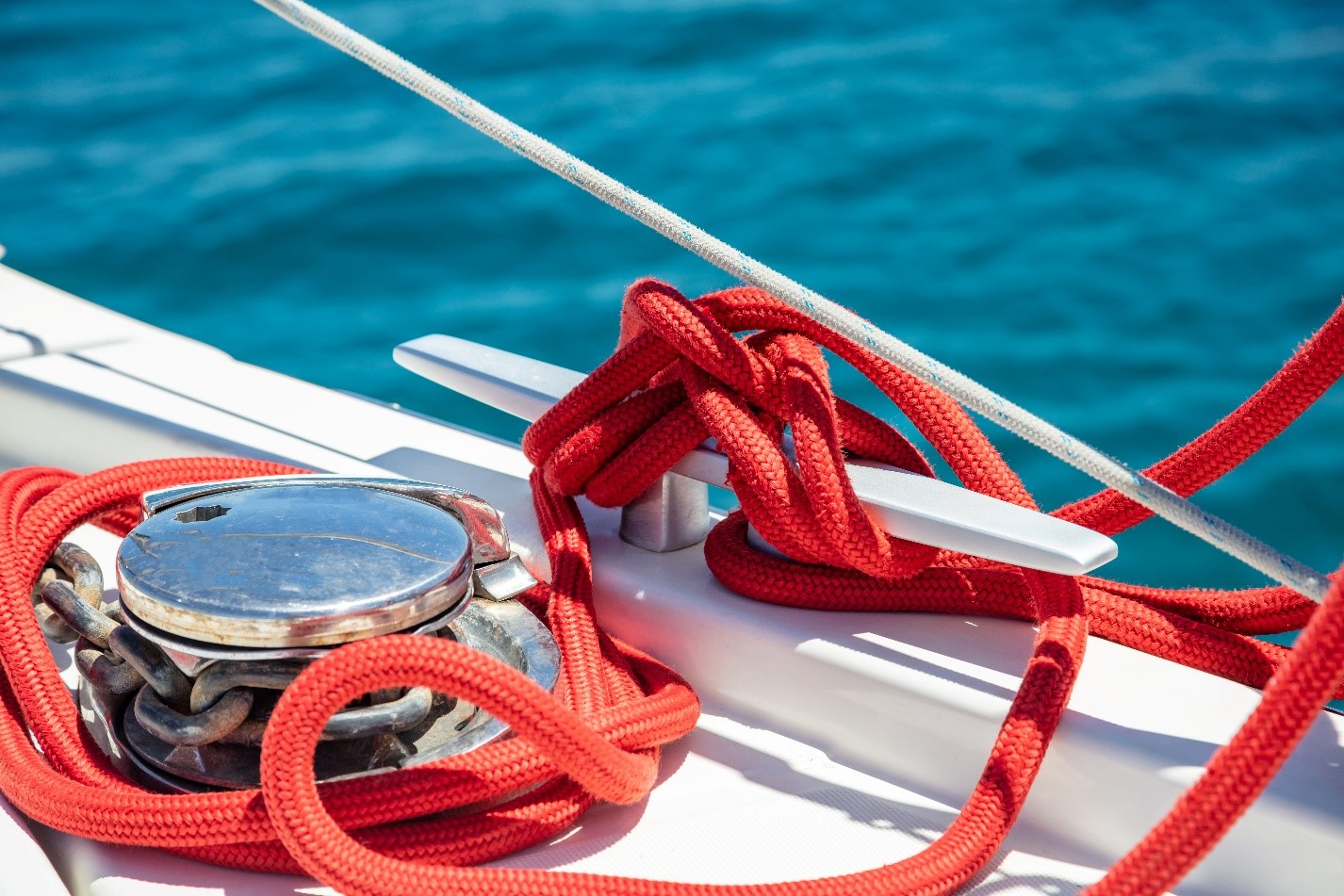
Personalizing a boat can add comfort and functionality, but it increases the expenses.
- Seating and upholstery upgrades: Enhance aesthetics and comfort.
- Lighting systems: Includes underwater, deck, and cabin lighting.
- Fishing gear mounts: For specialized recreational use.
- Entertainment systems: Audio, video, and connectivity options.
- Shade and weather protection: Includes Biminis, enclosures, and covers.
Environmental Impact and Sustainability
Responsible ownership may include minimizing the ecological footprint.
- Eco-friendly cleaning products: Reduce water pollution.
- Fuel-efficient engines: Lower emissions and operating costs.
- Waste disposal systems: Prevent contamination and fines.
- Solar panels and wind turbines: Provide renewable energy options.
- Recycling and reuse practices: Applies to gear, fluids, and packaging.
Annual Budget Planning
Establishing a realistic budget is essential for controlling expenses and preventing unexpected financial setbacks.
- Expense tracking: Includes fixed and variable costs.
- Contingency funds: Covers unexpected repairs or emergencies.
- Seasonal adjustments: Reflects usage patterns and weather conditions.
- Maintenance schedules: Prevents costly breakdowns.
- Financial reviews: Ensures alignment with goals and lifestyle.
Total Cost Estimation
Bringing together all the expense categories provides a comprehensive view of the financial commitment involved in boat ownership. Understanding the full scope of costs is essential for accurate budgeting and long-term planning.
- Initial investment: Includes the purchase price, sales tax, registration, inspection, and delivery.
- Recurring costs: Covers fuel, routine maintenance, docking fees, insurance premiums, and seasonal services.
- Variable expenses: Encompasses optional upgrades, accessories, training programs, and customization.
- Long-term planning: Accounts for depreciation, resale preparation, and potential future replacements or upgrades.
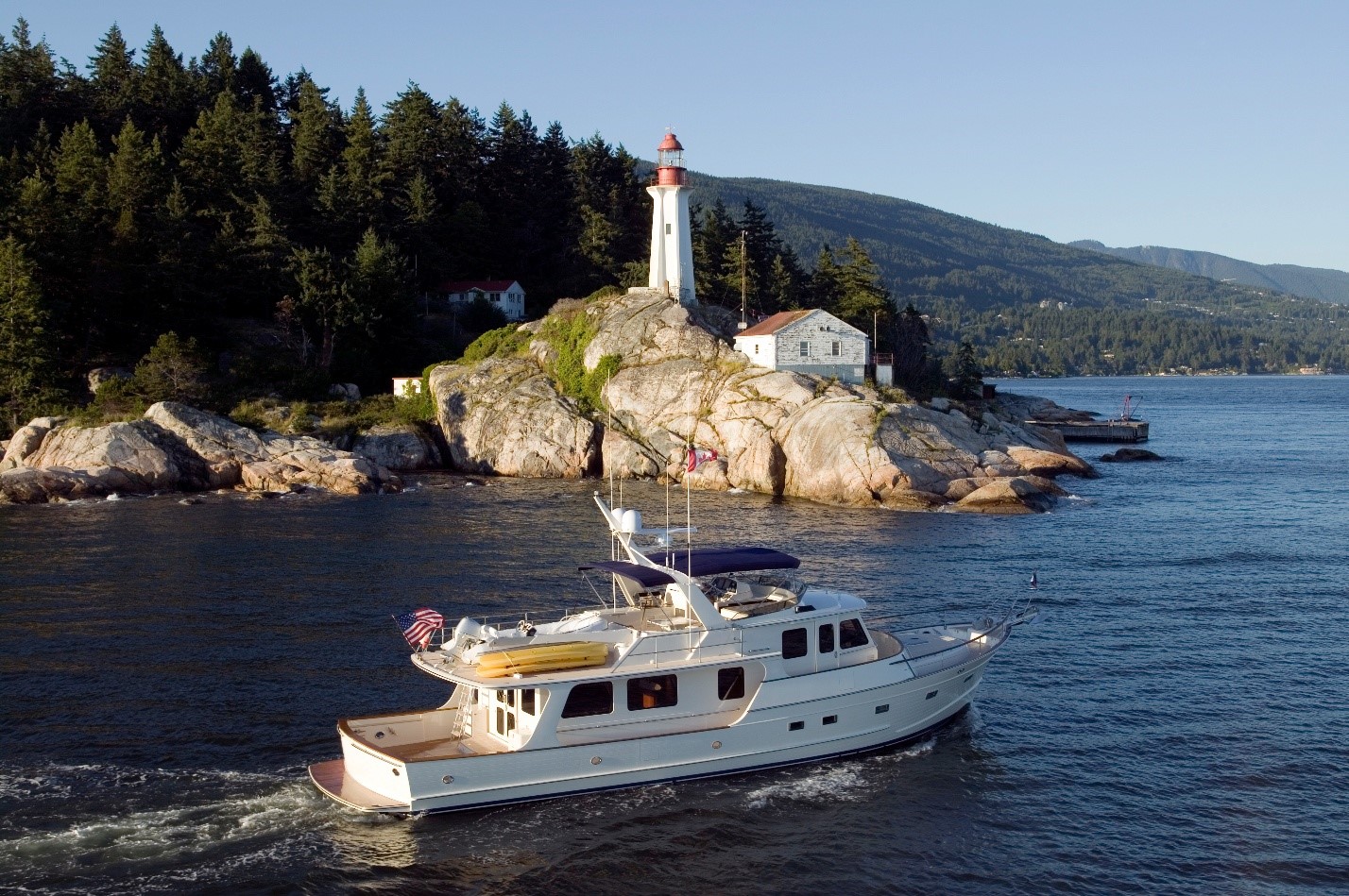
While the total cost of owning a boat can vary significantly based on vessel type, usage, and location, it is frequently underestimated. A detailed financial plan can help ensure that ownership remains both enjoyable and sustainable over time.
Boating may offer freedom and adventure, but it also comes with financial, logistical, and safety responsibilities. Here’s a clear breakdown of a few key pros and cons to help you evaluate whether boating aligns with your lifestyle and goals.
Pros of Boat Ownership
- Freedom and Exploration
- Access to open water: Explore lakes, rivers, and coastal areas at your own pace.
- Remote destinations: Reach places inaccessible by land.
- Flexible schedules: Enjoy spontaneous trips without reservations.
- Relaxation and Recreation
- Stress relief: Being on the water may promote calmness and mental clarity.
- Leisure activities: May include fishing, swimming, cruising, and water sports.
- Quality time: Can help encourage bonding with family and friends.

- Skill Development
- Navigation and seamanship: Learn chart reading, GPS use, and docking techniques.
- Mechanical knowledge: Gain experience maintaining engines and onboard systems.
- Safety awareness: Understand emergency procedures and water regulations.
- Lifestyle Enhancement
- Personal satisfaction: Fulfills a sense of adventure and accomplishment.
- Social opportunities: Join boating communities and events.
- Customizable experience: Tailor your vessel to match your preferences.
Cons of Boat Ownership
- High Costs
- Initial investment: Purchase price, taxes, and registration.
- Ongoing expenses: Fuel, maintenance, storage, and insurance.
- Unexpected repairs: Can be costly and time-sensitive.

- Time Commitment
- Maintenance routines: Regular cleaning, servicing, and inspections.
- Trip planning: Requires weather checks, route mapping, and provisioning.
- Seasonal limitations: Restricted use in colder climates or off-season months.
- Depreciation and Resale
- Value decline: Boats depreciate faster than many other assets.
- Resale challenges: Market demand and conditions may affect pricing.
- Limited liquidity: Selling a boat can take time and effort.
- Safety and Risk
- Weather hazards: Sudden changes can pose serious risks.
- Operational errors: Navigation mistakes or equipment failure.
- Legal compliance: Requires licenses, permits, and adherence to regulations.
Summary: Boating can offer unmatched freedom and recreation, but it does demand financial discipline, time investment, and safety awareness. Understanding both the benefits and drawbacks can help ensure a rewarding and responsible experience on the water.
Docking the Dream: A Realistic Look at Long-Term Boat Expenses
Boat ownership is more than a lifestyle choice; it’s a long-term financial commitment that demands careful planning and ongoing management. While the allure of open water and personal freedom is undeniable, the true cost of owning a boat includes a wide range of expenses that can extend far beyond the initial purchase. From maintenance and fuel to insurance and storage, each category plays a critical role in shaping the overall financial impact of ownership.
Understanding these costs can help empower prospective owners to make informed decisions, set realistic budgets, and enjoy the benefits of boating without financial strain. Whether you’re considering a modest vessel or a high-end yacht, transparency, preparation, and strategic planning are the keys to responsible and rewarding ownership.
Bon Voyage.
Join the conversation! Drop your thoughts in the comments below, and let’s keep the discussion going.
From Experience to insight : Transformational reads for the Strategic mind
Foundational readings for big shifts:
- How to Track Spending without Getting Overwhelmed
- The 7-Day Money Reset Plan: Take Back Control In Just One Week
- Are You Throwing Away $5,000 a Year on Food Waste Without Realizing It?
- The Real Cost of Owning a Big Home
- The Psychology of Spending: Why We Overspend and How to Stop It
- Mastering the Envelope Method

Author: Vaidya Selvan
Welcome to Make Money Unstoppable Personal Finance Made Simple, a blog born out of necessity, a space created from real-life experiences, hard-earned lessons, and a deep-seated desire to share what I wish someone had taught me or had known sooner.

Newsletter Invite
Want more real-world information on Money? Join my newsletter for practical tips, updates on my books, and strategies to help you build financial freedom on your terms.
Yes, the eBook is also free. Just drop in your email here to get instant access. ONE eBook per email.
The eBook is sent automatically and should arrive within minutes. Depending on your email provider, it may appear in your Spam or Promotions folder. While we don’t control its exact placement, you can be confident it has been dispatched and is waiting for you.
#FinancialFreedom #Newsletter #MoneyTips
Like this blog?
Related Blogs