

What Really Happens When We Hit Rock Bottom in Our Finances
Introduction
When Everything Feels Heavy: Understanding the Moment Finances Hit Rock Bottom
When a person reaches rock bottom in their finances, it can feel like the world has suddenly become heavier. The pressure grows, the mind becomes crowded, and every decision feels urgent. This moment is not just about money. It affects emotions, confidence, daily choices, and long term direction. Many people experience this point at least once in their lives, and while it feels overwhelming, it can also become a turning point.
Last Updated: April 3, 2026

Disclaimer: I am not a licensed financial advisor, financial planner, tax professional, attorney, or employment consultant. The information provided in this blog is intended solely for general informational and educational purposes. This content should not be interpreted or construed as professional advice on financial, legal, tax, employment, or career matters. Always consult a qualified professional before making decisions that affect your personal situation. For transparency, some articles may include AI-assisted content. The idea is original and developed independently. All material is reviewed, edited, and approved before publication to ensure clarity and accuracy.
Financial rock bottom is not a sign of failure. It is a signal. It is the moment when old habits stop working, when stress becomes too loud to ignore, and when a person is pushed to rethink how they manage money, time, energy, and priorities. This moment can lead to clarity, structure, and a new beginning if approached with awareness and a plan. This blog explains what truly happens when finances hit rock bottom, why the experience feels so intense, and how to rebuild stability step by step.

A Clear Path from Financial Rock Bottom to Stability and Strength
Table of Contents
- What Financial Rock Bottom Really Means
- The Emotional and Mental Impact
- The Physical and Daily Life Effects
- The Hidden Lessons Inside Financial Struggle
- How to Regain Control Step by Step
- Building a Strong and Simple Financial Foundation
- Long Term Habits That Prevent Future Setbacks
- Conclusion: Rising with Strength: The New Chapter After Hitting Rock Bottom.
1. What Financial Rock Bottom Really Means
Financial rock bottom is a point where a person feels they have lost control of their money, their stability, or their direction. It is not defined by a number. It is defined by the feeling of being overwhelmed, stuck, or unable to move forward, and frozen in their tracks.

Key signs may include:
- Feeling mentally exhausted from financial stress
- Struggling to make basic financial decisions
- Feeling uncertain about the future
- Juggling bills and deciding what to pay first
- Losing confidence in their personal financial judgment
- Feeling disconnected from goals or long term plans
Why this moment matters:
- It forces a person to pause and reassess
- It highlights habits that are no longer helpful
- It creates urgency for a change
- It also opens the door to creating new systems and structures
Unlock your financial freedom.
Download this FREE eBook!.
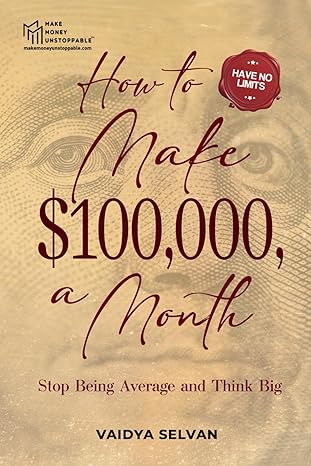
How to make $100,000/month? Stop being average and think big.
Stop Settling. Start Scaling.
Unlock the mindset, systems, and strategies top earners use to build unstoppable income.
Think Bigger. Earn Smarter.
This free eBook serves as your blueprint for scaling quickly, earning relentlessly, not settling for mediocrity, and living life on your terms.
Inside, you’ll discover:
- The Millionaire Mindset Blueprint
- Income streams that run on autopilot
- Entrepreneur hacks for focus and financial dominance
- One strategy to launch multiple income streams
- How to break free from “just enough”
- Tools to crush limiting beliefs and build your empire
Average doesn’t scale. Vision does. Download now and start your $100K/month transformation.
Yes, this eBook is free. Just drop in your email here to get instant access. ONE eBook per email.
The eBook is sent automatically and should arrive within minutes. Depending on your email provider, it may appear in your Spam or Promotions folder. While we don’t control its exact placement, you can be confident it has been dispatched and is waiting for you.
PLUS: Get Access to exclusive financial tips, learn everything about money and get early blog updates – delivered directly to your inbox .
2. The Emotional and Mental Impact
Financial stress affects both the body and mind deeply. When a person hits rock bottom, emotions often become intense and difficult to manage.

Common emotional responses are:
- Fear about the future
- Shame or embarrassment
- Frustration with past decisions
- Anxiety about daily responsibilities
- Feeling like a failure
- A sense of isolation
Mental patterns that may appear:
- Overthinking every decision
- Difficulty focusing
- Feeling stuck or frozen
- Negative self talk
- Loss of motivation
Why do these reactions happen?
- The brain interprets financial instability as a threat
- Uncertainty increases the stress hormones
- Lack of clarity creates mental overload

How to support emotional stability:
- Use simple, calming routines
- Break tasks into small steps
- Practice neutral self talk
- Focus on what can be controlled today
- Avoid negativity and focus on the positives in the planning
3. The Physical and Daily Life Effects
Financial stress does not stay in the mind. It affects the body and your daily routines.
Physical signs may include:
- Tension in the body
- Trouble sleeping
- Low energy
- Changes in appetite
- Difficulty concentrating
Daily life effects may include:
- Avoiding financial tasks
- Delaying important decisions
- Feeling overwhelmed by simple responsibilities
- Reduced productivity
- Difficulty planning ahead
- Not feeling like moving

Why this matters:
Understanding these effects can help a person recognize that financial stress is not a personal weakness. It is a natural response to pressure, and it can be managed with structure and support.
4. The Hidden Lessons Inside Financial Struggle
Our Rock bottom often reveals important lessons that are easy to miss during stable times.
Key lessons may include:
- The importance of tracking money clearly
- The need for simple systems instead of complicated ones
- The value of planning ahead
- The power of small, consistent habits
- The importance of emotional awareness in financial decisions
- Financial stability is built on behavior, not income alone
- Clarity can help reduce stress more than any single financial tool
- Confidence grows from understanding, not guessing
These lessons now become the foundation for rebuilding.

5. How to Regain Control Step by Step
Rebuilding from financial rock bottom requires a calm, structured approach. The goal is not perfection. The goal is to make progress and to move forward.
Step 1: Pause and breathe
- Create mental space
- Reduce emotional pressure
- Allow the mind to reset
Step 2: Get a clear picture of the current situation
- List all financial responsibilities
- Identify essential expenses
- Identify non essential expenses
- Note upcoming deadlines
Step 3: Prioritize what matters most
- Focus on stability first
- Address urgent items
- Delay non urgent tasks
- Understand true needs and desirable wants

Step 4: Create a simple plan
- Use short, clear steps
- Avoid complicated systems
- Choose actions that can be done daily
- Do not sweat the small stuff
- Focus on the end goal
- Move forward
Step 5: Build momentum
- Celebrate small wins
- Track progress
- Adjust the plan as needed
- But keep moving
Step 6: Strengthen emotional resilience
- Use grounding techniques
- Practice calm decision making
- Build supportive routines
- Focus on the outcome
- Do not lose sight of your goals

6. Building a Strong and Simple Financial Foundation
Having a strong foundation helps protect a person from future setbacks. It does not need to be complex, but it needs to be consistent.
Core elements of a strong foundation:
- Clear tracking of income and expenses
- A simple monthly plan
- A basic emergency buffer
- A routine for reviewing your finances
- A system for organizing documents
Helpful habits:
- Checking finances at the same time each week
- Using plain language notes
- Keeping all financial information in one place
- Keep everything simple and easy to follow
- Have systems and processes in place
- Reviewing goals monthly
- Adjusting plans based on real life changes

Why simplicity works:
- It reduces stress
- It increases clarity
- It supports long term consistency
- It prevents overwhelm
- It prevents giving up
7. Long Term Habits That Prevent Future Setbacks
Long term stability is built on habits, and not on one time actions.
Habits that can help strengthen one’s financial stability:
- Regular financial check ins
- Clear spending awareness
- Consistent saving routines
- Thoughtful decision making
- Planning ahead for major expenses
- Setting simple financial boundaries
- Avoiding emotional spending
- Using written reminders
- Reviewing progress monthly
- Staying aware of financial patterns
- No impulse buys
- Buy with intention, never on emotion
- Never shop on an empty stomach
- Pay with cash

Why habits matter:
- They can help create predictability
- They reduce emotional decision making
- They help build confidence
- They can also help support long term growth
Conclusion
Rising With Strength: The New Chapter After Hitting Rock Bottom
Reaching financial rock bottom feels heavy, but it is not the end of the world. It is the beginning of a new chapter. This moment forces clarity, honesty, and change. It pushes a person to rebuild with intention, structure, and awareness. That’s rising from the ashes and getting up after you have fallen. And never giving up.

When someone rises from financial rock bottom, they rise with new strength. They gain a deeper understanding of their habits, their emotions, and their priorities. They learn how to create stability from the inside out. They discover that financial confidence is not about perfection but about clarity, consistency, and calm decision making.
This journey is not fast, but it is powerful. With simple steps, steady habits, and a clear plan, anyone can rebuild their financial life and create a future that feels stable, strong, and secure. Our Rock bottom becomes the foundation for a stronger, wiser, and more confident version of ourselves.
We will need to believe in ourselves that we can rise from the bottom and return stronger than before by tapping into the inner potential we never realized we had. It was always within us, waiting for us to listen, trust it, and finally give it the chance to rise.
Now ask yourselves: If we don’t believe in ourselves and in what we are capable of achieving. Who will?
What is the one small, clear step you feel ready to take today to bring more stability, clarity, and confidence into your financial life?
Join the conversation! Drop your thoughts in the comments below, and let’s keep the discussion going.
makemoneyunstoppable.com
From Experience to insight : Transformational reads for the Strategic mind
Foundational readings for big shifts:
- How to Track Spending without Getting Overwhelmed
- The 7-Day Money Reset Plan: Take Back Control In Just One Week
- Are You Throwing Away $5,000 a Year on Food Waste Without Realizing It?
- The Real Cost of Owning a Big Home
- The Psychology of Spending: Why We Overspend and How to Stop It
- Mastering the Envelope Method

Author: Vaidya Selvan
Welcome to Make Money Unstoppable Personal Finance Made Simple, a blog born out of necessity, a space created from real-life experiences, hard-earned lessons, and a deep-seated desire to share what I wish someone had taught me or had known sooner.

Newsletter Invite
Want more real-world information on Money? Join my newsletter for practical tips, updates on my books, and strategies to help you build financial freedom on your terms.
Yes, the eBook is also free. Just drop in your email here to get instant access. ONE eBook per email.
The eBook is sent automatically and should arrive within minutes. Depending on your email provider, it may appear in your Spam or Promotions folder. While we don’t control its exact placement, you can be confident it has been dispatched and is waiting for you.
#FinancialFreedom #Newsletter #MoneyTips
Like this blog?
Related Blogs