

Why Being Broke Costs More: The Hidden Price of Financial Stress
Introduction
The High Cost of Having No Money
Money problems affect more than a person’s wallet. They influence daily choices, long-term plans, and emotional well-being. When someone struggles financially, the cost of living often becomes even higher. Limited resources can lead to higher fees, higher interest, higher stress, and fewer options. This creates a cycle that is hard to break.
Last Updated: February 28, 2026

Disclaimer: I am not a licensed financial advisor, financial planner, tax professional, attorney, or employment consultant. The information provided in this blog is intended solely for general informational and educational purposes. This content should not be interpreted or construed as professional advice on financial, legal, tax, employment, or career matters. Always consult a qualified professional before making decisions that affect your personal situation. For transparency, some articles may include AI-assisted content. The idea is original and developed independently. All material is reviewed, edited, and approved before publication to ensure clarity and accuracy.
Being broke is not just about lacking money. It is about the hidden costs that come with financial stress. These hidden costs can affect mental health, physical health, decision-making, and overall stability. When money is tight, every choice feels heavier. Every mistake feels bigger. Every setback feels harder to recover from.
This blog explains why being broke can be more expensive than it seems. It explores how financial stress affects our daily lives, how limited resources increase our long-term costs, and how small changes can help reduce financial pressure.
The Real Cost of Being Broke
Table of Contents
- Understanding the Hidden Cost of Being Broke
- How Financial Stress Affects the Mind and Body
- Why Limited Money Leads to Higher Long-Term Costs
- The Mental Load of Constant Financial Worry
- How Lack of Resources Reduces Financial Choices
- The Cycle of Financial Pressure and Stress
- Practical Ways to Reduce the Cost of Being Broke
- Building Small Habits That Support Financial Stability
- Strengthening Emotional Health During Financial Stress
- Final Thoughts — Breaking the Cycle of Financial Strain

1. Understanding the Hidden Cost of Being Broke
Being broke is not only about having little money. It is about the extra costs that come with having limited financial resources. These hidden costs can show up in many areas of life.
Key pointers
- Limited money reduces access to affordable options or having more options to choose from.
- Small charges add up over time.
- Financial stress can affect decision-making.
- Lack of savings can increase our vulnerability to emergencies.
- Long-term planning becomes harder without having extra funds tucked away.
When money is tight, every financial choice carries more weight. This pressure can lead to decisions that feel necessary in the moment but cost much more later.

Unlock your financial freedom.
Download this FREE eBook!.
How to make $100,000/month? Stop being average and think big.
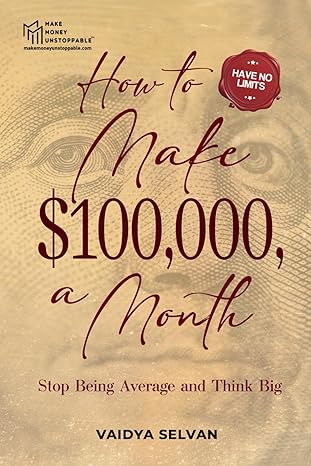
Stop Settling. Start Scaling.
Unlock the mindset, systems, and strategies top earners use to build unstoppable income.
Think Bigger. Earn Smarter.
This free eBook serves as your blueprint for scaling quickly, earning relentlessly, not settling for mediocrity, and living life on your terms.
Inside, you’ll discover:
- The Millionaire Mindset Blueprint
- Income streams that run on autopilot
- Entrepreneur hacks for focus and financial dominance
- One strategy to launch multiple income streams
- How to break free from “just enough”
- Tools to crush limiting beliefs and build your empire
Average doesn’t scale. Vision does. Download now and start your $100K/month transformation.
Yes, this eBook is free. Just drop in your email here to get instant access. ONE eBook per email.
The eBook is sent automatically and should arrive within minutes. Depending on your email provider, it may appear in your Spam or Promotions folder. While we don’t control its exact placement, you can be confident it has been dispatched and is waiting for you.
PLUS: Get Access to exclusive financial tips, learn everything about money and get early blog updates – delivered directly to your inbox .
2. How Financial Stress Affects the Mind and Body
Financial stress affects both our mental and physical health. The body reacts to money pressure the same way it reacts to other forms of stress.
Effects on the mind
- Difficulty focusing
- Constant worry
- Trouble sleeping
- Increased anxiety
- Feeling overwhelmed
Effects on the body
- Muscle tension
- Fatigue
- Headaches
- Digestive discomfort
- Low energy
When the mind and body are under stress, it becomes harder to think clearly, plan ahead, or make confident decisions. This can increase the cost of being broke because stress can also reduce our ability to manage money effectively.
3. Why Limited Money Leads to Higher Long-Term Costs
Having less money often means paying more over time in many ways, shapes, or forms. This happens because limited resources reduce access to lower-cost options.
Common long-term costs
- Higher interest rates
- Higher fees
- Higher service charges
- Higher prices for basic needs
- Higher costs for urgent needs
When someone cannot afford to plan, they may end up paying more for the same things. This can create a cycle where being broke becomes more expensive than having enough money.
4. The Mental Load of Constant Financial Worry
Financial worry takes up a lot of mental space and drains our energy. When the mind is focused on money stress, it becomes much harder to think logically about anything else.
Mental load symptoms
- Overthinking
- Difficulty making decisions
- Feeling mentally drained
- Trouble staying organized
- Reduced motivation

This mental load can affect work, relationships, and daily functioning. It can also lead to emotional exhaustion, which makes financial challenges even harder to manage.
5. How Lack of Resources Reduces Financial Choices
When money is limited, choices become limited too. This lack of choice can increase costs and magnify our stress.
Reduced choices may include
- Fewer affordable options
- Limited access to financial tools
- Limited access to healthier or safer options
- Fewer opportunities to save
- Fewer opportunities to invest in long-term goals
When choices are limited, we often have to settle for what is available, not what is best for us. This can lead to higher costs, a lower happiness index, and a lower quality of life.

6. The Cycle of Financial Pressure and Stress
Financial stress creates a cycle that is difficult to break. Each part of the cycle feeds into the next, thus magnifying it multifold.
The cycle may often look like this
- Limited money
- Increased stress
- Reduced decision-making ability
- Higher costs
- More financial pressure
- Even less money
Breaking this cycle requires awareness, taking small steps, and developing consistent habits. Even small improvements can reduce stress and bring about more stability.
7. Practical Ways to Reduce the Cost of Being Broke
While financial challenges are difficult, small steps can help reduce long-term costs and improve stability.

Practical strategies
- Track spending to understand patterns
- Create simple budgets with clear categories
- Reduce unnecessary fees where possible
- Use low-cost or free financial tools
- Set small savings goals
- Review expenses regularly
- Always plan ahead for predictable costs
These steps do not require large amounts of money or effort. They help focus on awareness, planning, and making small improvements to help take control.
8. Building Small Habits That Support Financial Stability
Small habits can create long-term change. Even tiny baby steps can help reduce stress and improve our financial health.
Helpful habits
- Checking balances regularly
- Setting reminders for due dates
- Saving small amounts consistently
- Reviewing goals monthly
- Keeping financial information organized
- Practicing mindful spending
These habits can help reduce the hidden costs of being broke by increasing control and reducing surprises.
9. Strengthening Emotional Health During Financial Stress
Emotional health is important when facing financial challenges. Having strong emotional health and surrounding ourselves with supporting systems can help support better decision-making and reduce stress.
Ways to support emotional health
- Practice deep breathing
- Take short breaks during stressful moments
- Be mindful and develop gratitude for what you have rather than focusing on what you don’t have
- Use grounding techniques
- Write down thoughts to clear the mind
- Focus on what can be controlled
- Set realistic expectations
- Celebrate little progress

Emotional strength can help break the cycle of financial stress and support long-term stability.
Conclusion
Breaking Free from the Hidden Cost of Being Broke
Being broke is expensive, not only in money but also in terms of stress, energy, and emotional well-being. Limited resources can inevitably lead to higher costs, fewer choices, and increased pressure. This cycle can feel overwhelming, but it is not permanent.
Small steps, simple habits, and increased awareness can help reduce the hidden costs of financial stress. By understanding how money affects the mind and body, it becomes easier to make choices that help support our long-term stability. Financial challenges are difficult, but progress is possible. Every small improvement can help create more space, more clarity, and more control.
The goal is not to attain perfection. The goal is to have steady, manageable progress that supports both our financial health and emotional well-being.
When we begin to loosen the grip of financial stress, even in the smallest ways, we can help reclaim pieces of our power. Each intentional choice, no matter how modest, can signal a shift toward a life with more stability, more confidence, and more room to breathe. Breaking free from the hidden cost of being broke isn’t about having a sudden transformation; it’s about choosing, day by day, to move toward a future that feels lighter and more possible. And with every step forward, we prove to ourselves that change isn’t just within reach, it’s already happening.
Join the conversation! Drop your thoughts in the comments below, and let’s keep the discussion going.
makemoneyunstoppable.com
From Experience to insight : Transformational reads for the Strategic mind
Foundational readings for big shifts:
- How to Track Spending without Getting Overwhelmed
- The 7-Day Money Reset Plan: Take Back Control In Just One Week
- Are You Throwing Away $5,000 a Year on Food Waste Without Realizing It?
- The Real Cost of Owning a Big Home
- The Psychology of Spending: Why We Overspend and How to Stop It
- Mastering the Envelope Method
Author: Vaidya Selvan
Welcome to Make Money Unstoppable Personal Finance Made Simple, a blog born out of necessity, a space created from real-life experiences, hard-earned lessons, and a deep-seated desire to share what I wish someone had taught me or had known sooner.

Newsletter Invite
Want more real-world information on Money? Join my newsletter for practical tips, updates on my books, and strategies to help you build financial freedom on your terms.
Yes, the eBook is also free. Just drop in your email here to get instant access. ONE eBook per email.
The eBook is sent automatically and should arrive within minutes. Depending on your email provider, it may appear in your Spam or Promotions folder. While we don’t control its exact placement, you can be confident it has been dispatched and is waiting for you.
#FinancialFreedom #Newsletter #MoneyTips
Like this blog?
Related Blogs