
25 Hidden Money Leaks in Daily Life and How to Stop Them for Good
Introduction
The Quiet Drains on Your Financial Life
Most people do not lose money through one big mistake. They lose it slowly, quietly, and repeatedly through multiple small daily habits that may feel harmless. These tiny leaks blend into your routine. They may feel normal and may feel justified. They may also feel too small to even matter. But over time, they can weaken your financial stability, reduce your savings, and pull you away from your long term goals.
Last Updated: May 1, 2026

Disclaimer: I am not a licensed financial advisor, financial planner, tax professional, attorney, or employment consultant. The information provided in this blog is intended solely for general informational and educational purposes. This content should not be interpreted or construed as professional advice on financial, legal, tax, employment, or career matters. Always consult a qualified professional before making decisions that affect your personal situation. For transparency, some articles may include AI-assisted content. The idea is original and developed independently. All material is reviewed, edited, and approved before publication to ensure clarity and accuracy.
Money leaks are powerful because they are invisible. They hide in your habits, your routines, your impulses, your subscriptions, your digital life, and in all your daily decisions. They will drain your money without asking for permission. They will also take advantage of convenience, emotion, and your lack of awareness. They will also slip into your life through small choices that may feel automatic, comfortable, or familiar.
These leaks show up in the moments when you are tired, stressed, rushed, or distracted, and they may appear when you buy something without thinking, forget to cancel a subscription, ignore a small fee, or choose convenience over planning. They will also grow stronger when you do not track your spending, when you avoid reviewing your budget, or when you let old habits continue unchecked.

This blog reveals the 25 most common money leaks in daily life and shows you how to plug each one with simple, practical steps. You will learn how to recognize hidden spending patterns, how to build stronger financial habits, and how to protect your money from silent drains. You will also learn how to reduce emotional spending, manage subscriptions, avoid hidden fees, and create a healthier relationship with your money.
Identifying and Stopping Money Leaks in Daily Life
Table of Contents
- Untracked Small Purchases
- Impulse Buying
- Unnecessary Fees
- Unused Subscriptions
- Convenience Spending
- Poor Meal Planning
- Food Waste
- Energy Inefficiency
- Water Waste
- Transportation Habits

- Overbuying
- Underusing What You Own
- Disorganized Finances
- Late Payments
- Lack of Budgeting
- Emotional Spending
- Social Pressure Spending
- Unplanned Entertainment Costs
- Ignoring Price Comparisons
- Not Tracking Recurring Costs
- Poor Maintenance Habits
- Clutter Spending
- Mindless Digital Spending
- Lack of Financial Awareness
- Not Reviewing Your Budget
- Conclusion: Saving Money and Having Total Control
Unlock your financial freedom.
Download this FREE eBook!.
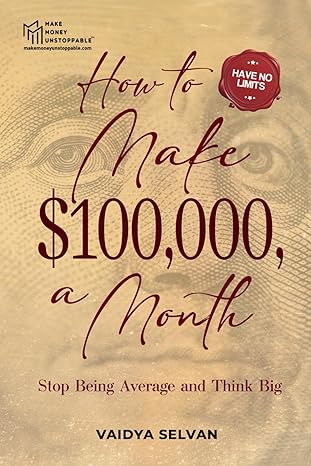
How to make $100,000/month? Stop being average and think big.
Stop Settling. Start Scaling.
Unlock the mindset, systems, and strategies top earners use to build unstoppable income.
Think Bigger. Earn Smarter.
This free eBook serves as your blueprint for scaling quickly, earning relentlessly, not settling for mediocrity, and living life on your terms.
Inside, you’ll discover:
- The Millionaire Mindset Blueprint
- Income streams that run on autopilot
- Entrepreneur hacks for focus and financial dominance
- One strategy to launch multiple income streams
- How to break free from “just enough”
- Tools to crush limiting beliefs and build your empire
Average doesn’t scale. Vision does. Download now and start your $100K/month transformation.
Yes, this eBook is free. Just drop in your email here to get instant access. ONE eBook per email.
The eBook is sent automatically and should arrive within minutes. Depending on your email provider, it may appear in your Spam or Promotions folder. While we don’t control its exact placement, you can be confident it has been dispatched and is waiting for you.
PLUS: Get Access to exclusive financial tips, learn everything about money and get early blog updates – delivered directly to your inbox .
1. Untracked Small Purchases
Small purchases may feel harmless, but they quietly drain your money. When you do not track them, they blend into your routine and become invisible. Over time, these tiny habits can weaken your budget and reduce your savings. Tracking them brings you awareness and control.

2. Impulse Buying
Impulse buying happens when emotions take over. Stress, boredom, or excitement can push you to buy things you do not need. This may also include peer pressure to fit in. These quick decisions may feel good for a moment, but can create long term financial stress and strain. A short waiting period can help you stay grounded and intentional.
3. Unnecessary Fees
Fees are silent drains that often go unnoticed. They may usually appear because of forgetfulness, disorganization, or in the rushed decisions you make. They take money without giving anything in return. Reviewing your statements can help you catch and prevent these hidden costs.
4. Unused Subscriptions
Subscriptions continue even when you stop using them. They hide in the background and quietly charge you every month. Canceling unused subscriptions can help free up money instantly and reduce digital clutter.

5. Convenience Spending
Convenience often costs more and adds up over time. When you choose speed or ease over planning, you will pay extra. These small choices add up daily, monthly, and yearly. Planning ahead can help reduce unnecessary spending and help you stay in control.
6. Poor Meal Planning
Without a plan, you may tend to spend more on food. You buy groceries and staples you do not use, forget what you already have, and make last minute choices that cost more. Simple planning can save you money and reduce stress.
7. Food Waste
Throwing away food is like throwing money away. Overbuying, forgetting what you have, or not storing food properly can lead to waste. Mindful eating and better storage habits can help reduce this leak. The number one reason for wasted money is spoiled food, which usually ends up in a landfill to rot. Buying in bulk may not be a good idea for many such purchases.
8. Energy Inefficiency
Energy waste can increase our monthly costs. Leaving lights and air conditioners on, ignoring simple habits, or using inefficient appliances can raise our bills. Small changes in daily routines can help lower our energy costs significantly.

9. Water Waste
Running water longer than needed or ignoring leaks can increase your bills. Simple awareness can help you save money and reduce waste.
10. Transportation Habits
Unplanned travel, inefficient routes, or unnecessary trips can increase your transportation costs. Planning your routes and combining errands into one can help reduce spending and save time.
11. Overbuying
Buying more than you need leads to clutter, waste, and overspending. It often happens when you shop without a list or buy “just in case.” Intentional purchasing helps you stay focused and reduces clutter.
12. Underusing What You Own
Many people buy things they forget to use or do not know they already have. This creates clutter and wastes money. Reviewing what you already own helps you avoid buying duplicates and encourages mindful ownership.

13. Disorganized Finances
Disorganization can lead to mistakes. When your finances are scattered, you lose track of your bills, spending, and goals. Having simple systems can help bring clarity and peace of mind.
14. Late Payments
Late payments may often lead to penalties and stress. They happen when you forget the due dates or avoid checking your accounts. Reminders and organization can help prevent this leak.
15. Lack of Budgeting
Without a budget, money slips away without direction. A simple budget can give your money a purpose and help you stay aligned with your goals.
16. Emotional Spending
Many people spend when they feel stressed, lonely, bored, or overwhelmed. Emotional spending gives them temporary relief but long term regret and pain. Awareness can help you break the cycle and build healthier habits.
17. Social Pressure Spending
Trying to keep up with others may often lead to overspending. Social pressure makes you buy things you do not need. Focusing on your own priorities can help protect your money and your peace.
18. Unplanned Entertainment Costs
Entertainment spending tends to grow fast because it feels small and justified. When it comes without limits, it can become a major leak. Awareness and planning can help you enjoy affordable entertainment without overspending.
19. Ignoring Price Comparisons
Quick decisions will cost more. When you do not compare prices, you may tend to miss opportunities to save. Simple comparisons can help you make smarter choices.
20. Not Tracking Recurring Costs
Recurring costs can grow quietly. When you do not track them, they pile up. Reviewing them monthly can help you stay aware and cancel what you no longer need.

21. Poor Maintenance Habits
Ignoring maintenance at the outset can lead to bigger problems later. Small issues can become expensive repairs. Regular upkeep helps save money and reduces stress.
22. Clutter Spending
Clutter makes you forget what you own, causing you to buy duplicates. A clean, organized space can help you use what you already have and thereby spend less.
23. Mindless Digital Spending
Digital purchases are easy to make and easy to forget. Quick taps can lead to overspending, even before you get a chance to think. The “one-click buy” feature makes it even more dangerous. Tracking your digital habits can help you stay in control.
24. Lack of Financial Awareness
Not knowing where your money goes creates leaks everywhere. Financial Literacy and awareness are the foundation of financial health. Tracking your spending helps build clarity and confidence.
25. Not Reviewing Your Budget
A budget only works if you review it. Life changes, and your budget must change with it. Monthly reviews can help you stay aligned with your goals and prevent old habits from returning.

Conclusion
Saving Money and Having Total Control
Your financial life is shaped by the choices you make every day. Money leaks are not always obvious, but they are always powerful. They weaken your budget, reduce your savings, and pull you away from your goals one small decision at a time. When you identify these leaks and plug them with intention, you take back control of your financial future. You shift from reacting to your money to directing it with purpose.
You do not need dramatic changes to transform your financial life. You only need awareness, consistency, and small daily improvements. When you track your habits, set limits, and make intentional choices, your money begins to work for you instead of slipping away unnoticed. These small steps can help build discipline, clarity, and confidence. They also help you understand where your money goes and why it matters.

Your money is your power. When you protect it, you protect your future. You thus build stability, confidence, and freedom. You create space for long term goals, personal growth, and financial peace. You will also move closer to the life you want, one choice at a time, one habit at a time, and one decision at a time.
Financial strength is not built through sudden change. It is built through steady awareness, intentional action, and making daily choices that move you closer to stability. When you choose to take control of your money, you will also choose a future that supports your well being, your stability, and your long term success. You thus get to decide the direction of your life, and you will decide the path your money must take.
Your money is a tool. It needs direction. It needs purpose. It needs discipline. When you earn it, protect it, and send it out with intention, it can grow. When you invest it wisely, it can return to you with more strength. But before money can grow, you must first create it, save it, and manage it with clarity. You cannot build financial stability if your money leaks away through mindless spending.
Mindless financial habits can drain more than your wallet. They drain your peace of mind, your energy, and your sense of control. Many people live in constant financial stress because they focus only on earning and spending, not on building, growing, or protecting their income. They move through each week in a cycle of work, spend, repeat, hoping that someday things will improve on their own.
This cycle becomes a treadmill. You work hard, you earn, you spend, and then you start again on Monday. You wait for the weekend to escape the stress, only to spend more, and then return to the same routine. This pattern continues for years, sometimes decades. Many people hope that one day they will become financially secure, retire comfortably, or finally feel free, but hope alone cannot create financial change.

Financial freedom requires awareness. It requires intention. It requires breaking the cycle of automatic spending and replacing it with habits that support your goals. When you stop the leaks, track your money, and make conscious choices, you can step off the treadmill and onto a path you control to live life on your own terms.
How would your life change if you became fully aware of every hidden money leak in your daily habits, stopped mindless spending, took control of your financial decisions, and directed your money toward building stability, growth, and long term freedom instead of staying stuck in the earn spend cycle?
Join the conversation! Drop your thoughts in the comments below, and let’s keep the discussion going.
makemoneyunstoppable.com
From Experience to insight : Transformational reads for the Strategic mind
Foundational readings for big shifts:
- How to Track Spending without Getting Overwhelmed
- The 7-Day Money Reset Plan: Take Back Control In Just One Week
- Are You Throwing Away $5,000 a Year on Food Waste Without Realizing It?
- The Real Cost of Owning a Big Home
- The Psychology of Spending: Why We Overspend and How to Stop It
- Mastering the Envelope Method

Author: Vaidya Selvan
Welcome to Make Money Unstoppable Personal Finance Made Simple, a blog born out of necessity, a space created from real-life experiences, hard-earned lessons, and a deep-seated desire to share what I wish someone had taught me or had known sooner.

Newsletter Invite
Want more real-world information on Money? Join my newsletter for practical tips, updates on my books, and strategies to help you build financial freedom on your terms.
Yes, the eBook is also free. Just drop in your email here to get instant access. ONE eBook per email.
The eBook is sent automatically and should arrive within minutes. Depending on your email provider, it may appear in your Spam or Promotions folder. While we don’t control its exact placement, you can be confident it has been dispatched and is waiting for you.
#FinancialFreedom #Newsletter #MoneyTips