
Repair, Repurpose, Reuse: Unlocking the Hidden Financial Benefits of Sustainable Living
Introduction: The Wealth Hidden in Everyday Choices
Repairing, repurposing, and reusing are not just simple habits: they are powerful financial strategies that may hold the key to long-term savings and sustainable living. In a world where constant replacement by consumption has become the default, choosing to extend the life of what you already own is both practical and financially rewarding.
Last Updated: February 6, 2026

Yet not everyone will make that choice. Some may overlook the hidden value in what they already possess. The question is: would you?
Would you make the effort to repair, repurpose, and reuse, or would you simply throw things away like everyone else? As humans, we can think for ourselves, use our intellect, and create something from nothing. Yet the question remains: are we truly putting our creativity to work, or are we following the crowd, chasing more possessions, complicating our lives, living on credit, and sinking deeper into the debt cycle with no way to surface?
What are we doing with our creativity? Are we allowing it to fade, hiding it behind endless consumption, and contributing to overflowing landfills? Are we polluting our rivers, oceans, air, and soil, cutting down trees to build more things, and continuing to consume without pause? If this cycle continues, there may come a time when the very air we breathe is no longer free. Imagine a future where oxygen cylinders become a necessity for survival. Is that truly the direction we want to head toward?

Instead of endlessly consuming, why not choose to be content with what we already have? This shift in mindset can help us declutter our homes, clear our minds, and simplify our lives. Possessions are useful, but they must have limits. Stuff is manmade, and it is not nature. When was the last time we truly bonded with nature? With so many hours spent indoors, glued to screens, we are losing touch with sunlight, fresh food, restful sleep, and genuine communication. Technology is powerful, and it has its place, but without boundaries, it risks overrunning our lives and controlling us rather than serving us.
Rather than discarding what we own, we can invest in quality, hold onto it for the long haul, maximize its use, and reduce the cost per use.
Repairing, repurposing, and reusing are not outdated practices, but they are timeless strategies that bring financial wisdom and sustainability together.
Our ancestors lived this way. They survived with what they had, valued close family ties, communicated openly, and respected one another. Today, many of those vital indicators of strong families and cohesive societies are fading, and we are drifting further apart each day.

Repairing, repurposing, and reusing are not just about saving money or reducing waste. They are about reconnecting with creativity, rediscovering balance, and rebuilding the bonds that hold families and communities together. By choosing to live mindfully, we can step away from endless consumption, embrace simplicity, and create a future that values both people and the planet.
These mindful practices may allow you to save money, reduce waste, and create lasting value, all while aligning with a lifestyle of responsibility, simplicity, frugality, and balance. They may encourage you to think beyond convenience and consider the true worth of every purchase.
- Repairing: may help you avoid unnecessary spending and preserve the durability of what you already have.
- Repurposing: may help unlock your creativity by giving new life to items that might otherwise be discarded.
- Reusing: can help maximize the return on your investment, ensuring that every dollar spent continues to deliver top-notch value.
Together, these actions may form a cycle of financial wisdom that stretches every dollar further, reduces clutter, and supports sustainable living.
Unlock your financial freedom.
Download this FREE eBook!.
How to make $100,000/month? Stop being average and think big.

Stop Settling. Start Scaling.
Unlock the mindset, systems, and strategies top earners use to build unstoppable income.
Think Bigger. Earn Smarter.
This free eBook serves as your blueprint for scaling quickly, earning relentlessly, not settling for mediocrity, and living life on your terms.
Inside, you’ll discover:
- The Millionaire Mindset Blueprint
- Income streams that run on autopilot
- Entrepreneur hacks for focus and financial dominance
- One strategy to launch multiple income streams
- How to break free from “just enough”
- Tools to crush limiting beliefs and build your empire
Average doesn’t scale. Vision does. Download now and start your $100K/month transformation.
Yes, this eBook is free. Just drop in your email here to get instant access. ONE eBook per email.
The eBook is sent automatically and should arrive within minutes. Depending on your email provider, it may appear in your Spam or Promotions folder. While we don’t control its exact placement, you can be confident it has been dispatched and is waiting for you.
PLUS: Get Access to exclusive financial tips, learn everything about money and get early blog updates – delivered directly to your inbox .
The financial advantages of repairing, repurposing, and reusing go far beyond short-term savings. They may help build discipline, encourage thoughtful consumption, and foster resilience in the way you manage your resources. These practices may highlight the importance of making well-calculated decisions, where quality and longevity outweigh convenience, consumption of stuff, and constant replacement.
In this blog, we will explore the hidden wealth behind these choices. It can help uncover how repairing, repurposing, and reusing can reduce costs, increase savings, and create long-term financial stability. You will discover that small, mindful actions can lead to significant financial benefits, deeper life satisfaction, and a lifestyle that is satisfying, sustainable, and rewarding.
The Financial Power of Repairing, Repurposing, and Reusing
Table of Contents
- Repairing: Saving Money Through Longevity
- Repurposing: Creating Value from What You Already Own
- Reusing: Maximizing Cost Efficiency
- Reducing Waste and Protecting Resources
- Building Financial Discipline and Awareness
- The Psychology of Value and Satisfaction
- Long-Term Savings and Wealth Creation
- Sustainability and Financial Responsibility
- Minimalism and the Power of Simplicity
- Cost Per Use: A Smarter Way to Measure Value
- The Balance Between Renewal and Preservation
- Final Reflections: The Wealth of Mindful Choices

1. Repairing: Saving Money Through Longevity
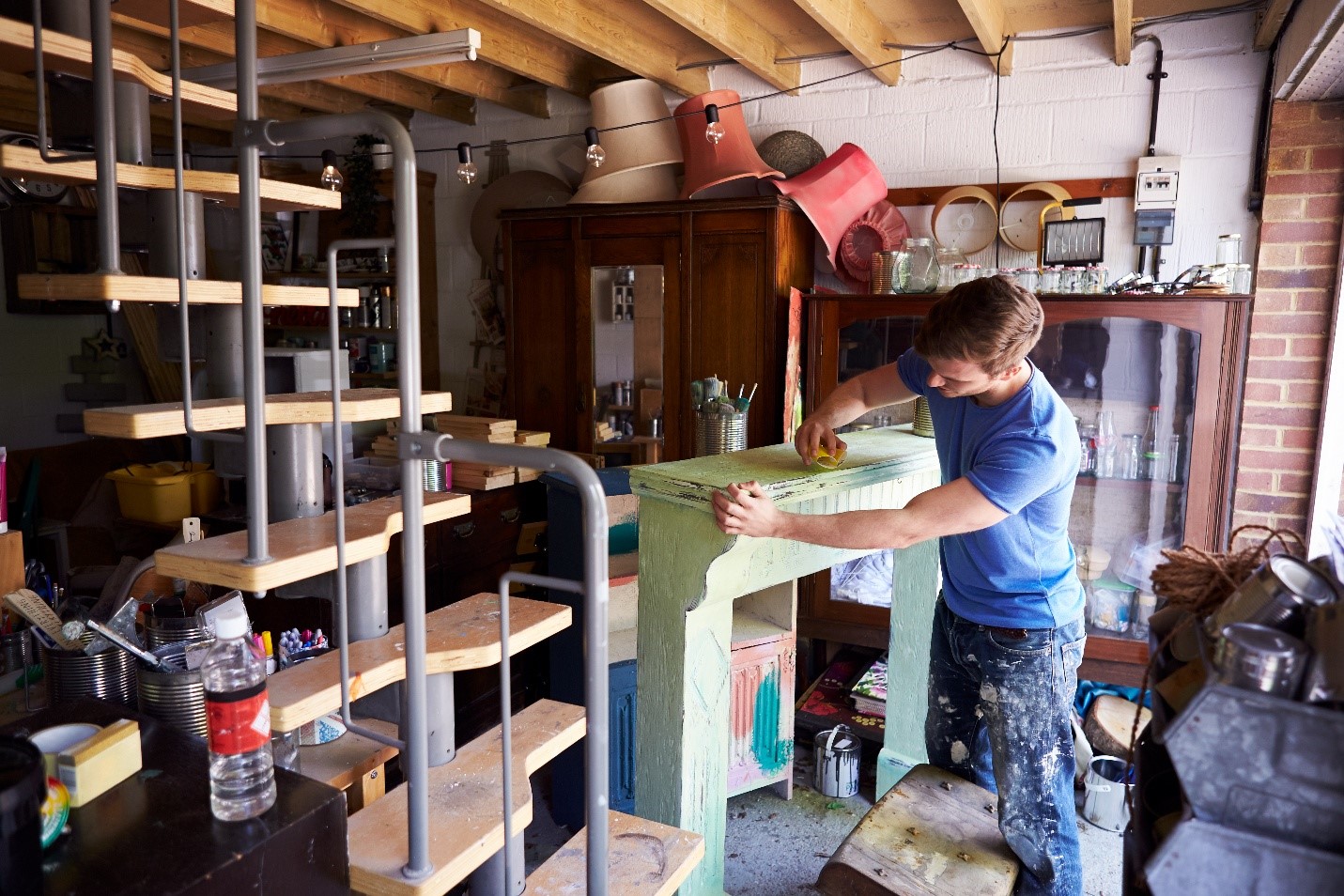
Repairing can help extend the life of what you already own, reducing the need for newer replacements.
- Repairs may cost less than buying new.
- Longevity can help maximize the value of your investment.
- Repairing helps build appreciation for durability.
- May help build your DIY (Do-it-yourself) skills.
- It can encourage resourcefulness and problem-solving.
- Repairing can reduce financial stress by avoiding sudden replacement costs.
- It highlights the importance of maintenance as a money-saving habit.
2. Repurposing: Creating Value from What You Already Own
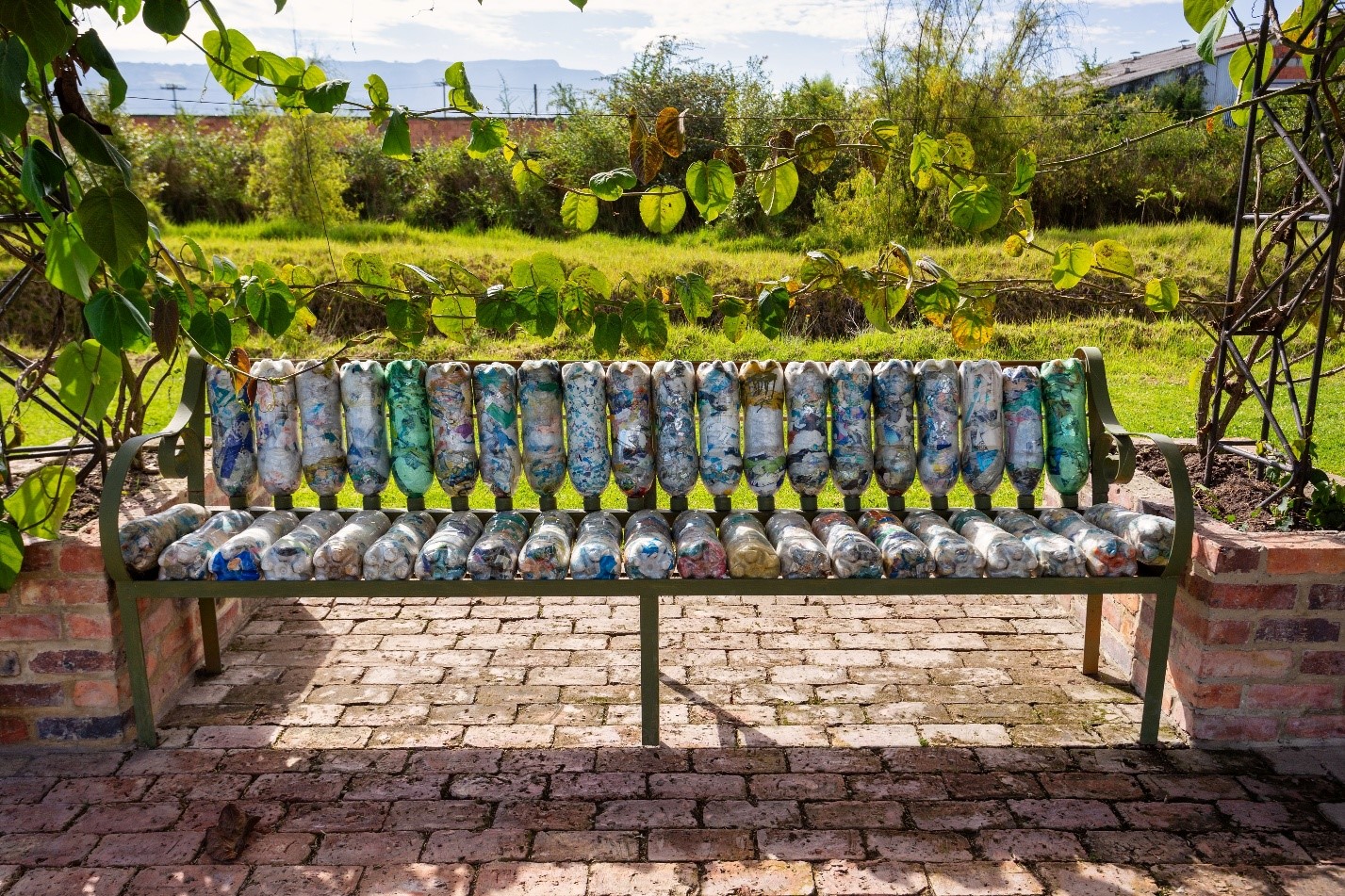
Repurposing can transform items into something useful again, adding new value to them without extra spending.

- Repurposing can reduce the need for making new purchases.
- It may create innovative uses from existing resources.
- It can encourage creativity and adaptability.
- It highlights the hidden potential in everyday items.
- Repurposing may help build resilience by teaching flexibility.
- It can help reduce clutter by giving items a second life and a second chance.
3. Reusing: Maximizing Cost Efficiency
By reusing items, they may help serve their intended purpose more completely while lowering our expenses.
- Reuse can help reduce waste and unnecessary spending.
- It can maximize the lifespan of possessions.
- It highlights efficiency and practicality.
- It can reflect on our financial mindfulness.
- Reusing can help build habits of conservation.
- It can reduce the dependency on constant consumption.
4. Reducing Waste and Protecting Resources
Repairing, repurposing, and reusing can reduce waste and protect valuable resources.
- Less waste means lower disposal costs and less that goes into landfills.
- Resource protection can help us save money in the long run.
- Waste reduction aligns with sustainable living that we can be proud of.
- It may create a financial and environmental balance.
- Protecting resources can ensure their long-term availability.
- It may help reduce hidden costs tied to overconsumption.
5. Building Financial Discipline and Awareness
These practices can encourage discipline and awareness in our spending habits.
- They can reduce impulse buying.
- They may promote careful financial planning.
- They highlight the importance of value-based decisions.
- They can help build habits of mindful consumption.
- Financial discipline may help strengthen our long-term stability.
- Awareness can help avoid unnecessary debt.
6. The Psychology of Value and Satisfaction
Repairing, repurposing, and reusing can give us that inner satisfaction that goes beyond financial savings.
- They may provide us with a sense of accomplishment.
- They may highlight our appreciation for durability.
- They may reduce the stress from constant replacement.
- They can build emotional connections to the possessions we already have.
- Satisfaction comes from making responsible choices.
- They help foster pride in resourcefulness.
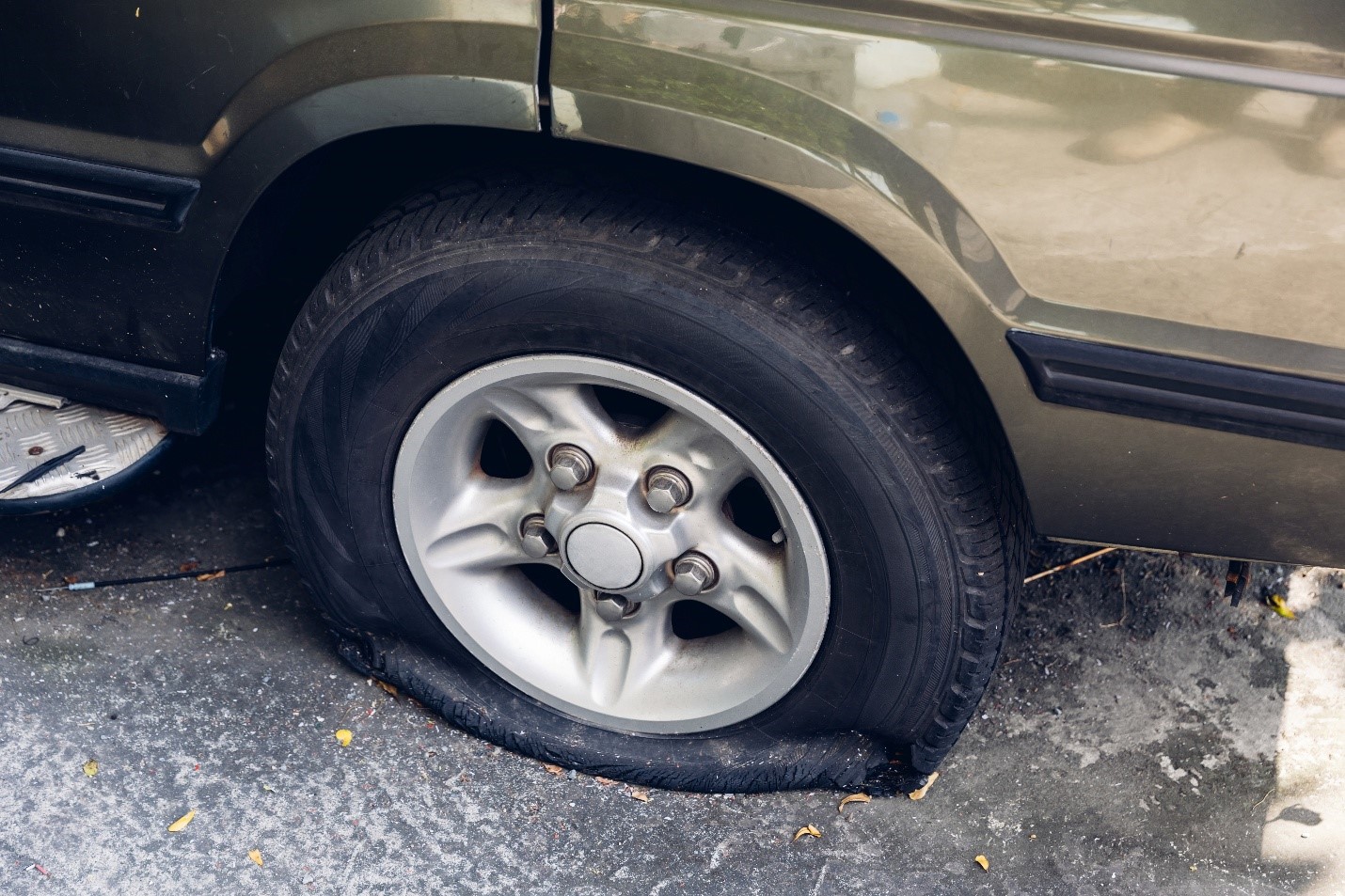
7. Long-Term Savings and Wealth Creation
Small savings can accumulate into long-term wealth.
- Repairing avoids making repeated expenses.
- Repurposing helps reduce the need for making new investments in stuff.
- Reusing can help maximize cost efficiency.
- Together, they can build financial resilience.
- Long-term savings can compound into long-term wealth.
- They can help create financial freedom through reduced spending.
8. Sustainability and Financial Responsibility
Sustainability and financial responsibility go hand in hand.
- Repairing can reduce the demand for new production and new products.
- Repurposing helps minimize waste.
- Reusing aligns with eco-friendly living.
- Financial responsibility helps support long-term stability.
- Making sustainable choices can reduce hidden costs.
- They may help build a new lifestyle of balance and accountability to help transform our current way of living through excess consumption.

9. Minimalism and the Power of Simplicity
Minimalism emphasizes having fewer possessions with greater meaning tied to them.
- Repairing can help support simplicity by extending its use.
- Repurposing can highlight our creativity.
- Reusing may help reduce both physical and mental clutter.
- Simplicity can save us money and create peace of mind.
- Minimalism can help reduce decision fatigue.
- It highlights and helps us value quality over quantity.
10. Cost Per Use: A Smarter Way to Measure Value
Cost per use is a powerful financial concept.
- Longer use can reduce the cost per wear or use.
- High-quality items can thus become more affordable over time.
- Repurposing can extend its cost efficiency.
- Reusing can help maximize our return on investment.
- Cost per use highlights the importance of our selecting durable products.
- It encourages buying with a keen eye for buying less and not more.
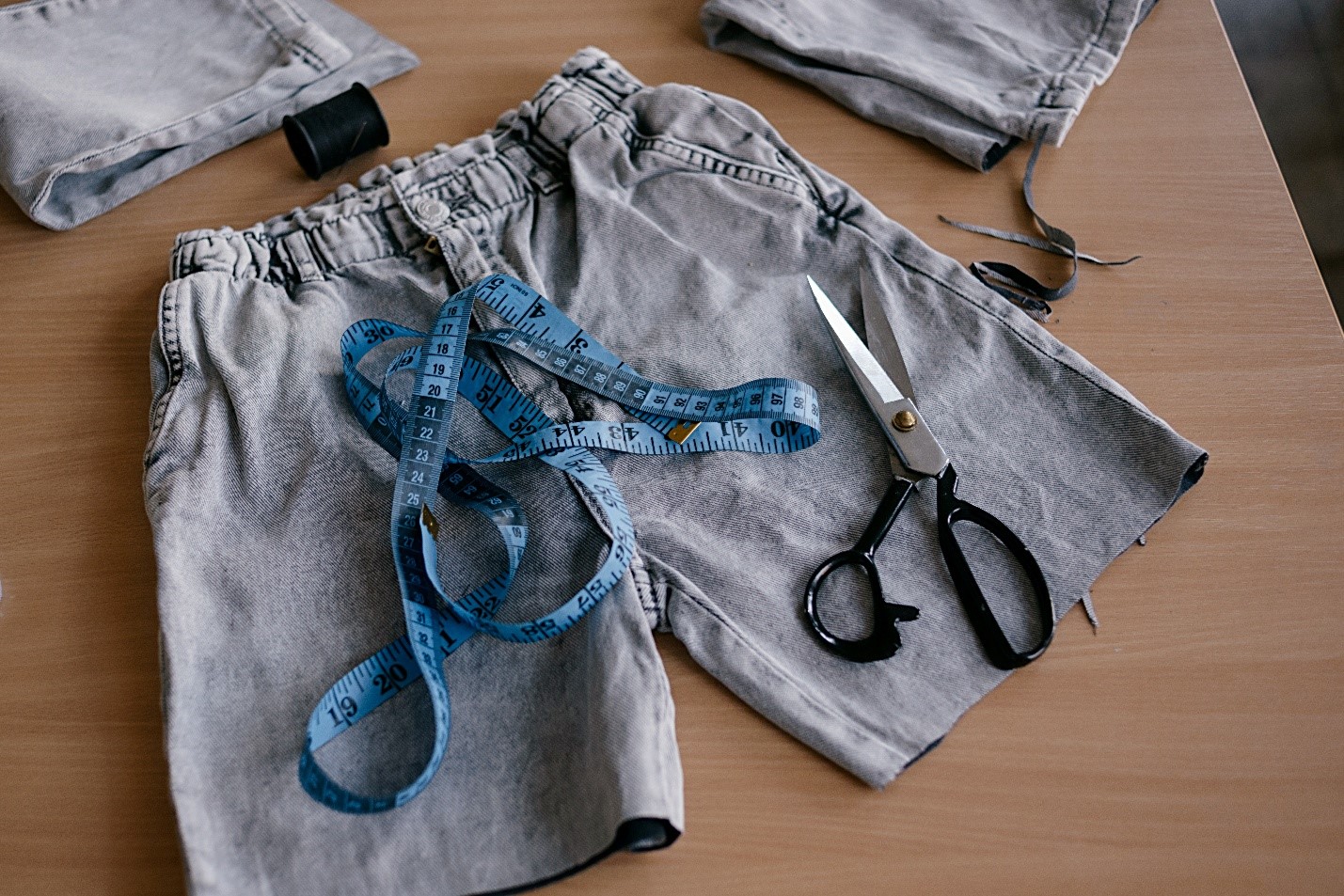
11. The Balance Between Renewal and Preservation
Knowing when to repair, repurpose, or replace is the key.
- Renewal can help symbolize growth and change.
- Preservation may reflect loyalty and endurance.
- Having a balance can ensure that we utilize our financial wisdom.
- Choices reflect our values and priorities.
- Renewal can help prevent stagnation.
- Preservation helps maximize resource efficiency.
Conclusion: The Wealth of Making Mindful Choices
Repairing, repurposing, and reusing are far more than practical habits. They are strategies that can unlock financial success and long-term stability. Each action helps save money, reduce waste, and create lasting value. Together, they can encourage discipline, sustainability, and mindfulness in every decision you make.
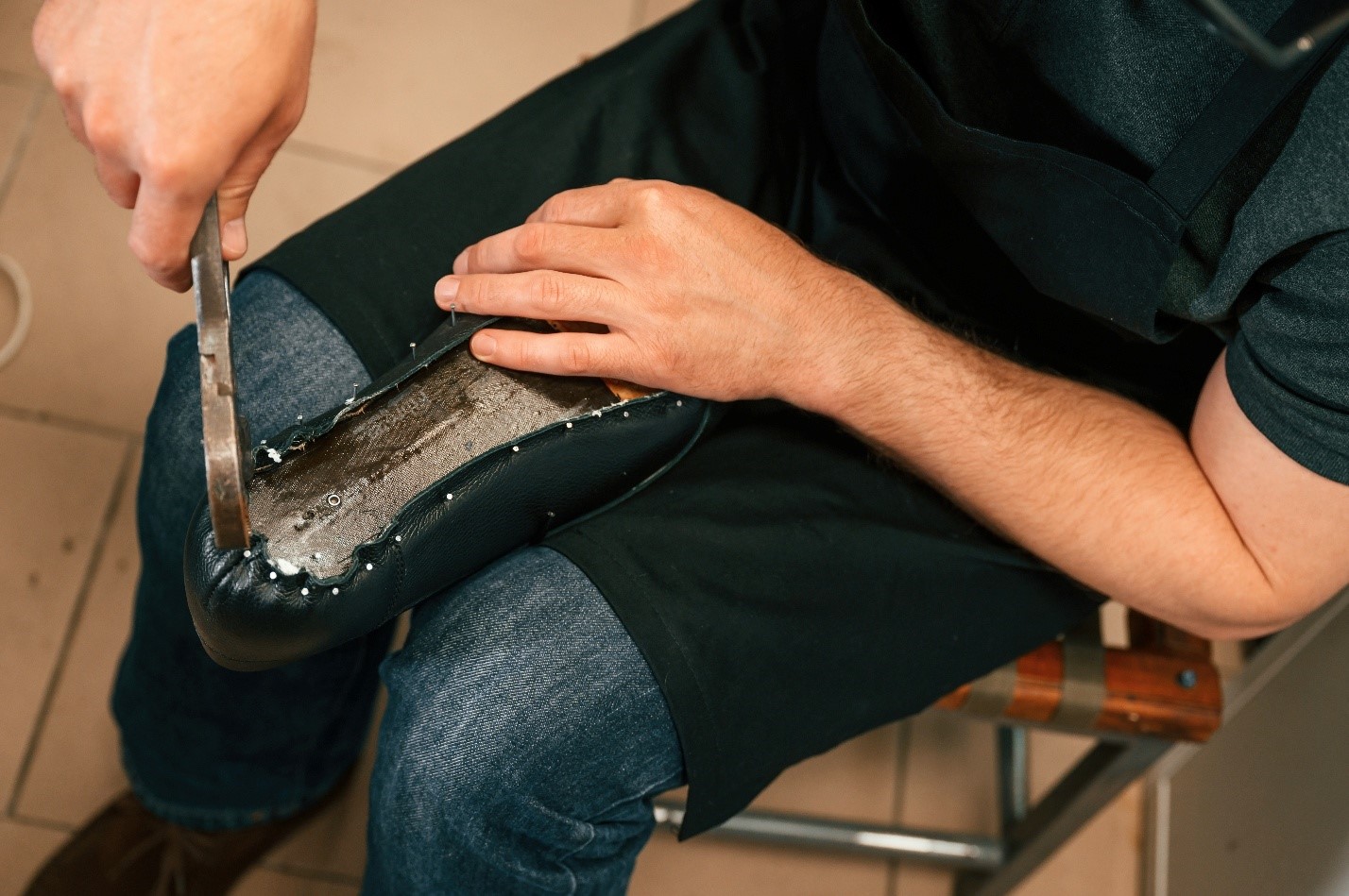
Your choices are a reflection of your true inner values. By repairing, you honor durability and extend the life of what you already own. By repurposing, you can unlock creativity and discover new possibilities in familiar things. By reusing, you help maximize efficiency and ensure that every dollar spent continues to deliver value. These practices can form a cycle of financial wisdom that may help strengthen both your wallet and your lifestyle, while also contributing to a more balanced and responsible way of living.
The next time you consider replacing something, pause and reflect: can it be repaired, repurposed, or reused? That single moment of thought can help transform your financial outlook. It may save you money, reduce unnecessary waste, and create a more sustainable and meaningful path forward.
In the end, wealth is not defined solely by numbers, but by the wisdom with which we use our resources. Choosing to repair, repurpose, and reuse can build resilience, safeguard the environment, and foster financial freedom. These practices remind us that mindful living goes beyond saving; it is about shaping a future where every choice carries purpose, value, and meaning.
Practical Actions for Mindful Choices
- Repair items to extend their life and honor durability.
- Repurpose objects to unlock creativity and discover new uses.
- Reuse whenever possible to maximize efficiency and value.
- Reflect before replacing items to avoid unnecessary waste.
- Align every financial decision with your priorities and values.
Join the conversation! Drop your thoughts in the comments below, and let’s keep the discussion going.
Visit makemoneyunstoppable.com for more resources.
From Experience to insight : Transformational reads for the Strategic mind
Foundational readings for big shifts:
- How to Track Spending without Getting Overwhelmed
- The 7-Day Money Reset Plan: Take Back Control In Just One Week
- Are You Throwing Away $5,000 a Year on Food Waste Without Realizing It?
- The Real Cost of Owning a Big Home
- The Psychology of Spending: Why We Overspend and How to Stop It
- Mastering the Envelope Method

Author: Vaidya Selvan
Welcome to Make Money Unstoppable Personal Finance Made Simple, a blog born out of necessity, a space created from real-life experiences, hard-earned lessons, and a deep-seated desire to share what I wish someone had taught me or had known sooner.

Newsletter Invite
Want more real-world information on Money? Join my newsletter for practical tips, updates on my books, and strategies to help you build financial freedom on your terms.
Yes, the eBook is also free. Just drop in your email here to get instant access. ONE eBook per email.
The eBook is sent automatically and should arrive within minutes. Depending on your email provider, it may appear in your Spam or Promotions folder. While we don’t control its exact placement, you can be confident it has been dispatched and is waiting for you.
#FinancialFreedom #Newsletter #MoneyTips