

Why Poverty Still Exists in a World Full of Wealth: A Simple Guide to Understanding the Real Reasons
Introduction: Why Poverty Exists When the World Has More Than Enough
It is natural to wonder why poverty still exists when the world has so much money, so many resources, and so much potential. If there is plenty of wealth around, why do so many people still struggle? Why do some communities grow while others remain stuck? Why does financial hardship continue generation after generation, even though the world produces more than enough for everyone?
Last Updated: June 18, 2026
Disclaimer: I am not a licensed financial advisor, financial planner, tax professional, attorney, or employment consultant. The information provided in this blog is intended solely for general informational and educational purposes. This content should not be interpreted or construed as professional advice on financial, legal, tax, employment, or career matters. Always consult a qualified professional before making decisions that affect your personal situation. For transparency, some articles may include AI-assisted content. The idea is original and developed independently. All material is reviewed, edited, and approved before publication to ensure clarity and accuracy.
The truth is simple and uncomfortable: poverty does not exist because the world lacks money. Poverty exists because the world lacks clarity, fairness, structure, and opportunity. Poverty is not only about income. It is about access, systems, education, stability, and the ability to make choices that support long term growth. It is about the conditions people live in, the information they receive, the habits they learn, and the opportunities available to them.
When we understand the deeper reasons behind poverty, we stop blaming individuals and start seeing the bigger picture. We begin to understand how systems shape outcomes. We begin to see how habits, boundaries, and opportunities influence financial stability. We begin to see how clarity, purpose, and direction can help people rise above their circumstances. We begin to see that poverty is not a personal failure — it is a structural and educational gap.
Understanding poverty may help us see:
- How systems help shape opportunity
- How access influences financial stability
- How habits and boundaries affect long term outcomes
- How education and clarity can reduce financial hardship
- How purpose and direction can help people rise
When we look at poverty through this wider lens, we begin to understand that financial hardship is not simply about money — it is about the environment people grow in, the tools they have, the support they receive, and the clarity they develop.
This blog will help you understand why poverty exists, what keeps it in place, and what practical steps can help individuals and communities move toward financial stability and long term freedom.
Your Clear Guide to Understanding Poverty and Financial Stability
Table of Contents
- What Poverty Really Means
- Why Poverty Exists Even When Wealth Exists
- How Lack of Access Creates Poverty
- How Knowledge and Skills Shape Financial Stability
- How Habits and Boundaries Influence Poverty
- How Systems and Structures Affect Opportunity
- Practical Steps That Help People Break the Cycle
- Conclusion: Understanding Poverty Is the First Step to Reducing It
Unlock your financial freedom.
Download this FREE eBook!.
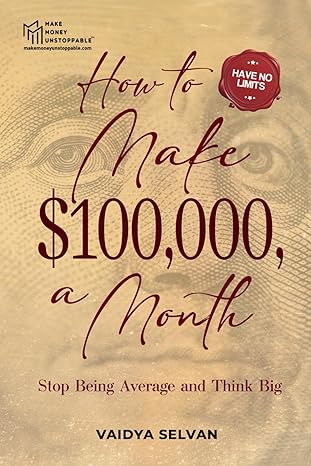
How to make $100,000/month? Stop being average and think big.
Stop Settling. Start Scaling.
Unlock the mindset, systems, and strategies top earners use to build unstoppable income.
Think Bigger. Earn Smarter.
This free eBook serves as your blueprint for scaling quickly, earning relentlessly, not settling for mediocrity, and living life on your terms.
Inside, you’ll discover:
- The Millionaire Mindset Blueprint
- Income streams that run on autopilot
- Entrepreneur hacks for focus and financial dominance
- One strategy to launch multiple income streams
- How to break free from “just enough”
- Tools to crush limiting beliefs and build your empire
Average doesn’t scale. Vision does. Download now and start your $100K/month transformation.
Yes, this eBook is free. Just drop in your email here to get instant access. ONE eBook per email.
The eBook is sent automatically and should arrive within minutes. Depending on your email provider, it may appear in your Spam or Promotions folder. While we don’t control its exact placement, you can be confident it has been dispatched and is waiting for you.
PLUS: Get Access to exclusive financial tips, learn everything about money and get early blog updates – delivered directly to your inbox .
1. What Poverty Really Means
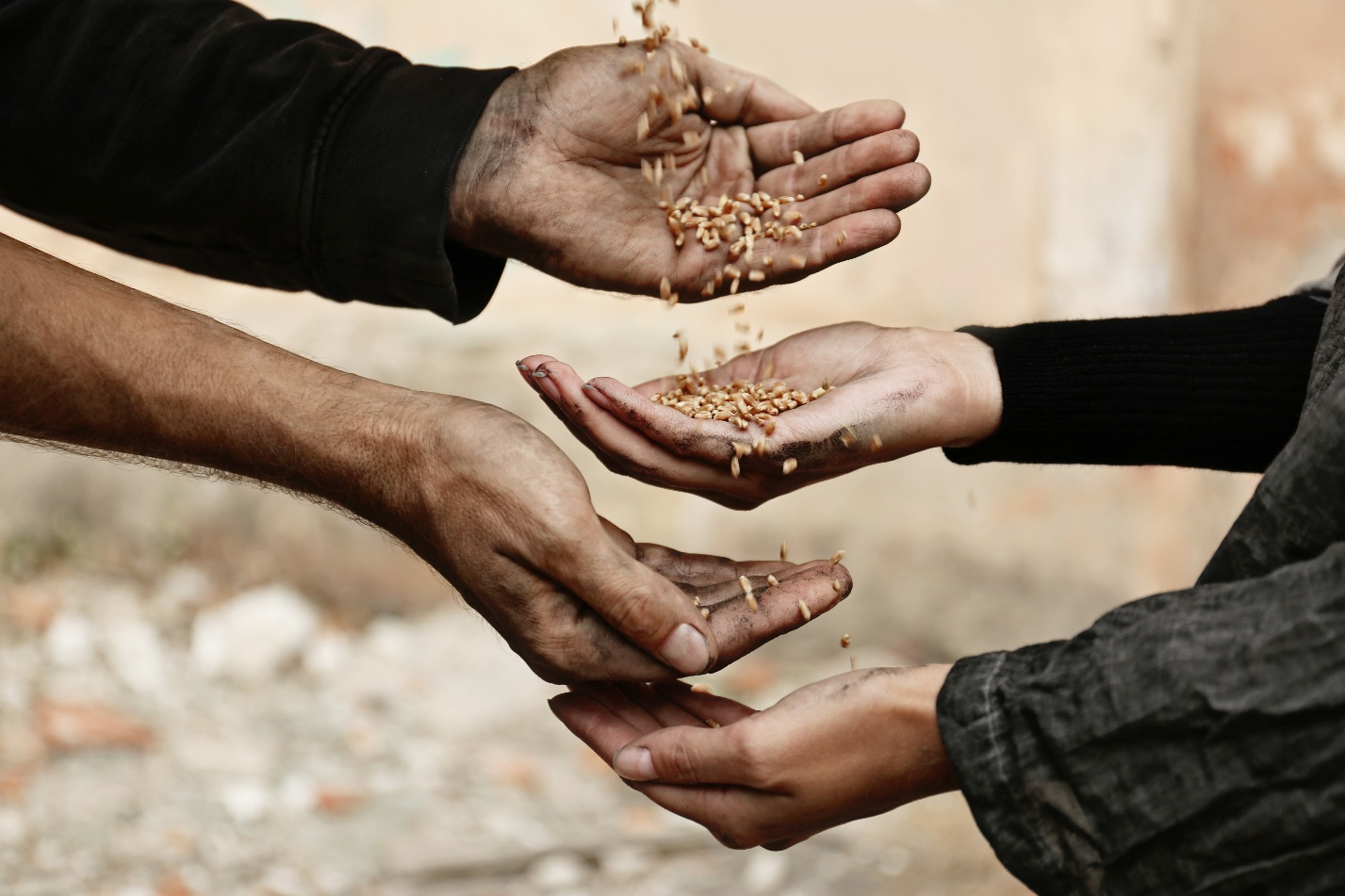
Poverty is not only about having little money. Poverty is a lack of stability, clarity, and opportunity. It affects how people think, how they make decisions, and how they plan for the future.
Poverty may often include:
- Lack of financial stability
- Lack of access to resources
- Lack of long term planning tools
- Lack of financial education
- Lack of emotional and mental support
Pointers:
- Poverty limits choices
- Poverty increases stress
- Poverty reduces confidence
- Poverty affects decision making
- Poverty creates long term pressure
2. Why Poverty Exists Even When Wealth Exists
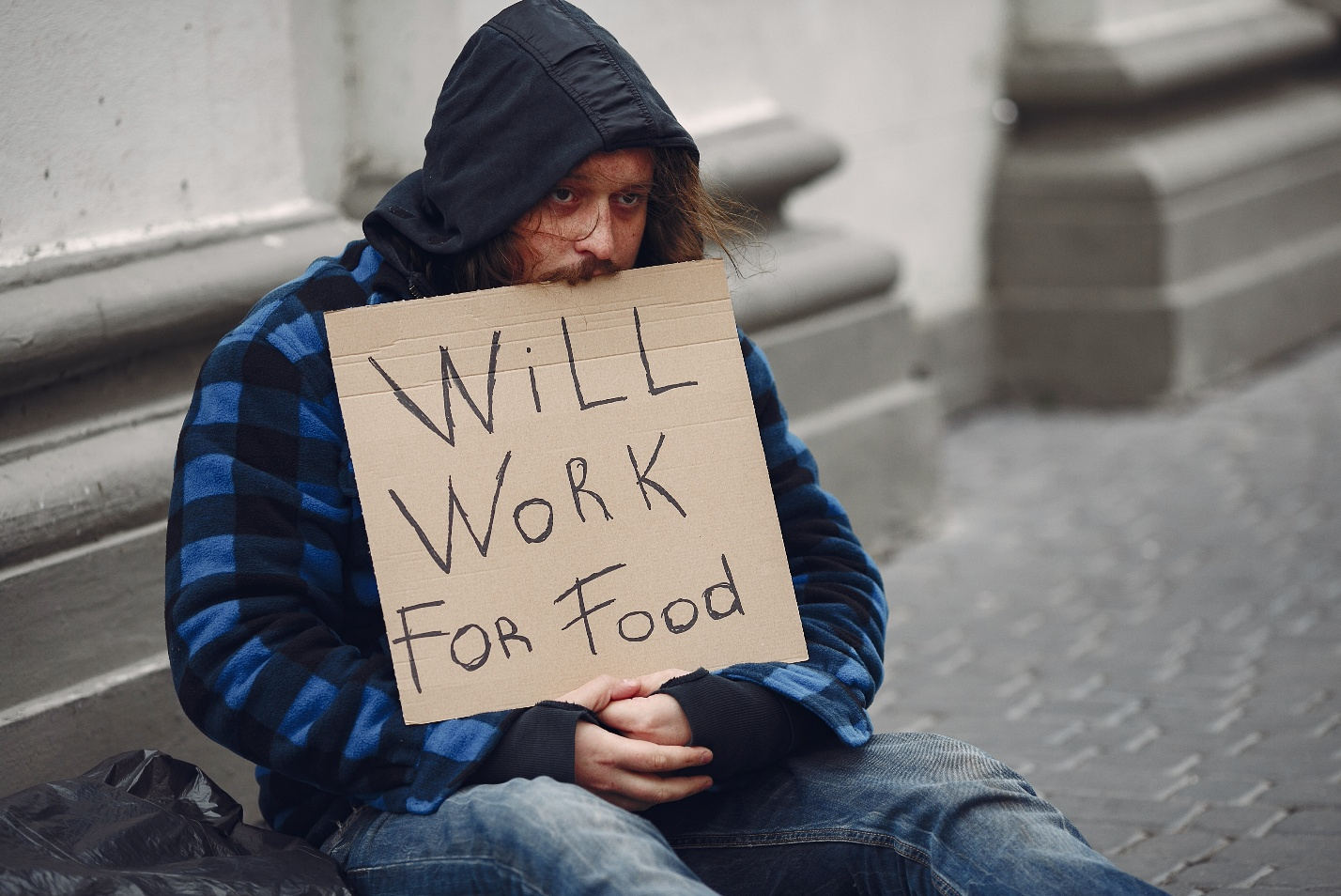
The world has plenty of money, but money is not evenly distributed. Wealth gathers in certain places, systems, and structures. Poverty continues because access to opportunity may not be equal.
Key reasons may include:
- Uneven distribution of resources
- Limited access to financial tools
- Lack of support systems
- Barriers to education
- Generational patterns
Pointers:
- Wealth grows where systems support it
- Poverty grows where systems fail
- Opportunity is not the same everywhere
- Stability requires structure
- Growth requires guidance
3. How Lack of Access Creates Poverty
Access is one of the biggest factors in financial stability. When people lack access, they lack options.
Lack of access may include:
- Access to information
- Access to financial education
- Access to stable environments
- Access to supportive communities
- Access to long term planning tools

Pointers:
- Access shapes confidence
- Access shapes decision making
- Access shapes opportunity
- Access shapes long term outcomes
- Access shapes financial habits
4. How Knowledge and Skills Can Shape Financial Stability
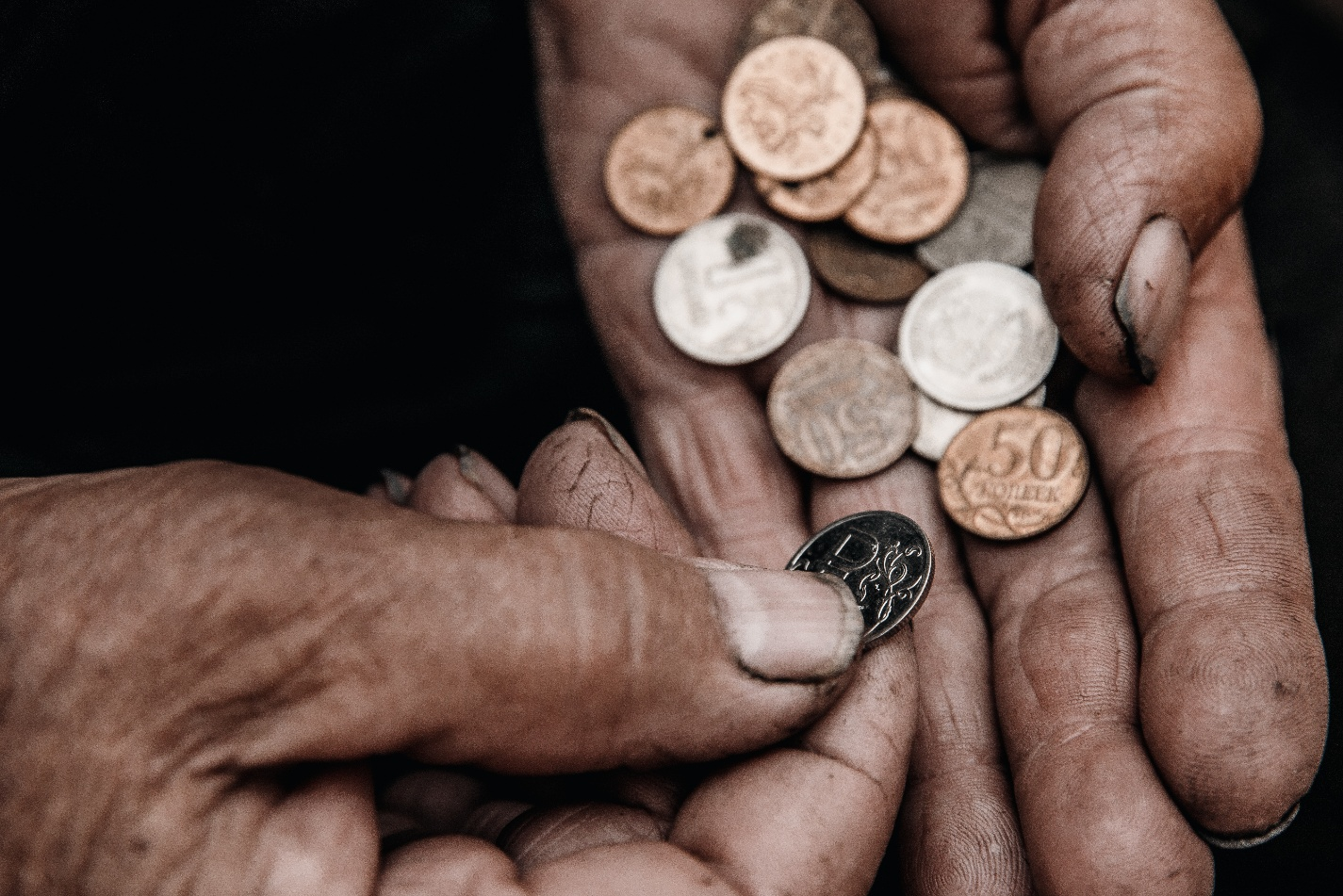
Financial knowledge and financial literacy are the strongest tools that we can use against poverty. When people understand how money works, they make better decisions.
Knowledge may include:
- Understanding basic money principles
- Understanding financial boundaries
- Understanding long term planning
- Understanding habits and discipline
- Understanding emotional spending
Pointers:
- Knowledge builds confidence
- Knowledge reduces stress
- Knowledge improves decision making
- Knowledge supports long term stability
- Knowledge helps break generational patterns
5. How Habits and Boundaries Influence Poverty
Daily habits can help shape our long term outcomes. Without healthy habits and boundaries, financial stability becomes difficult.
Helpful habits may include:
- Tracking spending
- Setting simple boundaries
- Planning weekly
- Practicing and making mindful choices
- Reviewing goals regularly
Pointers:
- Habits create structure
- Structure creates stability
- Stability creates confidence
- Confidence creates better decisions-making
- Better decisions create long term growth

6. How Systems and Structures Affect Opportunity
Poverty is often shaped by systems, not individuals. Systems influence what people can access, learn, and build.
Systems may include:
- Education systems
- Economic systems
- Community structures
- Support networks
- Long term planning environments
Pointers:
- Systems shape opportunity
- Systems shape habits
- Systems shape confidence
- Systems shape long term outcomes
- Systems shape financial culture
7. Practical Steps That Can Help People Break the Cycle
Breaking the cycle of poverty requires simple, practical steps that can help build stability over time.
Helpful steps may include:
- Setting one clear financial boundary
- Being financially literate
- Creating a simple money plan
- Building one healthy habit at a time
- Learning basic financial skills
- Connecting with supportive communities
Pointers:
- Start small
- Stay consistent
- Focus on clarity
- Protect your peace
- Build long term stability
Conclusion: Understanding Poverty Is the First Step to Reducing It
Poverty does not exist because the world lacks money. It exists because the world lacks access, clarity, structure, and opportunity. When we understand the deeper reasons behind poverty, we stop blaming individuals and start seeing the systems, habits, and patterns that shape financial outcomes today. We begin to see how the environment people grow in affects their choices, their confidence, and their long term stability. Then comes the mindset, which may be the ultimate determinant of whether we fall into the rich or poor category.
In my view and experience, nothing is impossible, and everything is possible. Every change begins in the mind. The past is already behind us, and we cannot rewrite it. What we can do is pivot, adjust, and focus on the road ahead. Growth requires movement. Progress requires direction. And both begin with a decision to look forward instead of backward.
Blaming others for our problems will take us nowhere but down. Blame keeps us stuck. Blame keeps us powerless. Blame keeps us tied to the past. The moment we stop blaming and start owning our challenges, everything shifts. We gain clarity. We gain strength. We gain control.

The truth is simple: no one is coming to rescue us. We are responsible for our own path, our own choices, and our own future. This is not a burden — it is freedom and true liberation. When we take ownership, we take back our power. When we take responsibility, we take back our direction. When we take action, we take back our life.
Everything begins with the mind. Everything grows with responsibility. Everything changes when we decide to rise.
Understanding poverty is the first step to reducing it. It helps us see where support is needed. It helps us see where habits must change. It helps us see where boundaries must be built. It helps us see how clarity, education, and structure can help transform lives. When we understand the truth, we can respond with wisdom instead of judgment, and with solutions instead of assumptions.
Financial freedom begins with knowledge. It grows with habits. It strengthens with boundaries. It expands with opportunity. And it becomes possible when people understand the forces that help shape their financial lives. When people gain clarity, they gain confidence. When they gain confidence, they make better decisions. When they make better decisions, they build stability. And stability is the foundation of long term growth.
You do not need to solve everything at once. You do not need to fix every problem today. You only need one clear step. One new habit. One boundary. One moment of clarity. One decision that moves you toward stability, peace, and long term growth. Small steps can help create big change when they are repeated with purpose.

Understanding poverty helps you help yourself, and it helps you help others. It gives you the insight to guide, support, and uplift those who feel stuck or overwhelmed. And when more people understand the truth, more people can rise. More people can build stability. More people can create long term freedom, and more people can break the patterns that hold them back.
Understanding is the beginning. Clarity is the turning point. Action is the path forward. And with each step, the world becomes a place where more people have the chance to grow, to rise, and to live with dignity and stability.
What is one truth you now understand about why poverty exists in a world amidst plenty, and how can you use that clarity today to make one simple financial choice that strengthens your own stability, protects your peace, and becomes a piece of wisdom you can share with someone who needs guidance?
Join the conversation! Drop your thoughts in the comments below, and let’s keep the discussion going.
From Experience to insight : Transformational reads for the Strategic mind
Foundational readings for big shifts:
- How to Track Spending without Getting Overwhelmed
- The 7-Day Money Reset Plan: Take Back Control In Just One Week
- Are You Throwing Away $5,000 a Year on Food Waste Without Realizing It?
- The Real Cost of Owning a Big Home
- The Psychology of Spending: Why We Overspend and How to Stop It
- Mastering the Envelope Method
Author: Vaidya Selvan
Welcome to Make Money Unstoppable Personal Finance Made Simple, a blog born out of necessity, a space created from real-life experiences, hard-earned lessons, and a deep-seated desire to share what I wish someone had taught me or had known sooner.

Newsletter Invite
Want more real-world information on Money? Join my newsletter for practical tips, updates on my books, and strategies to help you build financial freedom on your terms.
Yes, the eBook is also free. Just drop in your email here to get instant access. ONE eBook per email.
The eBook is sent automatically and should arrive within minutes. Depending on your email provider, it may appear in your Spam or Promotions folder. While we don’t control its exact placement, you can be confident it has been dispatched and is waiting for you.
#FinancialFreedom #Newsletter #MoneyTips
Like this blog?
Related Blogs