
Debt-Free Living: How Every Dollar Saved Equals More Freedom
Introduction: The Power of Every Dollar
Every dollar you choose not to spend is more than just money saved: it is time, freedom, and opportunity gained. When you avoid unnecessary spending, you reduce the hours you must work to repay debt. This simple truth highlights the powerful connection between financial discipline and personal freedom.
Last Updated: March 8, 2026
Disclaimer: I am not a licensed financial advisor, financial planner, tax professional, attorney, or employment consultant. The information provided in this blog is intended solely for general informational and educational purposes. This content should not be interpreted or construed as professional advice on financial, legal, tax, employment, or career matters. Always consult a qualified professional before making decisions that affect your personal situation. For transparency, some articles may include AI-assisted content. The idea is original and developed independently. All material is reviewed, edited, and approved before publication to ensure clarity and accuracy.
Debt can feel overwhelming, but the path to true financial freedom begins with making small, intentional choices. Each dollar saved reduces the burden of repayment, shortens the timeline to financial independence, and strengthens your control over your future. By understanding the relationship between spending, debt, and time, you can help transform your financial habits into a strategy for lasting stability.
This blog explores how every dollar saved can contribute to debt reduction, why financial discipline matters, and how taking practical steps can help you achieve debt-free living.
The Complete Guide to Debt-Free Living Through Smart Saving
Table of Contents
- What It Means to Save Every Dollar
- Why Debt Reduction Matters
- The Link Between Spending, Debt, and Time
- Building a Strong Debt-Free Mindset
- Practical Steps to Reduce Debt Through Saving
- The Importance of Consistency in Financial Discipline
- How Environment Shapes Spending Habits
- Long-Term Benefits of Debt-Free Living
- Common Mistakes to Avoid in Debt Management
- Conclusion: Owning Your Financial Freedom
1. What It Means to Save Every Dollar
- Every dollar saved can reduce debt repayment.
- Saving money can help shorten the time needed to work off debt.
- Small savings can add up to significant financial freedom.
- Each dollar represents control over your financial future.
- Saving is a daily choice that can help build long-term stability.
Unlock your financial freedom.
Download this FREE eBook!.
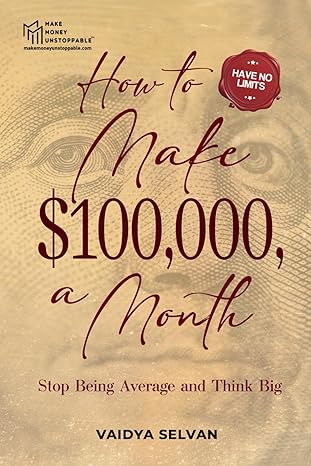
How to make $100,000/month? Stop being average and think big.
Stop Settling. Start Scaling.
Unlock the mindset, systems, and strategies top earners use to build unstoppable income.
Think Bigger. Earn Smarter.
This free eBook serves as your blueprint for scaling quickly, earning relentlessly, not settling for mediocrity, and living life on your terms.
Inside, you’ll discover:
- The Millionaire Mindset Blueprint
- Income streams that run on autopilot
- Entrepreneur hacks for focus and financial dominance
- One strategy to launch multiple income streams
- How to break free from “just enough”
- Tools to crush limiting beliefs and build your empire
Average doesn’t scale. Vision does. Download now and start your $100K/month transformation.
Yes, this eBook is free. Just drop in your email here to get instant access. ONE eBook per email.
The eBook is sent automatically and should arrive within minutes. Depending on your email provider, it may appear in your Spam or Promotions folder. While we don’t control its exact placement, you can be confident it has been dispatched and is waiting for you.
PLUS: Get Access to exclusive financial tips, learn everything about money and get early blog updates – delivered directly to your inbox .
2. Why Debt Reduction Matters
- Debt limits and delays financial freedom.
- Reducing debt helps lower stress and anxiety.
- Debt-free living can create growth opportunities.
- Less debt means having more control over your income.
- Debt reduction can help build long-term security.

3. The Link Between Spending, Debt, and Time
- Spending increases debt and pushes back debt repayment time.
- Having savings can help reduce the hours needed to work.
- Time and money are directly connected.
- Every dollar saved equals more freedom.
- Financial discipline can create a balance between money and time.
4. Building a Strong Debt-Free Mindset
- Define by having clear financial goals.
- Align the daily choices you make with those goals.
- Avoid unnecessary and impulsive spending.
- Focus on long-term freedom instead of chasing short-term wants.
- Strength comes from having clarity, being responsible, and being disciplined.
5. Practical Steps to Reduce Debt Through Saving
- Track daily expenses.
- Identify areas to cut back.
- Create a simple budget.
- Save small amounts consistently.
- Apply savings directly to debt repayment.
- Monitor your progress regularly.
- Stay adaptable while keeping your goals intact.
- Shop with a list and never go shopping hungry.
- Every dollar counts.
- Focus on saving 70% of your income and live off the 30%.

6. The Importance of Consistency in Financial Discipline
- Consistency can help build trust in your own habits.
- It can reinforce progress over time.
- Inconsistency can weaken financial stability.
- Repetition of saving habits can strengthen your discipline.
- Long-term consistency helps create lasting impact.
7. How Our Environment Shapes Our Spending Habits
- Surroundings influence financial choices.
- The context changes how spending is perceived.
- Environments can amplify or weaken our discipline.
- Awareness of the setting we are in can help refine our habits.
- Adaptation can help ensure that our financial goals remain strong.
- Our mindset and thought process play a major role in our spending.
- Choosing the right friends and the right circle matters.

8. Long-Term Benefits of Debt-Free Living
- Debt-free living can lead to stability.
- It can create growth opportunities.
- It can help build resilience against challenges.
- It can enhance our confidence and self-awareness.
- It can ensure lasting recognition and respect for being disciplined.
9. Common Mistakes to Avoid in Debt Management
- Ignoring small expenses.
- Sending mixed financial signals.
- Overcomplicating debt repayment plans.
- Neglecting consistency in saving.
- Forgetting to align spending with goals.
- Spending everything that comes in.
- Postponing debt repayment.
- Having no debt repayment plan.
- Paying more interest over time and stretching debt repayment.
- Not planning to pre-pay the debt.
- Not having multiple sources of income and relying on just one job.
- Not increasing income but spending recklessly.
Conclusion
Owning Your Financial Freedom
Debt-free living is not just about numbers on a screen: it is about freedom, time, and control. Every dollar you choose not to spend reduces the hours you must work to repay debt. By saving consistently, refining your habits, and staying disciplined, you take ownership of your financial journey.
Imagine this: you earn $20 an hour and want to buy a jacket for $200. That’s 10 hours of work. After taxes, closer to 12 hours of expended time, stress, and effort. If you put that purchase on credit and don’t pay it off in full, the interest compounds. That $200 jacket could end up costing $2,000.
Know your numbers. Calculate purchases based on your hourly wage and the time required to earn that money. When you connect spending with time lost and effort required, you see the true cost: not just in dollars, but in freedom. If you cannot pay the balance in full each month, the purchase isn’t worth it. Earn first, spend later. That’s responsibility, the way it used to be.
Owning your financial freedom means being intentional about every choice. Align your spending with your values. Let your actions reflect your long-term goals. When you manage your finances with care, you build trust, recognition, and lasting stability.

Debt-free living is not just about today; it’s about the legacy you create. Every dollar saved adds to the freedom you leave behind. By owning your financial identity, you ensure that what people see is not accidental but purposeful, strong, and lasting.
When you owe money, you are at someone else’s mercy. That’s why it’s wise to plan a repayment schedule and pay it off as soon as possible. To be financially and psychologically free is to owe no one anything. The only exception? Investing in appreciating assets that help build wealth, not liabilities, not vacations on credit, not things that lose value the moment you buy them.
Financial freedom is not about deprivation; it’s about true empowerment.
What would be your choice?
Choose control over chaos. Because freedom is built on clarity, and not in confusion.
Choose discipline over indulgence. Because every sacrifice made today helps plant the seeds for tomorrow’s abundance.
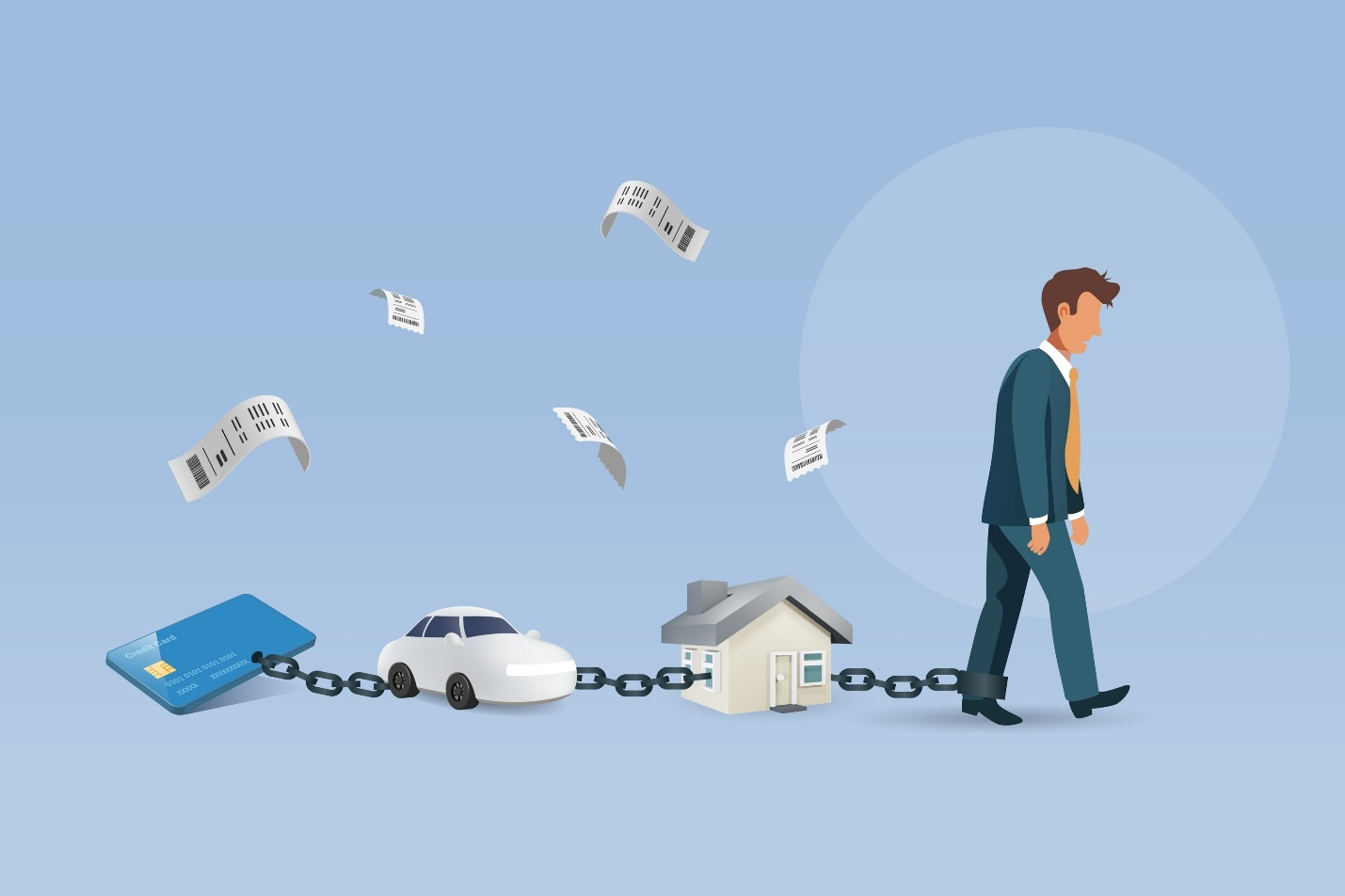
Choose legacy over liability. Because what you leave behind should be strength, not debt.
In the end, financial freedom is not given; it’s chosen. Every decision we make is a vote for the life we want to live.
Join the conversation! Drop your thoughts in the comments below, and let’s keep the discussion going.
makemoneyunstoppable.com
From Experience to insight : Transformational reads for the Strategic mind
Foundational readings for big shifts:
- How to Track Spending without Getting Overwhelmed
- The 7-Day Money Reset Plan: Take Back Control In Just One Week
- Are You Throwing Away $5,000 a Year on Food Waste Without Realizing It?
- The Real Cost of Owning a Big Home
- The Psychology of Spending: Why We Overspend and How to Stop It
- Mastering the Envelope Method

Author: Vaidya Selvan
Welcome to Make Money Unstoppable Personal Finance Made Simple, a blog born out of necessity, a space created from real-life experiences, hard-earned lessons, and a deep-seated desire to share what I wish someone had taught me or had known sooner.

Newsletter Invite
Want more real-world information on Money? Join my newsletter for practical tips, updates on my books, and strategies to help you build financial freedom on your terms.
Yes, the eBook is also free. Just drop in your email here to get instant access. ONE eBook per email.
The eBook is sent automatically and should arrive within minutes. Depending on your email provider, it may appear in your Spam or Promotions folder. While we don’t control its exact placement, you can be confident it has been dispatched and is waiting for you.
#FinancialFreedom #Newsletter #MoneyTips