
Starve the Landfill and Save Your Wallet: A Simple Guide to Waste Reduction and Smart Spending
Introduction
The Power of Small Choices That Protect Your Money and the Planet
Waste often feels invisible. It leaves your hands, goes into a bin, and disappears. But the truth is that every piece of waste has a cost. It costs space in landfills, it costs resources to manage, and it costs you money every time something is thrown away instead of being repurposed or used wisely. What seems small at first can grow into a long term problem for both your wallet and the environment.
Last Updated: April 9, 2026

Disclaimer: I am not a licensed financial advisor, financial planner, tax professional, attorney, or employment consultant. The information provided in this blog is intended solely for general informational and educational purposes. This content should not be interpreted or construed as professional advice on financial, legal, tax, employment, or career matters. Always consult a qualified professional before making decisions that affect your personal situation. For transparency, some articles may include AI-assisted content. The idea is original and developed independently. All material is reviewed, edited, and approved before publication to ensure clarity and accuracy.
Many people do not realize how closely waste and personal spending are connected. When items are used once and tossed, money is lost. When materials pile up in landfills, the environmental impact grows. When habits go unchecked, the cycle repeats. But the good news is that small, simple changes can break this cycle. You can reduce waste, save money, and make daily choices that support a healthier planet. Yes, you can help.
This blog explains how waste reduction works, why it matters, and how it can protect your finances. By understanding how waste affects your wallet and the environment, you gain the power to make choices that benefit both.
How to Reduce Waste and Save Money at the Same Time
Table of Contents
- What Waste Reduction Really Means
- How Waste Affects Your Wallet
- Why Landfills Grow So Quickly
- The Hidden Connection Between Waste and Overspending
- Common Habits That Increase Waste and Cost You Money
- Practical Ways to Reduce Waste and Save More
- Smart Daily Habits That Protect Your Wallet and the Environment
- Conclusion: Two Birds, One Stone: A Cleaner Planet and a Stronger Wallet
1. What Waste Reduction Really Means
Waste reduction is the practice of lowering the amount of material that ends up in landfills. It focuses on using items wisely, choosing long lasting options, and avoiding unnecessary disposal. Repair, reuse, buy for durability, and make it last a lifetime.
Key pointers:
- Waste reduction lowers the amount of trash sent to landfills.
- It helps conserve resources and reduces environmental impact.
- It helps support your long term financial stability by reducing unnecessary spending.
- It encourages mindful choices about what you buy and how you use it.
- It helps you rethink twice before making any purchase- small or large.
Waste reduction is not about perfection. It is about making small, steady improvements.
Unlock your financial freedom.
Download this FREE eBook!.
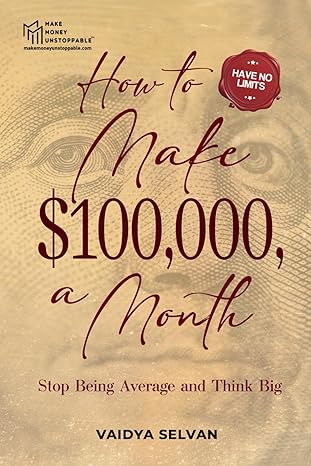
How to make $100,000/month? Stop being average and think big.
Stop Settling. Start Scaling.
Unlock the mindset, systems, and strategies top earners use to build unstoppable income.
Think Bigger. Earn Smarter.
This free eBook serves as your blueprint for scaling quickly, earning relentlessly, not settling for mediocrity, and living life on your terms.
Inside, you’ll discover:
- The Millionaire Mindset Blueprint
- Income streams that run on autopilot
- Entrepreneur hacks for focus and financial dominance
- One strategy to launch multiple income streams
- How to break free from “just enough”
- Tools to crush limiting beliefs and build your empire
Average doesn’t scale. Vision does. Download now and start your $100K/month transformation.
Yes, this eBook is free. Just drop in your email here to get instant access. ONE eBook per email.
The eBook is sent automatically and should arrive within minutes. Depending on your email provider, it may appear in your Spam or Promotions folder. While we don’t control its exact placement, you can be confident it has been dispatched and is waiting for you.
PLUS: Get Access to exclusive financial tips, learn everything about money and get early blog updates – delivered directly to your inbox .
2. How Waste Affects Your Wallet
Every item thrown away represents money spent. When waste increases, spending increases. When waste decreases, savings grow.
Important details:
- Waste often comes from items used briefly and discarded.
- Replacing items frequently increases long term costs.
- Mindful use of materials reduces the need for constant purchases.
- Lower waste levels lead to lower spending over time.
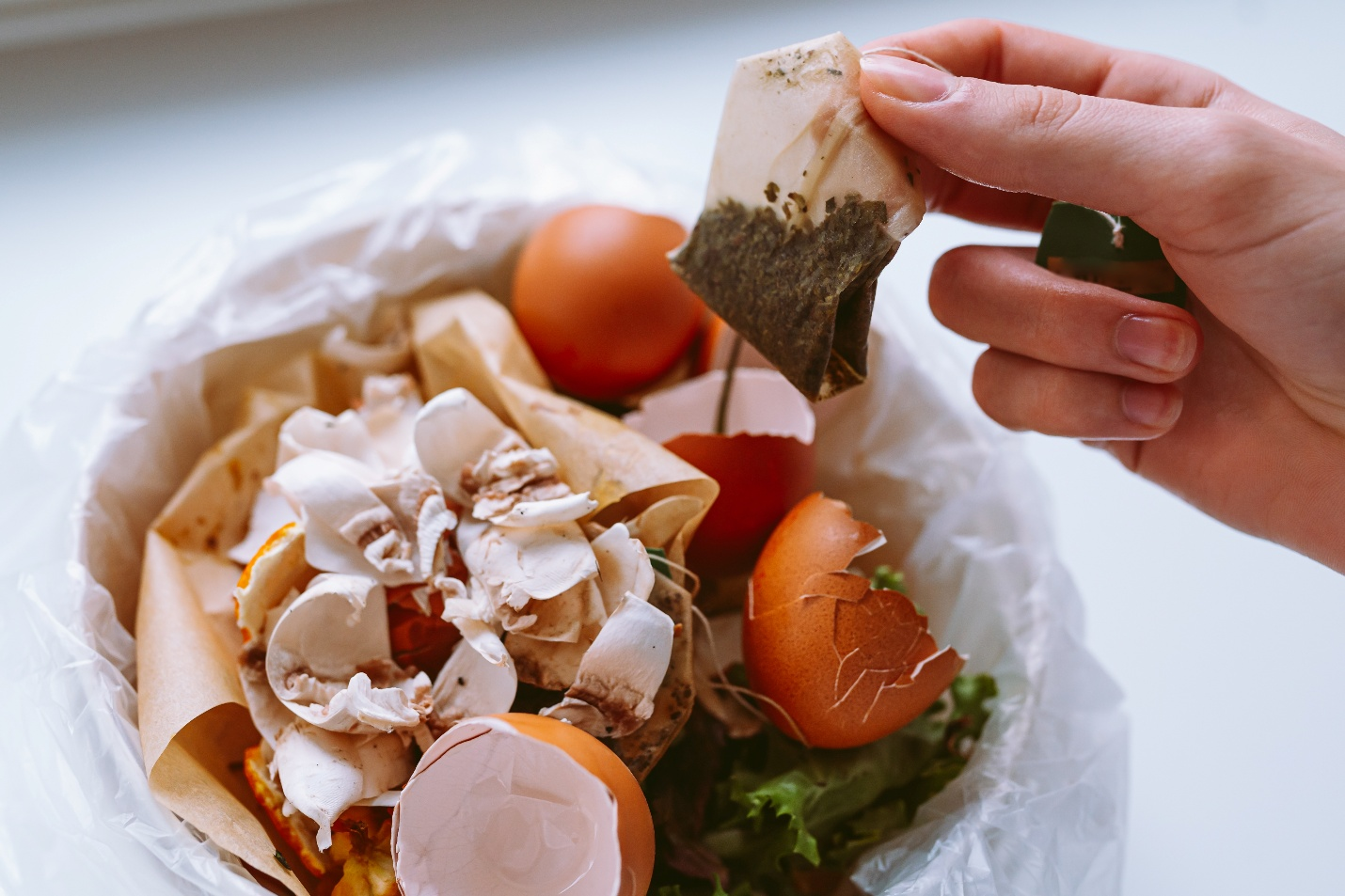
- Food wastage- both prepared, unprepared, and spoiled produce are the most common waste generated in households.
Reducing waste is one of the simplest ways to protect your wallet.
3. Why Landfills Grow So Quickly
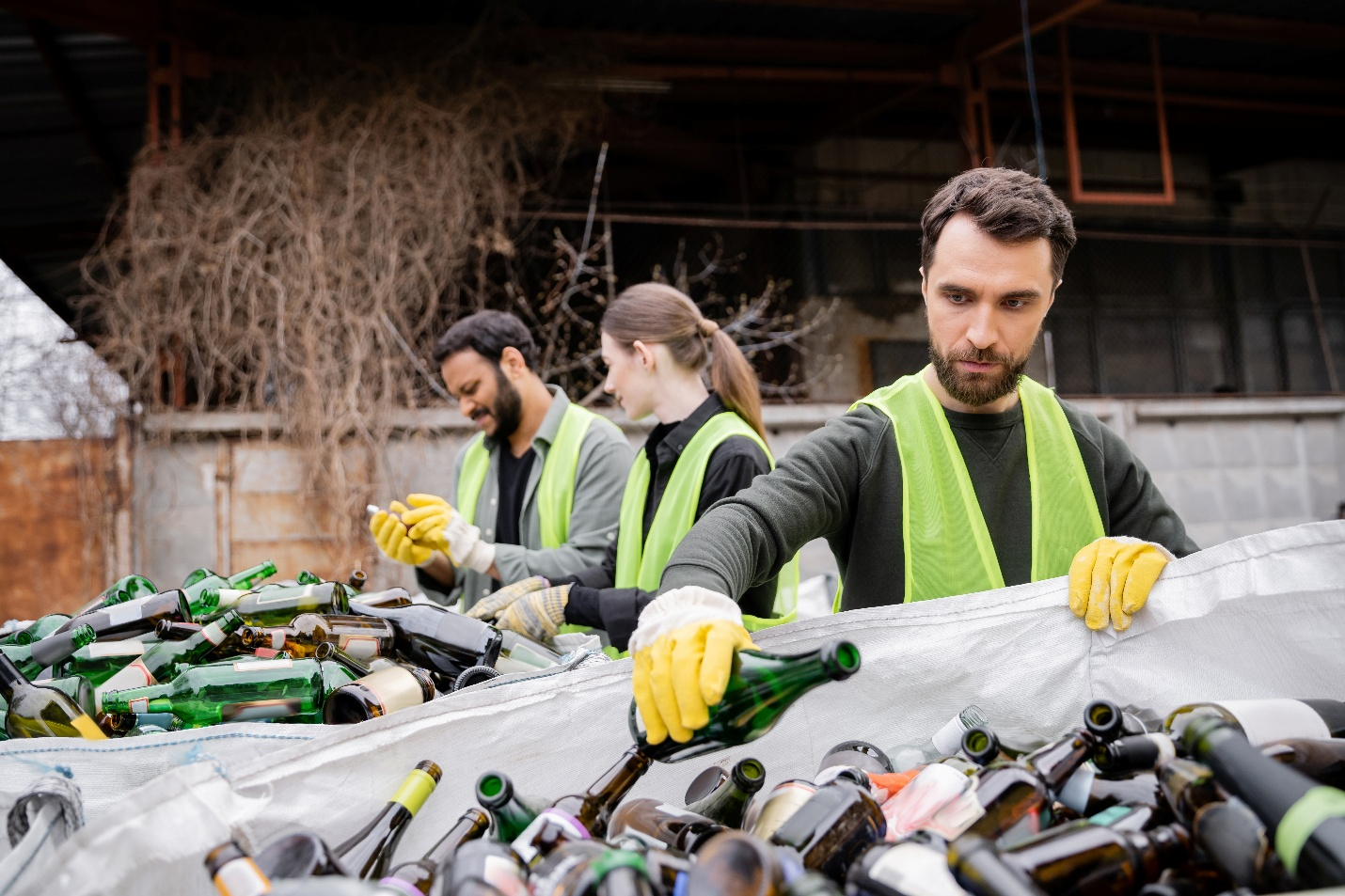
Landfills grow fast because waste accumulates faster than it can be broken down. Many materials take a long time to decompose, degenerate, and some do not break down at all.
Reasons landfills expand rapidly:
- High levels of disposable materials.
- Frequent replacement of items instead of being used for a long time.
- Limited space for waste processing.
- Slow breakdown rates for many common materials.
Understanding this helps you see why waste reduction matters.
4. The Hidden Connection Between Waste and Overspending
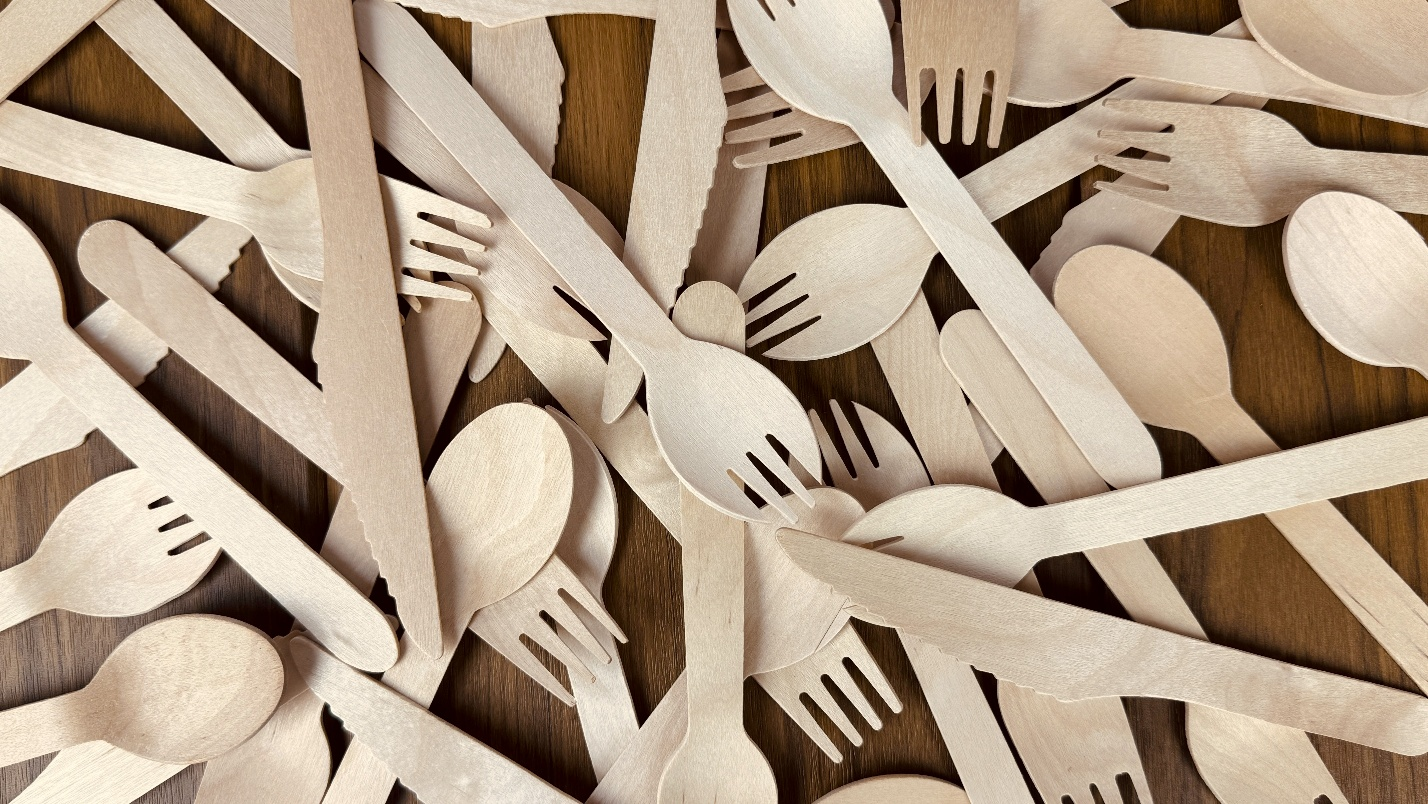
Waste and overspending are closely linked. When items are used once and discarded, money is lost. When purchases are made without intention, waste increases.
How the cycle forms:
- Unplanned purchases lead to unused items.
- Unused items become waste.
- Waste leads to more spending to replace unnecessary items.
- Impulse buying and spending increase strain on your wallet and increase financial stress.
- The cycle repeats, increasing both waste and financial strain.
Breaking this cycle can protect both your wallet and the environment.
5. Common Habits That Increase Waste and Cost You Money
Many waste producing habits are small and easy to overlook. But over time, they add up.
Common habits may include:
- Buying more than you need.
- Throwing away items that could be reused.
- Choosing disposable items instead of long lasting ones.
- Not tracking what you already have.
- Buying fast fashion and not focusing on durability.
- Letting items expire or go unused.
- Replacing items too quickly.
- Ignoring the long term cost of frequent disposal.
Becoming aware of these habits is the first step toward making a change.
6. Practical Ways to Reduce Waste and Save More
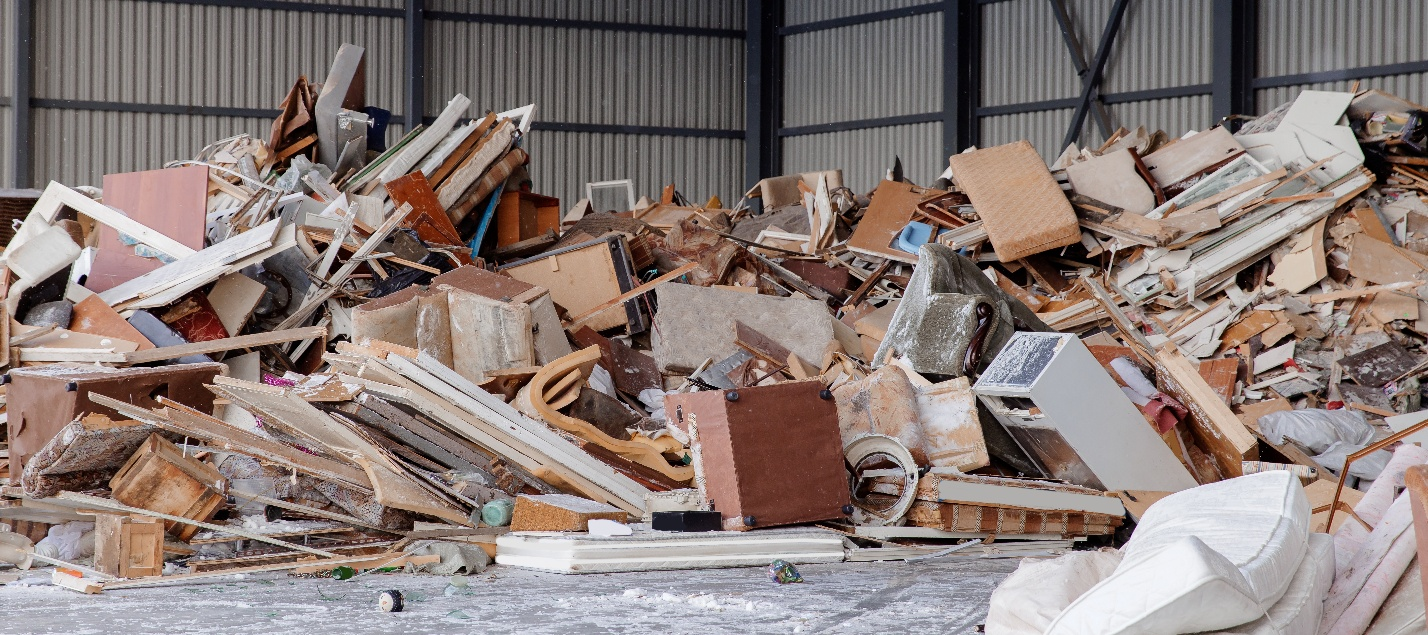
Waste reduction does not require major lifestyle changes. Simple, consistent actions can make a big difference.
Practical strategies may include:
- Use items fully before replacing them.
- Choose long lasting materials when possible.
- Avoid unnecessary purchases.
- Track what you already own to prevent duplicates.
- Repair items, when possible, instead of discarding them.
- Organize your space to keep track of what you have.
- Reduce single use materials whenever you can.
- Plan purchases with long term use in mind.
These steps can help you save money while reducing waste.
7. Smart Daily Habits That Protect Your Wallet and the Environment
Good habits make waste reduction easy and natural. They can help support your long term savings and environmental health.
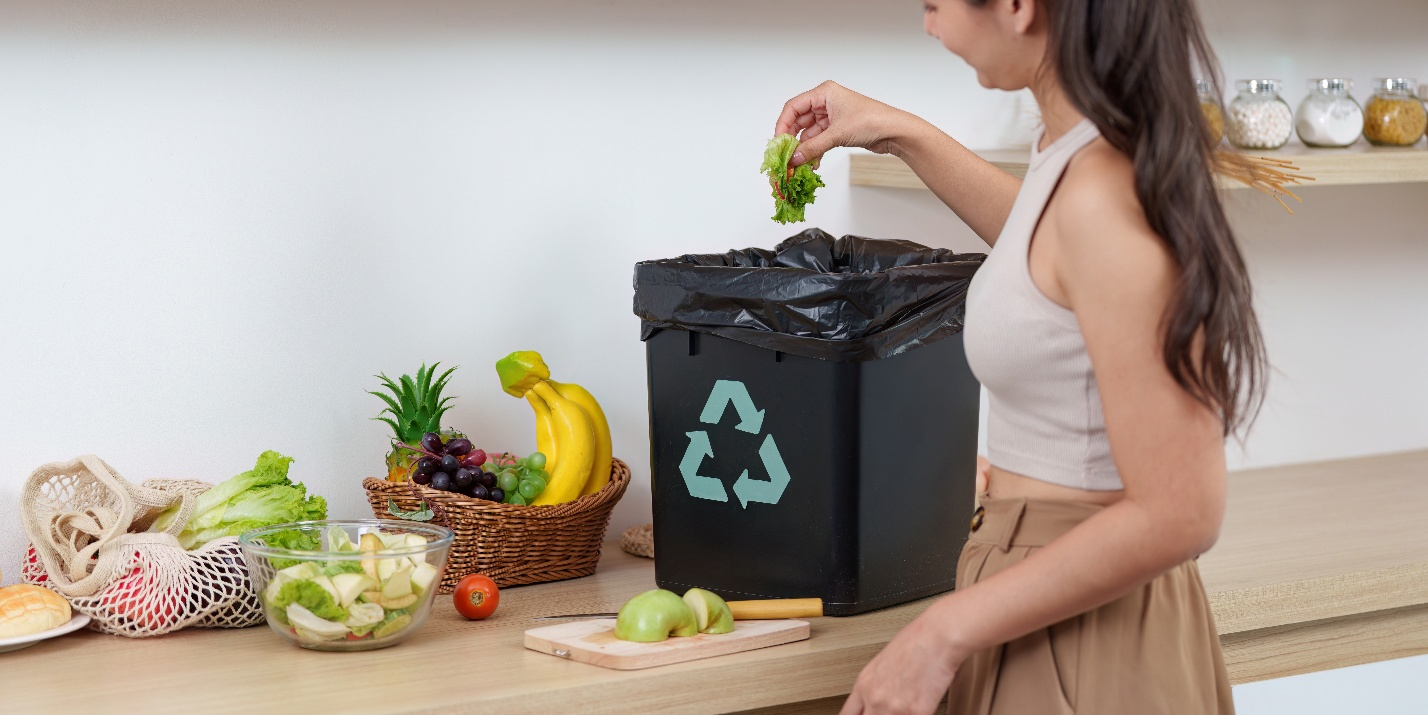
Helpful habits may include:
- Think before you buy to avoid unnecessary waste.
- Know the difference between true needs and desirable wants.
- Learn the difference between good debt and bad debt.
- Increase your savings to invest in assets.
- Use items for their full lifespan.
- Understand the cost per use.
- Buy for durability, quality, and longevity.
- Store items properly to prevent damage.
- Keep a simple inventory of what you own.
- Choose durable materials, when possible, to outlast and outrun you.
- Set personal limits on disposable items.
- Review your waste habits regularly.
- Create a simple routine for reducing waste each day.
These habits can help build a strong foundation for both financial and environmental well being. Do it for you and your family.
Conclusion
Two Birds, One Stone: A Cleaner Planet and a Stronger Wallet
Reducing waste is not just good for the planet; it is one of the most effective ways to protect your wallet. When you understand how waste forms, why landfills grow, and how overspending fuels the cycle, you gain the power to make better choices. You begin to see how small habits can shape your financial future and how mindful decisions reduce both waste and unnecessary costs.
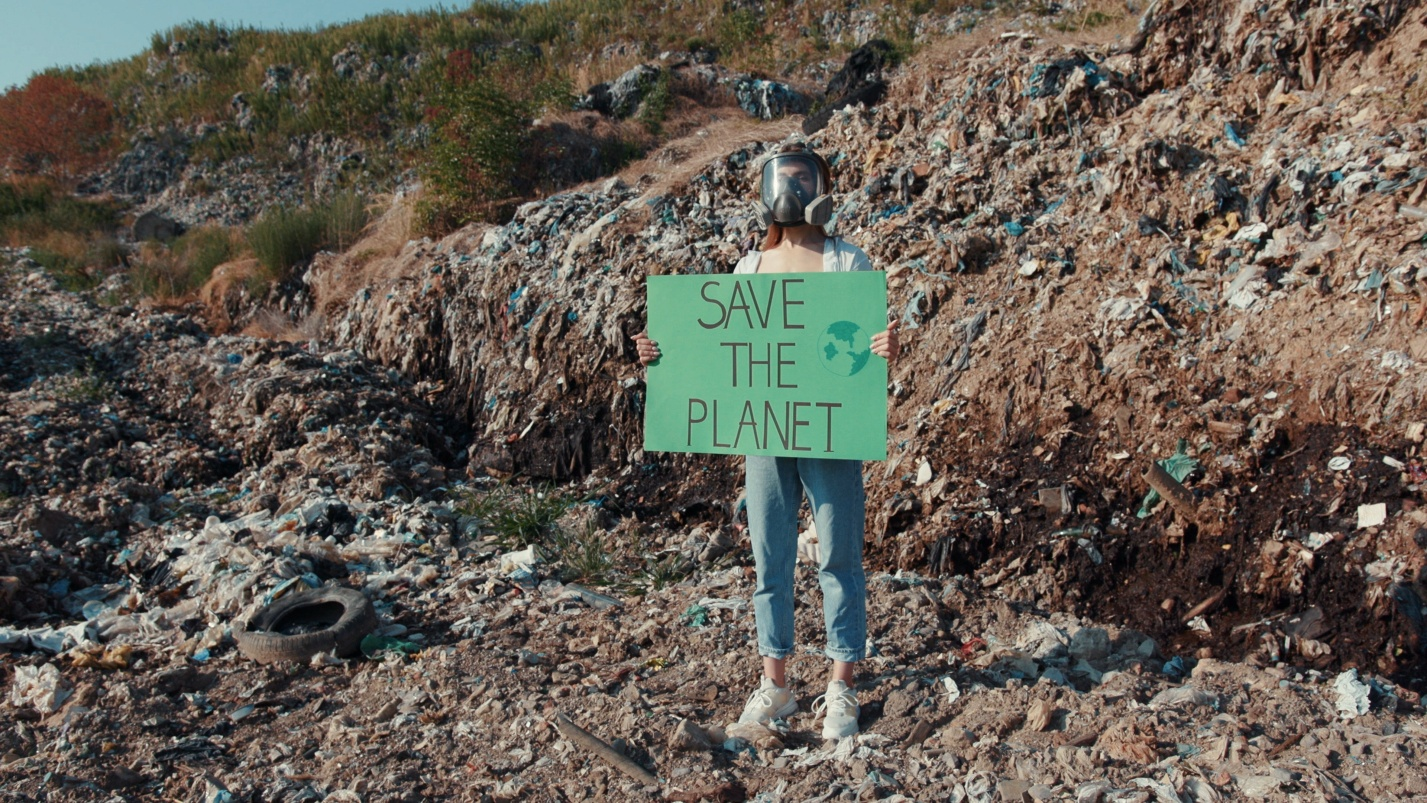
The landfill may seem far away, but your daily choices have a direct impact on it. Every item you use wisely, every purchase you make with intention, and every piece of waste you prevent helps create a cleaner, healthier environment. At the same time, these choices can also help strengthen your financial stability, reduce long term expenses, and support a more mindful lifestyle.
You do not need dramatic changes to make a difference. Small steps, taken consistently, can create powerful results. When you starve the landfill, you save your wallet. When you reduce waste, you reduce stress. When you make thoughtful choices, you build a future that is cleaner, simpler, and more affordable.
You truly can achieve two goals with one action: a healthier planet and a stronger financial foundation for you and your loved ones.
What is one small change you can make today to reduce waste, protect the environment, and protect your wallet, all at the same time?
Join the conversation! Drop your thoughts in the comments below, and let’s keep the discussion going.
makemoneyunstoppable.com
From Experience to insight : Transformational reads for the Strategic mind
Foundational readings for big shifts:
- How to Track Spending without Getting Overwhelmed
- The 7-Day Money Reset Plan: Take Back Control In Just One Week
- Are You Throwing Away $5,000 a Year on Food Waste Without Realizing It?
- The Real Cost of Owning a Big Home
- The Psychology of Spending: Why We Overspend and How to Stop It
- Mastering the Envelope Method
Author: Vaidya Selvan
Welcome to Make Money Unstoppable Personal Finance Made Simple, a blog born out of necessity, a space created from real-life experiences, hard-earned lessons, and a deep-seated desire to share what I wish someone had taught me or had known sooner.

Newsletter Invite
Want more real-world information on Money? Join my newsletter for practical tips, updates on my books, and strategies to help you build financial freedom on your terms.
Yes, the eBook is also free. Just drop in your email here to get instant access. ONE eBook per email.
The eBook is sent automatically and should arrive within minutes. Depending on your email provider, it may appear in your Spam or Promotions folder. While we don’t control its exact placement, you can be confident it has been dispatched and is waiting for you.
#FinancialFreedom #Newsletter #MoneyTips