
Teaching Toddlers About Money: A Complete Guide to Early Money Skills
Introduction
Building Strong Money Skills from the Very Beginning
Teaching toddlers about money may seem early, but it is actually a strong and meaningful way to guide their development. At this age, children absorb information rapidly, and even the simplest ideas can influence how they think and behave later in life. Introducing basic money concepts can help toddlers understand the world around them, calmly and naturally. These early lessons can help give them a sense of structure, purpose, and awareness.
Last Updated: April 19, 2026

Disclaimer: I am not a licensed financial advisor, financial planner, tax professional, attorney, or employment consultant. The information provided in this blog is intended solely for general informational and educational purposes. This content should not be interpreted or construed as professional advice on financial, legal, tax, employment, or career matters. Always consult a qualified professional before making decisions that affect your personal situation. For transparency, some articles may include AI-assisted content. The idea is original and developed independently. All material is reviewed, edited, and approved before publication to ensure clarity and accuracy.
When toddlers learn about saving, they begin to understand patience and planning. When they learn about spending, they start to see how their choices work in real life. And when they learn about value, they begin to recognize that resources are limited and must be used wisely. These small lessons help build important life skills that support independence, problem solving, and thoughtful decision-making.
Early money learning also helps toddlers develop long term financial awareness. They start to understand that actions have outcomes, have consequences, that waiting can be helpful, and that making simple choices can lead to positive results. These ideas form the foundation for future financial habits and responsible behavior.

By keeping the concepts simple and age appropriate, caregivers can make money learning feel natural and stress free. Toddlers do not need complex explanations. They only need clear words, gentle guidance, and repeated messages that help them connect ideas over time. With patience and consistency, these early lessons can grow into strong habits that support a confident, capable, and money smart child.
Early Money Learning Guide
Table of Contents
- Understanding Why Toddlers Should Learn About Money
- Key Money Concepts Toddlers Can Understand
- Simple Ways to Teach Toddlers About Money
- Teaching Toddlers About Saving
- Teaching Toddlers About Spending
- Teaching Toddlers About Sharing
- Teaching Toddlers About Choices
- Using Everyday Moments to Teach Money Skills
- Creating a Money Friendly Environment
- Encouraging Positive Money Habits
- Common Mistakes to Avoid
- Long Term Benefits of Early Money Learning
- Conclusion: Raising Confident and Money Smart Children

Unlock your financial freedom.
Download this FREE eBook!.
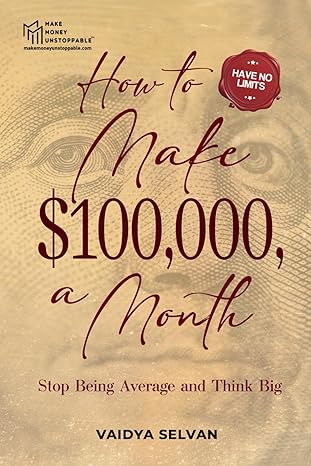
How to make $100,000/month? Stop being average and think big.
Stop Settling. Start Scaling.
Unlock the mindset, systems, and strategies top earners use to build unstoppable income.
Think Bigger. Earn Smarter.
This free eBook serves as your blueprint for scaling quickly, earning relentlessly, not settling for mediocrity, and living life on your terms.
Inside, you’ll discover:
- The Millionaire Mindset Blueprint
- Income streams that run on autopilot
- Entrepreneur hacks for focus and financial dominance
- One strategy to launch multiple income streams
- How to break free from “just enough”
- Tools to crush limiting beliefs and build your empire
Average doesn’t scale. Vision does. Download now and start your $100K/month transformation.
Yes, this eBook is free. Just drop in your email here to get instant access. ONE eBook per email.
The eBook is sent automatically and should arrive within minutes. Depending on your email provider, it may appear in your Spam or Promotions folder. While we don’t control its exact placement, you can be confident it has been dispatched and is waiting for you.
PLUS: Get Access to exclusive financial tips, learn everything about money and get early blog updates – delivered directly to your inbox .
1. Understanding Why Toddlers Should Learn About Money
Toddlers are naturally curious. They enjoy learning new ideas, especially when those ideas feel simple and fun. Teaching money skills early can help build:
- Basic understanding of value
- Early decision making skills
- Healthy habits around saving and spending
- Confidence in handling simple tasks
- Awareness of needs versus wants
- A strong foundation for future financial learning
Early learning does not need to be complex. Toddlers only need simple, clear ideas that match their age and abilities.
2. Key Money Concepts Toddlers Can Understand
Toddlers can learn basic ideas when they are presented in simple ways. These may include:
- Money is used to get things
- Money has value
- Money can be saved
- Money can be spent
- Money choices matter
- Money is virtual
- Some things cost more than others
- You cannot get everything at once

These ideas help toddlers understand the world around them and prepare them for more advanced concepts later.
3. Simple Ways to Teach Toddlers About Money
Teaching toddlers does not require complex tools. It only requires patience, repetition, and clear language.
Helpful methods may include:
- Using simple words
- Showing clear actions
- Repeating key ideas often
- Keeping lessons short
- Using calm and positive tones
- Allowing toddlers to explore safely
- Letting toddlers make small choices
These steps can help toddlers connect money concepts to their daily life experiences.

4. Teaching Toddlers About Saving
Saving is one of the most important early money skills. Toddlers can learn that saving means keeping money for later.
Key points that may be taught:
- Saving helps you reach a goal
- Saving takes time
- Saving requires patience
- Saving means not using money right away
- Saving helps you prepare for the future
Helpful strategies may include:
- Using simple phrases like “save for later.”
- Showing the difference between saving and spending
- Celebrating small saving moments
- Keeping saving activities short and clear
- Repeating the idea often

5. Teaching Toddlers About Spending
Spending is easier for toddlers to understand because it is more immediate.
Important ideas:
- Spending uses money to get something
- Spending means the money is gone afterward
- Spending should be thoughtful
- Spending choices matter
- Not everything can be bought at once
Helpful strategies may include:
- Using simple words like “use money to get this.”
- Explaining that money decreases when spent
- Showing that choices have outcomes
- Keeping spending lessons to be calm and slow
- Repeating the idea often
6. Teaching Toddlers About Sharing
Sharing teaches them kindness and awareness of others.
Key ideas may include:
- Sharing is giving some of what you have
- Sharing helps others
- Sharing feels good
- Sharing is a choice
- Sharing teaches fairness
Helpful strategies may include:
- Using simple phrases like “give a little to help.”
- Keeping sharing activities short
- Praising positive sharing moments
- Repeating this idea often
7. Teaching Toddlers About Choices
Money choices help toddlers learn responsibility.
Important ideas to encompass:
- Choices have outcomes
- You cannot choose everything
- Some choices are better than others
- Thinking before choosing is helpful
- Waiting before choosing can be smart

Helpful strategies may include:
- Offering two simple choices at a time
- Using calm language
- Allowing toddlers to decide
- Explaining the outcomes in simple words
- Repeating this idea often. Repetition is the key.
8. Using Everyday Moments to Teach Money Skills
Everyday moments are powerful teaching tools.
Helpful approaches may include:
- Use simple routines to explain money
- Point out basic money ideas during daily tasks
- Keep explanations short
- Repeat key concepts often
- Use clear and calm tones
- Allow toddlers to observe simple actions
- Encourage toddlers to ask questions

These small moments can help build a strong understanding over time.
9. Creating a MoneyFriendly Environment
A money friendly environment helps toddlers learn naturally.
Key features may include:
- Having clear routines
- Using simple language
- Calm teaching moments
- Safe spaces for learning
- Consistent messages about money
- Positive reinforcement
- Age appropriate expectations
This environment can support long-term learning and confidence.
10. Encouraging Positive Money Habits
Positive habits formed early can last a lifetime.
Helpful habits may include:
- Saving regularly
- Thinking before spending
- Making simple choices
- Understanding limits
- No impulse buys
- Practicing patience
- Learning the difference between needs and wants
- Using money responsibly
These habits can help toddlers grow into thoughtful and confident individuals.

11. Common Mistakes to Avoid
Avoiding certain mistakes makes teaching easier.
Mistakes to avoid:
- Using complex words
- Teaching too many ideas at once
- Expecting toddlers to understand advanced concepts
- Using negative tones
- Rushing lessons
- Giving too many choices
- Skipping repetition

Keeping lessons simple and calm is the key to success.
12. Long Term Benefits of Early Money Learning
Teaching toddlers about money has long lasting effects.
Benefits may include:
- Stronger decision making skills
- Better understanding of value
- Improved patience
- Greater confidence
- Healthier habits around saving and spending
- Better preparation for future financial learning
- Stronger sense of responsibility
These benefits support lifelong growth, deeper understanding, and independence.

Conclusion
Raising Confident and Money Smart Children
Teaching toddlers about money is a gentle and meaningful way to support their growth. Even at a young age, children begin forming habits that can last a lifetime. When toddlers are introduced to simple money ideas, they start to understand how the world works in a calm and natural way. These early lessons can help them recognize value, make thoughtful choices, and feel comfortable with basic financial concepts as they grow.
The purpose of early money teaching is not to overwhelm children with complicated terms or advanced ideas. Instead, it is about offering clear, age appropriate concepts that toddlers can easily absorb. Simple ideas such as saving for later, choosing between two options, or understanding that money is limited can help toddlers build strong thinking skills and healthy habits.
Caregivers play a key role in this learning process. Using plain language, gentle tones, and predictable routines makes money concepts easier for toddlers to understand. Repeating messages in a consistent way helps children connect the dots over time. These small, steady moments of teaching create a safe and supportive environment where toddlers can explore new ideas without pressure.

Every simple conversation, every calm explanation, and every patient moment contributes to a child’s long term confidence. Over time, toddlers begin to develop a sense of responsibility, awareness, and independence. These early experiences help shape a child who grows into a money-smart adult, someone who understands value, makes thoughtful decisions, feels prepared for the future, and the Real World out there.
What new possibilities can you discover by looking at your daily routines, your early money experiences, and the small choices you make, and using them to create simple, meaningful money lessons for a toddler in your care?
Join the conversation! Drop your thoughts in the comments below, and let’s keep the discussion going.
makemoneyunstoppable.com
From Experience to insight : Transformational reads for the Strategic mind
Foundational readings for big shifts:
- How to Track Spending without Getting Overwhelmed
- The 7-Day Money Reset Plan: Take Back Control In Just One Week
- Are You Throwing Away $5,000 a Year on Food Waste Without Realizing It?
- The Real Cost of Owning a Big Home
- The Psychology of Spending: Why We Overspend and How to Stop It
- Mastering the Envelope Method
Author: Vaidya Selvan
Welcome to Make Money Unstoppable Personal Finance Made Simple, a blog born out of necessity, a space created from real-life experiences, hard-earned lessons, and a deep-seated desire to share what I wish someone had taught me or had known sooner.

Newsletter Invite
Want more real-world information on Money? Join my newsletter for practical tips, updates on my books, and strategies to help you build financial freedom on your terms.
Yes, the eBook is also free. Just drop in your email here to get instant access. ONE eBook per email.
The eBook is sent automatically and should arrive within minutes. Depending on your email provider, it may appear in your Spam or Promotions folder. While we don’t control its exact placement, you can be confident it has been dispatched and is waiting for you.
#FinancialFreedom #Newsletter #MoneyTips