
The Hidden Pull of a Paycheck: Why Comfort Zones Feel Safe and How to Break Free
Introduction
The Silent Grip of the Comfort Zone
A steady paycheck can feel safe, predictable, and comforting. It creates a routine that feels familiar, a structure that feels stable, and a rhythm that makes daily life feel manageable. This sense of security is powerful. It can calm stress, reduce uncertainty, and make the future feel more controlled. But this same comfort can quietly become restrictive, conforming, and settling. What feels safe can slowly turn into a barrier. The routine that once supported you can begin to limit growth, reduce creativity, and make it harder to explore new opportunities.
Last Updated: April 17, 2026

Disclaimer: I am not a licensed financial advisor, financial planner, tax professional, attorney, or employment consultant. The information provided in this blog is intended solely for general informational and educational purposes. This content should not be interpreted or construed as professional advice on financial, legal, tax, employment, or career matters. Always consult a qualified professional before making decisions that affect your personal situation. For transparency, some articles may include AI-assisted content. The idea is original and developed independently. All material is reviewed, edited, and approved before publication to ensure clarity and accuracy.
Many people do not realize how strong the pull of comfort can be. The comfort zone is not loud or dramatic. It is quiet, subtle, and gentle. It feels warm and familiar, which is why it is so easy to stay in it. But over time, the comfort zone can become a place where progress slows, ambition fades, and long‑term goals are pushed aside. The mind begins to prefer predictability over possibility. Stability becomes more appealing than growth. The paycheck thus becomes more than income; it becomes emotional security.

This blog explores the potential addictiveness of relying on a paycheck, the natural human tendency to stay in familiar routines, and our reluctance to venture into uncharted waters. It looks at the deeper reasons why comfort can feel safer than change and why the mind often chooses the known path even when it no longer may lead to fulfillment. You will learn how comfort zones form, why they feel so powerful, and how they shape your decisions without you noticing.
The goal is to help you understand the psychology behind comfort, recognize the signs of paycheck dependency, and build practical strategies for growth, confidence, and long‑term success. By understanding these patterns, you can make clearer choices, create healthier habits, and move toward a future that supports your goals instead of limiting them.
Understanding the Comfort Zone and the Pull of a Paycheck
Table of Contents
- What Makes a Paycheck Feel So Safe
- The Psychology Behind Comfort Zones
- Signs You May Be Stuck in a Paycheck Comfort Loop
- The Hidden Costs of Staying Too Comfortable
- How Paycheck Dependency Can Limit Growth
- Practical Ways to Break Free from the Comfort Zone
- Building Confidence and Long‑Term Stability
- Creating a Healthy Relationship with Work and Income
- Conclusion: Choosing Growth over Comfort

Unlock your financial freedom.
Download this FREE eBook!.
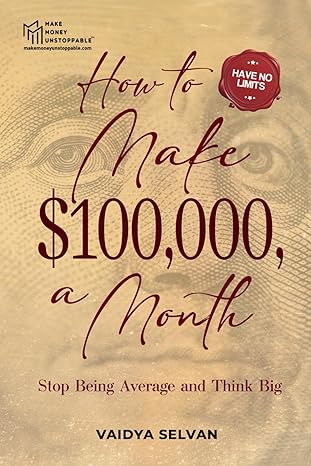
How to make $100,000/month? Stop being average and think big.
Stop Settling. Start Scaling.
Unlock the mindset, systems, and strategies top earners use to build unstoppable income.
Think Bigger. Earn Smarter.
This free eBook serves as your blueprint for scaling quickly, earning relentlessly, not settling for mediocrity, and living life on your terms.
Inside, you’ll discover:
- The Millionaire Mindset Blueprint
- Income streams that run on autopilot
- Entrepreneur hacks for focus and financial dominance
- One strategy to launch multiple income streams
- How to break free from “just enough”
- Tools to crush limiting beliefs and build your empire
Average doesn’t scale. Vision does. Download now and start your $100K/month transformation.
Yes, this eBook is free. Just drop in your email here to get instant access. ONE eBook per email.
The eBook is sent automatically and should arrive within minutes. Depending on your email provider, it may appear in your Spam or Promotions folder. While we don’t control its exact placement, you can be confident it has been dispatched and is waiting for you.
PLUS: Get Access to exclusive financial tips, learn everything about money and get early blog updates – delivered directly to your inbox .
1. What Makes a Paycheck Feel So Safe
A paycheck provides structure and predictability. It creates a sense of order that feels reassuring. This feeling can become deeply rooted because:
- It offers consistent income, which reduces uncertainty.
- It creates a routine, making daily life feel organized.
- It provides a sense of identity, because work often shapes how people see themselves.
- It reduces decision‑making pressure, since the path is already set.
- It feels familiar, and familiarity naturally feels safe.
These factors combine to create a strong emotional attachment to the paycheck cycle. Over time, this attachment can feel like a form of security that is hard to step away from.
2. The Psychology Behind Comfort Zones
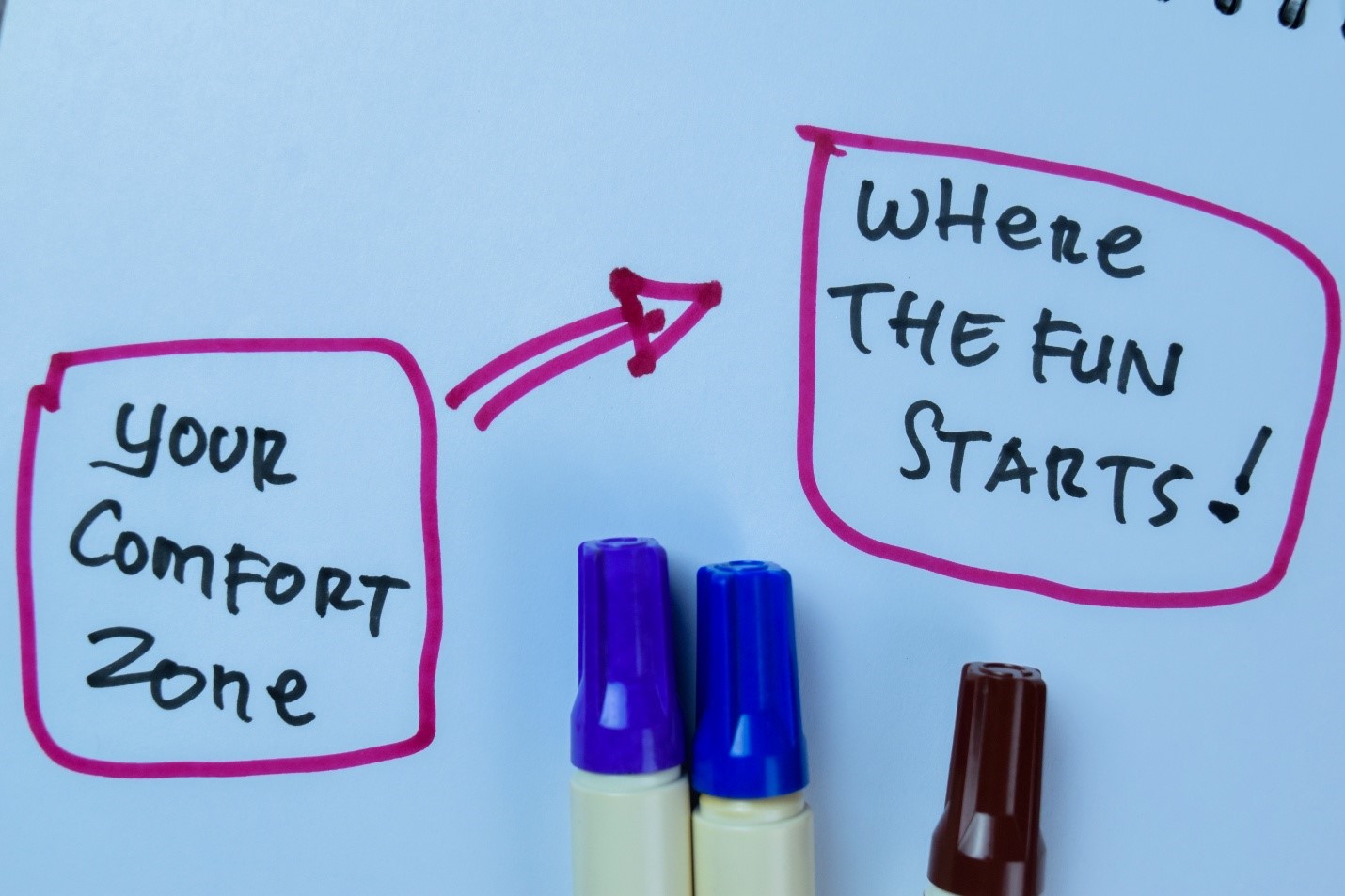
Comfort zones form when the mind associates certain routines with safety. The brain prefers predictable patterns because they require less energy, less effort, less thinking, and reduced stress. This creates a natural resistance to change.
Key psychological factors may include:
- Fear of the unknown, which makes new paths feel risky.
- Desire for stability, which encourages staying with what is familiar.
- Avoidance of discomfort, even when temporary discomfort may lead to growth.
- Preference for routine, because routine feels easier to manage.
- Emotional attachment to predictability, which reinforces staying in place.
These patterns are normal, and they are part of human nature. But when they become too strong, they can limit progress.
3. Signs You May Be Stuck in a Paycheck Comfort Loop
A paycheck comfort loop happens when the routine becomes so familiar that it prevents exploration of new opportunities. Signs may include:

- Feeling uneasy at the thought of change
- Staying in the same routine even when it no longer feels fulfilling
- Avoiding new challenges because they feel uncertain
- Feeling dependent on the structure of the paycheck cycle
- Choosing comfort over growth
- Feeling stuck but unsure how to move forward
- Ignoring long‑term goals because short‑term security feels easier and effort-free
- Feeling drained but staying because the routine feels predictable
Recognizing these signs may be the first step toward breaking the cycle.
4. The Hidden Costs of Staying Too Comfortable
Comfort has benefits, but staying in it for too long can create hidden costs. These costs may not be obvious at first, but they can grow over time.
Some of the hidden costs may include:
- Reduced motivation, because routine becomes automatic
- Limited creativity, since new ideas often come from new experiences
- Slower personal growth, because growth requires challenge and change
- Lower confidence, since confidence grows through overcoming obstacles
- Missed opportunities, because comfort discourages exploration
- Emotional stagnation, as routine can dull excitement and curiosity
- Dependence on external stability, instead of building internal resilience
These costs can affect our long‑term satisfaction and overall well‑being.

5. How Paycheck Dependency Can Limit Growth
Paycheck dependency is not about income itself. It is about relying on routine for emotional safety. This dependency can limit growth in several ways:
- It discourages risk‑taking, even when risks are small.
- It reduces long‑term planning, because short‑term comfort feels easier.
- It creates fear of change, which blocks new opportunities.
- It narrows perspective, making it harder to imagine different paths.
- It reinforces habits, even when those habits no longer serve you.
- It reduces adaptability, which is essential for long‑term success.
Breaking this dependency requires awareness and intentional action.
6. Practical Ways to Break Free from the Comfort Zone
Breaking free does not require dramatic changes. It requires small, steady steps that can help build confidence and reduce fear.

Practical strategies may include:
- Start with small challenges that gently push your boundaries.
- Set clear goals that give you direction and purpose.
- Build new habits that can support growth.
- Practice self‑reflection to understand what is holding you back.
- Create a simple plan that feels manageable and realistic.
- Strengthen problem‑solving skills to increase confidence.
- Learn new skills, even if they are small.
- Increase awareness of your routines, so you can adjust them as you evolve
- Focus on progress, not perfection.
- Celebrate small wins, because they help build momentum.
These steps may help shift the mind from fear to possibility.
7. Building Confidence and Long Term Stability
Confidence grows through action, and stability grows through preparation. Together, they help create a strong foundation for long‑term success.
Ways to build confidence and stability:
- Develop a growth mindset, which encourages learning.
- Strengthen emotional resilience, so challenges may feel manageable.
- Create a long‑term vision, even if it changes over time. Have a vision board.
- Build supportive routines, not restrictive ones.
- Practice patience, because growth takes time.
- Stay consistent, even when progress may feel slow.
- Focus on skills, because skills help create independence.
- Stay open to new ideas, which can help expand your possibilities.

These habits can help reduce dependence on comfort and increase confidence in your ability to adapt.
8. Creating a Healthy Relationship with Work and Income
A healthy relationship with work and income takes a balanced approach. It respects the value of stability while still allowing room for growth.
A healthy relationship may include:
- Seeing income as a tool, not a limitation
- Balancing comfort with challenge
- Allowing space for new opportunities
- Recognizing when routines no longer serve you
- Building internal stability, not just external ones
- Staying aware of emotional patterns
- Making decisions based on long‑term goals, not short‑term comfort
- Creating boundaries, so work does not control your identity
This balance can help support both security and growth.

Conclusion
Choosing Growth Over Comfort
Comfort is natural, and your financial stability is valuable. A paycheck provides both, and there is nothing wrong with appreciating the security it brings. But comfort becomes a barrier when it stops you from moving forward. When routine becomes restrictive, it limits potential, slows progress, and makes long‑term goals feel distant. Understanding the psychology behind comfort zones helps you recognize when familiar patterns are no longer supporting your growth.
A comfort zone is not harmful by itself. It becomes limiting only when it turns into a place of avoidance. When the mind chooses predictability over possibility, it becomes harder to explore new paths, develop new skills, or imagine a different or even a future. This is why awareness is so important. When you understand how comfort shapes your decisions, you gain the ability to make choices based on intention rather than habit.

Breaking free does not require dramatic changes. It begins with taking small steps that help build confidence and reduce fear. It involves creating a balanced relationship with work and income, one that respects the value of stability while still leaving room for growth. By strengthening your mindset, expanding your skills, and challenging yourself in manageable ways, you help create a foundation that supports long‑term success.
The goal is not to abandon comfort. The goal is to avoid becoming trapped by it. Comfort should be a resting place, not a permanent home. When you understand the hidden pull of a paycheck and the nature of comfort zones, you gain the power to choose growth with clarity and courage. You open the door to new possibilities, new strengths, and a future that aligns with your long‑term goals.
A balanced life is built on both stability and progress. When you learn to navigate the space between comfort and growth, you create a path that supports your well‑being, your ambitions, and your true hidden potential.
What part of your routine feels safe but no longer supports your growth, and if fear was not holding you in your comfort zone, what small step could you take right now to move toward the long‑term life you truly want?
Join the conversation! Drop your thoughts in the comments below, and let’s keep the discussion going.
makemoneyunstoppable.com
From Experience to insight : Transformational reads for the Strategic mind
Foundational readings for big shifts:
- How to Track Spending without Getting Overwhelmed
- The 7-Day Money Reset Plan: Take Back Control In Just One Week
- Are You Throwing Away $5,000 a Year on Food Waste Without Realizing It?
- The Real Cost of Owning a Big Home
- The Psychology of Spending: Why We Overspend and How to Stop It
- Mastering the Envelope Method
Author: Vaidya Selvan
Welcome to Make Money Unstoppable Personal Finance Made Simple, a blog born out of necessity, a space created from real-life experiences, hard-earned lessons, and a deep-seated desire to share what I wish someone had taught me or had known sooner.

Newsletter Invite
Want more real-world information on Money? Join my newsletter for practical tips, updates on my books, and strategies to help you build financial freedom on your terms.
Yes, the eBook is also free. Just drop in your email here to get instant access. ONE eBook per email.
The eBook is sent automatically and should arrive within minutes. Depending on your email provider, it may appear in your Spam or Promotions folder. While we don’t control its exact placement, you can be confident it has been dispatched and is waiting for you.
#FinancialFreedom #Newsletter #MoneyTips