
How to Stop Being a Consumer and Start Living with Purpose
The Quiet Power of Choosing Less: Breaking Free from Constant Consumption
Many people feel the pressure to buy more, want more, and chase more. The world often encourages constant consumption, making it easy to fall into habits that will drain money, energy, and peace of mind. When you live as a constant consumer, you may feel stuck in a cycle of wanting things that do not truly add any real value to your life. This cycle can create stress, clutter, and a sense of never having enough.
Last Updated: May 5, 2026

Disclaimer: I am not a licensed financial advisor, financial planner, tax professional, attorney, or employment consultant. The information provided in this blog is intended solely for general informational and educational purposes. This content should not be interpreted or construed as professional advice on financial, legal, tax, employment, or career matters. Always consult a qualified professional before making decisions that affect your personal situation. For transparency, some articles may include AI-assisted content. The idea is original and developed independently. All material is reviewed, edited, and approved before publication to ensure clarity and accuracy.
Choosing not to be a constant consumer is not about restriction. It is about having freedom. It is about taking control of your choices, your money, your time, and your attention. It is about learning how to live with intention instead of reacting to every desire or distraction out there. When you step away from automatic consumption, you can create space for clarity, stability, and your long-term well-being.
The goal is to help you build habits that can help reduce unnecessary consumption and strengthen your true sense of purpose.
A Complete Guide to Living with Less Consumption and More Intention
We can only consume so much.

Table of Contents
- Understanding What It Means Not to Be a Consumer
- Why Reducing Consumption Matters
- Building Awareness of Your Habits
- Creating a Clear and Simple Spending Plan
- Strengthening Your Self-Control and Discipline
- Reducing Impulse Decisions
- Choosing Purpose Over Possessions
- Building Long-Term Habits That Support Simplicity
- Conclusion: Living With Intention and Freedom
Unlock your financial freedom.
Download this FREE eBook!.
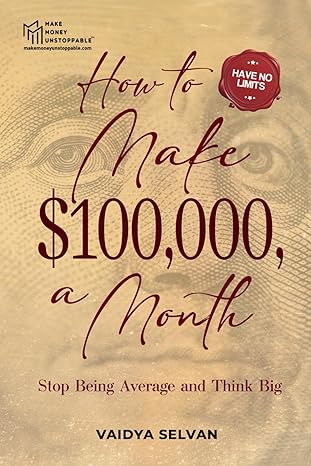
How to make $100,000/month? Stop being average and think big.
Stop Settling. Start Scaling.
Unlock the mindset, systems, and strategies top earners use to build unstoppable income.
Think Bigger. Earn Smarter.
This free eBook serves as your blueprint for scaling quickly, earning relentlessly, not settling for mediocrity, and living life on your terms.
Inside, you’ll discover:
- The Millionaire Mindset Blueprint
- Income streams that run on autopilot
- Entrepreneur hacks for focus and financial dominance
- One strategy to launch multiple income streams
- How to break free from “just enough”
- Tools to crush limiting beliefs and build your empire
Average doesn’t scale. Vision does. Download now and start your $100K/month transformation.
Yes, this eBook is free. Just drop in your email here to get instant access. ONE eBook per email.
The eBook is sent automatically and should arrive within minutes. Depending on your email provider, it may appear in your Spam or Promotions folder. While we don’t control its exact placement, you can be confident it has been dispatched and is waiting for you.
PLUS: Get Access to exclusive financial tips, learn everything about money and get early blog updates – delivered directly to your inbox .
1. Understanding What It Means Not to Be a Consumer
Not being a consumer does not mean avoiding all purchases. It means avoiding unnecessary consumption and choosing to live and spend with intention. It means understanding the difference between needs and wants, and making choices that can help support your long-term well-being.
Key ideas to understand:
- It is about making mindful choices, not restriction.
- It focuses on long-term value instead of short-term desire.
- It helps you avoid emotional or automatic spending.
- It encourages clarity and purpose in your daily life.
- It reduces stress caused by constant wanting.
- It helps you stay grounded, humble, and being aware of your priorities.
It supports a lifestyle built on intention, not impulse.
Why do we have too many choices? Do we need that many?

2. Why Reducing Consumption Matters
Reducing consumption has many benefits for your financial, emotional, and mental well being. When you consume less, you gain more control over your life. You will also have more of what matters most.
Important reasons to reduce consumption:
- It helps you save more of your after tax money.
- It reduces clutter and unnecessary stress.
- It supports long term stability and peace of mind.
- It helps you avoid wasteful habits.
- It strengthens your ability to make thoughtful decisions.
- It improves your sense of control and confidence.
- It helps you focus on what truly matters.
- It reduces pressure to keep up with trends or expectations.
How did we get here?

3. Building Awareness of Your Habits
Awareness is the first step toward change. When you understand your habits, you can make better choices.
Ways to build awareness:
- Pay attention to your daily decisions.
- Notice when you feel the urge to buy something.
- Identify what triggers your desire to consume.
- Ask yourself whether a purchase truly supports your goals.
- Track your spending to see patterns clearly.
- Reflect on how your choices make you feel.
- Stay honest with yourself about your habits.
- Review your habits regularly to stay aware.
4. Creating a Clear and Simple Spending Plan
A spending plan helps you stay organized and intentional. It gives you structure and prevents unnecessary consumption.
Buying with intention can cut down on waste. Could you help keep landfills from overflowing by making more mindful choices?

Steps to create a simple plan:
- List your after-tax income.
- List your required monthly costs.
- Identify flexible costs that can be reduced.
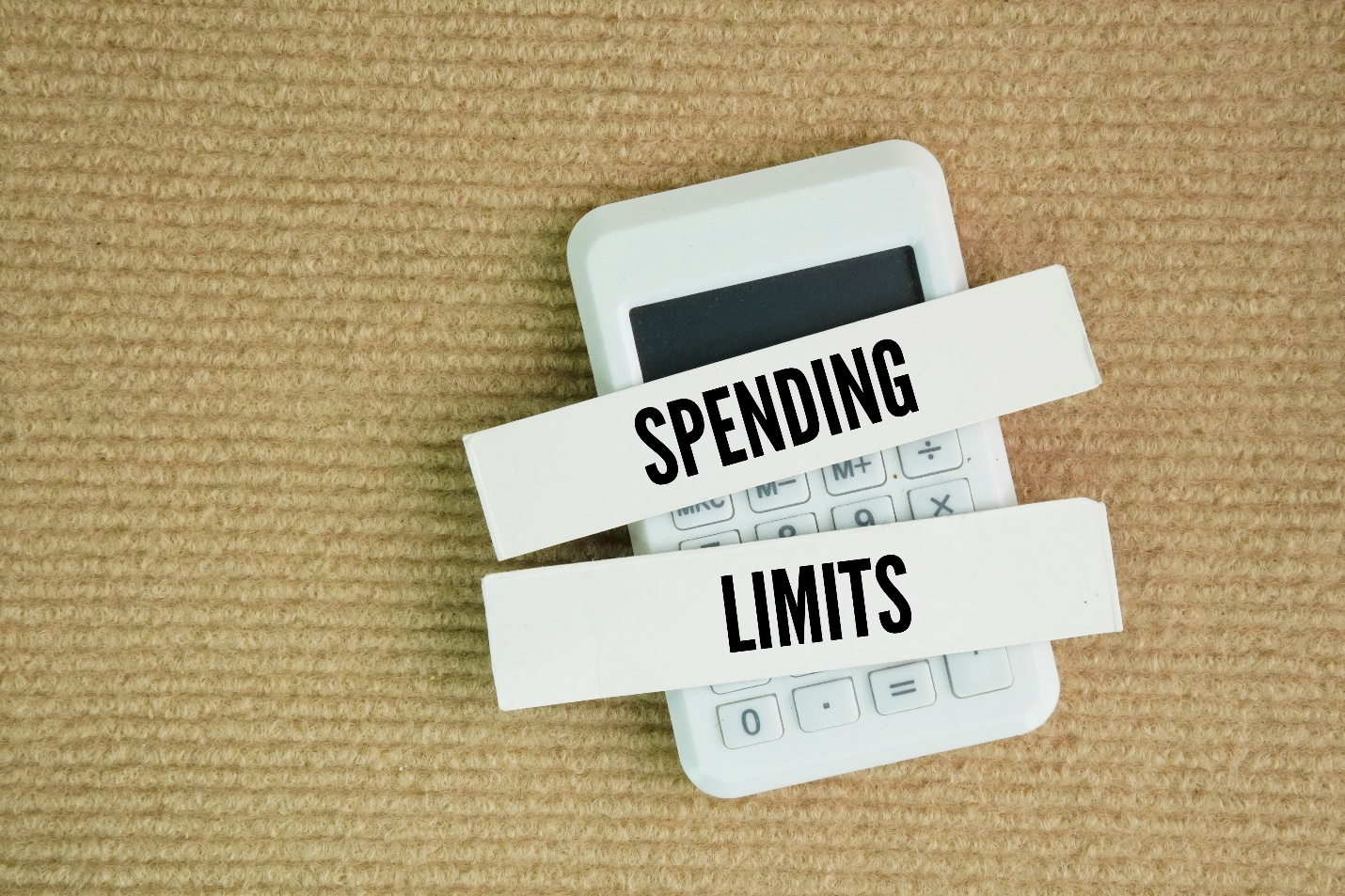
- Set clear limits for each spending category.
- Track your spending consistently.
- Adjust your plan when your needs change.
- Keep your plan simple and easy to follow.
- Review your plan at the same time each month.
Helpful tips:
- Use clear categories that make sense to you.
- Keep your plan accessible and easy to read.
- Focus on progress, not perfection.
- Make small adjustments instead of drastic changes.
5. Strengthening Your Self-Control and Discipline
Self-control helps you avoid unnecessary consumption. Discipline helps you stay consistent over time.
Are we a part of this problem by contributing to it?

Ways to strengthen discipline:
- Pause before making decisions.
- Give yourself time to think before buying anything.
- Remind yourself of your long term goals.
- Practice saying no to unnecessary wants.
- Stay aware of your emotional triggers.
- Build routines that support making mindful choices.
- Keep your goals visible and easy to remember.
- Celebrate small wins to stay motivated.
- Have a vision board in front of you.
6. Reducing Impulse Decisions
Impulse decisions often lead to unnecessary consumption. Reducing them helps you stay focused and intentional.
Ways to reduce impulse decisions:
- Avoid making decisions when stressed or distracted.
- Create a waiting period before buying anything.
- Ask yourself whether the purchase adds any real value.
- Keep your spending plan in mind at all times.
- Stay aware of your emotional state.
- Focus on long-term benefits instead of short-term desires.
- Keep your environment simple and free of distractions.
- Practice mindful breathing before making decisions.
- Simplify your life and declutter.
How much can we realistically eat in one sitting?

7. Choosing Purpose Over Possessions
Living with purpose means focusing on what truly matters. It means choosing meaning over material things.
Ways to choose purpose:
- Identify your long term goals.
- Focus on experiences that help support your growth.
- Keep your priorities clear and simple.
- Avoid comparing your life to others.
- Staying in your lane.
- Stay grounded in your values.
- Choose actions that support your well being.
- Reflect on what brings you peace and clarity.
- Build a lifestyle that aligns with your purpose.
Are these your true needs or desirable wants?

8. Building Long-Term Habits That Support Simplicity
Long-term habits help you maintain a lifestyle free from constant consumption. Consistency is key.
Helpful habits to build:
- Review your spending plan regularly.
- Track your progress monthly.
- Stay aware of your triggers.
- Practice mindful decision-making.
- Keep your environment organized.
- Focus on long-term goals.
- Avoid unnecessary distractions.
- Stay patient with your progress.
Supportive habits may include:
- Set reminders to stay on track.
- Keep your goals visible.
- Reflect on your progress weekly.
- Adjust your habits as your life changes.
Are we mindful of the time we are wasting each day on various devices?

Conclusion
Living With Intention and Freedom
Choosing not to be a constant consumer is a powerful step toward having a more peaceful and purposeful life. When you reduce unnecessary consumption, you create space for clarity, stability, and long-term well-being. You gain more control over your choices, your money, and your future. You will also learn to focus on what truly matters instead of chasing temporary desires.

This lifestyle is not about restriction. It is about freedom. True freedom. It is about choosing intention over impulse, purpose over pressure, and clarity over clutter. Every small step you take can help strengthen your ability to live with meaning and confidence. Over time, these choices can help build a life that feels lighter, calmer, and more aligned with your values.
Only you have the power to shape your habits, your mindset, and your future. When you choose to step away from constant consumption, you choose a life with more purpose, more peace, and more control. Your journey begins with one simple decision: to live with intention and how you want to live it.
How many shoes do we truly need?
How can you shift your daily choices, spending habits, and longterm priorities so you rely less on constant consumption and live a more intentional, purposeful, meaningful, and selfdirected life?
Join the conversation! Drop your thoughts in the comments below, and let’s keep the discussion going.
From Experience to insight : Transformational reads for the Strategic mind
Foundational readings for big shifts:
- How to Track Spending without Getting Overwhelmed
- The 7-Day Money Reset Plan: Take Back Control In Just One Week
- Are You Throwing Away $5,000 a Year on Food Waste Without Realizing It?
- The Real Cost of Owning a Big Home
- The Psychology of Spending: Why We Overspend and How to Stop It
- Mastering the Envelope Method
Author: Vaidya Selvan
Welcome to Make Money Unstoppable Personal Finance Made Simple, a blog born out of necessity, a space created from real-life experiences, hard-earned lessons, and a deep-seated desire to share what I wish someone had taught me or had known sooner.

Newsletter Invite
Want more real-world information on Money? Join my newsletter for practical tips, updates on my books, and strategies to help you build financial freedom on your terms.
Yes, the eBook is also free. Just drop in your email here to get instant access. ONE eBook per email.
The eBook is sent automatically and should arrive within minutes. Depending on your email provider, it may appear in your Spam or Promotions folder. While we don’t control its exact placement, you can be confident it has been dispatched and is waiting for you.
#FinancialFreedom #Newsletter #MoneyTips