
Ultimate Guide to Repurposing and Reusing Everyday Items and NEVER Throwing Them Away
Introduction: The Power of Reuse: How One Simple Habit Changes Everything
Most people throw things away without thinking about what happens next. But almost every item around you has more than one purpose, more than one use, and more than one life. When you learn to repurpose and reuse everyday items, you reduce waste, protect natural resources, save money, and support a cleaner environment. This simple shift in thinking is powerful. It helps you see value where others see trash, and it turns ordinary habits into meaningful action.
Last Updated: June 28, 2026

Disclaimer: I am not a licensed financial advisor, financial planner, tax professional, attorney, or employment consultant. The information provided in this blog is intended solely for general informational and educational purposes. This content should not be interpreted or construed as professional advice on financial, legal, tax, employment, or career matters. Always consult a qualified professional before making decisions that affect your personal situation. For transparency, some articles may include AI-assisted content. The idea is original and developed independently. All material is reviewed, edited, and approved before publication to ensure clarity and accuracy.
Choosing to reuse is not complicated. It does not require special tools, special skills, or special knowledge. It only requires awareness, creativity, and a willingness to pause before tossing something into the trash. This small pause is where change begins. It is the moment when you ask yourself whether something can be used again, repurposed, or given a new function. That moment is the foundation of a reuse first mindset.
Repurposing and reusing everyday items can also help you build a deeper connection to the materials you use. You will also buy with intention and not on impulse. You begin to understand how much waste you can avoid simply by rethinking your habits. You start to notice how many items can be used again in different ways. You become more aware of your surroundings, more intentional with your choices, and more confident in your ability to reduce waste.

In this blog, you will learn how to reduce waste, reuse materials, repurpose everyday items, and build long term sustainable habits that support a cleaner future. These steps are simple, but their impact is powerful. When you choose to reuse instead of throw away, you make a positive difference every single day. Your actions help protect the environment, conserve resources, and create a healthier world for everyone.
If you do not throw something away, you do not create waste. Every item you keep, reuse, or repurpose becomes one less piece of trash added to the environment.
This is the power of reuse — a small habit with a big impact. And it begins with one choice: to see possibility instead of waste.
Complete Waste Reduction and Reuse Guide
Table of Contents
- Why Repurposing and Reusing Matter
- How to Build a Reuse First Mindset
- Simple Ways to Repurpose Everyday Items
- Creative Reuse Ideas for Common Materials
- How Reuse Reduces Waste and Saves Resources
- How to Build Long Term Sustainable Habits
- Conclusion: Your Small Choices Shape a Cleaner Future
Unlock your financial freedom.
Download this FREE eBook!.
How to make $100,000/month? Stop being average and think big.
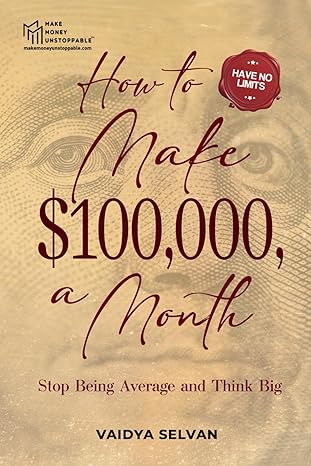
Stop Settling. Start Scaling.
Unlock the mindset, systems, and strategies top earners use to build unstoppable income.
Think Bigger. Earn Smarter.
This free eBook serves as your blueprint for scaling quickly, earning relentlessly, not settling for mediocrity, and living life on your terms.
Inside, you’ll discover:
- The Millionaire Mindset Blueprint
- Income streams that run on autopilot
- Entrepreneur hacks for focus and financial dominance
- One strategy to launch multiple income streams
- How to break free from “just enough”
- Tools to crush limiting beliefs and build your empire
Average doesn’t scale. Vision does. Download now and start your $100K/month transformation.
Yes, this eBook is free. Just drop in your email here to get instant access. ONE eBook per email.
The eBook is sent automatically and should arrive within minutes. Depending on your email provider, it may appear in your Spam or Promotions folder. While we don’t control its exact placement, you can be confident it has been dispatched and is waiting for you.
PLUS: Get Access to exclusive financial tips, learn everything about money and get early blog updates – delivered directly to your inbox .
1. Why Repurposing and Reusing Matter
Repurposing and reusing everyday items is one of the most effective ways to reduce waste and protect the environment. It lowers the amount of trash that ends up in landfills and reduces the need for new materials.
Why reuse matters:
- Waste reduction — Less trash means less pollution and fewer overflowing landfills.
- Resource conservation — Reuse reduces the demand for new raw materials.
- Energy savings — Manufacturing new items uses far more energy than reusing old ones.
- Lower environmental impact — Reuse cuts down on emissions and waste.
- Cost savings — Repurposing items reduces the need to buy new ones.
- Sustainable living — Reuse supports long term environmental health.
- Cleaner surroundings — Less waste leads to cleaner spaces.
- Better material use — Items last longer and serve more than one purpose.
- Reduced clutter — Reuse helps keep spaces organized and manageable.
2. How to Build a Reuse First Mindset
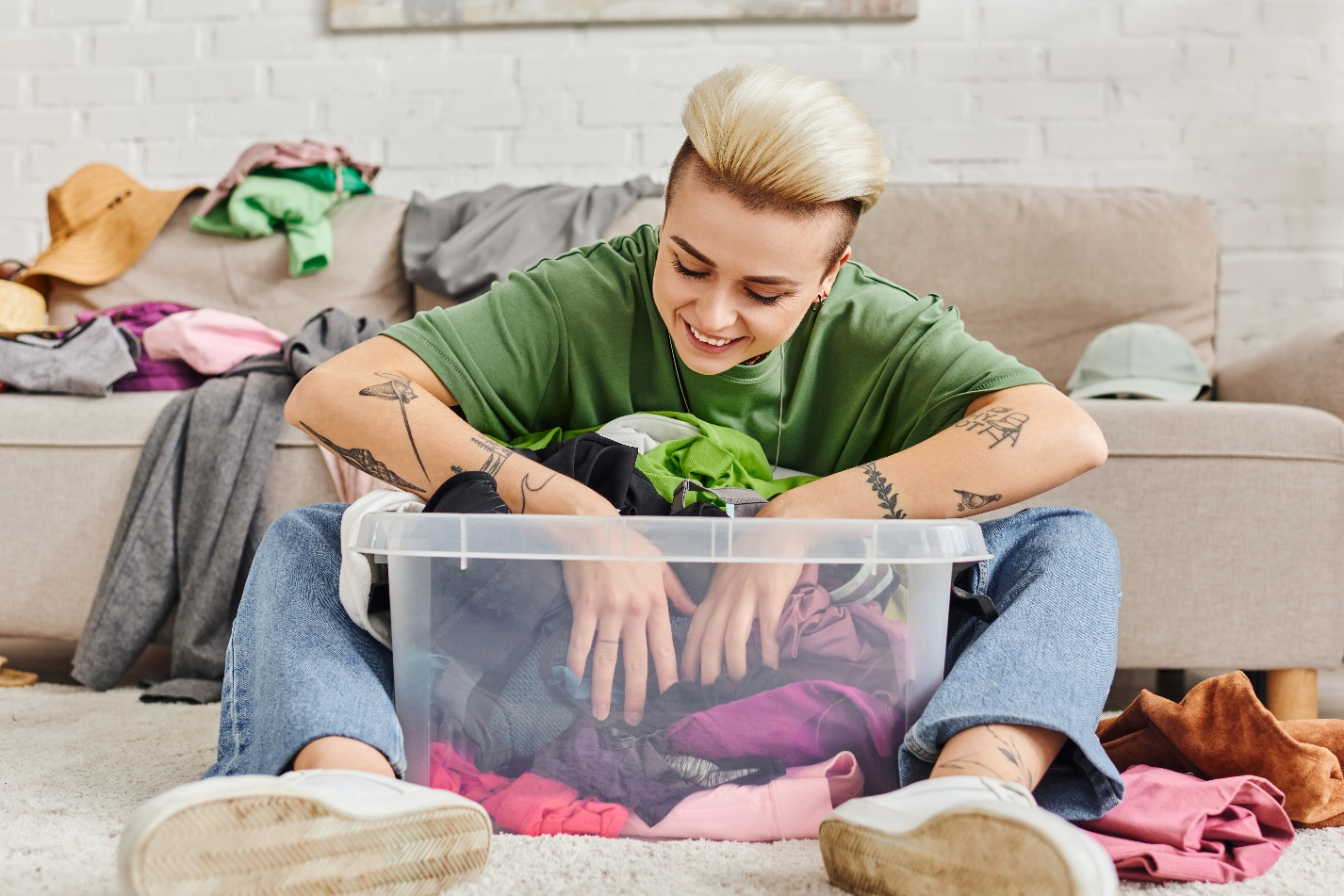
A reuse first mindset helps you pause before throwing something away and ask: “Can this be used again?”
Ways to shift your thinking:
- Think before tossing — Pause and evaluate the item.
- Look for hidden value — Many items have more than one purpose.
- Choose durable materials — Long lasting materials are easier to reuse.
- Organize reusable items — Keep items sorted so they are easy to find.
- Practice mindful consumption — Buy less, reuse more. Or buy with intent: Even better
- Reduce single use habits — Replace disposable items with reusable ones.
- Create a reuse routine — Make reuse part of your daily habits.
- Stay aware of waste — Notice how much you throw away and aim to reduce it.
- Set personal reuse goals — Track your progress and celebrate improvements.
- Keep reusable materials visible — Accessibility encourages consistent reuse.
3. Simple Ways to Repurpose Everyday Items
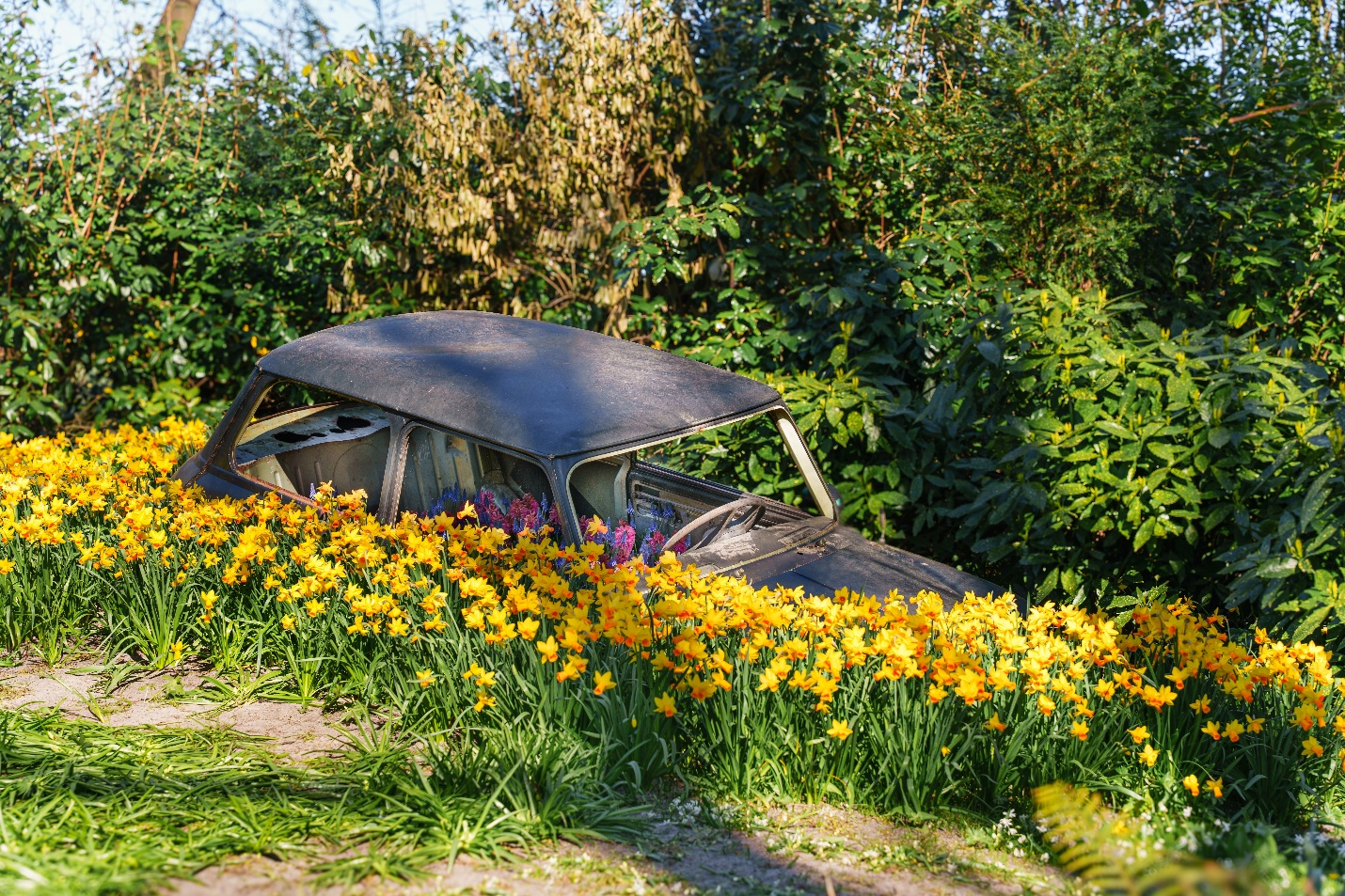
Repurposing means giving an item a new use instead of throwing it away.
Practical repurposing ideas:
- Reuse containers — Use them for storage or organization.
- Repurpose fabric — Turn old textiles into cleaning cloths or padding.
- Reuse paper materials — Use them for notes, crafts, or packing.
- Repurpose sturdy materials — Strong items can be used for organizing or reinforcing.
- Reuse household items — Many items can be used again in different ways.
- Repurpose packaging — Packaging materials often have multiple uses.
- Reuse small parts — Small pieces can be used for sorting or organizing.
- Repurpose leftover materials — Even scraps can serve a purpose.
- Reuse for labeling — Old materials can be used to mark or identify items.
- Repurpose for cushioning — Soft materials can protect fragile items.
4. Creative Reuse Ideas for Common Materials
Creativity helps you see new possibilities in everyday items.
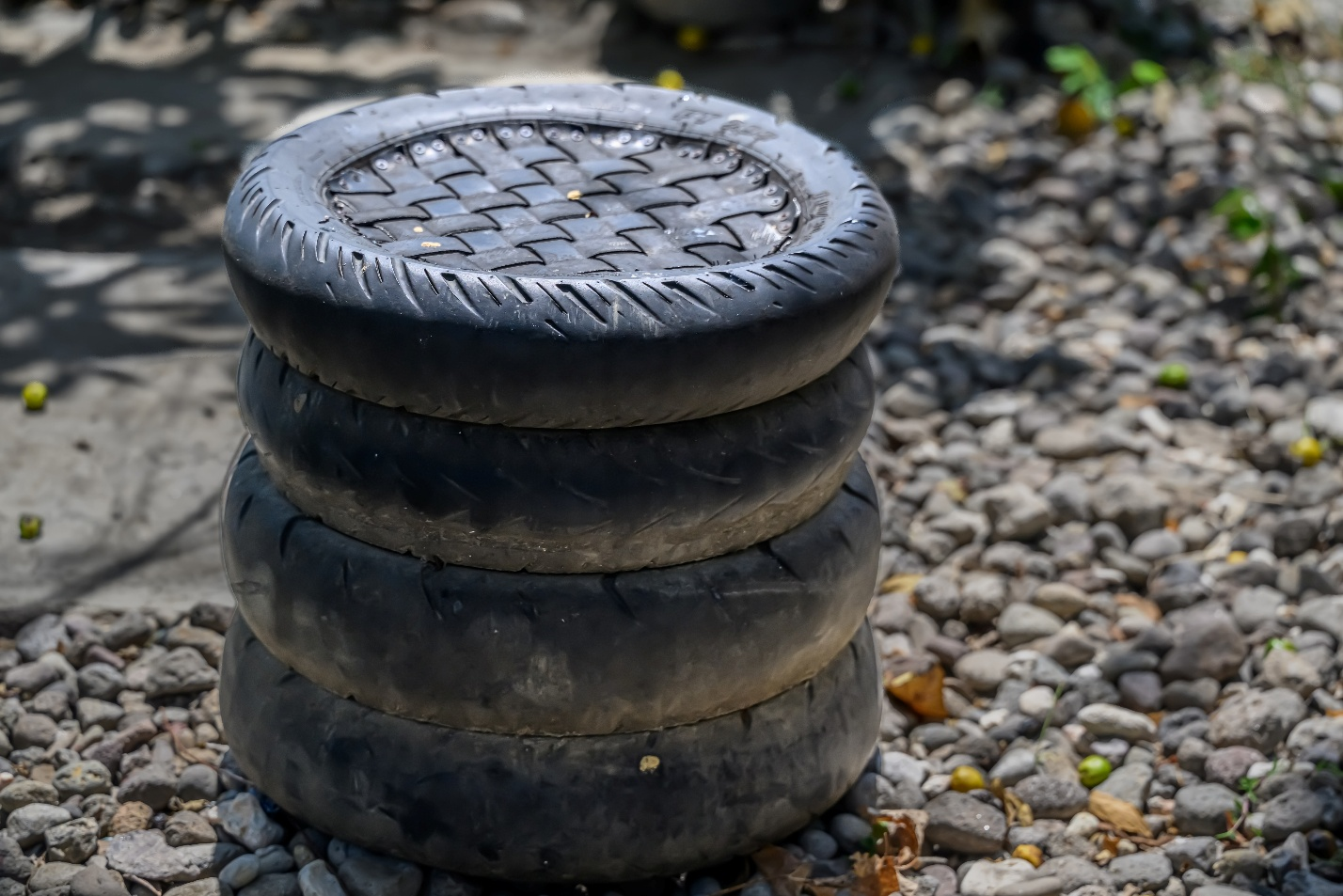
Creative reuse ideas:
- Transform old materials — Turn them into something useful.
- Use scraps wisely — Small leftover pieces can serve many purposes.
- Combine materials — Mixing materials creates new functions.
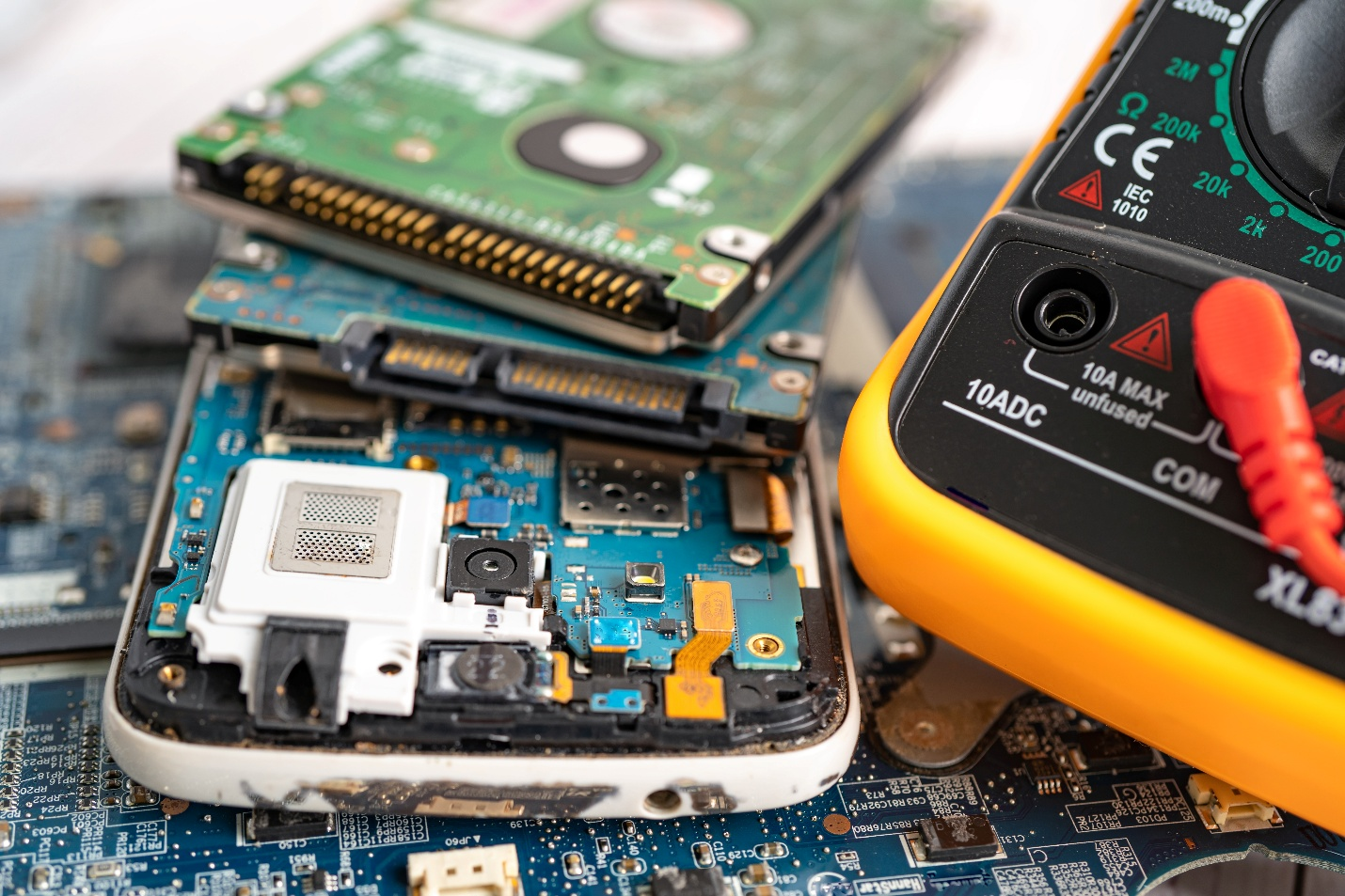
- Repurpose broken items — Parts can be reused even if the item no longer works.
- Reuse for organization — Many items can help keep spaces tidy.
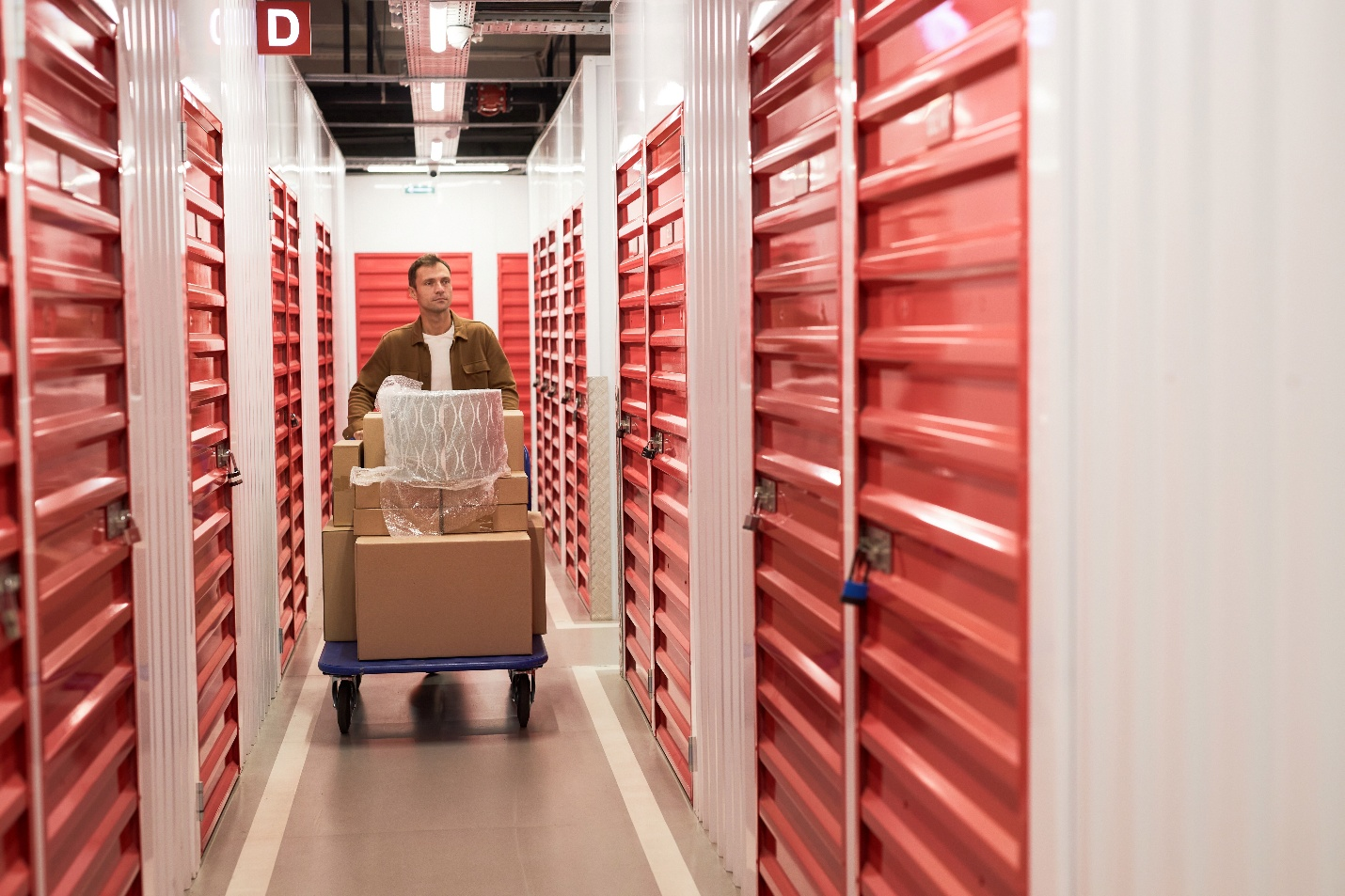
- Repurpose for storage — Containers and boxes can be reused in many ways.
- Reuse for sorting — Small items help separate materials.
- Repurpose for labeling — Old materials can be used to help identify items.
- Reuse for padding — Soft materials can protect delicate items.
- Repurpose for structure — Strong materials can reinforce or support other items.
5. How Reuse Reduces Waste and Saves Resources
Reusing items has a direct impact on the environment.
Environmental benefits:
- Less landfill waste — Reduces the amount of trash that needs disposal.
- Lower carbon footprint — Reuse cuts emissions from manufacturing.
- Reduced demand for new materials — Helps preserve natural resources.
- Cleaner air and water — Less production means fewer pollutants.
- More sustainable communities — Reuse supports long term environmental health.
- Better resource management — Encourages responsible use of materials.
- Lower environmental strain — Reduces pressure on natural systems.
- Improved long term sustainability — Supports a cleaner future.
- Reduced energy use — Less production means less energy consumption.
- Less pollution — Reuse helps reduce harmful waste.
6. How to Build Long Term Sustainable Habits
Sustainable habits make reuse a natural part of daily life.
Ways to build lasting habits:
- Create a reuse station — Keep reusable items in one place.
- Set simple goals — Start small and build over time.
- Track your progress — Notice how much waste you reduce.
- Choose reusable options — Replace disposable items with long lasting ones.
- Practice regular decluttering — Keep only what you can use or repurpose.
- Share reuse ideas — Encourage others to adopt sustainable habits.
- Build a reuse routine — Make reuse part of your daily life.
- Stay consistent — Small steps add up over time.
- Keep reusable materials accessible — Easy access encourages daily reuse.
- Review your habits often — Adjust and improve as needed.
Conclusion: Your Small Choices Shape a Cleaner Future
Every reused item makes a difference. When you choose to repurpose instead of throw away, you reduce waste, save resources, and support a healthier environment. These small actions may feel simple, but they build a strong foundation for long lasting change. Over time, these choices add up, creating cleaner spaces, healthier communities, and a more sustainable world. And of course, a happy wallet. A reuse first mindset helps you see value in everyday items and encourages habits that protect the planet.
Choosing to reuse is more than a personal habit; it is a meaningful contribution to a larger movement. By rethinking the way you use materials, you support cleaner living, smarter resource use, and long term sustainability. You become part of a growing effort to reduce waste and protect natural resources. The power to make a positive impact is already in your hands, and it begins with one simple action: choosing to reuse instead of discard.
Your choices matter. Your habits matter. And your commitment to reuse helps shape a cleaner, brighter, and more sustainable world for all. Every time you repurpose an item, you prevent waste before it exists. Every time you reuse something, you protect resources that would otherwise be lost. These small decisions create a ripple effect that reaches far beyond your home.
A cleaner future does not depend on big changes — it depends on consistent, thoughtful actions taken one day at a time. When you choose to reuse, you help build that future. One item. One habit. One choice at a time.
If you do not see it, you will not buy it or consume it. If you do not consume stuff, you will not pollute. Everything starts in our mind and our awareness. When we control our minds, we get to control our money and our spending.
How can your daily choices to repurpose, reuse, and rethink the items you already have help reduce waste, protect natural resources, build long term sustainable habits, and keep your wallet happy by avoiding unnecessary spending?
Join the conversation! Drop your thoughts in the comments below, and let’s keep the discussion going.
makemoneyunstoppable.com
From Experience to insight : Transformational reads for the Strategic mind
Foundational readings for big shifts:
- How to Track Spending without Getting Overwhelmed
- The 7-Day Money Reset Plan: Take Back Control In Just One Week
- Are You Throwing Away $5,000 a Year on Food Waste Without Realizing It?
- The Real Cost of Owning a Big Home
- The Psychology of Spending: Why We Overspend and How to Stop It
- Mastering the Envelope Method
Author: Vaidya Selvan
Welcome to Make Money Unstoppable Personal Finance Made Simple, a blog born out of necessity, a space created from real-life experiences, hard-earned lessons, and a deep-seated desire to share what I wish someone had taught me or had known sooner.

Newsletter Invite
Want more real-world information on Money? Join my newsletter for practical tips, updates on my books, and strategies to help you build financial freedom on your terms.
Yes, the eBook is also free. Just drop in your email here to get instant access. ONE eBook per email.
The eBook is sent automatically and should arrive within minutes. Depending on your email provider, it may appear in your Spam or Promotions folder. While we don’t control its exact placement, you can be confident it has been dispatched and is waiting for you.
#FinancialFreedom #Newsletter #MoneyTips
Like this blog?
Related Blogs