

Why We Pay to Store Stuff We Do Not Use: The Hidden Psychology, Costs, and Reasons Behind Long Term Storage Habits
Introduction: The Silent Comfort of Keeping What We No Longer Need
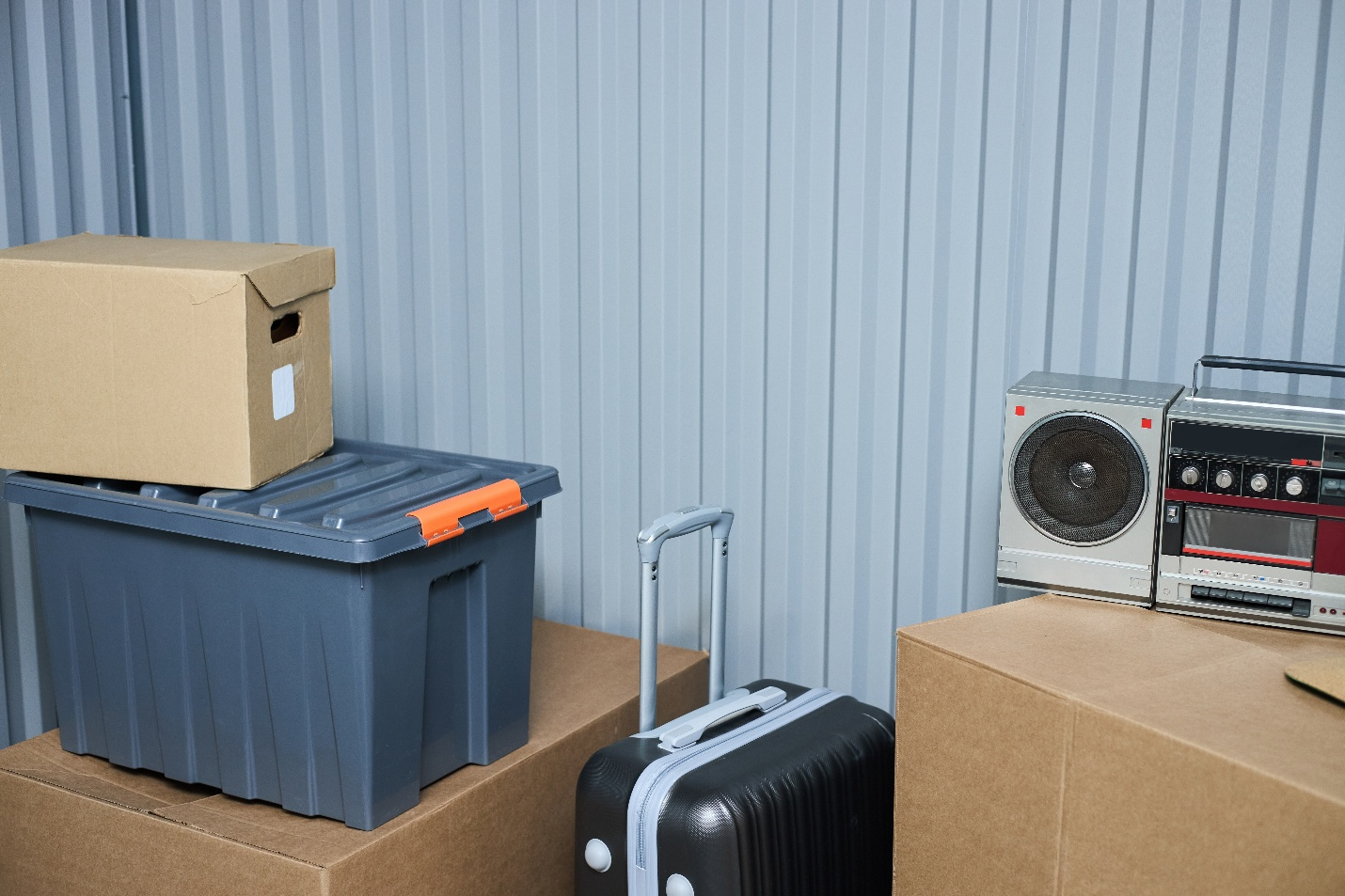
Across the world, people pay to store belongings they no longer use, want, or even remember. These items sit in boxes, bins, and containers for months or years, untouched and unnoticed. Yet the payments continue without hesitation. Many never question why they are spending money to store things that no longer serve a purpose. The storage bill becomes just another quiet expense — affordable, small, accepted, automatic, and unquestioned. And it has become a bad and expensive habit for many.
Last Updated: June 26, 2026

Disclaimer: I am not a licensed financial advisor, financial planner, tax professional, attorney, or employment consultant. The information provided in this blog is intended solely for general informational and educational purposes. This content should not be interpreted or construed as professional advice on financial, legal, tax, employment, or career matters. Always consult a qualified professional before making decisions that affect your personal situation. For transparency, some articles may include AI-assisted content. The idea is original and developed independently. All material is reviewed, edited, and approved before publication to ensure clarity and accuracy.
This behavior raises an important question: Why do we feel comfortable paying for long term storage of excess and unwanted stuff?
The answer is deeper than simple clutter. It is tied to emotions, memory, identity, fear of loss, and the belief that “we might need it someday.” Storage becomes a quiet solution to avoid making decisions right now. It becomes a way to delay letting go. It becomes a mental safety net that protects us from discomfort, regret, or emotional pain.
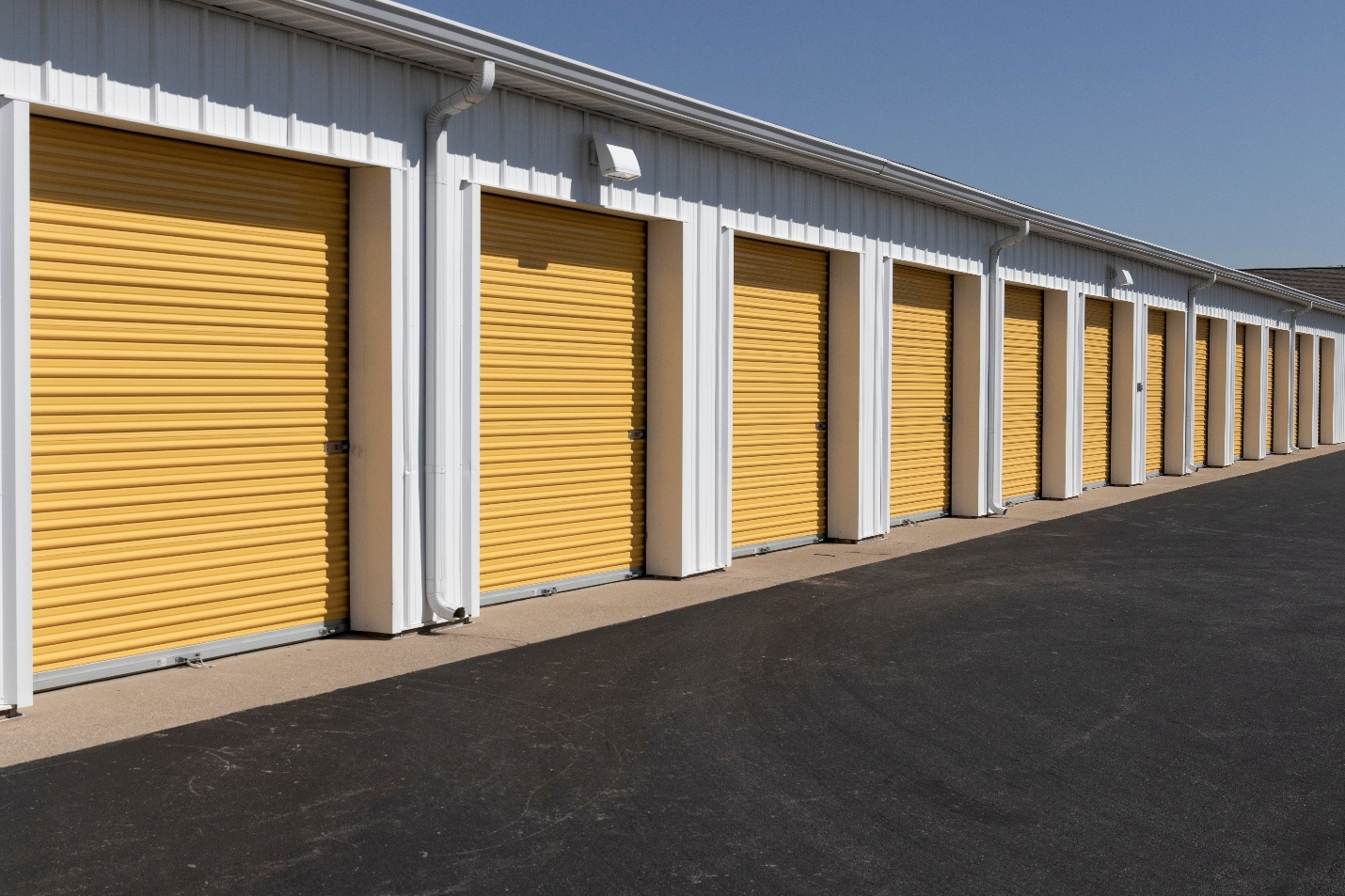
Keeping things, even things we do not use, gives us a sense of control. It creates the illusion of preparedness. It allows us to hold on to the past while avoiding the emotional work of sorting through it. In this way, storage becomes more than a physical space. It becomes a psychological shelter, a place where we hide the things we are not ready to face.
But while storage may feel harmless, the hidden costs add up. We pay with:
- Money— monthly fees that can quietly drain our budget
- Space— rooms and containers filled with unused items and unwanted stuff
- Time— hours spent managing, sorting, or avoiding clutter
- Emotional energy— the mental weight of unfinished decisions
We pay for the comfort of holding on, even when the items no longer hold value. We pay for the illusion of safety, even when it limits our freedom. And, we also pay for the past, even when it blocks the present.
This blog explores why we store things, why we rarely question the cost, how storage affects our lives, and what we can do to break the cycle. It will help you understand the emotional, financial, and psychological forces behind long term storage, and show you how to reclaim your space, your money, and your peace of mind.

Complete Guide to Why We Pay for Storage and the Hidden Costs Behind It
Table of Contents
- Why We Pay to Store Stuff We Do Not Use
- The Psychology Behind Long Term Storage
- The Emotional Reasons We Hold On
- The Hidden Financial Costs of Storage
- The Mental and Emotional Costs
- The Physical and Lifestyle Costs
- Why We Rarely Question Storage Payments
- How to Break the Long Term Storage Cycle
- Practical Steps to Reduce Stored Items
- Daily Habits to Prevent Future Clutter
- Conclusion: Reclaiming Space, Money, and Peace of Mind
Unlock your financial freedom.
Download this FREE eBook!.
How to make $100,000/month? Stop being average and think big.
Stop Settling. Start Scaling.
Unlock the mindset, systems, and strategies top earners use to build unstoppable income.
Think Bigger. Earn Smarter.
This free eBook serves as your blueprint for scaling quickly, earning relentlessly, not settling for mediocrity, and living life on your terms.
Inside, you’ll discover:
- The Millionaire Mindset Blueprint
- Income streams that run on autopilot
- Entrepreneur hacks for focus and financial dominance
- One strategy to launch multiple income streams
- How to break free from “just enough”
- Tools to crush limiting beliefs and build your empire
Average doesn’t scale. Vision does. Download now and start your $100K/month transformation.
Yes, this eBook is free. Just drop in your email here to get instant access. ONE eBook per email.
The eBook is sent automatically and should arrive within minutes. Depending on your email provider, it may appear in your Spam or Promotions folder. While we don’t control its exact placement, you can be confident it has been dispatched and is waiting for you.
PLUS: Get Access to exclusive financial tips, learn everything about money and get early blog updates – delivered directly to your inbox .
1. Why We Pay to Store Stuff We Do Not Use
People pay for storage for many reasons, even when the items have no real use.

- Avoiding decisions — It is easier to store than sort.
- Fear of regret — Worry about needing something later.
- Emotional attachment — Items feel meaningful even when unused.
- Mental comfort — Keeping things feels safe.
- Avoiding clutter at home — Storage becomes an “out of sight” solution.
- Delaying responsibility — Sorting takes time and energy.
- Belief in future usefulness — “Maybe someday” thinking.
2. The Psychology Behind Long Term Storage
Storage is not just physical; it is psychological.
- Identity preservation — Items feel tied to who we are.
- Memory protection — Belongings feel like pieces of the past.
- Fear of letting go — Release feels like loss.
- Comfort in ownership — Having things feels secure.
- Avoidance behavior — Storage hides emotional decisions.
3. The Emotional Reasons We Hold On
People keep items for emotional reasons, even when the items no longer serve a purpose.
- Sentimental value
- Symbolic meaning
- Fear of forgetting
- Comfort in familiarity
- Emotional security
4. The Hidden Financial Costs of Storage
Storage may feel cheap, but the long term cost is significant.
- Monthly fees add up over the years
- Paying for unused items drains money
- Long term financial waste grows quietly
- Opportunity cost — money could be used elsewhere
- Paying for emotional comfort without real benefit
THE MATH is Real:
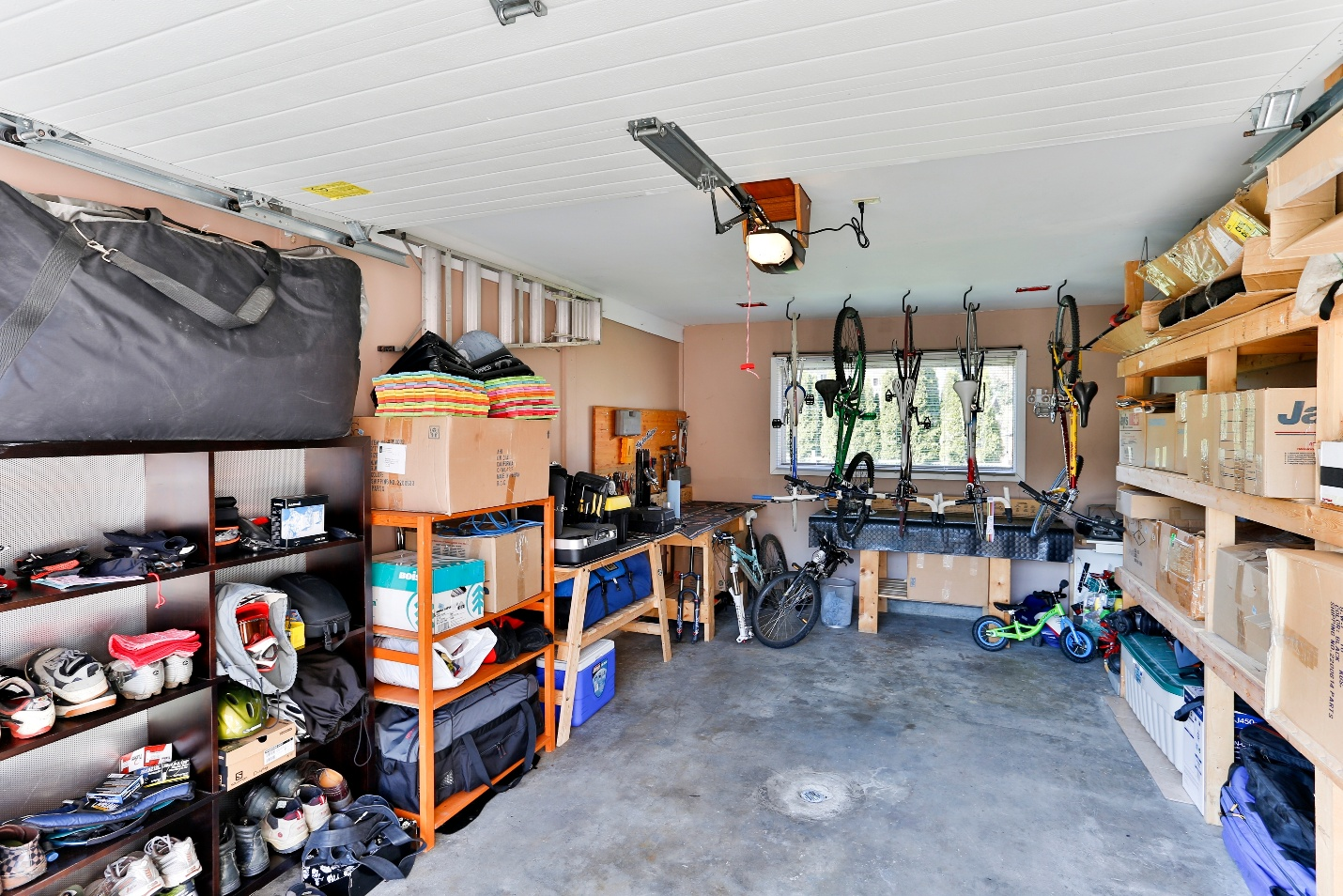
A $50 a month storage space cost may seem small, but it adds up fast. That is $600 every year, quietly leaving your bank account without much thought, and you will not feel the pinch. Over 40 years, that cost grows into something much larger, a long term financial drain that often goes unnoticed.
When you multiply $600 by 40 years, you are looking at $24,000 spent on storing items you may never use again. That is $24,000 traded for boxes of forgotten belongings, paid slowly, silently, and without question.
This number does not include:
- Late fees
- Larger square footage storage space
- Price increasesover time
- Transportation costs
- Packing supplies
- Lost timespent managing stored items
The true cost becomes even higher when you consider what that money could have done for you instead, such as savings, investments, or anything that adds real value to your life.
Storage may feel harmless, but the long term financial impact is real. When you see the number clearly, you begin to understand the hidden price of holding on to things you no longer need.
After all, these items are just things — objects manufactured somewhere else, brought into your home, and allowed to live rent free. They take up your space, your air, your energy, and your peace of mind without giving anything back.

But once they leave your home and move into storage, everything changes. Suddenly, these same unused, unwanted items begin living on full price rent, paid by you every single month. They sit untouched, offering no value, while quietly draining your wallet.
You are essentially paying real money to protect things that no longer protect you, paying rent for belongings that no longer belong in your life, and most importantly, paying for the past while sacrificing your present.
When you see it clearly, the truth hits hard: You are not just storing stuff; you are funding clutter, financing indecision, and you are investing in things that give you nothing in return.
And the moment you recognize this, you gain the power to stop the cycle. You gain the power to reclaim your space, your money, and your peace of mind.
5. The Mental and Emotional Costs
Storage can affect your mental well being.
- Clutter stress — even hidden clutter can weigh on the mind
- Decision fatigue — sorting becomes overwhelming
- Emotional heaviness — items hold emotional weight
- Mental distraction — unfinished tasks linger mentally
- Avoidance guilt — knowing things need attention
6. The Physical and Lifestyle Costs
Storage can affect daily life in ways people rarely notice.
- Reduced living space
- Less home organization
- More clutter over time
- Difficulty finding things
- Delayed decision making
7. Why We Rarely Question Storage Payments
People rarely question storage fees because:
- Payments feel small
- Storage feels convenient
- Items feel valuable even when unused
- Letting go feels hard
- Sorting feels overwhelming
- Out of sight, out of mind

Say you bought an item for $100. Then you put it into storage for $40 a month. That is $480 a year — quietly disappearing from your bank account.
Now stretch that over 40 years. That $100 item ends up costing you $19,200 in storage fees.
Let that sink in: A simple $100 object becomes a $19,200 financial burden, paid slowly, silently, and without question.
You are not just storing an item — you are financing it, you are funding its existence, and you are paying rent for something that gives you nothing in return.
This is the hidden truth behind long term storage: The item doesn’t just take up space; it takes your money, your time, and your peace of mind.
8. How to Break the Long Term Storage Cycle
Breaking the cycle requires awareness and action.
- Identify what truly matters
- Set limits on storage
- Create a sorting schedule
- Reduce emotional attachment
- Focus on present needs

9. Practical Steps to Reduce Stored Items
- Sort by category
- Remove duplicates
- Keep only essentials
- Use a “must keep” rule
- Set a time limit for decision making
10. Daily Habits to Prevent Future Clutter
- One in, one out rule
- Weekly mini declutter
- Mindful buying habits
- Clear surfaces daily
- Review stored items regularly
Conclusion: Reclaiming Space, Money, and Peace of Mind
Paying to store unused and unwanted items may feel harmless, but the true cost reaches far beyond the monthly fee. The impact touches every part of life. It can affect your finances, your mental clarity, your living space, and your emotional well being. Storage becomes a quiet habit, one that grows slowly, silently, and without being questioned.

The comfort of keeping things creates the illusion of safety. But the longer items sit untouched, the more they take from you. They take money, take space, take energy, and they also take your inner peace. They will also take the freedom that comes from living with intention instead of accumulation.
The good news is that inner awareness brings freedom. When you understand why you hold on to stuff, you gain the power to let go. And when you recognize the hidden costs, you will make better choices.
When you clear your physical space, you will also be able to create a clean mental space. When you release what no longer serves you, you make room for clarity, calm, peace, and simplicity.
Letting go is not about losing something. It is about reclaiming something- your life.
You do not have to carry the weight of unused belongings. You do not have to pay for items that no longer support your present or your future, and you do not have to fill your space with the past.

You can reclaim your space, money, and your peace of mind. Ultimately, you can reclaim your life.
The moment you choose to let go is the moment you choose freedom, your freedom from all the excesses and stuff.
If you knew that keeping unused and unwanted stuff could quietly drain your money, your space, your time, and your peace of mind for decades, would you still choose to hold on to it — or would you finally let it go?
Join the conversation! Drop your thoughts in the comments below, and let’s keep the discussion going.
makemoneyunstoppable.com
From Experience to insight : Transformational reads for the Strategic mind
Foundational readings for big shifts:
- How to Track Spending without Getting Overwhelmed
- The 7-Day Money Reset Plan: Take Back Control In Just One Week
- Are You Throwing Away $5,000 a Year on Food Waste Without Realizing It?
- The Real Cost of Owning a Big Home
- The Psychology of Spending: Why We Overspend and How to Stop It
- Mastering the Envelope Method
Author: Vaidya Selvan
Welcome to Make Money Unstoppable Personal Finance Made Simple, a blog born out of necessity, a space created from real-life experiences, hard-earned lessons, and a deep-seated desire to share what I wish someone had taught me or had known sooner.

Newsletter Invite
Want more real-world information on Money? Join my newsletter for practical tips, updates on my books, and strategies to help you build financial freedom on your terms.
Yes, the eBook is also free. Just drop in your email here to get instant access. ONE eBook per email.
The eBook is sent automatically and should arrive within minutes. Depending on your email provider, it may appear in your Spam or Promotions folder. While we don’t control its exact placement, you can be confident it has been dispatched and is waiting for you.
#FinancialFreedom #Newsletter #MoneyTips
Like this blog?
Related Blogs