

10 Questions to Ask Before You Buy: A Smart Shopper's Guide to Mindful Spending Decisions
Introduction
Why Pausing Before You Pay Matters
Every day, people make dozens of small and large spending decisions without giving them much thought. A notification pops up, a sale banner flashes, or a friend mentions a new gadget, and within seconds the “buy now” button gets clicked. This pattern of impulse buying is one of the most common reasons people struggle with debt, clutter, and financial stress.
Last Updated: July 12, 2026

Disclaimer: I am not a licensed financial advisor, financial planner, tax professional, attorney, or employment consultant. The information provided in this blog is intended solely for general informational and educational purposes. This content should not be interpreted or construed as professional advice on financial, legal, tax, employment, or career matters. Always consult a qualified professional before making decisions that affect your personal situation. For transparency, some articles may include AI-assisted content. The idea is original and developed independently. All material is reviewed, edited, and approved before publication to ensure clarity and accuracy.
Mindful spending is not about restriction or guilt. It is about awareness. When you pause for even sixty seconds before completing a purchase, you give your brain time to move from emotional reaction to rational thought. This short pause can be the difference between a purchase that adds real value to your life and one that ends up forgotten in a closet or, worse, adds to a growing pile of debt.
This blog was created to help you build a simple, repeatable habit: asking yourself a set of smart questions before every purchase, big or small. These questions apply to everyday spending, occasional splurges, and major financial commitments alike. Whether you are trying to save money, reduce c lutter, support sustainable living, or simply feel more in control of your finances, this framework can help you shop with intention rather than impulse.

By the end of this blog, you will have a practical, easy-to-remember checklist that you can apply anywhere — while browsing online, standing in a store aisle, waiting to pay at a store with long lines, or comparing options for a bigger investment.
Your Roadmap to Smarter, More Intentional Buying Decisions
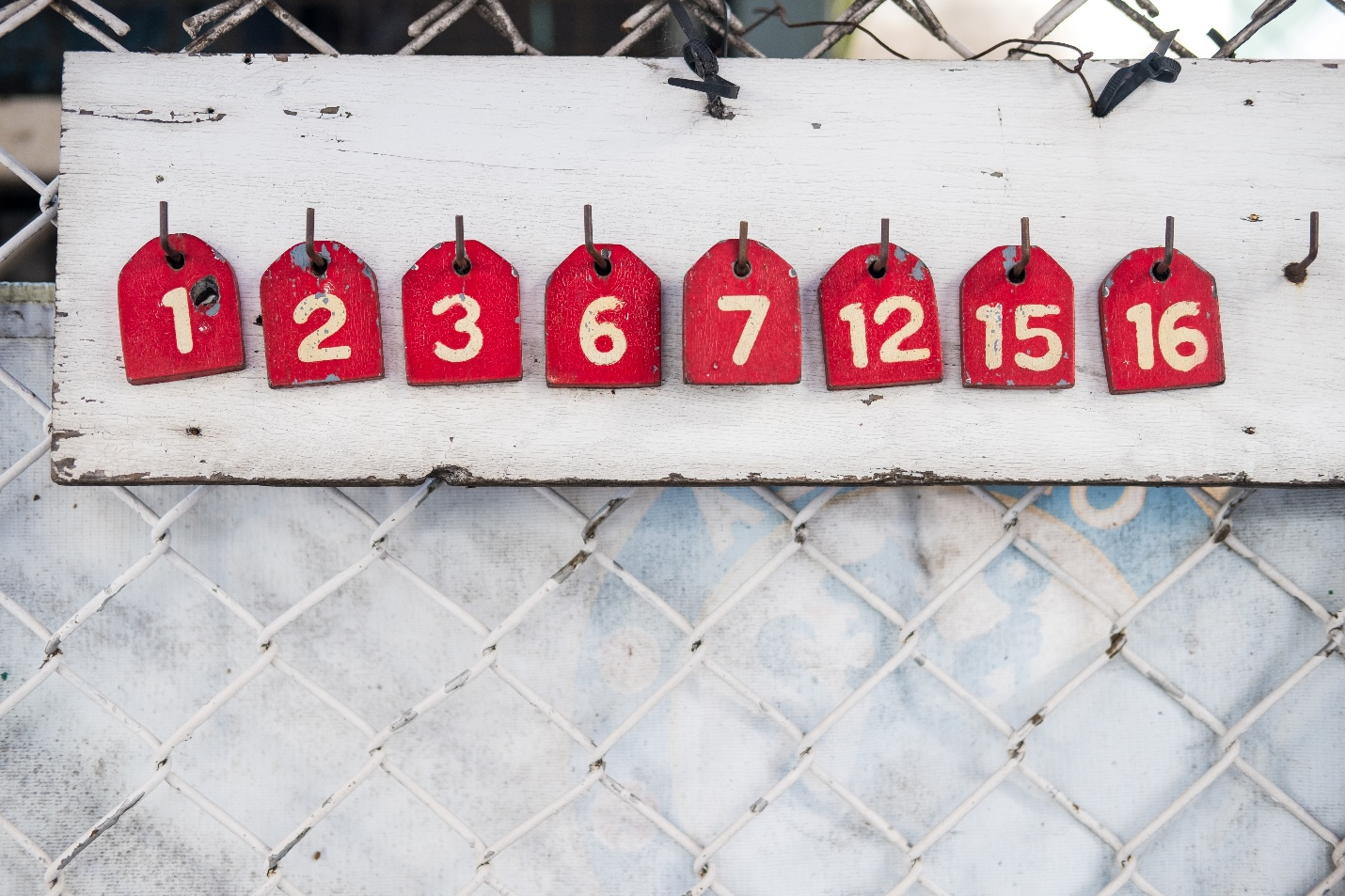
Table of Contents:
- Does This Purchase Align with My Actual Needs?
- Can I Comfortably Afford This Without Financial Strain?
- Have I Compared This to Similar Options?
- Will I Still Value This in Thirty Days?
- Am I Buying This Out of Emotion or Logic?
- Do I Already Own Something That Serves the Same Purpose?
- What Is the True Cost, Including Hidden Expenses?
- How Will This Purchase Affect My Long-Term Goals?
- Is This a Need, a Want, or a Fleeting Desire?
- What Happens If I Wait Before Deciding?

Unlock your financial freedom.
Download this FREE eBook!.
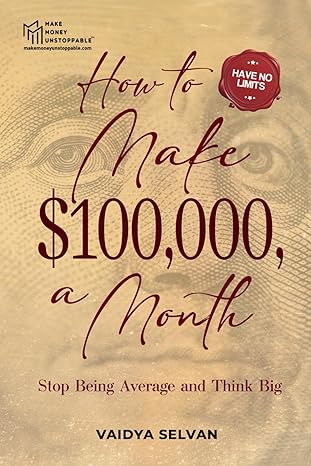
How to make $100,000/month? Stop being average and think big.
Stop Settling. Start Scaling.
Unlock the mindset, systems, and strategies top earners use to build unstoppable income.
Think Bigger. Earn Smarter.
This free eBook serves as your blueprint for scaling quickly, earning relentlessly, not settling for mediocrity, and living life on your terms.
Inside, you’ll discover:
- The Millionaire Mindset Blueprint
- Income streams that run on autopilot
- Entrepreneur hacks for focus and financial dominance
- One strategy to launch multiple income streams
- How to break free from “just enough”
- Tools to crush limiting beliefs and build your empire
Average doesn’t scale. Vision does. Download now and start your $100K/month transformation.
Yes, this eBook is free. Just drop in your email here to get instant access. ONE eBook per email.
The eBook is sent automatically and should arrive within minutes. Depending on your email provider, it may appear in your Spam or Promotions folder. While we don’t control its exact placement, you can be confident it has been dispatched and is waiting for you.
PLUS: Get Access to exclusive financial tips, learn everything about money and get early blog updates – delivered directly to your inbox .
1. Does This Purchase Align with My Actual Needs?
Before adding anything to your cart, while in the store or online, ask whether the item genuinely solves a problem or improves your daily life. Many purchases are driven by clever marketing rather than real necessity.
- Identify the specific need the item addresses.
- Ask whether that need is urgent or simply appealing in the moment.
- Consider whether a non-purchase solution could meet the same need.
- Write down the reason for the purchase before buying; if you struggle to explain it clearly, that is a warning sign.
- Even if it is on sale or marked down, do you really need it?
2. Can I Comfortably Afford This Without Financial Strain?
Affordability is not just about having enough money in an account right now. It is about whether the purchase disrupts your broader financial stability.
- Check whether this purchase affects your ability to pay essential bills.
- Consider whether you would need to use credit or a payment plan to cover it.
- Ask if buying this item means sacrificing savings goals or emergency funds.
- Evaluate whether the price feels reasonable relative to your monthly income, not just your bank balance today.

3. Have I Compared This to Similar Options?
Comparison shopping helps you avoid overpaying and ensures you are choosing the option that best fits your needs, not just the first one you noticed.
- Research at least two or three alternatives before deciding.
- Compare quality, durability, and long-term performance, not just price.
- Read independent reviews rather than relying solely on promotional material.
- Consider whether a slightly higher upfront cost might save money over time through better durability or efficiency.
4. Will I Still Value This in Thirty Days?
The excitement of a new purchase often fades quickly. Asking whether the item will still matter to you weeks later helps filter out short-lived impulses.
- Picture yourself using the item a month from now.
- Ask whether the appeal is based on trend, novelty, or lasting usefulness.
- Consider implementing a waiting period for non-essential purchases.
- Reflect on past purchases that lost their appeal quickly, and notice any similar patterns.

5. Am I Buying This Out of Emotion or Logic?
Emotional spending is one of the biggest drivers of unnecessary purchases. Stress, boredom, sadness, and even happiness can all trigger a shopping impulse.
- Notice your mood before making the purchase decision.
- Ask whether you are trying to fill an emotional gap rather than meet a practical need.
- Consider alternative ways to address the emotion, such as a walk, a conversation, or rest.
- Give yourself permission to close the tab or leave the store and revisit the decision later with a clearer mind.
6. Do I Already Own Something That Serves the Same Purpose?
Duplicate purchases are extremely common and often overlooked. Taking inventory of what you already own can prevent unnecessary spending and clutter. You don’t need another hammer in your home.
- Check your existing belongings before buying something similar.
- Ask whether the new item offers a meaningful improvement over what you already have.
- Consider repairing, repurposing, or upgrading an existing item instead of replacing it.
- Keep a simple list of frequently purchased categories to avoid duplication over time. Take inventory of everything in your home.

7. What Is the True Cost, Including Hidden Expenses?
The sticker price is rarely the full financial picture. Many purchases come with ongoing or hidden costs that are easy to overlook in the moment.
- Factor in maintenance, subscription fees, accessories, or replacement parts.
- Consider shipping costs, taxes, and potential return fees.
- What about lost time and stress?
- Ask whether the item requires special storage, cleaning, or upkeep.
- Calculate the long-term cost of ownership, not just the initial price tag.
8. How Will This Purchase Affect My Long-Term Goals?
Every purchase either supports or competes with your bigger financial and personal goals, such as saving for the future, reducing debt, or building financial independence.
- Revisit your top financial goals before making a significant purchase.
- Ask whether this spending moves you closer to or further from those goals.
- Consider the opportunity cost — what else that money could accomplish.
- Prioritize purchases that align with your values and long-term plans.

9. Is This a Need, a Want, or a Fleeting Desire?
Learning to distinguish between these three categories is one of the most powerful tools in mindful spending.
- A need is something essential for health, safety, or basic functioning.
- A want is something that adds comfort or enjoyment but is not essential.
- A fleeting desire is a temporary impulse often triggered by advertising, social pressure, peer pressure, or boredom.
- Practice labeling each potential purchase honestly before deciding whether to proceed.
10. What Happens If I Wait Before Deciding?
Delaying a decision rarely causes harm, and it often reveals whether a purchase was truly worthwhile.
- Set a personal rule, such as waiting twenty-four hours for small purchases and a full week for larger ones.
- Use the waiting period to research, compare, and reflect.
- Notice whether the urge to buy fades or grows stronger during the wait.
- Treat the waiting period as a tool for clarity, not a punishment.

Conclusion:
Your Path to Smarter, More Confident Purchases
Building a habit of asking these ten questions before every purchase does more than protect your bank account. It can help strengthen your decision-making skills, reduce clutter and waste, and help you feel more confident and in control of your financial life. Over time, this simple pause-and-reflect approach may become second nature, transforming the way you interact with spending altogether.
Mindful spending does not mean never enjoying a purchase or denying yourself things that bring genuine value. It means making sure that every dollar spent is a deliberate choice rather than a reflex. When you know exactly why you are buying something, you may tend to feel more satisfied with the outcome and less likely to experience regret afterward.
Start small. Choose just one or two of these questions to apply this week, and notice how it changes your shopping habits. As the habit strengthens, add more questions to your routine until reflecting before you buy becomes automatic. With consistent practice, you will find that smarter, more intentional spending decisions become second nature — helping you build a healthier relationship with money, reduce unnecessary stress, and move steadily toward the financial goals that matter most to you.

When you look past the price tag to the durability, how often you'll actually use it, the hidden costs of upkeep, and what it might be worth later on — does your last purchase still feel like good value, or would the cost-per-use formula tell a different story?
Join the conversation! Drop your thoughts in the comments below, and let’s keep the discussion going.
From Experience to insight : Transformational reads for the Strategic mind
Foundational readings for big shifts:
- How to Track Spending without Getting Overwhelmed
- The 7-Day Money Reset Plan: Take Back Control In Just One Week
- Are You Throwing Away $5,000 a Year on Food Waste Without Realizing It?
- The Real Cost of Owning a Big Home
- The Psychology of Spending: Why We Overspend and How to Stop It
- Mastering the Envelope Method

Author: Vaidya Selvan
Welcome to Make Money Unstoppable Personal Finance Made Simple, a blog born out of necessity, a space created from real-life experiences, hard-earned lessons, and a deep-seated desire to share what I wish someone had taught me or had known sooner.

Newsletter Invite
Want more real-world information on Money? Join my newsletter for practical tips, updates on my books, and strategies to help you build financial freedom on your terms.
Yes, the eBook is also free. Just drop in your email here to get instant access. ONE eBook per email.
The eBook is sent automatically and should arrive within minutes. Depending on your email provider, it may appear in your Spam or Promotions folder. While we don’t control its exact placement, you can be confident it has been dispatched and is waiting for you.
#FinancialFreedom #Newsletter #MoneyTips
Like this blog?
Related Blogs