


Cost Per Use: The Simple Money-Saving Formula to Check Before You Buy Anything
Introduction
Why the Price Tag Never Tells the Whole Story
Every purchase decision starts with a number on a price tag, but that number only tells part of the story. The real question is not “how much does this cost?” It is “how much value will this deliver every time I use it?” This is the heart of the cost-per-use method, a simple budgeting tool that helps shoppers make smarter buying decisions by looking past the sticker price and focusing on long-term value.
Last Updated: July 10, 2026

Disclaimer: I am not a licensed financial advisor, financial planner, tax professional, attorney, or employment consultant. The information provided in this blog is intended solely for general informational and educational purposes. This content should not be interpreted or construed as professional advice on financial, legal, tax, employment, or career matters. Always consult a qualified professional before making decisions that affect your personal situation. For transparency, some articles may include AI-assisted content. The idea is original and developed independently. All material is reviewed, edited, and approved before publication to ensure clarity and accuracy.
Many people fall into the trap of chasing the lowest price, only to end up replacing items again and again, spending more money over time than they would have spent on a higher-quality option. Others overspend on premium items that sit unused, turning what looked like an investment into a waste of money. Learning how to calculate cost per use helps close this gap. It gives shoppers a clear, practical, and data-driven way to compare products, avoid buyer’s remorse, and build lasting financial habits that support long-term savings.

This blog helps break down the cost-per-use formula step by step, explains why it matters for smart buying decisions, and shows how to apply it across everyday spending categories. Whether the goal is a leaner budget, better quality-of-life purchases, or simply avoiding regret at checkout, this approach can help turn purchase decisions into confident, informed choices.
Your Complete Roadmap to Smarter Spending Decisions
Table of Contents
What Is Cost Per Use and Why It Matters
- The Simple Cost-Per-Use Formula Explained
- Why Price Alone Is a Misleading Guide
- Step-by-Step: How to Calculate Cost Per Use Before Buying
- Key Factors That Affect Cost Per Use
- Common Buying Mistakes This Method Helps You Avoid
- Practical Tips to Apply Cost Per Use in Everyday Budgeting
- When Cost Per Use Is Not the Only Factor to Consider
- Conclusion: Turning Every Purchase into a Smart Investment
1. What Is Cost Per Use and Why It Matters
Cost per use is a budgeting method that divides the total price of an item by the number of times it will realistically be used. Instead of judging a purchase by its upfront cost, this method measures value over the item’s entire lifespan. It answers a more useful question: what does each use actually cost?

Unlock your financial freedom.
Download this FREE eBook!.
How to make $100,000/month? Stop being average and think big.
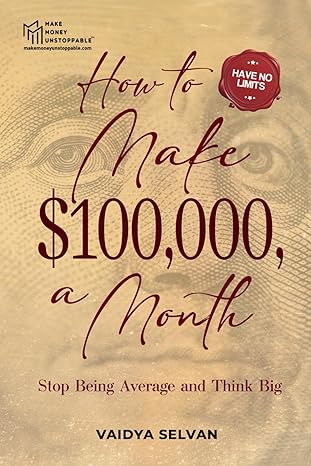
Stop Settling. Start Scaling.
Unlock the mindset, systems, and strategies top earners use to build unstoppable income.
Think Bigger. Earn Smarter.
This free eBook serves as your blueprint for scaling quickly, earning relentlessly, not settling for mediocrity, and living life on your terms.
Inside, you’ll discover:
- The Millionaire Mindset Blueprint
- Income streams that run on autopilot
- Entrepreneur hacks for focus and financial dominance
- One strategy to launch multiple income streams
- How to break free from “just enough”
- Tools to crush limiting beliefs and build your empire
Average doesn’t scale. Vision does. Download now and start your $100K/month transformation.
Yes, this eBook is free. Just drop in your email here to get instant access. ONE eBook per email.
The eBook is sent automatically and should arrive within minutes. Depending on your email provider, it may appear in your Spam or Promotions folder. While we don’t control its exact placement, you can be confident it has been dispatched and is waiting for you.
PLUS: Get Access to exclusive financial tips, learn everything about money and get early blog updates – delivered directly to your inbox .
This approach matters because it shifts the focus from short-term spending to long-term value. A budgeting mindset built around cost per use can help support:
- Better financial planning and predictable spending habits
- Reduced impulse buying driven by discounts or flashy marketing
- Smarter comparisons between similar products at different price points
- A clearer sense of which purchases actually support daily life
Long-term savings instead of repeated short-term expenses
2. The Simple Cost-Per-Use Formula Explained
The formula itself is straightforward:
Cost Per Use = Total Purchase Price ÷ Estimated Number of Uses
For example, if an item costs a certain amount and is expected to be used many times over its lifespan, dividing the price by the number of expected uses reveals the true cost of each use. The lower the cost per use, the better the long-term value, even if the upfront price is higher.

This formula can be adjusted to include additional ownership costs such as:
- Maintenance or upkeep expenses
- Replacement parts or accessories
- Storage, cleaning, or care requirements
- Estimated resale value, which can be subtracted from the total cost
Including these extra factors creates a more accurate, real-world version of the formula often called the “true cost of ownership.”
3. Why Price Alone Is a Misleading Guide
A low price may often feel like a smart choice in the moment, but price alone does not measure value. Two items can have very different price tags and still deliver similar or even reversed cost-per-use results. A cheaper item that wears out quickly and needs frequent replacement can end up costing more over time than a higher-priced item built to last.
Relying on price alone can lead to:
- Frequent repurchasing of low-durability items
- Hidden long-term costs that are not visible at checkout
- A false sense of savings that disappears over time
- Poor comparisons between products with different lifespans

Cost per use helps correct this blind spot by putting every option on a level playing field.
4. Step-by-Step: How to Calculate Cost Per Use Before Buying
Calculating cost per use does not require complex math or special tools. It can be done in a few simple steps before any purchase decision is finalized.
- Step 1: Identify the total cost.Include the purchase price plus any predictable additional costs such as maintenance or accessories.
- Step 2: Estimate realistic usage.Think honestly about how often the item will actually be used, not how often it is hoped to be used.
- Step 3: Divide total cost by estimated uses.This produces the cost-per-use figure.
- Step 4: Compare across alternatives.Run the same calculation for similar items to see which offers the strongest long-term value.
- Step 5: Factor in lifespan and durability.A longer lifespan generally lowers the cost per use, even if the initial price is higher.
- Step 6: Reassess after ownership.Tracking actual usage after the purchase helps refine future estimates and improves accuracy over time.

This step-by-step process transforms a vague buying decision into a measurable, evidence-based comparison.
5. Key Factors That Affect Cost Per Use
Several variables influence the final cost-per-use number, and understanding them leads to more accurate calculations.
- Durability and build quality:Items designed to withstand regular use tend to have a lower long-term cost per use.
- Frequency of use:Items used daily will almost always have a lower cost per use than items used occasionally.
- Maintenance requirements:Ongoing costs such as repairs or replacement parts raise the total cost over time.
- Versatility:Multi-purpose items often deliver more uses, which naturally lowers the cost per use.
- Resale or trade-in value:Items that retain value can offset part of the original purchase price.
- Storage and lifespan limitations:Items that degrade, expire, or become outdated quickly will have a higher effective cost per use.

6. Common Buying Mistakes This Method Helps You Avoid
Applying the cost-per-use formula naturally helps shoppers steer clear of several common financial pitfalls, including:
- Buying based on discounts rather than actual long-term value
- Overestimating how often an item will realistically be used
- Ignoring hidden costs like maintenance, storage, or accessories
- Choosing lower upfront prices without considering durability
- Letting emotional or impulse decisions override financial logic
- Failing to compare similar products using the same standard
Recognizing these patterns makes it easier to break the cycle of repeat purchases and wasted spending.
7. Practical Tips to Apply Cost Per Use in Everyday Budgeting
Cost per use is most powerful when it becomes a habit rather than a one-time exercise. These practical tips help build that habit:
- Keep a simple running list of major purchases and their estimated uses
- Set a personal cost-per-use “target” for different spending categories
- Pause before buying and ask, “What will each use of this actually cost?”
- Prioritize durability and versatility over the lowest possible price
- Revisit past purchases occasionally to see how accurate the original estimate was
- Use this method alongside a broader budget to track overall spending trends
- Apply the formula consistently across categories such as household items, tools, equipment, and everyday essentials

Over time, this habit can help build a stronger, more intentional relationship with spending and supports meaningful long-term savings.
8. When Cost Per Use Is Not the Only Factor to Consider
While cost per use is a powerful decision-making tool, it should not be used in isolation. Other factors deserve consideration alongside the formula, including:
- Personal comfort, accessibility, and ease of use
- Environmental or sustainability impact
- Available storage space or practical limitations
- Emotional or lifestyle value that is harder to measure numerically
- Urgency of need versus long-term planning
A balanced approach combines the objective clarity of cost per use with these practical, real-world considerations to reach a well-rounded decision.
Conclusion:
Turning Every Purchase into a Smart Investment

Cost per use reframes the entire buying process. Instead of asking “what does this cost today?” it asks “what will this cost every time I use it?” That shift in thinking can transform shopping from a series of isolated decisions into a strategy built around long-term value, durability, and financial confidence.
By calculating cost per use before making any purchase, it becomes possible to compare options fairly, avoid hidden long-term expenses, and choose items that genuinely support daily needs rather than gather dust. This simple formula, paired with a few practical habits, can steadily reduce wasted spending and build a more intentional, sustainable approach to money management.
The next time a purchase decision comes up, taking a moment to calculate cost per use can turn a routine transaction into a confident, well-informed investment in long-term value.
Before your next purchase, have you calculated what it will really cost you — not on the price tag, but every single time you use it?
Join the conversation! Drop your thoughts in the comments below, and let’s keep the discussion going.
From Experience to insight : Transformational reads for the Strategic mind
Foundational readings for big shifts:
- How to Track Spending without Getting Overwhelmed
- The 7-Day Money Reset Plan: Take Back Control In Just One Week
- Are You Throwing Away $5,000 a Year on Food Waste Without Realizing It?
- The Real Cost of Owning a Big Home
- The Psychology of Spending: Why We Overspend and How to Stop It
- Mastering the Envelope Method

Author: Vaidya Selvan
Welcome to Make Money Unstoppable Personal Finance Made Simple, a blog born out of necessity, a space created from real-life experiences, hard-earned lessons, and a deep-seated desire to share what I wish someone had taught me or had known sooner.

Newsletter Invite
Want more real-world information on Money? Join my newsletter for practical tips, updates on my books, and strategies to help you build financial freedom on your terms.
Yes, the eBook is also free. Just drop in your email here to get instant access. ONE eBook per email.
The eBook is sent automatically and should arrive within minutes. Depending on your email provider, it may appear in your Spam or Promotions folder. While we don’t control its exact placement, you can be confident it has been dispatched and is waiting for you.
#FinancialFreedom #Newsletter #MoneyTips