


The Hidden Costs Behind MSRP: What You're Really Paying For
Introduction
The Sticker Price Is Only the Beginning
A price tag may look simple. A single number tells you what something costs, and most buyers assume that number is the whole story. But the manufacturer’s suggested retail price, better known as MSRP, is rarely the full picture. It is a starting point set by a manufacturer, not a guaranteed final cost, and not a complete summary of everything a buyer will end up paying.
Last Updated: July 16, 2026

Disclaimer: I am not a licensed financial advisor, financial planner, tax professional, attorney, or employment consultant. The information provided in this blog is intended solely for general informational and educational purposes. This content should not be interpreted or construed as professional advice on financial, legal, tax, employment, or career matters. Always consult a qualified professional before making decisions that affect your personal situation. For transparency, some articles may include AI-assisted content. The idea is original and developed independently. All material is reviewed, edited, and approved before publication to ensure clarity and accuracy.
Behind that single number sits a web of markups, fees, add-ons, financing terms, and long-term costs that most buyers never fully see until after the purchase is made. Not to mention sales tax. Understanding what MSRP actually represents, and what it leaves out, is one of the most practical forms of financial literacy a consumer can develop. It affects large purchases and everyday ones alike, and it shapes how much control a buyer really has over the final price.
This blog breaks down what MSRP is, why it exists, what it typically hides, and how a buyer can approach any purchase with a clearer, more complete understanding of true cost. No specific products, brands, or real-world examples are discussed here — the goal is to explain the underlying pricing structure in a way that applies broadly, across almost any category of purchase where a suggested retail price appears.

A Complete Guide to Understanding True Purchase Cost
Table of Contents:
- What MSRP Actually Means
- Why MSRP Exists in the First Place
- What MSRP Typically Does Not Include
- Hidden Fees and Add-On Charges
- The Role of Financing and Interest
- Markups, Discounts, and Negotiation Room
- Long-Term Ownership Costs Beyond the Purchase Price
- How to Evaluate the True Cost of Any Purchase
- Practical Steps Before You Buy
- Conclusion: Paying Attention Pays Off
What MSRP Actually Means
MSRP stands for manufacturer’s suggested retail price. It is a number set by the company that makes a product, intended as a general guideline for what sellers might charge. It is not a law, not a fixed requirement, and not always what a buyer actually pays.

Unlock your financial freedom.
Download this FREE eBook!.
How to make $100,000/month? Stop being average and think big.

Stop Settling. Start Scaling.
Unlock the mindset, systems, and strategies top earners use to build unstoppable income.
Think Bigger. Earn Smarter.
This free eBook serves as your blueprint for scaling quickly, earning relentlessly, not settling for mediocrity, and living life on your terms.
Inside, you’ll discover:
- The Millionaire Mindset Blueprint
- Income streams that run on autopilot
- Entrepreneur hacks for focus and financial dominance
- One strategy to launch multiple income streams
- How to break free from “just enough”
- Tools to crush limiting beliefs and build your empire
Average doesn’t scale. Vision does. Download now and start your $100K/month transformation.
Yes, this eBook is free. Just drop in your email here to get instant access. ONE eBook per email.
The eBook is sent automatically and should arrive within minutes. Depending on your email provider, it may appear in your Spam or Promotions folder. While we don’t control its exact placement, you can be confident it has been dispatched and is waiting for you.
PLUS: Get Access to exclusive financial tips, learn everything about money and get early blog updates – delivered directly to your inbox .
Key points to understand about MSRP:
- It is a suggestion, not a mandate. Sellers are generally free to price above or below it.
- It is set before a product reaches an individual seller’s shelf, so it does not account for local market conditions, competition, or demand.
- It often serves as a psychological anchor point, shaping how a buyer perceives a “good deal” even when the number itself was never guaranteed to reflect true value.
- It typically reflects the base cost of the item itself, not the full transactional price.
Why MSRP Exists in the First Place
Manufacturers set a suggested price for several strategic reasons, not simply to inform buyers.
- Brand consistency.A suggested price helps keep pricing relatively uniform across different sellers, which protects the perceived value and reputation of a product.

What MSRP Typically Does Not Include
This is the heart of the issue. MSRP describes the base price of a product, but a real transaction usually includes several additional layers of cost that are not reflected in that number at all.
- Taxes, which vary by location and can add a meaningful percentage to the final cost.
- Mandatory fees charged by the seller, sometimes labeled as processing, documentation, or handling charges.
- Delivery, shipping, or freight costs, which may or may not be disclosed clearly upfront.
- Installation or setup charges, particularly for larger or more complex items.
- Optional add-ons that may be bundled in during the sales process, sometimes presented as standard even when they are not.
- Extended warranties or service plans, which are often pitched after a buyer has already committed to the purchase.

None of these costs are hidden in the sense of being illegal or secret. They are simply left out of the headline number, which means a buyer who focuses only on MSRP is comparing an incomplete figure against their budget.
Hidden Fees and Add-On Charges
Fees deserve special attention because they are one of the most common ways a final price diverges from MSRP. Some fees are unavoidable and legitimate. Others exist mainly to add margin without changing the advertised price.
Common categories of added fees include:
- Administrative or documentation fees for processing paperwork.
- Preparation fees for getting a product ready for sale or use.
- Membership or service fees bundled into the transaction.
- Convenience fees tied to certain payment methods.
Restocking or cancellation fees disclosed only in fine print.

A useful habit is to ask directly, before agreeing to anything, for a complete itemized breakdown of every charge that will appear on the final invoice. A seller who is reluctant to provide this is often a signal worth paying attention to.
The Role of Financing and Interest
For larger purchases, financing terms can dramatically change the true cost of an item, far beyond what MSRP suggests.
- A low advertised price can be offset entirely by a high interest rate over the life of a loan.
- Longer loan terms often lower the monthly payment while increasing the total amount paid over time.
- Promotional financing offers sometimes come with conditions that, if unmet, trigger retroactive interest charges.
- Add-on products, such as service contracts or insurance-like coverage, are frequently rolled into the financed amount, quietly increasing the total borrowed and the interest paid on it.
Understanding the total cost of financing, not just the monthly payment, is essential to understanding what a purchase truly costs over time.

Markups, Discounts, and Negotiation Room
Because MSRP is only a suggestion, there is often real room between it and what a seller is willing to accept.
- Sellers may build in a margin above their own cost, which creates space for negotiation without a genuine loss on their end.
- Advertised discounts “off MSRP” can create a sense of savings even when the discounted price still comfortably covers the seller’s costs and profit.
- Timing matters. Prices for many goods fluctuate based on seasonality, inventory levels, and demand, meaning the same item can carry different effective prices at different points in time.
- Bundling strategies, where multiple items or services are packaged together, can obscure the price of any single component, making direct comparison harder.
Long-Term Ownership Costs Beyond the Purchase Price
The true cost of a purchase does not end at the point of sale. Ongoing costs are just as real, even though they are the easiest to overlook when a buyer is focused on the sticker price.

- Maintenance and upkeep required to keep a product functioning properly.
- Replacement parts or consumables needed over the life of the product.
- Insurance or protection costs tied to owning or using the item.
- Depreciation, which affects resale or trade-in value down the line.
- Energy, fuel, or operating costs associated with using the product regularly.
A lower upfront price paired with high ongoing costs can end up being more expensive overall than a higher upfront price with lower long-term costs. True cost comparison requires looking at the full ownership period, not just the day of purchase.
How to Evaluate the True Cost of Any Purchase
A more complete way to evaluate cost is to build out every layer of the transaction rather than relying on a single number.
- Start with the base price, then add taxes and mandatory fees.
- Add any financing costs, calculated over the full term of the loan or payment plan.
- Include known ongoing costs over a realistic ownership period.
- Subtract any genuine, verifiable discounts, being cautious of discounts calculated against inflated reference prices.
- Compare the resulting total, not the advertised number, across any options being considered.
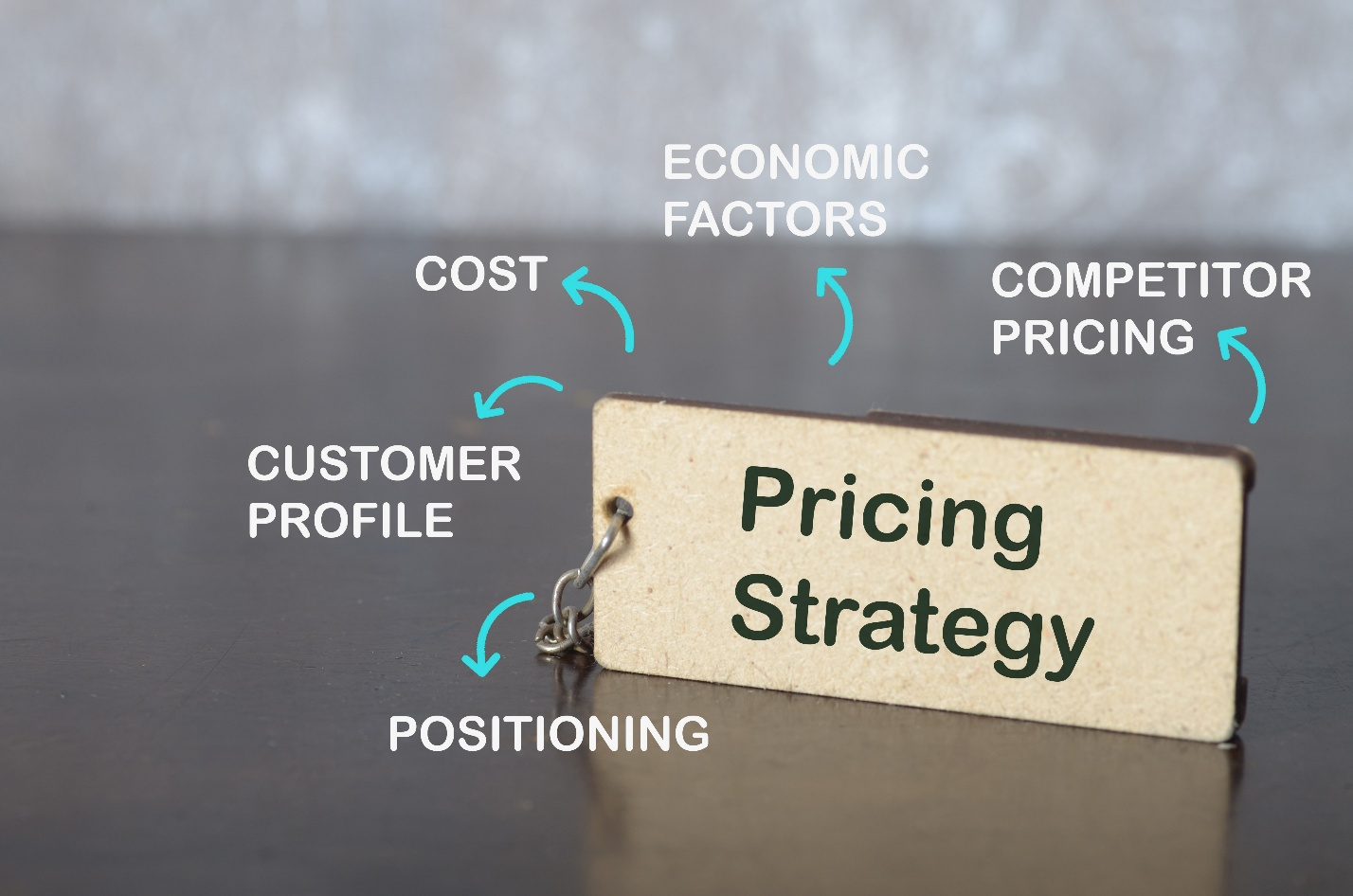
This approach may help turn a vague sense of “is this a good deal” into a concrete, comparable figure.
Practical Steps Before You Buy
A few consistent habits can protect a buyer in almost any purchasing situation.
- Request a full itemized breakdown of every charge before agreeing to anything.
- Ask directly whether any fees are negotiable or waivable.
- Compare total cost, not just monthly payment, when financing is involved.
- Research typical long-term ownership costs before committing.
- Take time before signing anything, especially when add-ons are introduced late in the process.
- Read financing terms carefully, including what happens if promotional conditions are not met.
Conclusion:
Paying Attention Can Pay Off
MSRP is a useful reference point, but it was never designed to represent the full cost of ownership. It reflects a manufacturer’s suggestion for a base price, set before taxes, fees, financing terms, add-ons, and long-term costs enter the picture. The gap between that suggested number and the true total cost is exactly where a buyer’s attention matters most.

Becoming a more informed buyer does not require special expertise. It requires a habit of asking for complete information, breaking down every layer of a transaction, and evaluating total cost rather than a single advertised figure. That habit, when applied consistently, may be one of the simplest and most effective ways to protect a budget and make a genuinely informed purchasing decision, regardless of what is being bought.
Try it for yourself and make a habit out of it. You may save a lot in the process.
Think back to the last big purchase you made — by the time you added taxes, fees, financing, and the costs of actually owning it, did you end up paying more than the price tag ever told you?
Join the conversation! Drop your thoughts in the comments below, and let’s keep the discussion going.
From Experience to insight : Transformational reads for the Strategic mind
Foundational readings for big shifts:
- How to Track Spending without Getting Overwhelmed
- The 7-Day Money Reset Plan: Take Back Control In Just One Week
- Are You Throwing Away $5,000 a Year on Food Waste Without Realizing It?
- The Real Cost of Owning a Big Home
- The Psychology of Spending: Why We Overspend and How to Stop It
- Mastering the Envelope Method

Author: Vaidya Selvan
Welcome to Make Money Unstoppable Personal Finance Made Simple, a blog born out of necessity, a space created from real-life experiences, hard-earned lessons, and a deep-seated desire to share what I wish someone had taught me or had known sooner.

Newsletter Invite
Want more real-world information on Money? Join my newsletter for practical tips, updates on my books, and strategies to help you build financial freedom on your terms.
Yes, the eBook is also free. Just drop in your email here to get instant access. ONE eBook per email.
The eBook is sent automatically and should arrive within minutes. Depending on your email provider, it may appear in your Spam or Promotions folder. While we don’t control its exact placement, you can be confident it has been dispatched and is waiting for you.
#FinancialFreedom #Newsletter #MoneyTips