


Best Ways to Improve Your Credit Score: Quickly and Safely
Introduction
A strong credit score is one of the most powerful tools in personal finance. It influences your ability to secure loans, rent property, qualify for credit cards, and even impacts insurance premiums. Whether you’re aiming to buy a home, refinance a loan, or simply gain better financial flexibility, knowing how to improve your credit score fast is essential.
This blog helps break down the most effective strategies to boost your credit score, avoid common mistakes, and maintain long-term credit health. No fluff, no personal anecdotes, just clear, practical advice designed to help you take control of your financial future.
Last Updated: March 16, 2025

Disclaimer:I am not a licensed financial advisor, financial planner, tax professional, or attorney. The information provided in this blog is for general informational and educational purposes only and should not be construed as professional advice. Always consult with a qualified expert before making financial, legal, or tax-related decisions.
What Is a Credit Score?
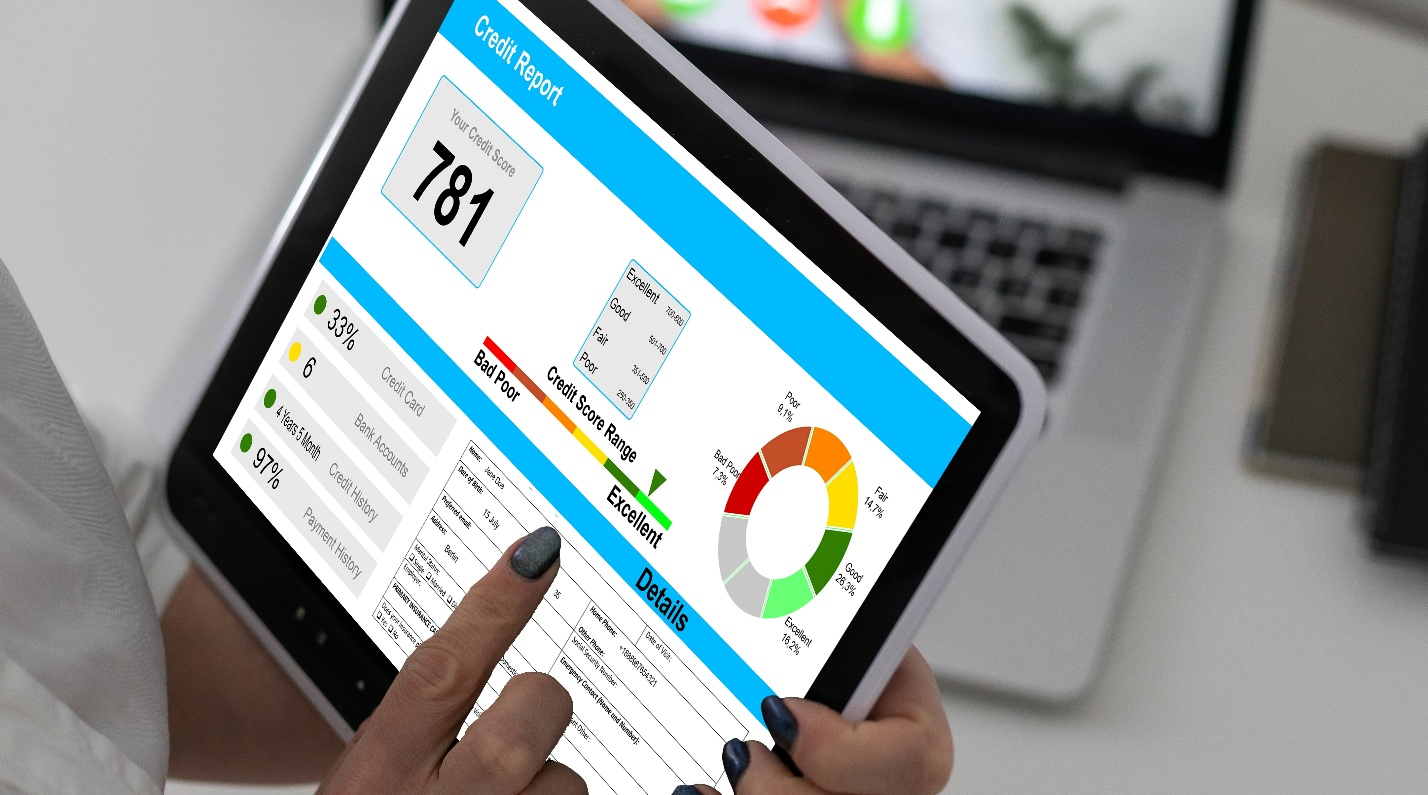
A credit score in the U.S. is a three-digit number that represents your creditworthiness. It’s calculated using your credit history and helps lenders assess the risk of lending you money. The most commonly used scoring models range from 300 to 850.
Credit Score Categories:
Score Range | Rating |
800–850 | Excellent |
740–799 | Very Good |
670–739 | Good |
580–669 | Fair |
300–579 | Poor |
The higher your score, the more favorable your financial options will be. A score above 700 is generally considered good, while scores above 800 are excellent.
Why Your Credit Score Matters
A high credit score can unlock better financial opportunities:
- Lower interest rates on loans and credit cards
- Easier approval for mortgages and rental applications
- Higher credit limits and better rewards
- Improved insurance premiums
- Enhanced negotiating power with lenders
Improving your credit score fast may help lead to immediate benefits and long-term financial stability.
Key Factors That May Influence Your Credit Score
Understanding what affects your score is the first step toward improving it:
- Payment History (35%)
- On-time payments are one of the most important factors.
- Late payments, defaults, and collections can negatively impact your score.
- Credit Utilization (30%)
- This is the ratio of your credit card balances to your credit limits.
- Keeping utilization below 30% is ideal; below 10% is even better.
Unlock your financial freedom.
Download this FREE eBook!.
How to make $100,000/month? Stop being average and think big.
Stop Settling. Start Scaling.
Unlock the mindset, systems, and strategies top earners use to build unstoppable income.
Think Bigger. Earn Smarter.
This free eBook serves as your blueprint for scaling quickly, earning relentlessly, not settling for mediocrity, and living life on your terms.
Inside, you’ll discover:
- The Millionaire Mindset Blueprint
- Income streams that run on autopilot
- Entrepreneur hacks for focus and financial dominance
- One strategy to launch multiple income streams
- How to break free from “just enough”
- Tools to crush limiting beliefs and build your empire
Average doesn’t scale. Vision does. Download now and start your $100K/month transformation.
Yes, this eBook is free. Just drop in your email here to get instant access. ONE eBook per email.
The eBook is sent automatically and should arrive within minutes. Depending on your email provider, it may appear in your Spam or Promotions folder. While we don’t control its exact placement, you can be confident it has been dispatched and is waiting for you.
PLUS: Get Access to exclusive financial tips, learn everything about money and get early blog updates – delivered directly to your inbox .

- Length of Credit History (15%)
- Older accounts contribute positively.
- Avoid closing long-standing accounts unless necessary. It may put a dent in your score.
- Credit Mix (10%)
- A variety of credit types: credit cards, installment loans, and mortgages can boost your score.
- New Credit Inquiries (10%)
- Hard inquiries from new applications can potentially lower your score temporarily.
- Multiple inquiries in a short period may signal risk to lenders.
How to Potentially Improve Your Credit Score Fast

- Paying Bills on Time
- Setting up automatic payments or calendar reminders.
- Prioritizing all bills to avoid late fees.
- Reducing Credit Card Balances
- Focusing on paying down high-interest cards first.
- Aiming to keep balances below 30% of your total credit limit.
- Requesting a Credit Limit Increase
- If approved, your utilization ratio improves instantly.
- Avoid increasing spending after the limit is raised.
- Disputing Errors on Your Credit Report
- Reviewing your credit report for inaccuracies.
- Filing disputes with credit bureaus to correct potential mistakes.
- Avoid Opening Multiple New Accounts
- Each application may trigger a hard inquiry.
- Space out applications and only apply when necessary.
- Using a Secured Credit Card
- Ideal for rebuilding credit.
- Requires a deposit but reports to credit bureaus like a regular card.

- Keeping Old Accounts Open
- Length of credit history matters.
- Even unused accounts may contribute positively.
How to Check Your Credit Score and Report
You’re supposedly entitled to one free credit report per year from each major credit bureau. Reviewing your report may help you:
- Identify errors
- Monitor progress
- Spot fraudulent activity
You should only use reputable platforms to check your score regularly without affecting it. Monitoring your credit may help you stay proactive and informed.

Long-Term Habits for Credit Health
Improving your score fast may be a great feat, but maintaining it is even better, but difficult. Here’s how to potentially build a long-lasting and strong credit score.
- Making Consistent Payments
- Your payment history is the foundation of a potentially strong score.
- Even small bills should be paid on time.
- Maintaining Low Credit Utilization
- Keep balances low relative to your limits.
- Pay off cards in full whenever possible.
- Diversifying Your Credit Types
- A mix of revolving and installment credit may show lenders of its responsible use.
- Avoid overextending yourself with too many accounts.

- Monitoring Your Credit Regularly
- Monitoring will cost you since it is not free.
- You may use alerts to track changes.
- Early detection of fraud or errors may help protect your score.
- Avoid Closing Accounts Prematurely
- Closing accounts can shorten your credit history, which could drop your score.
- Consider keeping older accounts open, even if unused.
Tools and Resources to Help You Improve Your Credit Score
Tool Type | Purpose |
Credit Monitoring Apps | Track score changes and alerts |
Budgeting Tools | Manage spending and payments |
Debt Payoff Calculators | Plan repayment strategies |
Financial Literacy Blogs | Learn tips and best practices |
These tools may help empower you to take control of your financial future and be on top of your credit-building habits.
Common Credit Mistakes to Avoid

Mistake 1: Ignoring Your Credit Report
- Errors can drag down your score.
- Review your credit report at least once a year.
Mistake 2: Maxing Out on Credit Cards
- High utilization may signal financial stress.
- Pay down balances in full each month to avoid paying interest.
Mistake 3: Closing Accounts Prematurely
- Reduces credit history length and may detrimentally affect your score.
- May increase the utilization ratio.
Mistake 4: Applying for Multiple Loans at Once
- This may trigger multiple hard inquiries.
- Makes you look desperate for credit.
Mistake 5: Missing Payments
- Even one missed payment may significantly lower your score.
- Set up reminders or auto-pay to stay on track.
How Long Does It Take to Improve Your Credit Score?
Action Taken | Estimated Impact Time |
Paying off credit cards | 30–60 days |
Correcting report errors | 30–45 days |
Making on-time payments | Ongoing improvement |
Opening new accounts | 3–6 months to stabilize |
These are just estimates and can vary from bureau to bureau. Consistency is key. Small steps when taken regularly may bring in big results.
Credit Score Optimization Tips
Tip 1: Using Credit Responsibly
- Borrow only what you can repay.
- Avoid impulse purchases and taking on unnecessary debt.
Tip 2: Staying Within Budget
- Track income and expenses.
- Allocate funds for debt repayment and savings regularly and make them on time.
Tip 3: Building Emergency Savings
- Helps avoid reliance on credit for unexpected expenses.
- Reduces financial stress and may protect your score.
Tip 4: Understanding Credit Terms
- Know your interest rates, due dates, and fees.
- Read the fine print before accepting any new credit offers.
Final Thoughts: Your Credit Score Is in Your Control
Improving your credit score quickly and safely is not only possible, but it’s practical. With the right habits and tools, you can take control of your financial reputation and unlock better opportunities for borrowing, renting, and even employment.
Your credit score is not a permanent label. It’s a dynamic reflection of your financial behavior. Every on-time payment, every reduced balance, and every smart credit decision may help contribute to a stronger score. Whether you’re recovering from past financial missteps or building credit from the ground up, the strategies outlined in this blog are designed to help you succeed.
Consistency is key. By staying informed, monitoring your progress, and making intentional choices, you may be able to raise your credit score quickly and safely, all while building a foundation for your long-term financial health.
From Experience to insight : Transformational reads for the Strategic mind
Foundational readings for big shifts:

Author: Vaidya Selvan
Welcome to Make Money Unstoppable Personal Finance Made Simple, a blog born out of necessity, a space created from real-life experiences, hard-earned lessons, and a deep-seated desire to share what I wish someone had taught me or had known sooner.

Newsletter Invite
Want more real-world information on Money? Join my newsletter for practical tips, updates on my books, and strategies to help you build financial freedom on your terms.
Yes, the eBook is also free. Just drop in your email here to get instant access. ONE eBook per email.
The eBook is sent automatically and should arrive within minutes. Depending on your email provider, it may appear in your Spam or Promotions folder. While we don’t control its exact placement, you can be confident it has been dispatched and is waiting for you.
#FinancialFreedom #Newsletter #MoneyTips
Like this blog?
Related Blogs