

Why We Spend More Than We Earn: The Real Reasons Behind Overspending, Debt, and Living Beyond Your Means
Understanding, Explaining, and Breaking the Overspending Cycle
Introduction
The Hidden Cycle of Spending Beyond Your Means
Last Updated: July 22, 2026

Disclaimer: I am not a licensed financial advisor, financial planner, tax professional, attorney, or employment consultant. The information provided in this blog is intended solely for general informational and educational purposes. This content should not be interpreted or construed as professional advice on financial, legal, tax, employment, or career matters. Always consult a qualified professional before making decisions that affect your personal situation. For transparency, some articles may include AI-assisted content. The idea is original and developed independently. All material is reviewed, edited, and approved before publication to ensure clarity and accuracy.
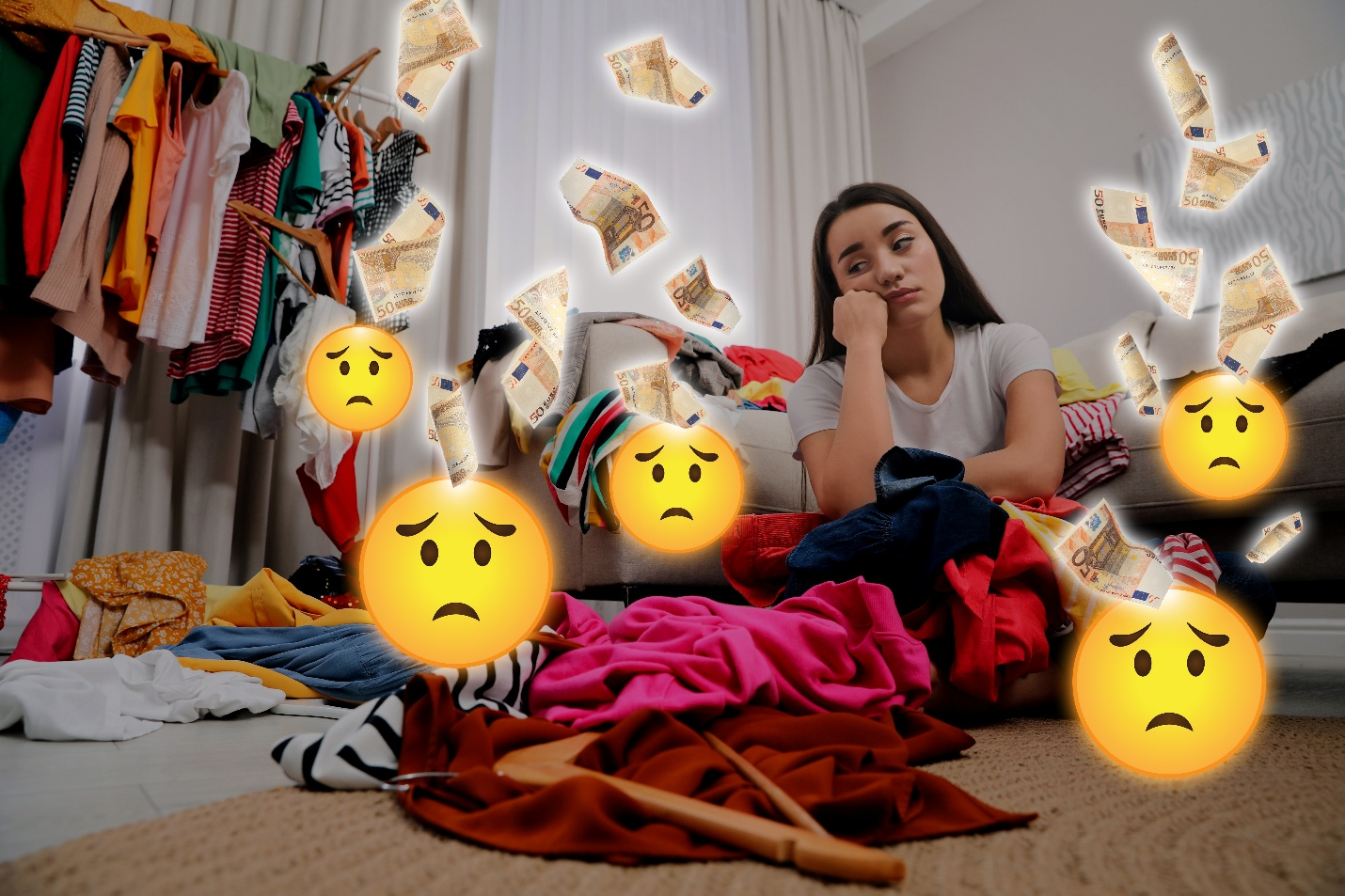
Many people earn a steady paycheck, budget with the best of intentions, and still watch their bank balance shrink lower with every passing month. Payday arrives, bills are paid, a few extra purchases slip in along the way, and somehow the money is gone long before the next paycheck lands. This pattern feels confusing, frustrating, and even shameful, especially when it seems like everyone else has their finances figured out. In reality, this cycle is far more common than most people are willing to admit out loud.
Overspending is rarely about laziness, poor willpower, or an inability to do basic math. It is something far more layered and human. It is shaped by psychology, everyday habits, cultural expectations, targeted marketing, and the financial systems and payment tools built into modern life. Every one of these forces works quietly in the background, nudging spending decisions long before logic or a budget spreadsheet ever gets a say.
Understanding why people spend more than they earn is the essential first step toward breaking free of the cycle. Once the pattern becomes visible, it becomes possible to interrupt it, redirect it, and eventually replace it with habits that foster stability rather than stress. This blog is designed to do exactly that. It helps break down the root causes of overspending, explores the emotional and social forces that quietly drive spending decisions, and lays out clear, practical, and actionable steps to spend less than you earn, build meaningful savings, and create lasting financial security.

This is not built on guilt, judgment, or the assumption that overspending reflects a personal failure. It is built on understanding, because understanding is what makes lasting change possible. Overspending is a learned behavior, shaped over years by habit and repetition, which means it can also be unlearned, retrained, and replaced with healthier financial patterns. Below is a complete, organized breakdown of the causes behind overspending, the consequences it creates over time, and the practical solutions that can help close the gap between income and spending. Each section stands on its own, so feel free to jump directly to the part most relevant to your situation.
Mastering Your Money: A Complete Breakdown of Overspending Habits and How to Fix Them
Table of Contents
- Understanding the Gap Between Income and Spending
- The Psychology Behind Overspending
- Social and Cultural Pressures That Drive Spending Habits
- The Role of Easy Credit and Digital Payments
- Lifestyle Inflation and the Upgrade Trap
- The Hidden Cost of Emotional Spending
- Practical Strategies to Spend Less Than You Earn
- Building Long-Term Financial Habits That Stick
- Taking Control: Your Path to Financial Balance

Unlock your financial freedom.
Download this FREE eBook!.
How to make $100,000/month? Stop being average and think big.
Stop Settling. Start Scaling.
Unlock the mindset, systems, and strategies top earners use to build unstoppable income.
Think Bigger. Earn Smarter.
This free eBook serves as your blueprint for scaling quickly, earning relentlessly, not settling for mediocrity, and living life on your terms.
Inside, you’ll discover:
- The Millionaire Mindset Blueprint
- Income streams that run on autopilot
- Entrepreneur hacks for focus and financial dominance
- One strategy to launch multiple income streams
- How to break free from “just enough”
- Tools to crush limiting beliefs and build your empire
Average doesn’t scale. Vision does. Download now and start your $100K/month transformation.
Yes, this eBook is free. Just drop in your email here to get instant access. ONE eBook per email.
The eBook is sent automatically and should arrive within minutes. Depending on your email provider, it may appear in your Spam or Promotions folder. While we don’t control its exact placement, you can be confident it has been dispatched and is waiting for you.
PLUS: Get Access to exclusive financial tips, learn everything about money and get early blog updates – delivered directly to your inbox .
1. Understanding the Gap Between Income and Spending
At its core, overspending happens when total spending exceeds total income over a given period. This sounds simple, but the causes behind that gap are layered and often invisible in daily life.
Key factors that widen the gap between income and spending may include:
- Irregular tracking of expenses, which makes small purchases add up unnoticed
- Fixed costs that grow faster than income, such as housing, insurance, and utilities
- Reliance on future incometo cover present-day purchases
- Underestimating recurring subscriptionand membership costs
- A lack of a clear, written budgetto compare income against actual spending
Many people believe they know where their money goes, but research on household spending consistently shows a mismatch between perceived spending and actual spending. This gap is often the first sign of a deeper spending pattern rather than a one-time mistake.

2. The Psychology Behind Overspending
Human brains are wired to seek reward, and spending money often triggers a small, immediate sense of pleasure. This reaction happens quickly, while the negative consequences of overspending appear much later. That delay makes it easy to prioritize short-term comfort over long-term financial health.
Common psychological drivers of overspending may include:
- Instant gratification bias, where immediate rewards feel more valuable than future benefits
- Stress relief spending, using purchases to cope with anxiety, boredom, or exhaustion
- Reward-based spending, treating a purchase as a deserved reward after a hard day or achievement
- Avoidance behavior, where checking account balances feels uncomfortable, so spending continues unchecked
- Optimism bias, assuming future income will be higher or expenses will be lower than they actually turn out to be
These patterns are not signs of weakness. They are deeply ingrained mental shortcuts that once helped humans survive scarcity, but now clash with modern financial systems built around convenience and constant access to spending.
3. Social and Cultural Pressures That Drive Spending Habits
Spending decisions rarely happen in isolation. The social environment plays a powerful role in shaping what people buy, how often they buy it, and how much they are willing to spend.
Cultural and social pressures that fuel overspending may include:
- Comparison with peers, leading to purchases meant to match or exceed the perceived lifestyle of others
- Celebration and gift-giving norms, which can create recurring high-cost obligations throughout the year
- Workplace and social status expectations, tying spending habits to perceived success
- Constant exposure to advertising, which normalizes frequent upgrades and new purchases
- Social media influence, where curated lifestyles create unrealistic spending benchmarks

These pressures are amplified by how visible spending has become. Public sharing of purchases, travel, and lifestyle choices creates a feedback loop that can push spending habits well beyond what income can sustainably support.
4. The Role of Easy Credit and Digital Payments
Modern payment systems are designed for speed and convenience, and that convenience often removes the natural friction that once made people pause before spending.
Ways that credit and digital payments may encourage overspending:
- One-click and tap-to-pay purchasesreduce the mental effort involved in spending
- Credit lines create an illusion of available money, even when that money is technically borrowed
- Buy-now-pay-later optionsbreak large purchases into smaller amounts that feel less significant
- Interest and fees compound quietly, making debt grow faster than many people realize
- Digital wallets separate spending from physical cash, reducing the psychological “pain of paying”
Research on payment methods consistently shows that people spend more when using cards or digital wallets compared to physical cash, simply because the transaction feels less tangible and less final.

5. Lifestyle Inflation and the Upgrade Trap
Lifestyle inflation happens when spending increases in step with rising income, leaving little or no additional money for savings. This is one of the most common and least discussed reasons people continue to live paycheck to paycheck, even as their earnings grow.
Common signs of lifestyle inflation may include:
- Upgrading housing or vehiclesshortly after receiving a raise or bonus
- Increasing discretionary spendingon dining, entertainment, and travel as income rises
- Adding new subscriptions or membershipswithout canceling old ones
- Feeling pressure to “keep up” with a new income bracketand its associated expectations
- Treating every raise as spendable incomerather than allocating part of it to savings or debt reduction

Without a deliberate plan, lifestyle inflation can silently erase the financial benefit of career growth, promotions, and income increases.
6. The Hidden Cost of Emotional Spending
Emotional spending refers to purchases driven by feelings rather than actual need. It is one of the most overlooked contributors to spending more than you earn because it often feels justified in the moment.
Patterns associated with emotional spending may include:
- Spending to cope with sadness, loneliness, or stress
- Spending to celebrate small wins, reinforcing a cycle of reward-based purchases
- Impulse buying triggered by boredom or downtime
- Retail therapy, using shopping as a temporary emotional escape
- Guilt-driven spending, overspending on others to compensate for unrelated feelings
Recognizing the emotional trigger behind a purchase, rather than the practical justification, is one of the most effective ways to interrupt this pattern before it repeats.
7. Practical Strategies to Spend Less Than You Earn
Breaking the cycle of overspending requires structure, awareness, and consistency. The following strategies may be widely used and supported by financial planning best practices.

Effective, practical strategies may include:
- Track every expense for at least one full monthto identify real spending patterns
- Create a zero-based budget, assigning every unit of income a specific purpose
- Use the needs-versus-wants frameworkbefore making non-essential purchases
- Set up automatic transfers to savingson payday, before spending begins
- Apply a waiting period(24 to 48 hours) before making non-essential purchases
- Limit the number of active subscriptionsand review them regularly
- Use cash or debit for discretionary spendingto reintroduce the psychological “pain of paying”
- Set specific, measurable savings goalsrather than vague intentions to “save more”
- Review recurring bills annuallyto renegotiate or cancel unnecessary costs
- Build a small emergency fund first, which reduces reliance on credit during unexpected expenses

8. Building Long-Term Financial Habits That Stick
Short-term fixes rarely solve long-term spending problems. Lasting change comes from building habits that operate automatically, reducing the need for constant willpower.
Long-term habits that support sustainable financial health may include:
- Automating savings and bill paymentsto remove manual decision-making
- Reviewing finances on a regular schedule, such as weekly or monthly
- Setting income-based spending percentagesfor needs, wants, and savings
- Building a support system, such as an accountability partner for financial goals
- Practicing mindful spending, pausing to ask whether a purchase aligns with long-term goals
- Adjusting the budget as income or circumstances change, rather than treating it as fixed forever
- Celebrating financial milestonesin low-cost, non-spending ways to reinforce positive behavior
Consistency, not perfection, is what makes these habits effective over time. Small, repeated actions compound into significant financial improvement.
Conclusion
Taking Control: Your Path to Financial Balance
Spending more than you earn is rarely about a single bad decision. It is the result of psychology, social pressure, financial systems, and daily habits working together, often without conscious awareness. Recognizing these forces is not about assigning blame. It is about gaining the clarity needed to make different choices going forward.
The path to financial balance is built through small, consistent actions: tracking spending honestly, understanding emotional triggers, resisting lifestyle inflation, and creating systems that automate good habits. None of these steps require dramatic sacrifice. They require awareness, structure, and patience.
Financial stability is not a single achievement but an ongoing practice. By applying the strategies outlined in this blog, tracking progress over time, and adjusting habits as circumstances change, it becomes possible to close the gap between income and spending, build meaningful savings, and create a foundation for long-term financial security.
What's the one spending habit you know is quietly working against your budget, and what's stopping you from changing it?
Join the conversation! Drop your thoughts in the comments below, and let’s keep the discussion going.
From Experience to insight : Transformational reads for the Strategic mind
Foundational readings for big shifts:
- How to Track Spending without Getting Overwhelmed
- The 7-Day Money Reset Plan: Take Back Control In Just One Week
- Are You Throwing Away $5,000 a Year on Food Waste Without Realizing It?
- The Real Cost of Owning a Big Home
- The Psychology of Spending: Why We Overspend and How to Stop It
- Mastering the Envelope Method
Author: Vaidya Selvan
Welcome to Make Money Unstoppable Personal Finance Made Simple, a blog born out of necessity, a space created from real-life experiences, hard-earned lessons, and a deep-seated desire to share what I wish someone had taught me or had known sooner.

Newsletter Invite
Want more real-world information on Money? Join my newsletter for practical tips, updates on my books, and strategies to help you build financial freedom on your terms.
Yes, the eBook is also free. Just drop in your email here to get instant access. ONE eBook per email.
The eBook is sent automatically and should arrive within minutes. Depending on your email provider, it may appear in your Spam or Promotions folder. While we don’t control its exact placement, you can be confident it has been dispatched and is waiting for you.
#FinancialFreedom #Newsletter #MoneyTips
Like this blog?
Related Blogs