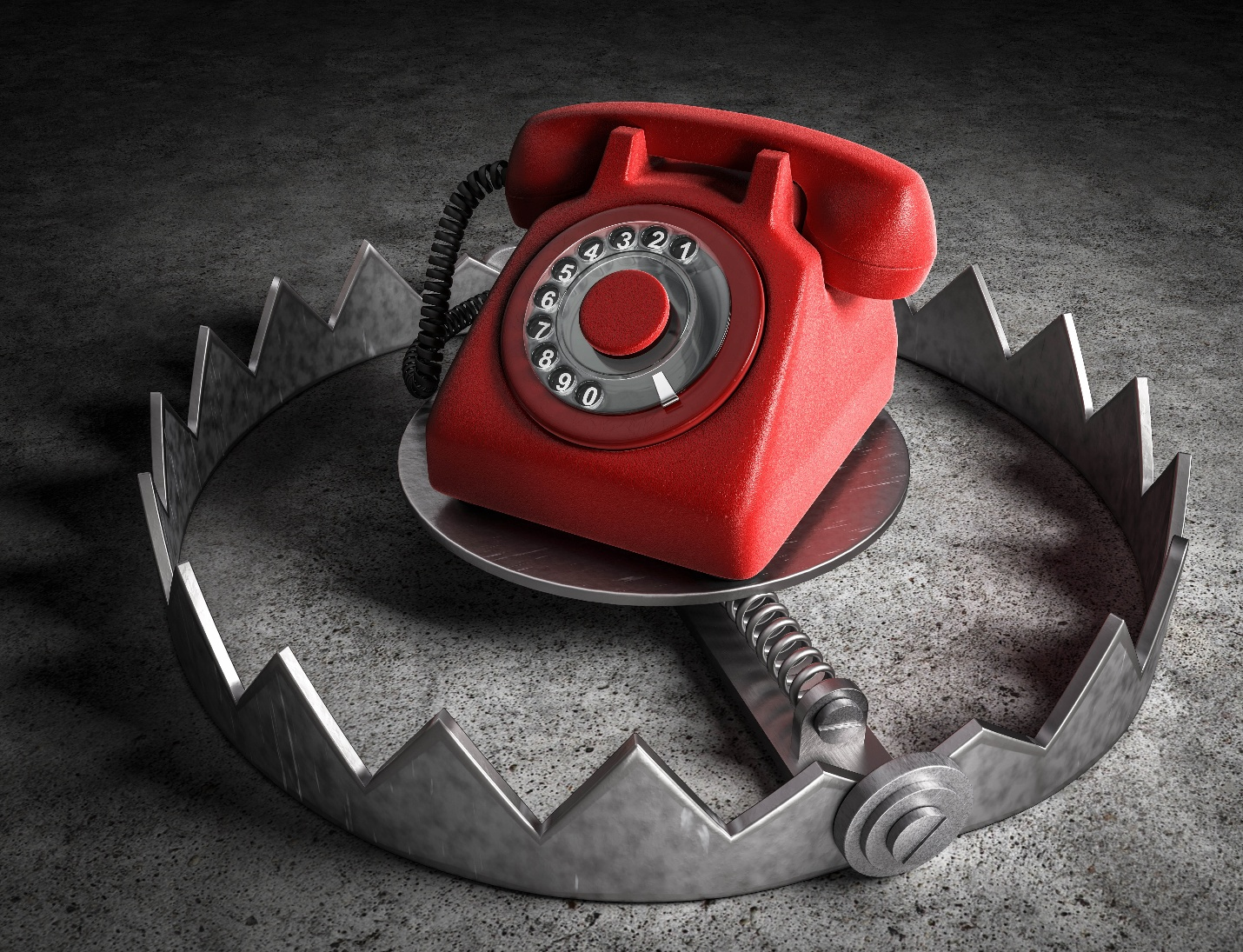


Buyer's Remorse Explained: Why That Sinking Feeling Hits After Every Purchase
Introduction
The Regret That Shows Up After the Receipt
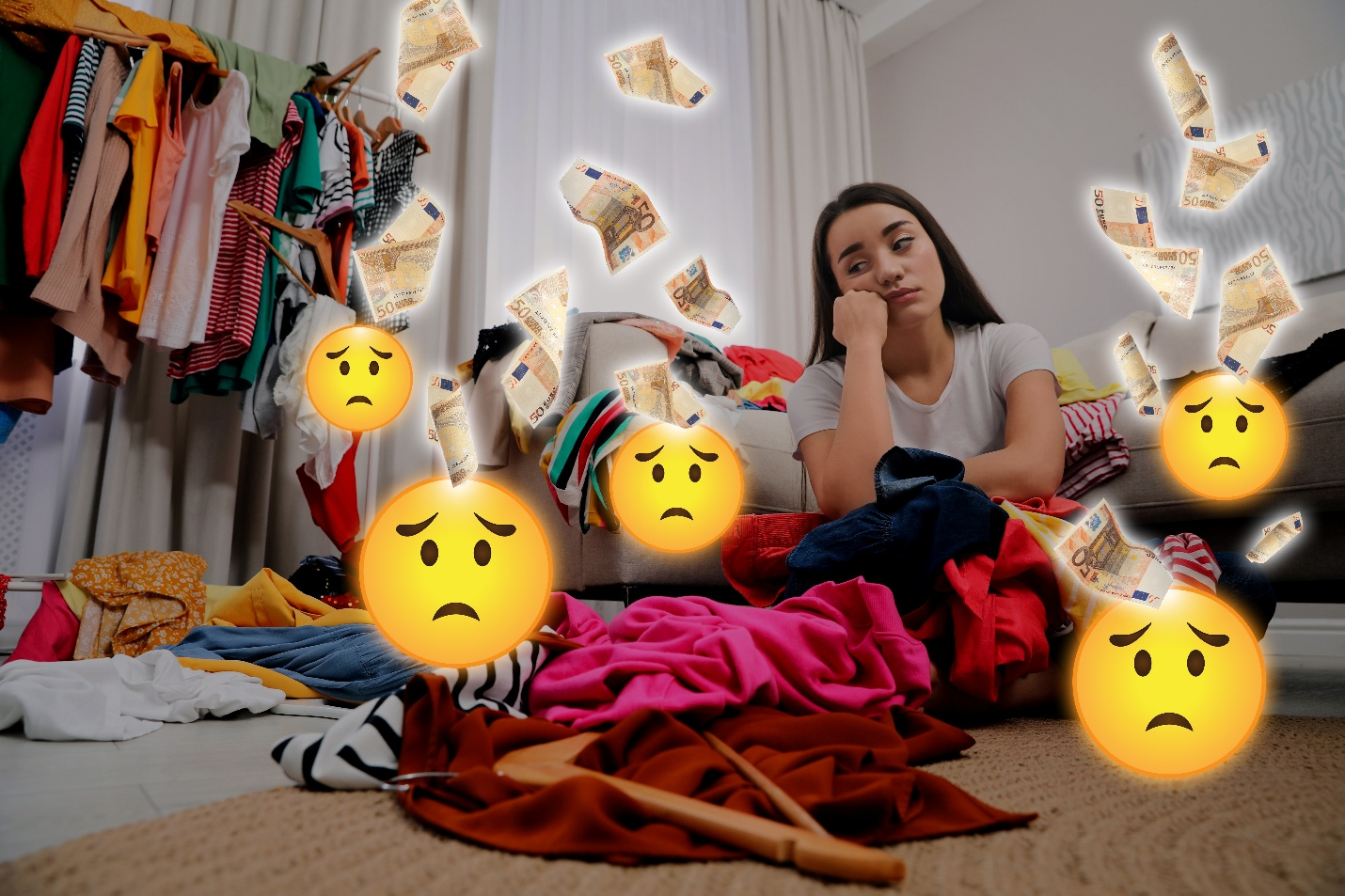
There is a particular kind of discomfort that arrives not before a purchase, but after it. The item is paid for, the transaction is complete, and yet instead of satisfaction, a wave of doubt, guilt, or anxiety sets in. This experience is widely known as buyer’s remorse, and it is one of the most common emotional reactions in consumer behavior. It can appear within minutes of a purchase or creep in slowly over the following days.
Last Updated: July 18, 2026
Disclaimer: I am not a licensed financial advisor, financial planner, tax professional, attorney, or employment consultant. The information provided in this blog is intended solely for general informational and educational purposes. This content should not be interpreted or construed as professional advice on financial, legal, tax, employment, or career matters. Always consult a qualified professional before making decisions that affect your personal situation. For transparency, some articles may include AI-assisted content. The idea is original and developed independently. All material is reviewed, edited, and approved before publication to ensure clarity and accuracy.
Buyer’s remorse is not simply about wasting money. It is a psychological response rooted in decision-making stress, self-doubt, and the way the human brain evaluates choices after they can no longer be changed. Once a decision is locked in, the mind often shifts from excitement about the choice made to anxious focus on the choices that were not made. This shift is uncomfortable, but it may also be completely normal and, in many cases, predictable.
Understanding why this feeling happens, what triggers it, and how to reduce it offers real value to anyone who spends money regularly, which is to say, nearly everyone. This blog will help explore the psychology behind post-purchase regret, break down its most common causes, and offer clear, practical strategies for preventing it before it starts and managing it when it does.

Complete Guide to Understanding and Preventing Buyer's Remorse

Table of Contents
- What Is Buyer’s Remorse?
- The Psychology Behind Post-Purchase Regret
- Common Triggers That Lead to Regret
- Types of Purchases Most Likely to Cause Remorse
- The Emotional and Financial Impact of Regret
- Practical Ways to Prevent Buyer’s Remorse Before Purchasing
- How to Cope with Regret After a Purchase Is Made
- Warning Signs of Chronic Buyer’s Remorse
- Conclusion: Turning Regret Into a Better Relationship with Spending
What Is Buyer's Remorse?
Buyer’s remorse is the feeling of regret, anxiety, or dissatisfaction that follows a purchase decision, especially one that felt significant, expensive, or rushed at the time it was made. It is a form of post-decision dissonance, meaning the discomfort a person feels when reality does not immediately match the expectations built up before committing.
Key features of buyer’s remorse may include:

- It can occur regardless of whether the purchase was objectively a good or bad decision.
- It may often intensify with the size of the financial commitment, though smaller purchases can trigger it too.
- It tends to spike shortly after the purchase and gradually fade, though it can also resurface later.
- It is closely tied to uncertainty about whether a better option existed elsewhere.
- It can affect confidence in future decision-making, not just the specific purchase involved.
Unlock your financial freedom.
Download this FREE eBook!.
How to make $100,000/month? Stop being average and think big.
Stop Settling. Start Scaling.
Unlock the mindset, systems, and strategies top earners use to build unstoppable income.
Think Bigger. Earn Smarter.
This free eBook serves as your blueprint for scaling quickly, earning relentlessly, not settling for mediocrity, and living life on your terms.
Inside, you’ll discover:
- The Millionaire Mindset Blueprint
- Income streams that run on autopilot
- Entrepreneur hacks for focus and financial dominance
- One strategy to launch multiple income streams
- How to break free from “just enough”
- Tools to crush limiting beliefs and build your empire
Average doesn’t scale. Vision does. Download now and start your $100K/month transformation.
Yes, this eBook is free. Just drop in your email here to get instant access. ONE eBook per email.
The eBook is sent automatically and should arrive within minutes. Depending on your email provider, it may appear in your Spam or Promotions folder. While we don’t control its exact placement, you can be confident it has been dispatched and is waiting for you.
PLUS: Get Access to exclusive financial tips, learn everything about money and get early blog updates – delivered directly to your inbox .
The Psychology Behind Post-Purchase Regret
Several overlapping psychological forces may contribute to this feeling, and understanding them helps explain why regret can appear even after a well-reasoned decision.
- Cognitive dissonance:When a purchase conflicts with a person’s self-image, budget goals, or prior values, the mind experiences discomfort until it can reconcile the conflict.
- Loss aversion:The brain tends to weigh the pain of a potential loss more heavily than the pleasure of an equivalent gain, making the money spent feel more significant than the benefit received.
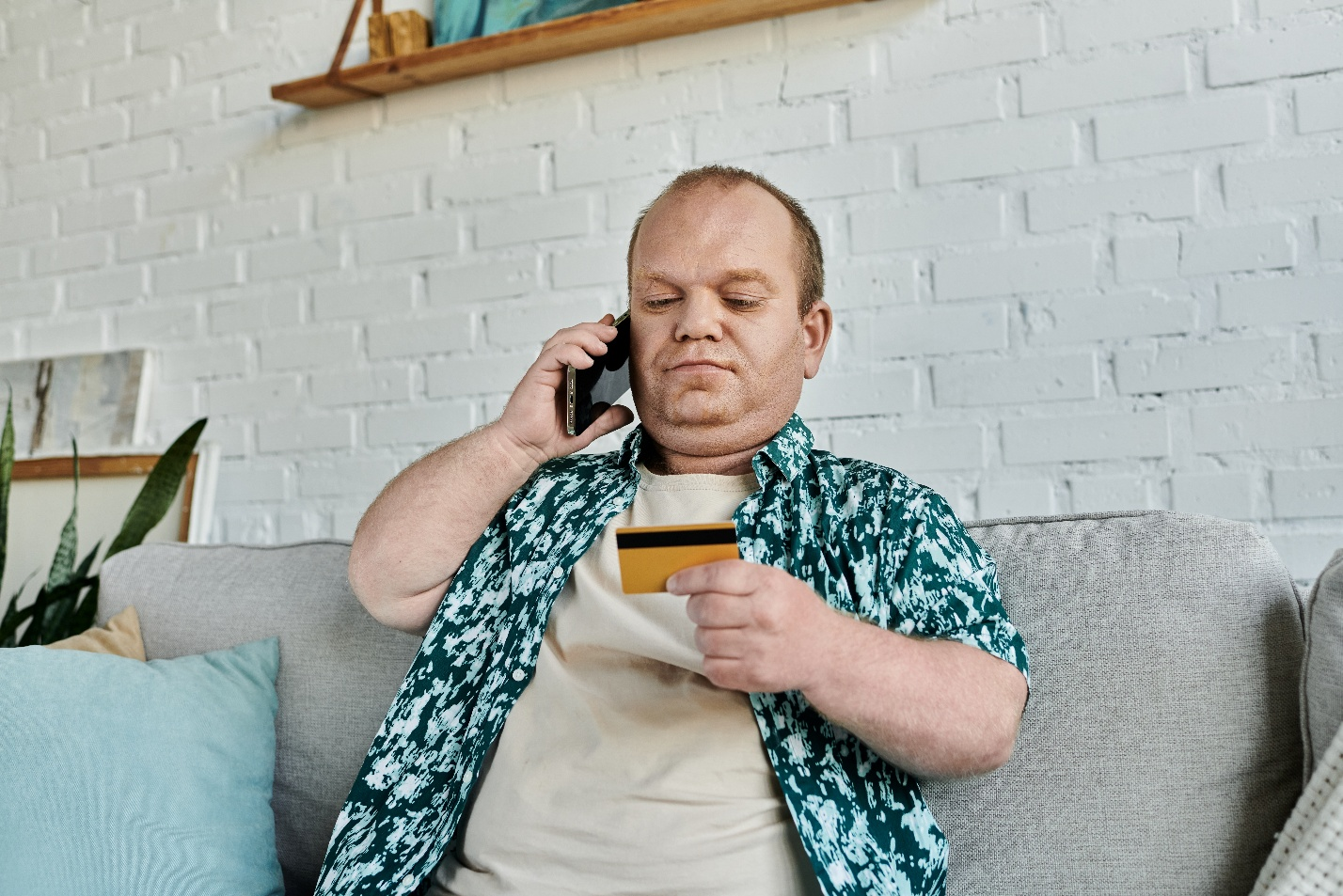
- The paradox of choice:When many alternatives exist, the mind fixates on what was given up rather than what was gained, fueling doubt about the final decision.
- Anticipation versus reality gap:Expectations built up before a purchase are often more idealized than the actual experience of ownership, creating a sense of letdown.
- Social comparison:Awareness of how a purchase might be judged by others can add pressure and second-guessing after the decision is final.
Common Triggers That Lead to Regret
Certain conditions may make buyer’s remorse more likely to occur, regardless of the specific item or service involved.
- Deciding under time pressure or during a limited-time offer.
- Purchasing while experiencing strong emotions, whether excitement, stress, sadness, or boredom.
- Comparing too many options at once, leading to decision fatigue.
- Feeling influenced by external pressure, such as persuasive messaging or social expectations.
- Spending beyond a previously set budget or financial comfort zone.
- Skipping research or comparison shopping before committing.
- Purchasing to fill an emotional gap rather than a practical need.

Types of Purchases Most Likely to Cause Remorse
While buyer’s remorse can follow any purchase, certain categories may be more prone to triggering it.
- High-cost purchases:Larger financial commitments naturally carry higher stakes and more opportunity for doubt.
- Impulse purchases:Decisions made quickly, without a cooling-off period, often lack the reflection needed to feel confident afterward.
- Purchases tied to identity or status:Items chosen to project an image can trigger regret if the emotional payoff fades faster than expected.
- Subscription-based commitments:Recurring costs can generate ongoing regret each billing cycle, rather than a single moment of doubt.
- Purchases made to match a trend:Decisions driven by short-term popularity often lose their appeal once the trend fades.
The Emotional and Financial Impact of Regret
Buyer’s remorse is not just an uncomfortable feeling; it can carry measurable consequences over time.
- It can lead to increased financial stress, particularly when regret is tied to overspending or debt.

- It can reduce trust in one’s own decision-making, making future choices feel more stressful than necessary.
- It can create a cycle of returns, exchanges, or repeat purchases in search of the “right” choice.
- It can contribute to broader anxiety around money and spending habits.
- It can strain relationships when purchases are shared or jointly financed.
Practical Ways to Prevent Buyer's Remorse Before Purchasing

Prevention is far more effective than managing regret after the fact. The following habits may help reduce the likelihood of post-purchase doubt.
- Set a clear budget in advance.Knowing a firm limit before browsing can reduce the chance of emotionally driven overspending.
- Build in a cooling-off period.Waiting even 24 hours before finalizing a significant purchase may allow emotional urgency to fade.
- Separate wants from needs.Clearly identifying the actual purpose of a purchase can help filter out impulsive additions.
- Limit the number of options considered.Comparing a smaller, curated set of choices can reduce decision fatigue and second-guessing.
- Avoid purchasing during heightened emotional states.Waiting until calm and clear-headed may lead to steadier decisions.
- Research thoroughly beforehand.Comparing value, alternatives, and typical costs can help build confidence that carries past the moment of purchase.
- Ask whether the purchase aligns with longer-term goals.Checking a decision against broader priorities can reduce the chance of later regret.
How to Cope with Regret After a Purchase Is Made
When buyer’s remorse does occur, certain strategies can ease the discomfort and prevent it from spiraling into ongoing anxiety.

- Acknowledge the feeling without judgment.Recognizing regret as a normal psychological response can help reduce its emotional intensity.
- Review the original reasoning behind the decision.Revisiting the practical reasons for the purchase can restore some confidence.
- Avoid making immediate follow-up purchases to compensate.Additional impulsive spending may often deepen regret rather than resolving it.
- Use the experience as data, not failure.Treating the moment as useful information for future decisions can remove unnecessary self-criticism.
- Consider return or exchange policies calmly.If genuinely dissatisfied, reviewing available options without panic can lead to clearer choices.
- Give the feeling time.Much post-purchase regret fades naturally within days as the mind adjusts to the decision.
Warning Signs of Chronic Buyer's Remorse
Occasional regret is normal, but a recurring pattern may signal something worth addressing more directly.
- Regret that appears after nearly every purchase, regardless of size or necessity.
- A repeated cycle of buying, returning, and buying again without resolution.
- Increasing anxiety or avoidance around spending decisions altogether.
- Persistent guilt that lingers well beyond the typical short-term adjustment period.
- Using purchases primarily to manage emotions, followed by consistent regret afterward.

Conclusion:
Turning Regret into a Better Relationship with Spending
Buyer’s remorse is one of the most common, and most human, reactions to the pressure of decision-making. It does not signal poor judgment or a lack of self-control; it reflects the natural tension between anticipation and reality, and between the option chosen and the many options left behind. Recognizing this as a predictable psychological pattern, rather than a personal failing, is the first step toward reducing its grip on you.
By building simple habits such as setting a budget in advance, allowing a cooling-off period, and reflecting on genuine needs versus fleeting wants, much of this regret can be prevented before it ever begins. When it does appear, treating it with patience rather than panic allows the feeling to pass naturally, while still offering useful insight for future decisions.
In the end, buyer’s remorse is not something to fear or eliminate. It is simply a signal, and once it is understood, it can become a tool. Used well, it can help guide steadier, more confident, and more intentional spending decisions moving forward.

After you buy something and feel that pang of doubt — is it because you made the wrong choice, or because your mind is naturally focused on everything you didn't choose?
Join the conversation! Drop your thoughts in the comments below, and let’s keep the discussion going.
From Experience to insight : Transformational reads for the Strategic mind
Foundational readings for big shifts:
- How to Track Spending without Getting Overwhelmed
- The 7-Day Money Reset Plan: Take Back Control In Just One Week
- Are You Throwing Away $5,000 a Year on Food Waste Without Realizing It?
- The Real Cost of Owning a Big Home
- The Psychology of Spending: Why We Overspend and How to Stop It
- Mastering the Envelope Method
Author: Vaidya Selvan
Welcome to Make Money Unstoppable Personal Finance Made Simple, a blog born out of necessity, a space created from real-life experiences, hard-earned lessons, and a deep-seated desire to share what I wish someone had taught me or had known sooner.

Newsletter Invite
Want more real-world information on Money? Join my newsletter for practical tips, updates on my books, and strategies to help you build financial freedom on your terms.
Yes, the eBook is also free. Just drop in your email here to get instant access. ONE eBook per email.
The eBook is sent automatically and should arrive within minutes. Depending on your email provider, it may appear in your Spam or Promotions folder. While we don’t control its exact placement, you can be confident it has been dispatched and is waiting for you.
#FinancialFreedom #Newsletter #MoneyTips
Like this blog?
Related Blogs