


The Psychological Anchor Point in Buying Decisions: How the First Price You See Controls What You Spend
Introduction
The Hidden Number That Quietly Shapes Every Purchase
Before a shopper ever reaches for a wallet, a card, or a checkout button, a single number has often already done most of the work. That number is called the psychological anchor point, and it is one of the most powerful forces in consumer decision-making. It is the first price, value, or reference figure a person sees, and it becomes the invisible ruler against which every later option is measured.
Last Updated: July 18, 2026

Disclaimer: I am not a licensed financial advisor, financial planner, tax professional, attorney, or employment consultant. The information provided in this blog is intended solely for general informational and educational purposes. This content should not be interpreted or construed as professional advice on financial, legal, tax, employment, or career matters. Always consult a qualified professional before making decisions that affect your personal situation. For transparency, some articles may include AI-assisted content. The idea is original and developed independently. All material is reviewed, edited, and approved before publication to ensure clarity and accuracy.
This mental shortcut is not a flaw limited to careless shoppers. It is a built-in feature of how the human brain processes numbers under uncertainty. When people are unsure of the “correct” or “fair” value of something, the mind does not calculate from scratch. Instead, it grabs onto the closest available reference point and adjusts up or down from there. That starting point is the anchor, and the adjustment away from it is almost always smaller than it should be.
Understanding this concept matters for two very different audiences. For buyers, recognizing the anchor point is a form of financial self-defense, helping them separate genuine value from manufactured perception. For sellers, marketers, and pricing strategists, the anchor point may form a foundational tool used to guide perception, shape willingness to pay, and increase the average value of a sale. This blog helps break down the psychology behind anchoring, explains why it works so reliably, and offers practical, actionable steps for using this knowledge wisely and ethically.

Complete Guide to the Psychology of Price Anchoring in Consumer Behavior
Table of Contents
- What Is a Psychological Anchor Point?
- The Cognitive Science Behind Anchoring Bias
- Common Types of Anchors Used in Pricing
- Why the Brain Struggles to Ignore an Anchor
- How Anchoring Influences Perceived Value
- Practical Ways Buyers Can Resist Anchoring Bias
- Ethical Ways Sellers Can Use Anchoring Responsibly
- Warning Signs of Manipulative Anchoring
- Conclusion: Turning Awareness into Smarter Decisions

What Is a Psychological Anchor Point?
A psychological anchor point is the first piece of numerical or value-based information a person encounters when evaluating a purchase decision. It could be a listed price, a suggested value, a comparison figure, or even an unrelated number seen a moment earlier. Once this figure enters the mind, it may thus become the reference frame for every judgment that follows.
Key characteristics of an anchor point may include:
- It is usually the firstnumber presented, giving it disproportionate influence.
- It does not need to be accurate, relevant, or even related to the product to have an effect.
- It sets a boundary that later numbers are judged against, rather than evaluated independently.
- It works even when a person is consciously aware that anchoring exists, which makes it especially persistent.
- It can be visual, verbal, or written, and still produce a measurable shift in perception.

Unlock your financial freedom.
Download this FREE eBook!.
How to make $100,000/month? Stop being average and think big.
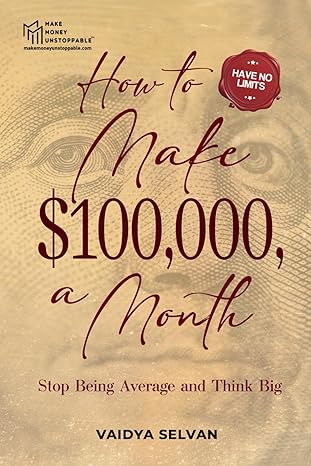
Stop Settling. Start Scaling.
Unlock the mindset, systems, and strategies top earners use to build unstoppable income.
Think Bigger. Earn Smarter.
This free eBook serves as your blueprint for scaling quickly, earning relentlessly, not settling for mediocrity, and living life on your terms.
Inside, you’ll discover:
- The Millionaire Mindset Blueprint
- Income streams that run on autopilot
- Entrepreneur hacks for focus and financial dominance
- One strategy to launch multiple income streams
- How to break free from “just enough”
- Tools to crush limiting beliefs and build your empire
Average doesn’t scale. Vision does. Download now and start your $100K/month transformation.
Yes, this eBook is free. Just drop in your email here to get instant access. ONE eBook per email.
The eBook is sent automatically and should arrive within minutes. Depending on your email provider, it may appear in your Spam or Promotions folder. While we don’t control its exact placement, you can be confident it has been dispatched and is waiting for you.
PLUS: Get Access to exclusive financial tips, learn everything about money and get early blog updates – delivered directly to your inbox .
The Cognitive Science Behind Anchoring Bias
Anchoring bias sits within a broader category of mental shortcuts known as heuristics. These shortcuts help the brain make fast decisions without exhausting mental energy on every choice. While efficient, they often trade accuracy for speed.
The process generally unfolds in three stages:
- Exposure:A number or value is presented, even briefly or indirectly.
- Anchoring:The mind unconsciously treats that number as a starting reference, regardless of its actual relevance.
- Adjustment:The person estimates the “true” value by moving away from the anchor, but this movement is typically too small, leaving the final judgment skewed toward the original figure.

Additional cognitive factors that strengthen this effect may include:
- Limited working memory, which makes it easier to lean on one fixed reference than to build an estimate from many data points.
- Time pressure, which reduces the mental effort available to question the anchor.
- Uncertainty about a fair or true price, which increases reliance on any available reference.
- Cognitive fatigue, which lowers a person’s ability to critically evaluate incoming numbers.
Common Types of Anchors Used in Pricing
Anchors appear in many forms across various buying environments. Recognizing the format helps in identifying when one is being used.
- Original price anchors:A higher “before” figure displayed next to a lower current figure, framing the second number as a discount.
- Premium tier anchors:A high-cost option listed first among several tiers, making mid-range tiers appear more reasonable by comparison.
- Suggested value anchors:A recommended or “typical” value presented before the actual offer, shaping expectations in advance.
- Bundled anchors:A combined total value shown before individual item pricing, making the individual price feel smaller.
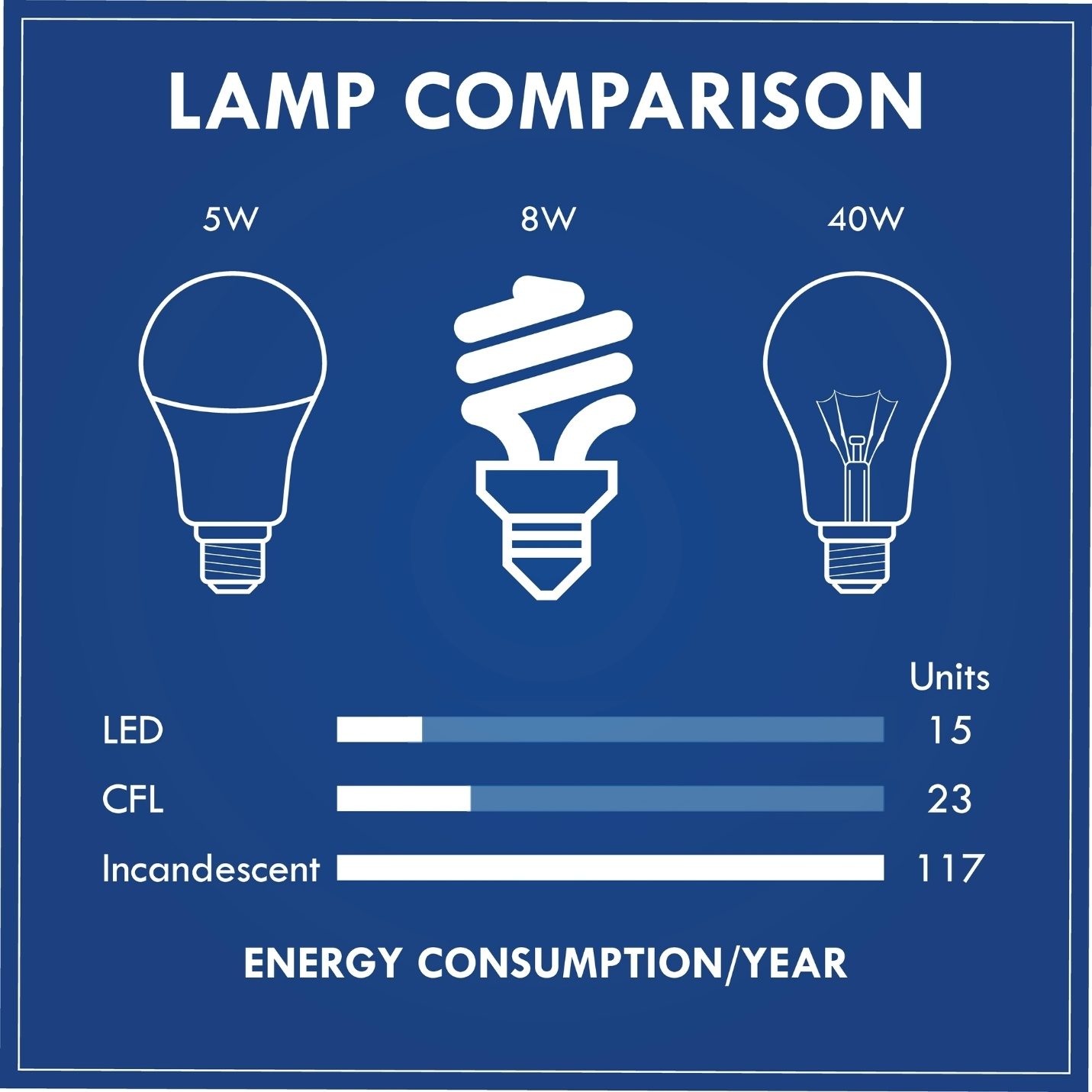
- Numeric priming anchors:An unrelated number, such as a quantity limit or a reference statistic, that subtly shifts numerical thinking before a price is even shown.
Time-based anchors: A cost broken into smaller recurring units, such as a daily or weekly figure, that feels smaller than the full total.
How Anchoring Influences Perceived Value
Once an anchor is set, it changes far more than a single number in someone’s head. It reshapes the entire framework used to judge whether an offer feels fair, generous, or excessive.
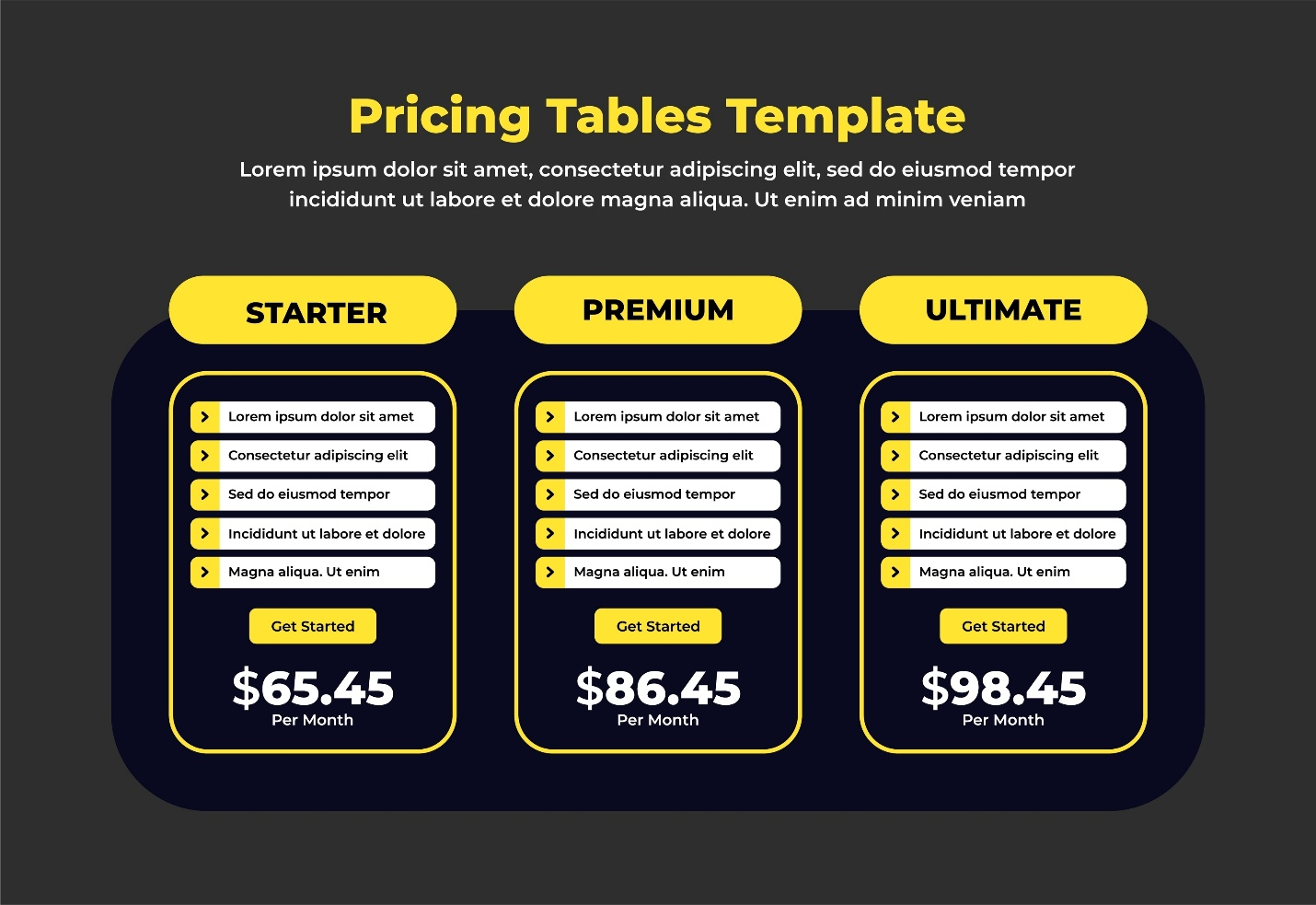
- It creates a reference point that makes any figure below it feel like a bargain, even if the lower figure is still overpriced.
- It compresses the perceived range of “reasonable” options, narrowing what feels acceptable to a band close to the anchor.
- It reduces the perceived need for further research, since the anchor gives a false sense that a fair comparison has already occurred.
- It can inflate the perceived quality of an item, since higher anchors are often unconsciously associated with higher value or prestige.
- It influences negotiation outcomes, since whoever states the first number often steers the entire discussion range.
Practical Ways Buyers Can Resist Anchoring Bias
Awareness alone reduces, but does not eliminate, the power of an anchor. Practical habits are far more effective at countering it.
- Set an independent budget before browsing.Decide on a target figure based on personal needs, not on any number seen in a listing.
- Research typical value ranges from multiple sources.Comparing several reference points weakens the grip of any single anchor.
- Ignore “original” or “suggested” figures entirely.Judge the current asking figure on its own merit, not as a discount from another number.
- Delay the decision.Stepping away, even briefly, reduces the emotional pull of the first number seen.
- Reframe the number.Break a total into functional terms, such as cost per use or cost per unit, to judge it independently of the anchor.
- Ask what the item would cost without any comparison shown.This mental exercise strips away the anchor’s influence.
- Watch for multiple anchors stacked together.Layered anchors, such as a high tier next to a bundled discount, compound the bias and require extra scrutiny.

Ethical Ways Sellers Can Use Anchoring Responsibly
Anchoring is not inherently deceptive. Used transparently, it can help people understand relative value and make faster, better-informed decisions.
- Present accurate comparison figures rather than inflated or invented reference numbers.
- Clearly disclose how a suggested value or original figure was determined.
- Offer genuinely distinct tiers with real differences in features, not artificial gaps designed only to manipulate perception.
- Avoid stacking multiple anchors in a way designed to overwhelm careful evaluation.
- Provide accessible, plain-language explanations of pricing structures so all customers, including those using assistive technology, can evaluate offers clearly and independently.

Warning Signs of Manipulative Anchoring
Some anchoring tactics cross the line from persuasion into manipulation. Buyers may benefit from learning to spot these patterns.
- A “before” figure that seems unrealistically high compared to typical value.
- Artificial scarcity paired with a high anchor, designed to rush a decision before it can be questioned.
- Tiers where the most expensive option may appear designed only to make the middle option look like the obvious choice.
- Vague or missing explanations for how a suggested value was calculated.
- Pressure language that discourages comparison shopping or independent research.
Conclusion:
Turning Awareness into Smarter Decisions
The psychological anchor point is not a trick reserved for the inattentive; it is a universal feature of how the human mind processes value under uncertainty. Every price, tier, and comparison figure a person encounters carry the potential to become a silent reference point, quietly steering perception long before a final decision is made.

The good news is that this influence is not irreversible. By understanding how anchors form, why they persist even when recognized, and which formats they most commonly take, buyers can gain a genuine tool for more independent and confident decision-making. Setting a budget in advance, gathering multiple points of comparison, and slowing down before committing are simple habits that consistently weaken the grip of an anchor.

For those on the selling side, this same knowledge offers a path toward pricing practices that are both effective and fair, built on transparency rather than manipulation. In the end, the psychological anchor point is simply a number. Its power comes only from the silence surrounding it, and that power fades the moment it is named, understood, and questioned.
Before you make your next purchase, ask yourself: is this price actually a good deal, or does it just look good next to the first number I saw — and have I checked other places to see what this exact item costs there?
Join the conversation! Drop your thoughts in the comments below, and let’s keep the discussion going.
From Experience to insight : Transformational reads for the Strategic mind
Foundational readings for big shifts:
- How to Track Spending without Getting Overwhelmed
- The 7-Day Money Reset Plan: Take Back Control In Just One Week
- Are You Throwing Away $5,000 a Year on Food Waste Without Realizing It?
- The Real Cost of Owning a Big Home
- The Psychology of Spending: Why We Overspend and How to Stop It
- Mastering the Envelope Method

Author: Vaidya Selvan
Welcome to Make Money Unstoppable Personal Finance Made Simple, a blog born out of necessity, a space created from real-life experiences, hard-earned lessons, and a deep-seated desire to share what I wish someone had taught me or had known sooner.

Newsletter Invite
Want more real-world information on Money? Join my newsletter for practical tips, updates on my books, and strategies to help you build financial freedom on your terms.
Yes, the eBook is also free. Just drop in your email here to get instant access. ONE eBook per email.
The eBook is sent automatically and should arrive within minutes. Depending on your email provider, it may appear in your Spam or Promotions folder. While we don’t control its exact placement, you can be confident it has been dispatched and is waiting for you.
#FinancialFreedom #Newsletter #MoneyTips
Like this blog?
Related Blogs