


How Much Is Your Time Worth? Calculating the True Dollar Value of 8 Hours of Your Day
Complete Guide to Understanding, Calculating, and Maximizing the Value of Your Time
Introduction
The Real Price Tag on Your Workday
Last Updated: July 24, 2026

Disclaimer: I am not a licensed financial advisor, financial planner, tax professional, attorney, or employment consultant. The information provided in this blog is intended solely for general informational and educational purposes. This content should not be interpreted or construed as professional advice on financial, legal, tax, employment, or career matters. Always consult a qualified professional before making decisions that affect your personal situation. For transparency, some articles may include AI-assisted content. The idea is original and developed independently. All material is reviewed, edited, and approved before publication to ensure clarity and accuracy.
Most people know their salary, their hourly wage, or their monthly income down to the last figure. Ask almost anyone what they earn in a year, and they can answer instantly. Yet far fewer people have ever stopped to calculate what a single eight-hour block of their day is actually worth once every cost, trade-off, and hidden expense is factored in. Time feels invisible in a way that money does not. It cannot be seen accumulating in an account, it does not arrive with a statement at the end of the month, and it rarely gets tracked with the same discipline applied to spending or saving. Because of this, it becomes remarkably easy to move through an entire eight-hour stretch without ever pausing to ask what those hours truly cost, or what they could have earned or produced instead.

Putting a real, calculated number on your time changes the way decisions get made. It changes how a job offer gets evaluated, since a higher salary attached to significantly longer hours may actually represent a lower true hourly value. It changes how the decision to take on extra work gets weighed, since additional income only tells part of the story until it is measured against the additional hours required to earn it. It changes how commuting gets viewed, since time spent traveling to and from work is time that carries a real cost even though no direct payment is attached to it. It even changes how an unpaid task around the house or in daily life gets handled, since knowing the dollar value of an hour makes it far easier to decide whether a task is worth doing personally or worth paying someone else to complete. Once time carries a visible price tag, spending it stops being an automatic habit and becomes a conscious, deliberate choice.
This blog walks through exactly how to calculate the value of eight hours of your day, starting with a simple baseline formula and building toward a far more complete and more realistic figure. It explores the hidden factors that quietly raise or lower that value, many of which never appear on a pay stub or contract. It also lays out practical, usable strategies that can be applied immediately to protect and increase the worth of your time going forward. The goal is not to turn every hour of life into a transaction or to create pressure around how time is spent. The goal is to build enough awareness that time gets spent with intention, rather than by default, habit, or convenience. Below is a complete, organized breakdown of the concepts, the calculations, and the strategies, structured so it is easy to move directly to the section most relevant and useful to your own situation.
The Value of Time: A Complete Guide to Calculating and Protecting Your Hourly Worth

Table of Contents
- Why Most People Underestimate the Value of Their Time
- How to Calculate What 8 Hours of Your Day Is Actually Worth
- Hidden Costs That Quietly Lower the Value of Your Time
- Hidden Factors That Can Raise the Value of Your Time
- The Opportunity Cost of How You Spend Your Day
- Time Value in Decision-Making
- Practical Strategies to Increase the Worth of Your Hours
- Protecting Your Time Like a Financial Asset
- Making Every Hour Count: A Final Word on Time and Value
Unlock your financial freedom.
Download this FREE eBook!.
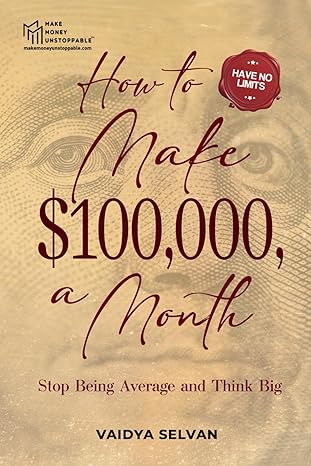
How to make $100,000/month? Stop being average and think big.
Stop Settling. Start Scaling.
Unlock the mindset, systems, and strategies top earners use to build unstoppable income.
Think Bigger. Earn Smarter.
This free eBook serves as your blueprint for scaling quickly, earning relentlessly, not settling for mediocrity, and living life on your terms.
Inside, you’ll discover:
- The Millionaire Mindset Blueprint
- Income streams that run on autopilot
- Entrepreneur hacks for focus and financial dominance
- One strategy to launch multiple income streams
- How to break free from “just enough”
- Tools to crush limiting beliefs and build your empire
Average doesn’t scale. Vision does. Download now and start your $100K/month transformation.
Yes, this eBook is free. Just drop in your email here to get instant access. ONE eBook per email.
The eBook is sent automatically and should arrive within minutes. Depending on your email provider, it may appear in your Spam or Promotions folder. While we don’t control its exact placement, you can be confident it has been dispatched and is waiting for you.
PLUS: Get Access to exclusive financial tips, learn everything about money and get early blog updates – delivered directly to your inbox .
1. Why Most People Underestimate the Value of Their Time
Time and money are treated very differently in daily life, even though both are limited resources. Money is tracked, budgeted, and reviewed regularly, while time is often spent automatically, without any similar accounting.
Reasons people consistently undervalue their time may include:
- Salaries are usually quoted annually or monthly, which may hide the true hourly rate behind the number
- Unpaid tasks feel “free”simply because no invoice or bill is attached to them
- Time spent commuting, waiting, or multitasking is rarely countedas part of the total cost of working
- Culture often glorifies busyness, making constant activity look valuable even when it produces little return
- There is no visible balance or receipt for time, unlike a bank account that shows exactly what is gained or lost

Because time does not come with a running total the way money does, it becomes easy to spend hours on low-value activities without ever noticing the true cost.
2. How to Calculate What 8 Hours of Your Day Is Actually Worth
Calculating the value of a workday starts with a simple formula, but the accuracy of it improves significantly once additional factors are added in.
The basic calculation may include:
- Start with annual incomeand divide it by the number of working days in a year
- Divide that daily figure by 8to find a baseline hourly value
- Adjust for actual hours worked, since many people may work more than eight hours without additional pay
- Factor in unpaid overtime, which may lower the true hourly value even when the salary stays the same
- Include work-related costs, such as transportation, required equipment, wardrobe, lunch, tolls, parking, or professional expenses, and subtract them from the total

A more complete calculation may also consider:
- Time spent preparing for work, such as getting ready or traveling to a work location
- Time spent decompressing after work, which may often be a direct result of job-related stress
- Taxes and deductions, since take-home value is different from gross income
- Benefits and non-salary compensation, which may add real value beyond the base hourly figure
Once these factors are included, the “true” value of eight hours is often noticeably different from the number most people assume.
3. Hidden Costs That Quietly Lower the Value of Your Time
Several everyday factors may reduce the effective value of a workday without ever appearing on a pay stub.
Common hidden costs may include:
- Commuting time, which may extend the workday without adding to income
- Mandatory unpaid breaks or administrative tasksthat may consume time without direct output
- Work-related stress and fatigue, which may reduce the value of personal time outside of work
- Costs of maintaining a professional appearance or required materials
- Time lost to inefficient meetings, unclear instructions, or repeated tasks
- Health impacts from long hours, which can create additional costs over time that may usually be hidden and may even appear later in life

These hidden costs mean that two people with identical salaries can have very different true hourly values, depending on how much of their day is consumed by unpaid or unproductive time.
4. Hidden Factors That Can Raise the Value of Your Time
Just as some factors may lower the value of a workday, others can increase it in ways that are not always obvious.
Factors that can raise the true value of your time may include:
- Flexible scheduling, which may help reduce wasted time and increase control over the day
- Remote or hybrid work arrangements, which can cut commuting time significantly
- Skills that are in high demand, increasing earning potential per hour worked
- Efficient systems and toolsthat can help reduce the time needed to complete tasks

- Strong boundaries around work hours, which may protect personal time from being absorbed into work
- Opportunities for advancement or higher-value tasksincorporated within the same working hours
Recognizing these factors can make it possible to actively increase the value of a workday, rather than simply accepting whatever the current arrangement provides.
5. The Opportunity Cost of How You Spend Your Day
Every hour spent on one activity is an hour that cannot be spent on something else. This concept, known as opportunity cost, is central to understanding the true value of time.
Ways opportunity cost applies to daily time use may include:
- Choosing overtime workmay increase income but can reduce time available for rest, skill-building, or personal responsibilities
- Spending hours on low-value taskscan prevent that same time from being used on higher-value activities

- Time spent commutingcould otherwise be used for income-generating work, rest, or personal development
- Unpaid tasks that could be delegatedmay consume hours that could otherwise be spent on higher-value work
- Time spent in unproductive routinesmay carry a real cost, even when no money changes hands directly
Viewing time through the lens of opportunity cost can help highlight decisions that may look free but may actually carry a significant hidden price.
6. Time Value in Decision-Making
Once the value of a workday is calculated, it can become a useful tool for evaluating everyday decisions, not just work-related ones.
Ways to apply time value to decision-making may include:
- Comparing the cost of doing a task yourself versus paying someone else, based on your calculated hourly value
- Evaluating whether a longer commute is worth the trade-offin time and energy
- Assessing whether taking on extra unpaid responsibilitiesaligns with the true value of your time
- Deciding whether to pursue additional education or training, based on long-term time and income return
- Weighing convenience purchases, such as services that save time, against their cost

This kind of decision-making does not mean every choice should be reduced to a dollar figure, but having a clear number available makes trade-offs easier to evaluate honestly.
7. Practical Strategies to Increase the Worth of Your Hours
Increasing the value of a workday may be possible through deliberate, practical changes rather than working more hours.
Effective strategies may include:
- Track how your time is actually spentfor at least one full week to identify low-value activities
- You may choose to identify and reduce time spent on repetitive, low-return tasks
- Negotiate for flexible or remote work arrangementswhere possible, to help reduce time lost to commuting
- Invest in skills that can increase hourly earning potentialover time
- Batch similar tasks togetherto reduce time lost to switching between different types of work
- Set clear boundaries on work hoursto prevent unpaid time from being absorbed into the workday
- Automate or delegate tasksthat cost more in time than they are worth
- Review your calculated hourly value periodicallyand adjust habits as circumstances change

8. Protecting Your Time Like a Financial Asset
Time, like money, can be protected, invested, or wasted. Treating it with the same seriousness as a financial asset can lead to better long-term outcomes.
Ways to protect the value of your time may include:
- Saying no to low-value commitmentsthat do not align with personal or professional goals
- Building routines that can reduce decision fatigue, freeing up mental energy for higher-value tasks
- Avoiding multitasking on important work, since divided attention can often reduce overall output
- Scheduling regular breaks, which can protect your long-term productivity and time value
- Reassessing recurring commitments periodicallyto confirm they still provide a fair return on time invested
Treating time as a limited, valuable resource, rather than something endlessly available, can help encourage more intentional and sustainable daily choices.

Conclusion
Making Every Hour Count: A Final Word on Time and Value
Every day offers the same fixed amount of time, regardless of income, job title, or circumstances. What changes is how that time is spent, protected, and valued. Calculating the true worth of eight hours of your day may bring hidden costs into full view, turning an abstract sense of “being busy” into a clear, measurable number.
This awareness is not about placing a price on every moment of life. It is about making informed choices, recognizing when time is being spent well, and identifying when it is quietly being lost to low-value activities, hidden costs, or unclear priorities. Once the true value of time becomes visible, it becomes far easier to protect it, invest it wisely, and use it in ways that align with both financial goals and overall well-being.

Time, much like money, grows in value when it is managed with intention. By calculating its worth, recognizing the factors that raise or lower it, and applying practical strategies to protect it, it becomes possible to build a daily routine where both time and money work together, rather than one being sacrificed for the other.
If you calculated the true hourly value of your day right now, hidden costs and all, would it change how you will spend your time tomorrow?
Join the conversation! Drop your thoughts in the comments below, and let’s keep the discussion going.
From Experience to insight : Transformational reads for the Strategic mind
Foundational readings for big shifts:
- How to Track Spending without Getting Overwhelmed
- The 7-Day Money Reset Plan: Take Back Control In Just One Week
- Are You Throwing Away $5,000 a Year on Food Waste Without Realizing It?
- The Real Cost of Owning a Big Home
- The Psychology of Spending: Why We Overspend and How to Stop It
- Mastering the Envelope Method
Author: Vaidya Selvan
Welcome to Make Money Unstoppable Personal Finance Made Simple, a blog born out of necessity, a space created from real-life experiences, hard-earned lessons, and a deep-seated desire to share what I wish someone had taught me or had known sooner.

Newsletter Invite
Want more real-world information on Money? Join my newsletter for practical tips, updates on my books, and strategies to help you build financial freedom on your terms.
Yes, the eBook is also free. Just drop in your email here to get instant access. ONE eBook per email.
The eBook is sent automatically and should arrive within minutes. Depending on your email provider, it may appear in your Spam or Promotions folder. While we don’t control its exact placement, you can be confident it has been dispatched and is waiting for you.
#FinancialFreedom #Newsletter #MoneyTips
Like this blog?
Related Blogs