


Simple Budgeting Made Easy: Practical Money Management Tips for Everyone
Introduction
Taking Control of Your Money Starts with One Simple Plan
Managing money does not have to feel complicated, stressful, or overwhelming. Budgeting is often seen as a chore reserved for financial experts or people with complicated spreadsheets, but in reality, budgeting is simply a plan for how money comes in and how it goes out. Anyone, regardless of income level, can build a budget that works for their own life.
Last Updated: August 1, 2026

Disclaimer: I am not a licensed financial advisor, financial planner, tax professional, attorney, or employment consultant. The information provided in this blog is intended solely for general informational and educational purposes. This content should not be interpreted or construed as professional advice on financial, legal, tax, employment, or career matters. Always consult a qualified professional before making decisions that affect your personal situation. For transparency, some articles may include AI-assisted content. The idea is original and developed independently. All material is reviewed, edited, and approved before publication to ensure clarity and accuracy.
This blog helps break down the basics of practical, simple budgeting in plain language. You will learn what a budget really is, why it matters, and how to build one step by step without feeling overwhelmed by numbers or financial jargon. Whether you are trying to save more, spend less, pay down debt, or simply understand where your money goes each month, budgeting is the foundation that makes all of those goals achievable. It is your visual blueprint to see where you stand.

Budgeting is not about restriction or deprivation. It is about awareness, planning, and giving every dollar a purpose. With the right approach, budgeting can help reduce financial stress, build savings, and create a stronger sense of control over your financial future. This blog offers clear, practical, and easy-to-follow guidance for building and maintaining a budget that fits your life, no matter your income, goals, or experience level with personal finance, even if you are just starting out.
Practical and Simple Budgeting for Everyone
Table of Contents
- What Budgeting Really Means
- Why Budgeting Matters for Everyone
- The Core Building Blocks of a Simple Budget
- Step-by-Step: How to Create a Budget That Works
- Common Budgeting Methods to Choose From
- Practical Tips for Sticking to Your Budget
- How to Handle Unexpected Expenses Without Breaking Your Budget
- Building Long-Term Financial Habits Through Budgeting
- Conclusion: Take Charge of Your Finances Starting Today
Unlock your financial freedom.
Download this FREE eBook!.
How to make $100,000/month? Stop being average and think big.
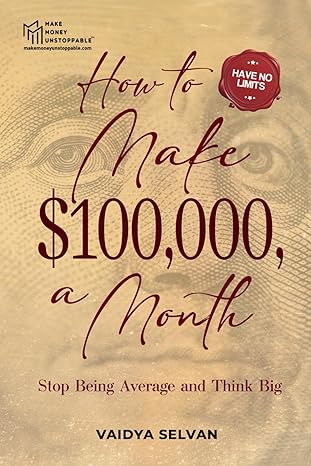
Stop Settling. Start Scaling.
Unlock the mindset, systems, and strategies top earners use to build unstoppable income.
Think Bigger. Earn Smarter.
This free eBook serves as your blueprint for scaling quickly, earning relentlessly, not settling for mediocrity, and living life on your terms.
Inside, you’ll discover:
- The Millionaire Mindset Blueprint
- Income streams that run on autopilot
- Entrepreneur hacks for focus and financial dominance
- One strategy to launch multiple income streams
- How to break free from “just enough”
- Tools to crush limiting beliefs and build your empire
Average doesn’t scale. Vision does. Download now and start your $100K/month transformation.
Yes, this eBook is free. Just drop in your email here to get instant access. ONE eBook per email.
The eBook is sent automatically and should arrive within minutes. Depending on your email provider, it may appear in your Spam or Promotions folder. While we don’t control its exact placement, you can be confident it has been dispatched and is waiting for you.
PLUS: Get Access to exclusive financial tips, learn everything about money and get early blog updates – delivered directly to your inbox .
1. What Budgeting Really Means
At its core, a budget is simply a plan that outlines how much money is coming in and how that money will be used up. It is not a punishment or a restriction. It is a tool that gives you clarity and control over your finances.
Key ideas behind budgeting may include:
- A budget tracks income and expenses over a set period of time
- It helps identify where money is being spent
- It creates a plan for saving, spending, and paying down debt
- It gives every dollar a specific purpose
- It can be adjusted as income or expenses change
- It works for any income level, from very limited to very high
Budgeting is less about strict rules and more about informed decision-making with your money.
2. Why Budgeting Matters for Everyone
Regardless of income, age, or financial goals, budgeting offers real, practical benefits. It may be one of the most effective tools for building financial stability and reducing money-related stress.

Reasons budgeting matters:
- It can help reduce financial stress by creating clarity and predictability
- It helps prevent overspending and unnecessary debt
- It can support long-term savings goals
- It creates a clear picture of financial health at any given time
- It helps identify wasteful or unnecessary spending habits
- It helps build confidence in making financial decisions
- It supports better preparation for emergencies and unexpected costs
- It allows for more intentional spending on things that truly matter
Without a budget, it becomes far easier to lose track of spending, which can quietly lead to financial strain over time.
3. The Core Building Blocks of a Simple Budget
Every budget, no matter how simple or detailed, is built from a few essential components. Understanding these building blocks makes it easier to create a budget that actually works.
Core components of a budget may include:
- Total income, including all sources of earnings
- Fixed expenses, such as recurring bills and required payments
- Variable expenses, such as everyday spending that changes month to month
- Savings goals, both short-term and long-term
- Debt payments, if applicable
- An emergency fund allocation
- Discretionary spending for non-essential items

Understanding these categories can help break down a large, complex topic like personal finance into smaller, manageable pieces. Small bites you can chew easily.
4. Step-by-Step: How to Create a Budget That Works
Creating a budget does not need to be complicated. A simple, structured approach can make the process much easier to follow and maintain.
Steps to build a practical budget:
- Calculate total monthly income from all sources
- List all fixed expenses that must be paid each month
- Track variable expenses over a full month to understand spending patterns
- Set clear, realistic savings goals
- Assign a specific amount to each spending category
- Compare total expenses to total income to ensure balance
- Adjust categories as needed to avoid overspending
- Review and update the budget regularly, especially after major income or expense changes

Following these steps in order can help create a clear, organized foundation that can be adjusted and improved over time.
5. Common Budgeting Methods to Choose From
There is no single correct way to budget. Different methods work better for different personalities, income levels, and financial goals. Choosing the right method can make budgeting feel more natural and sustainable.
Popular budgeting approaches may include:
- Percentage-based budgeting, which divides income into broad categories such as needs, wants, and savings
- Zero-based budgeting, which assigns every dollar of income a specific purpose
- Envelope-style budgeting, which sets spending limits for specific categories
- Pay-yourself-first budgeting, which prioritizes savings before other expenses
- Simple tracking budgeting, which focuses on monitoring spending without strict category limits

Choosing a method that matches your personality and habits can increase the likelihood of long-term success.
6. Practical Tips for Sticking to Your Budget
Creating a budget is only the first step. Sticking to it consistently is what leads to real financial progress over time.
Tips for maintaining a budget successfully:
- Review your budget on a regular schedule, such as weekly or monthly
- Track spending consistently by writing it down, rather than relying on memory
- Build some flexibility into discretionary spending categories
- Set realistic goals instead of overly strict limits
- Celebrate small financial wins along the way
- Avoid comparing your budget to anyone else’s financial situation
- Adjust your budget when life circumstances change
- Use reminders or scheduled check-ins to stay accountable
Consistency, rather than perfection, is the key factor in successful long-term budgeting.
7. How to Handle Unexpected Expenses Without Breaking Your Budget
Even the most carefully planned budget can be disrupted by unexpected costs. Preparing for these situations in advance can help prevent financial setbacks.

Ways to prepare for unexpected expenses:
- Build an emergency fund specifically for unplanned costs
- Include a small buffer category in your monthly budget
- Review and adjust spending categories temporarily if needed
- Avoid relying on high-interest borrowing to cover surprise costs
- Revisit your budget immediately after an unexpected expense occurs
- Treat emergency fund contributions as a non-negotiable expense
Planning for the unexpected turns into a manageable, temporary adjustment.
8. Building Long-Term Financial Habits Through Budgeting
Budgeting is most powerful when it becomes a long-term habit rather than a short-term fix. Over time, consistent budgeting can help build stronger financial habits and greater confidence.
Long-term habits supported by budgeting:
- Increased awareness of spending patterns and triggers
- Stronger discipline around saving and spending decisions
- Greater ability to plan for large future expenses
- Reduced reliance on debt for everyday expenses
- Improved ability to set and reach financial goals
- A greater overall sense of financial security and peace of mind

These habits can compound over time, creating a much stronger financial foundation the longer they are practiced.
Conclusion
Take Charge of Your Finances Starting Today
Budgeting is one of the most practical, accessible tools available for building financial stability, regardless of income level or financial background. It is not about restriction or complicated formulas. It is about keeping it simple and practical. What works for someone else may not work for you. It is about awareness, planning, and giving every dollar a clear purpose. By understanding the core building blocks of a budget, choosing a method that fits your personality, and staying consistent over time, anyone can build a budget that genuinely works.
The real value of budgeting comes from consistency, not perfection. Small, steady adjustments made over time can lead to meaningful financial progress, reduced stress, and greater confidence in managing money. Preparing for unexpected expenses and reviewing your budget regularly ensures that your plan stays realistic and effective, even as life circumstances change.
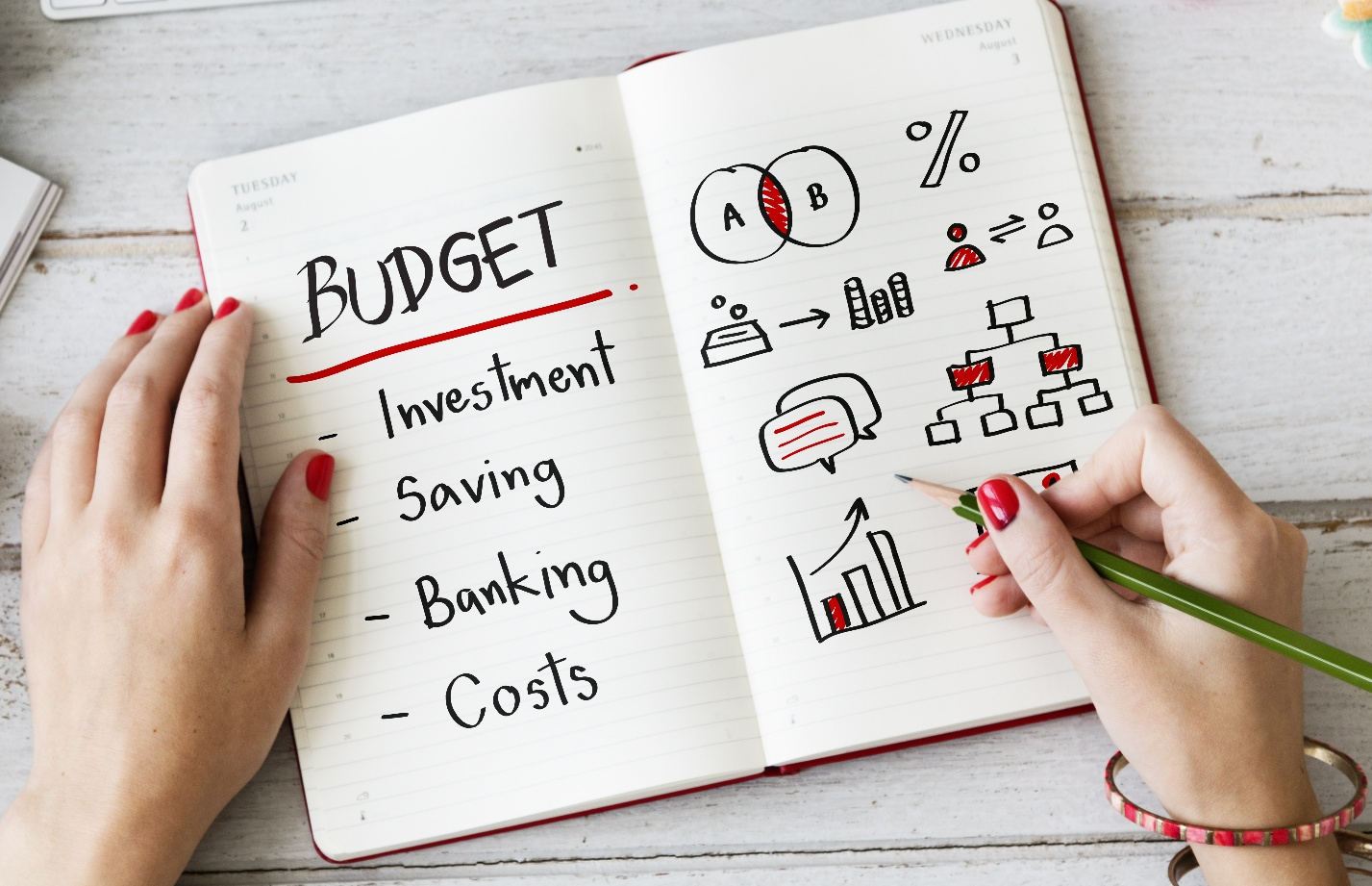
Starting a budget does not require financial expertise or expensive tools. It simply requires a willingness to look closely at your income and expenses and make intentional decisions moving forward. Take the first step today by outlining your income and expenses, and begin building a simple, practical budget that can help support a healthier financial future. Your future.
What's stopping you from turning your income and expenses into a simple, practical budget that reduces your stress, grows your savings, and puts you in control of your money?
Join the conversation! Drop your thoughts in the comments below, and let’s keep the discussion going.
From Experience to insight : Transformational reads for the Strategic mind
Foundational readings for big shifts:
- How to Track Spending without Getting Overwhelmed
- The 7-Day Money Reset Plan: Take Back Control In Just One Week
- Are You Throwing Away $5,000 a Year on Food Waste Without Realizing It?
- The Real Cost of Owning a Big Home
- The Psychology of Spending: Why We Overspend and How to Stop It
- Mastering the Envelope Method
Author: Vaidya Selvan
Welcome to Make Money Unstoppable Personal Finance Made Simple, a blog born out of necessity, a space created from real-life experiences, hard-earned lessons, and a deep-seated desire to share what I wish someone had taught me or had known sooner.

Newsletter Invite
Want more real-world information on Money? Join my newsletter for practical tips, updates on my books, and strategies to help you build financial freedom on your terms.
Yes, the eBook is also free. Just drop in your email here to get instant access. ONE eBook per email.
The eBook is sent automatically and should arrive within minutes. Depending on your email provider, it may appear in your Spam or Promotions folder. While we don’t control its exact placement, you can be confident it has been dispatched and is waiting for you.
#FinancialFreedom #Newsletter #MoneyTips
Like this blog?
Related Blogs