


Inheriting Someone Else's Shopping Habits: A Practical Guide to Managing Inherited Buying Patterns and Household Stockpiles
Introduction
Starting Point - What It Really Means to Inherit Someone Else's Shopping Habits
Last Updated: July 28, 2026

Disclaimer: I am not a licensed financial advisor, financial planner, tax professional, attorney, or employment consultant. The information provided in this blog is intended solely for general informational and educational purposes. This content should not be interpreted or construed as professional advice on financial, legal, tax, employment, or career matters. Always consult a qualified professional before making decisions that affect your personal situation. For transparency, some articles may include AI-assisted content. The idea is original and developed independently. All material is reviewed, edited, and approved before publication to ensure clarity and accuracy.
Inheriting someone else’s shopping habits is far more common than most people realize, yet it is rarely discussed openly. It can happen quietly and without warning — when you move into a shared home, take over management of a household budget, blend two lives, inherit stuff from parents, step into a role that comes with existing systems already in place, or simply find yourself surrounded by another person’s stockpiled goods, standing subscriptions, and long-established buying routines. Almost overnight, you are no longer managing only your own needs and preferences. You are managing a set of decisions someone else made, sometimes years before you ever arrived on the scene, built around a logic that may not match your own at all.
This kind of situation creates a strange and often uncomfortable mix of practical and emotional challenges, and the two rarely stay separate for long.

On the practical side, you may find far too much of one item and not nearly enough of another. You may discover brand loyalties you would never have chosen for yourself, storage systems that seem to follow no clear logic, and recurring purchases that continue to renew without anyone actively deciding they should. Cabinets, closets, and shelves can end up full of items that reflect someone else’s priorities rather than your own, leaving you to sort through the practical consequences of choices you had no part in making.
On the emotional side, the experience can feel surprisingly weighty. There is often guilt attached to the idea of changing something that once mattered to someone else, confusion about what should reasonably be kept versus let go, and a quiet pressure not to appear wasteful, careless, or disrespectful toward the person or process behind those original decisions. Even small choices, like whether to keep or discard a product, can start to feel loaded with meaning they would not normally carry.
This blog is designed to take that entire experience and break it down into clear, manageable, and genuinely practical steps. Whether the shopping habits you inherited came from a family member, a life partner, a roommate, a previous business owner, or any other source entirely, the same core principles apply consistently across every situation.
By the end of this blog, you will know how to assess what you actually have, how to make decisions without lingering regret or second-guessing, how to build a shopping system that genuinely reflects your own needs and values, and how to keep that new system sustainable long after the initial adjustment period has passed.

Your Roadmap to Managing an Inherited Shopping System
Table of Contents
- Understanding What “Inherited Shopping Habits” Really Means
- Common Signs You Have Inherited Someone Else’s Buying Patterns
- The Emotional Side of Inherited Shopping Decisions
- A Step-by-Step Approach to Assessing an Inherited Stockpile
- How to Decide What to Keep, Donate, Repurpose, or Discard
- Building a Shopping System That Reflects Your Own Needs
- Budgeting Tips for Households Adjusting to Inherited Habits
- Practical Organization and Storage Strategies
- Common Mistakes to Avoid During the Transition
- Long-Term Strategies for a Sustainable, Personalized Shopping Routine
- Conclusion: Moving Forward, Turning Inherited Habits into a System that’s truly yours
Unlock your financial freedom.
Download this FREE eBook!.
How to make $100,000/month? Stop being average and think big.

Stop Settling. Start Scaling.
Unlock the mindset, systems, and strategies top earners use to build unstoppable income.
Think Bigger. Earn Smarter.
This free eBook serves as your blueprint for scaling quickly, earning relentlessly, not settling for mediocrity, and living life on your terms.
Inside, you’ll discover:
- The Millionaire Mindset Blueprint
- Income streams that run on autopilot
- Entrepreneur hacks for focus and financial dominance
- One strategy to launch multiple income streams
- How to break free from “just enough”
- Tools to crush limiting beliefs and build your empire
Average doesn’t scale. Vision does. Download now and start your $100K/month transformation.
Yes, this eBook is free. Just drop in your email here to get instant access. ONE eBook per email.
The eBook is sent automatically and should arrive within minutes. Depending on your email provider, it may appear in your Spam or Promotions folder. While we don’t control its exact placement, you can be confident it has been dispatched and is waiting for you.
PLUS: Get Access to exclusive financial tips, learn everything about money and get early blog updates – delivered directly to your inbox .
1. Understanding What "Inherited Shopping Habits" Really Mean
Inherited shopping habits are the buying patterns, product preferences, brand loyalties, and stockpiling behaviors that were established by someone else and passed on to you, whether intentionally or not. This can include:
- Recurring purchases set up on autopilot, such as subscriptions or standing orders
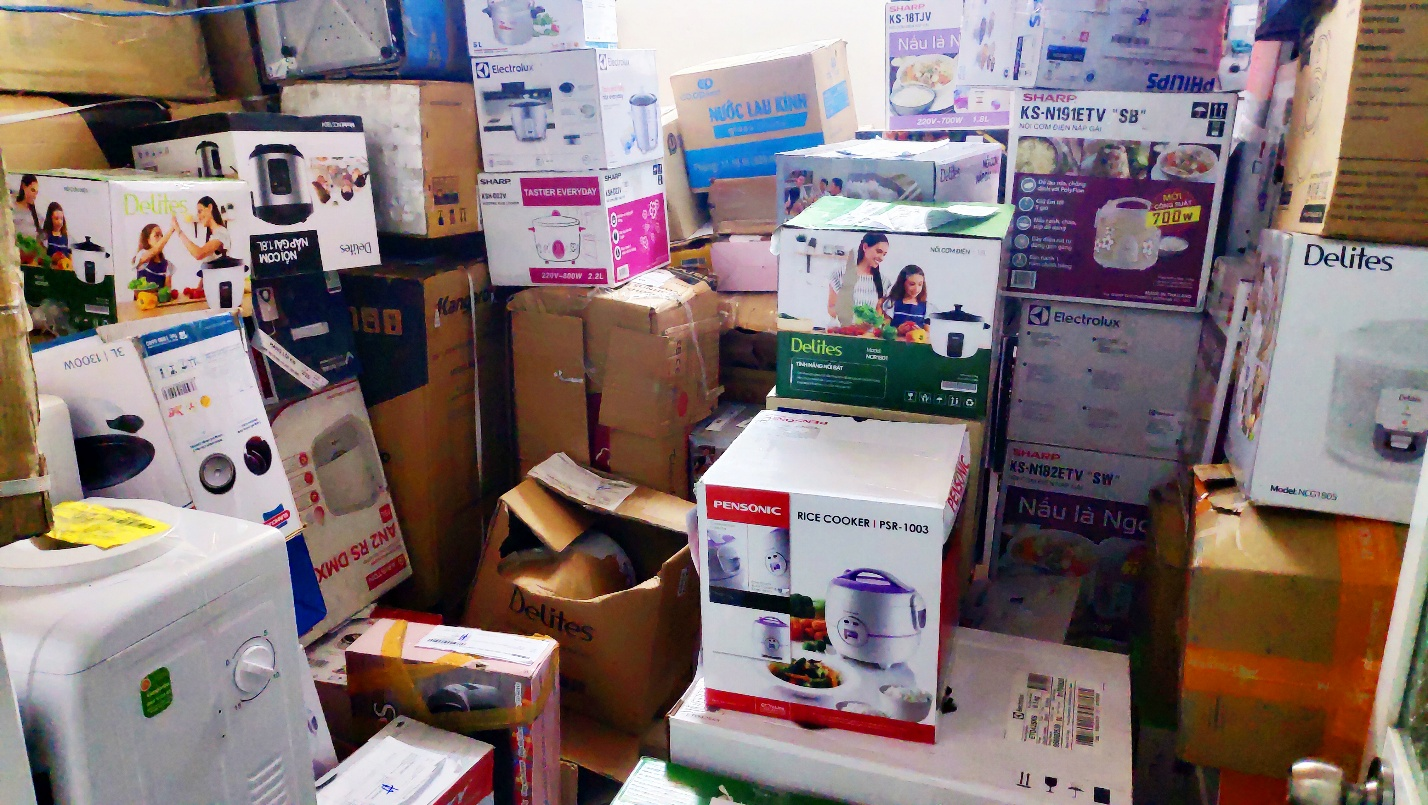
- Large stockpiles of household goods, pantry items, or personal care products
- Specific brand loyalty that does not match your own preferences
- Shopping schedules and routines, such as buying in bulk once a month
- Storage systems and organizational habits built around someone else’s logic
Recognizing that these patterns exist separately from your own preferences is the first step toward taking control of them.
2. Common Signs You Have Inherited Someone Else's Buying Patterns
You may be living with inherited shopping habits if you notice any of the following:
- You keep buying a product out of habit, even though you rarely use it
- Cabinets, closets, or storage areas are full of items you did not choose
- You feel unsure about changing a routine because “that is how it has always been done”
- You are paying for subscriptions or services you do not remember signing up for
- There is significant duplication of items, such as multiple unopened containers of the same product
You find yourself shopping at certain stores or brands purely out of tradition

3. The Emotional Side of Inherited Shopping Decisions
Inherited shopping habits are rarely just a logistical issue. There is often an emotional layer attached to the items and routines involved. Common emotional responses include:
- Guilt about discarding or changing something that belonged to someone else
- Anxiety about “getting it wrong” or being seen as wasteful
- Nostalgia tied to specific products, packaging, or brands
- Overwhelm from the sheer volume of decisions required
- A sense of obligation to maintain routines exactly as they were
It helps to acknowledge these feelings directly rather than pushing through them. You may give yourself permission to make changes gradually, and remind yourself that adjusting a shopping habit is not the same as dismissing the person or system behind it. You may also choose to discuss it with the other person first as a sign of respect.
4. A Step-by-Step Approach to Assessing an Inherited Stockpile
A clear, structured process makes the assessment far less overwhelming.
- Step one: Take inventory.Walk through every storage area and make a simple list of categories, such as pantry items, cleaning supplies, personal care products, and paper goods.
- Step two: Check expiration and usability.Separate items that are still usable from those that have expired or degraded.
- Step three: Group by frequency of use.Sort items into “used often,” “used occasionally,” and “rarely or never used.”
- Step four: Identify duplicates.Note where multiple versions of the same item exist so you can consolidate.
- Step five: Record subscriptions and standing orders.List any recurring purchases tied to the household, along with their renewal dates and costs.

This structured inventory may thus become the foundation for every decision that follows.
5. How to Decide What to Keep, Donate, Repurpose, or Discard
Once you have a full inventory, apply a simple decision framework to each category:
- Keepitems that are frequently used, still within a safe usability window, and align with your ongoing needs.
- Donateitems that are unopened, unexpired, and unlikely to be used by your household but could benefit others.
- Repurposeitems that no longer serve their original function but can be used differently, such as containers, storage bins, or partially used supplies.
- Discard responsiblyitems that are expired, damaged, or unsafe, following appropriate disposal guidelines for the type of product.
- Cancel or renegotiatesubscriptions and standing orders that no longer match your needs or budget.
Making these decisions category by category, rather than all at once, can help reduce decision fatigue and keep the process manageable.
6. Building a Shopping System That Reflects Your Own Needs
After the assessment is complete, the next goal is designing a shopping system that works for you and the other person rather than simply continuing the inherited one.
- Identify your household’s actual consumption rate for each category of goods
- Choose brands and products based on your own preferences, budget, and values
- Set realistic reorder points so you avoid both shortages and excessive stockpiling
- Decide on a shopping frequency that matches your lifestyle, whether that is weekly, biweekly, or monthly
- Create a simple written or digital list of standard items so future shopping trips are faster and more consistent. Shop with a list.
This may also be the right time to reconsider whether bulk buying, subscription services, or in-person shopping best suits your circumstances.
7. Budgeting Tips for Households Adjusting to Inherited Habits
Inherited shopping habits may often come with hidden costs, especially when subscriptions, brand loyalty, or bulk buying were not aligned with an efficient budget.
- Review every recurring charge and confirm it is still necessary and reasonably priced
- Compare inherited brand choices with more affordable alternatives that meet the same need
- Set a monthly spending limit for each major category, such as groceries, household supplies, and personal care
- Track spending for at least one full cycle before making major changes, so you understand true consumption patterns
- Build a small buffer into the budget for the adjustment period, since transitioning systems can temporarily increase costs
A clear budget can help prevent inherited habits from quietly draining resources long after they stop making any practical sense.
8. Practical Organization and Storage Strategies
Reorganizing physical space may often be the most visible and satisfying part of this process.
- Group similar items together by category rather than by their previous storage location
- Use clear, labeled containers so contents are easy to identify at a glance
- Store frequently used items at eye level or within easy reach for accessibility
- Reserve higher or lower storage areas for items used less often
- Keep a small, visible list near storage areas to track what needs to be replenished
- Reassess the storage system every few months as your habits continue to evolve

Thoughtful organization can help reduce the chances of falling back into old, inherited patterns simply out of convenience.
9. Common Mistakes to Avoid During the Transition
Even with a solid plan, certain mistakes can slow down or derail the transition process.
- Trying to overhaul everything at once instead of working through categories gradually
- Keeping items purely out of guilt rather than genuine usefulness
- Ignoring recurring subscriptions because they seem too small to matter
- Failing to involve everyone in the household in decisions that affect shared spaces
- Underestimating how long emotional adjustment can take, especially with sentimental items
- Replacing every inherited habit immediately, rather than testing what actually worked well
Avoiding these pitfalls can help the transition feel steady and sustainable rather than rushed or reactive.

10. Long-Term Strategies for a Sustainable, Personalized Shopping Routine
Once the initial transition is complete, the focus now shifts to maintaining a system that continues to serve your needs.
- Schedule a brief review of your shopping habits every few months to catch drift back into old patterns
- Keep a running list of items that consistently go unused, and remove them from future purchases
- Revisit your budget periodically to ensure it still reflects your actual spending
- Stay open to further adjustments as your household, lifestyle, or needs change over time
- Document your current system somewhere accessible, so it can be easily explained to others sharing the space
A sustainable routine is not a one-time fix. It is an ongoing process of small adjustments that help keep your shopping habits aligned with your actual life.
Conclusion:
Moving Forward, Turning Inherited Habits into a System That Is Truly Yours
Inheriting someone else’s shopping habits does not have to mean living permanently inside someone else’s decisions. It is easy, especially in the early stages, to feel as though you are simply managing what already exists rather than building something new. But with a clear process for assessing what you actually have, deciding thoughtfully what stays and what goes, and building a system rooted firmly in your own needs and values, the transition becomes far more manageable than it first appears, and far less overwhelming than it may have felt at the start.

The key throughout this entire process is patience paired with structure and having open conversations. Change that happens too quickly tends to feel chaotic and unsustainable, while change that follows a clear framework may tend to stick. Take the process one category at a time rather than trying to fix everything at once.
Give yourself genuine room for the emotional side of these decisions, since letting go of items or routines tied to another person is rarely just a logistical task. And remember, above all, that adjusting a shopping habit is not a rejection of the past or of the person behind it: it is simply a deliberate step toward a system that works better for the present moment you are actually living in.
It also helps to recognize that this is not a process with a single finish line. Habits, needs, and households continue to shift over time, which means the system you build today should be flexible enough to evolve alongside you. Revisiting your choices periodically, rather than treating this as a one-time overhaul, keeps the system responsive instead of rigid.

Over time, what once felt like an overwhelming inheritance, full of unfamiliar brands, mismatched routines, and decisions you never made yourself, can become a shopping routine that is organized, intentional, and budget-conscious. More importantly, it becomes something you can genuinely call your own: not a system you are managing on someone else’s behalf, but one that reflects who you are, how you live, and what actually serves you moving forward.
What's one shopping habit or stockpiled item you inherited from someone else that you're still holding onto because it is genuinely useful, or is it just hard to let go of, and why?
Join the conversation! Drop your thoughts in the comments below, and let’s keep the discussion going.
From Experience to insight : Transformational reads for the Strategic mind
Foundational readings for big shifts:
- How to Track Spending without Getting Overwhelmed
- The 7-Day Money Reset Plan: Take Back Control In Just One Week
- Are You Throwing Away $5,000 a Year on Food Waste Without Realizing It?
- The Real Cost of Owning a Big Home
- The Psychology of Spending: Why We Overspend and How to Stop It
- Mastering the Envelope Method
Author: Vaidya Selvan
Welcome to Make Money Unstoppable Personal Finance Made Simple, a blog born out of necessity, a space created from real-life experiences, hard-earned lessons, and a deep-seated desire to share what I wish someone had taught me or had known sooner.

Newsletter Invite
Want more real-world information on Money? Join my newsletter for practical tips, updates on my books, and strategies to help you build financial freedom on your terms.
Yes, the eBook is also free. Just drop in your email here to get instant access. ONE eBook per email.
The eBook is sent automatically and should arrive within minutes. Depending on your email provider, it may appear in your Spam or Promotions folder. While we don’t control its exact placement, you can be confident it has been dispatched and is waiting for you.
#FinancialFreedom #Newsletter #MoneyTips
Like this blog?
Related Blogs