


Smart Travel Money Tips: Practical Financial Planning for Every Trip
Introduction
See the World Without Draining Your Wallet
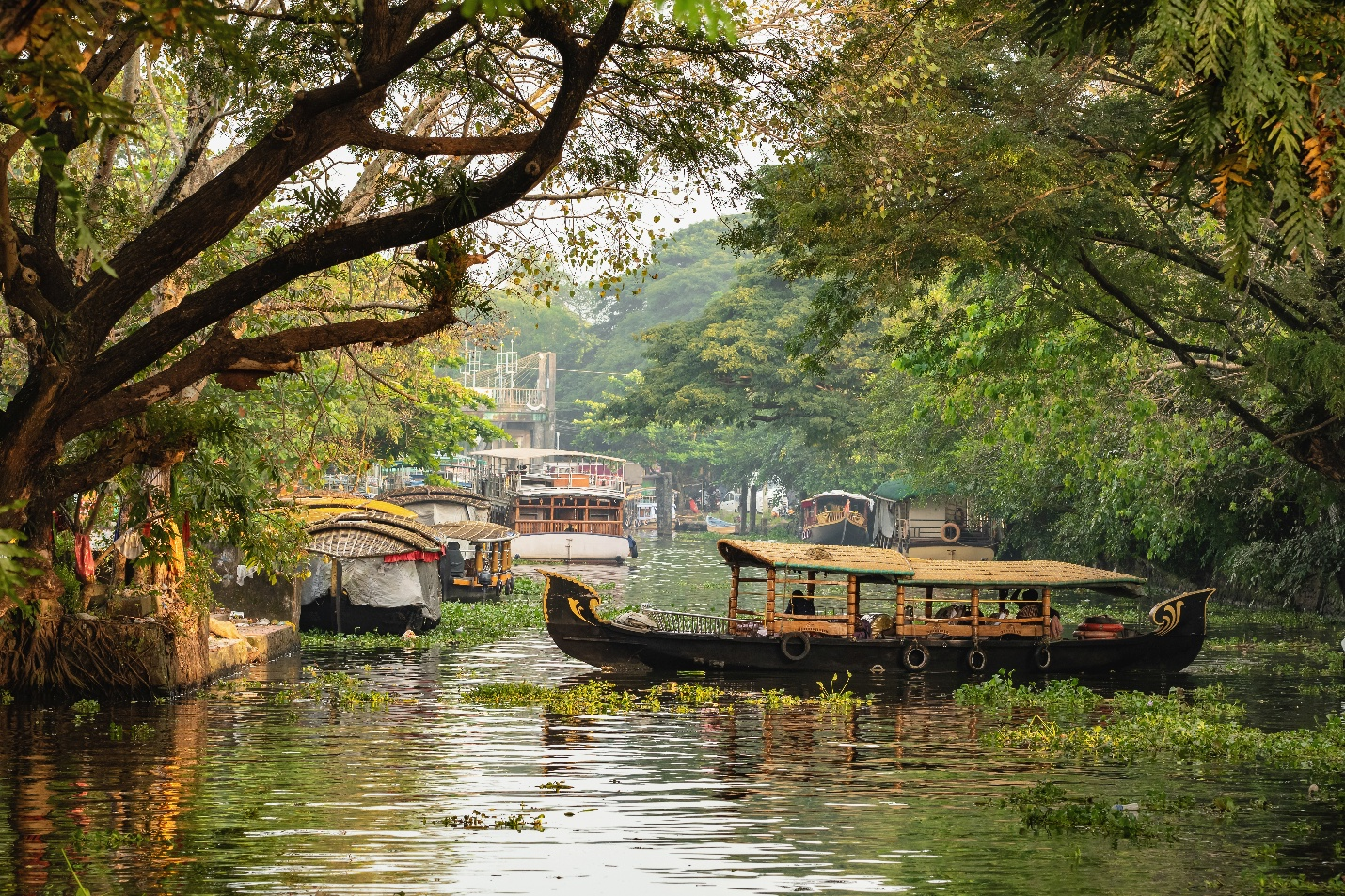
I love traveling the world, and over the years I’ve had the privilege of visiting many countries. Each trip has been its own crash course in education—one that no classroom could ever fully replicate. Through travel, I’ve learned about people, cultures, languages, music, art, food, clothing, architecture, and communication, just to name a few. Every destination offers its own lesson, and every lesson adds another layer to how I see the world.
Last Updated: August 3, 2026
Disclaimer: I am not a licensed financial advisor, financial planner, tax professional, attorney, or employment consultant. The information provided in this blog is intended solely for general informational and educational purposes. This content should not be interpreted or construed as professional advice on financial, legal, tax, employment, or career matters. Always consult a qualified professional before making decisions that affect your personal situation. For transparency, some articles may include AI-assisted content. The idea is original and developed independently. All material is reviewed, edited, and approved before publication to ensure clarity and accuracy.
More than anything, travel has taught me to stay open-minded and curious—to keep learning about what I don’t yet know and to stay hungry for everything the world still has to offer. The more I see, the more I realize how much there is left to discover, and that sense of wonder is what keeps me coming back for more.
Travel has a way of creating some of life’s most memorable experiences, but it can also create financial stress if not planned carefully. The good news is that traveling on a budget, or simply traveling smarter, is entirely possible with the right financial habits in place. You do not need a large income to travel well. You need a clear plan, realistic expectations, and a few practical money strategies.

This blog walks you through the most important financial tips for traveling, from planning and saving before a trip to managing your spending while you are away. Whether you are planning a short getaway or a longer journey, understanding how to budget, save, and spend wisely can make the difference between a stressful trip and a relaxing one. Financial planning does not take away the joy of travel. Instead, it protects that joy by removing the anxiety that often comes with overspending or unexpected costs.
Here we will break down practical, easy-to-understand financial strategies for travelers of all experience levels. You will learn how to plan a travel budget, reduce common travel expenses, avoid costly mistakes, and protect your finances before, during, and after a trip. With the right approach, you can enjoy meaningful travel experiences while keeping your overall financial health intact.
Financial Tips for Traveling
Table of Contents
- Why Financial Planning Matters for Travel
- Setting a Realistic Travel Budget
- Saving Strategies Before You Travel
- Smart Ways to Reduce Travel Costs
- Managing Money While Traveling
- Avoiding Common Travel Financial Mistakes
- Protecting Your Finances During Travel
- Post-Trip Financial Habits Worth Building
- Conclusion: Travel Smarter, Spend Wiser: Your Next Step

Unlock your financial freedom.
Download this FREE eBook!.
How to make $100,000/month? Stop being average and think big.
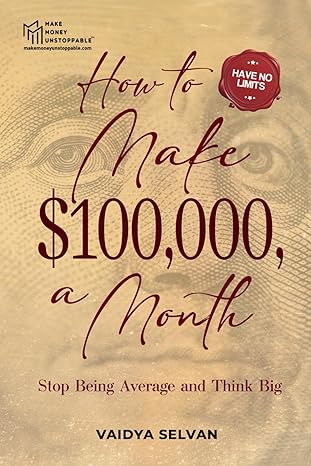
Stop Settling. Start Scaling.
Unlock the mindset, systems, and strategies top earners use to build unstoppable income.
Think Bigger. Earn Smarter.
This free eBook serves as your blueprint for scaling quickly, earning relentlessly, not settling for mediocrity, and living life on your terms.
Inside, you’ll discover:
- The Millionaire Mindset Blueprint
- Income streams that run on autopilot
- Entrepreneur hacks for focus and financial dominance
- One strategy to launch multiple income streams
- How to break free from “just enough”
- Tools to crush limiting beliefs and build your empire
Average doesn’t scale. Vision does. Download now and start your $100K/month transformation.
Yes, this eBook is free. Just drop in your email here to get instant access. ONE eBook per email.
The eBook is sent automatically and should arrive within minutes. Depending on your email provider, it may appear in your Spam or Promotions folder. While we don’t control its exact placement, you can be confident it has been dispatched and is waiting for you.
PLUS: Get Access to exclusive financial tips, learn everything about money and get early blog updates – delivered directly to your inbox .
1. Why Financial Planning Matters for Travel
Travel is often one of the larger discretionary expenses in a person’s life, which makes financial planning especially important. Without a clear plan, it becomes easy to overspend or return from a trip with unexpected financial stress.
Reasons financial planning matters for travel:
- It can help prevent overspending during the excitement of a trip
- It may allow for clearer decision-making about where money is spent
- It reduces the risk of returning home with unwanted debt
- It creates space for meaningful experiences without financial guilt
- It helps travelers prioritize what matters most to them
- It supports a smoother, less stressful travel experience overall
Approaching travel with a financial plan in place may allow you to focus more on the experience and less on financial worry.

2. Setting a Realistic Travel Budget
A travel budget acts as a financial roadmap for your entire trip. Setting one before you travel gives you a clear sense of what is affordable and where adjustments may be needed.
Steps for building a realistic travel budget:
- Determine a total amount you are comfortable spending on the trip
- Break the total budget into categories such as transportation, lodging, food, and activities
- Research estimated costs for your destination in advance
- Include a buffer category for unexpected expenses
- Separate essential costs from optional or discretionary spending
- Adjust your budget based on trip length and travel style
- Set a daily spending limit to stay on track throughout the trip
Personally, I shy away from buying expensive souvenirs. Instead, I invest in fridge magnets, which are far more cost-effective. Every day when I pass the fridge in my kitchen, I catch a glimpse of the magnet, and it instantly brings back the memories—letting me relive those experiences all over again, just by looking at it.

For many years, I used to buy t-shirts, pottery, street art, woodwork, and similar items as souvenirs. Once I got home, I’d feel good about those purchases for the first week or so, even though they were often expensive. But after that initial excitement faded, they would sit gathering dust for years, until I finally gave them away or donated them.
Now, I’ve chosen to stick to my $10 fridge magnet—one for each place I visit. It’s a far more cost-effective and practical way to keep memories alive, letting me revisit them time and again, whenever I glance at the fridge.
A clear, well-structured budget removes much of the guesswork from travel spending.
3. Saving Strategies Before You Travel
Preparing financially before a trip is one of the most effective ways to reduce stress and avoid relying on debt during travel.
Practical saving strategies may include:
- Setting a dedicated savings goal specifically for travel
- Opening a separate savings account just for trip expenses
- Automating small, regular contributions leading up to the trip
- Cutting back temporarily on non-essential spending before departure
- Tracking progress toward your travel savings goal
- Setting a savings deadline tied to your travel date
- Avoiding the temptation to dip into travel savings for unrelated expenses

Consistent, planned saving can help reduce financial pressure and allow for more relaxed spending once the trip begins.
4. Smart Ways to Reduce Travel Costs
There are many ways to lower travel expenses without sacrificing the overall quality of the experience. Being flexible and strategic may often lead to significant savings.
Ways to reduce travel-related costs:
- Traveling during off-peak times when prices often tend to be lower
- Being flexible with travel dates to take advantage of lower rates
- Comparing transportation and lodging options before booking
- Considering alternative types of accommodation
- Preparing some meals instead of dining out for every meal
- Limiting the number of paid activities and prioritizing free experiences
- Packing your luggage efficiently to avoid additional fees
- Researching local transportation options instead of relying solely on costly alternatives

Small adjustments in these areas can add up to substantial overall savings.
5. Managing Money While Traveling
Managing your finances while traveling is just as important as planning before the trip. Staying organized and aware of spending helps you stick to your budget throughout the journey.
Tips for managing money during travel:
- Track daily spending to stay aligned with your budget
- Set spending limits for each category, such as food or activities
- Use a mix of payment methods for flexibility and security
- Keep a portion of funds set aside strictly for emergencies
- Avoid impulsive purchases by pausing before non-essential spending
- Review your remaining budget periodically throughout the trip
- Adjust spending in one category if another category runs higher than planned
Ongoing awareness during travel helps prevent small overspending habits from adding up unnoticed.

6. Avoiding Common Travel Financial Mistakes
Certain financial mistakes are especially common while traveling, often due to unfamiliar environments or the excitement of being away from a normal routine.
Common travel financial mistakes to avoid:
- Failing to set a budget before the trip begins
- Underestimating smaller, recurring expenses such as snacks or transportation
- Not accounting for currency exchange costs when traveling internationally
- Overspending early in the trip and running short later
- Ignoring transaction fees associated with certain payment methods
- Failing to track spending throughout the trip
- Relying on high-interest borrowing to cover travel costs
- Not setting aside funds for unexpected emergencies
Recognizing these common pitfalls in advance can help make it much easier to avoid them.
7. Protecting Your Finances During Travel
Financial planning for travel is not just about spending wisely. It also includes protecting your money and financial information while you are away from home.
Ways to protect your finances while traveling:
- Keep a record of your budget and spending in a secure location
- Diversify how funds are carried or accessed during the trip
- You may notify your financial institutions of travel plans when appropriate
- Keep some funds accessible in more than one form
- Avoid carrying large amounts of one type of payment method
- Monitor accounts regularly for unusual activity during travel
- Keep copies of important financial documents separate from originals
Taking these precautions can help reduce financial risk and provide peace of mind throughout the trip.
8. Post-Trip Financial Habits Worth Building
Financial planning for travel does not end when the trip is over. Reviewing your spending afterward can help improve future travel budgets and overall financial habits.
Helpful post-trip financial habits:
- Reviewing total spending compared to your original budget
- Identifying which categories were overspent or underspent
- Noting lessons learned for future travel planning
- Replenishing your emergency fund if it was used during the trip
- Resuming regular savings contributions after the trip
- Using insights gained to build a more accurate budget for future travel

Reflecting on your travel spending can help turn each trip into a learning experience that can improve your financial planning over time.
Conclusion
Travel Smarter, Spend Wiser: Your Next Step
Traveling well and managing money wisely are not competing goals. With the right financial habits in place, it is entirely possible to enjoy meaningful travel experiences while maintaining strong financial health. From setting a realistic budget and saving strategically before a trip, to managing spending and protecting your finances while away, each step plays an important role in creating a smoother, less stressful travel experience.
The key to successful travel budgeting lies in preparation and awareness. Planning ahead, tracking spending consistently, and staying flexible when needed can all contribute to a trip that feels enjoyable rather than financially draining. Avoiding common financial mistakes and protecting your financial information further supports a safer, more secure travel experience.
Travel should be a source of joy, discovery, and personal growth, not a source of lasting financial stress. By applying practical financial strategies before, during, and after your travels, you can create a sustainable approach to seeing the world. Start by setting a clear travel budget, building a dedicated savings plan, and taking the next step toward smarter, more financially confident travel. Bon Voyage.

Before your next trip, ask yourself: will this souvenir still bring you joy a year from now, or will it end up gathering dust? What's one small, meaningful memento could you choose instead?
Join the conversation! Drop your thoughts in the comments below, and let’s keep the discussion going.
Flip the Formula: Save First, Spend Second
3. Schedule Accountability Check-Ins
From Experience to insight : Transformational reads for the Strategic mind
Foundational readings for big shifts:
- How to Track Spending without Getting Overwhelmed
- The 7-Day Money Reset Plan: Take Back Control In Just One Week
- Are You Throwing Away $5,000 a Year on Food Waste Without Realizing It?
- The Real Cost of Owning a Big Home
- The Psychology of Spending: Why We Overspend and How to Stop It
- Mastering the Envelope Method

Author: Vaidya Selvan
Welcome to Make Money Unstoppable Personal Finance Made Simple, a blog born out of necessity, a space created from real-life experiences, hard-earned lessons, and a deep-seated desire to share what I wish someone had taught me or had known sooner.

Newsletter Invite
Want more real-world information on Money? Join my newsletter for practical tips, updates on my books, and strategies to help you build financial freedom on your terms.
Yes, the eBook is also free. Just drop in your email here to get instant access. ONE eBook per email.
The eBook is sent automatically and should arrive within minutes. Depending on your email provider, it may appear in your Spam or Promotions folder. While we don’t control its exact placement, you can be confident it has been dispatched and is waiting for you.
#FinancialFreedom #Newsletter #MoneyTips
Like this blog?
Related Blogs