

Smart Ways to Save Water and Cut Your Monthly Costs
Introduction
Why Saving Water Protects Your Wallet and Your Future
Saving water is one of the most effective ways to lower your monthly expenses while also supporting long term environmental health. Many households use far more water than they realize, often unintentionally. Small habits, unnoticed leaks, and outdated systems can quietly increase water bills month after month. These hidden patterns can make water use feel unpredictable, but the truth is that you have far more control than you might think.
Last Updated: May 29, 2026
Disclaimer: I am not a licensed financial advisor, financial planner, tax professional, attorney, or employment consultant. The information provided in this blog is intended solely for general informational and educational purposes. This content should not be interpreted or construed as professional advice on financial, legal, tax, employment, or career matters. Always consult a qualified professional before making decisions that affect your personal situation. For transparency, some articles may include AI-assisted content. The idea is original and developed independently. All material is reviewed, edited, and approved before publication to ensure clarity and accuracy.
Water conservation is not about restriction. It is about using water wisely, reducing waste, and making simple adjustments that can benefit both your home and the world around you. When you understand how water is used, where it is lost, and how to manage it more efficiently, you gain the power to protect your budget and reduce unnecessary strain on natural resources.
Saving water also helps create long term stability. Every gallon you conserve tends to reduce the demand on local systems, lower energy use tied to water heating, and support a healthier environment. These benefits extend far beyond your home. They contribute to a more sustainable future for your community and for generations to come.
This blog will help you:
- Reduce hidden water wasteby identifying common problem areas
- Improve efficiencywith simple and practical adjustments
- Build daily habitsthat can naturally lower your water use
- Strengthen long term sustainabilitythrough mindful planning
- Protect your monthly budgetwith consistent savings
- Create a healthier home environmentthrough responsible water use
By the end of this blog, you will have a clear understanding of how to manage your water use with confidence. You will learn how to reduce waste, improve efficiency, and build daily habits that protect both your finances and the environment. These steps are simple, practical, and accessible for any home or lifestyle, making it easier than ever to take control of your water use and create meaningful, lasting change.
Complete Guide to Saving Water and Reducing Costs
Table of Contents
- Understanding Why Water Conservation Matters
- Finding Hidden Water Waste at Home
- Daily Habits That Reduce Water Use
- Improving Water Efficiency Indoors
- Improving Water Efficiency Outdoors
- Long Term Strategies for Sustainable Water Use
- How to Track Your Water Savings
- Conclusion: Your Water Saving Journey Starts Today

Unlock your financial freedom.
Download this FREE eBook!.
How to make $100,000/month? Stop being average and think big.
Stop Settling. Start Scaling.
Unlock the mindset, systems, and strategies top earners use to build unstoppable income.
Think Bigger. Earn Smarter.
This free eBook serves as your blueprint for scaling quickly, earning relentlessly, not settling for mediocrity, and living life on your terms.
Inside, you’ll discover:
- The Millionaire Mindset Blueprint
- Income streams that run on autopilot
- Entrepreneur hacks for focus and financial dominance
- One strategy to launch multiple income streams
- How to break free from “just enough”
- Tools to crush limiting beliefs and build your empire
Average doesn’t scale. Vision does. Download now and start your $100K/month transformation.
Yes, this eBook is free. Just drop in your email here to get instant access. ONE eBook per email.
The eBook is sent automatically and should arrive within minutes. Depending on your email provider, it may appear in your Spam or Promotions folder. While we don’t control its exact placement, you can be confident it has been dispatched and is waiting for you.
PLUS: Get Access to exclusive financial tips, learn everything about money and get early blog updates – delivered directly to your inbox .
1. Understanding Why Water Conservation Matters
Water conservation is not only about protecting natural resources. It is also about reducing your monthly expenses and preventing unnecessary waste. When you use less water, you pay less for water, heating, and energy connected to water use.
Key reasons water conservation matters may include:
- Lower monthly bills — Using less water directly reduces your utility costs.
- Less strain on local systems — Lower demand helps reduce pressure on community water supplies.
- Better long term sustainability — Conserving water can support future generations.
- Reduced energy use — Heating and pumping water require energy, so saving water saves energy too.
- Improved environmental protection — Using less water helps preserve natural ecosystems.

2. Finding Hidden Water Waste at Home
Many homes have unnoticed sources of water waste. Identifying these areas is the first step toward meaningful savings.
Common sources of hidden waste may include:
- Small leaks — Even slow drips add up over time.
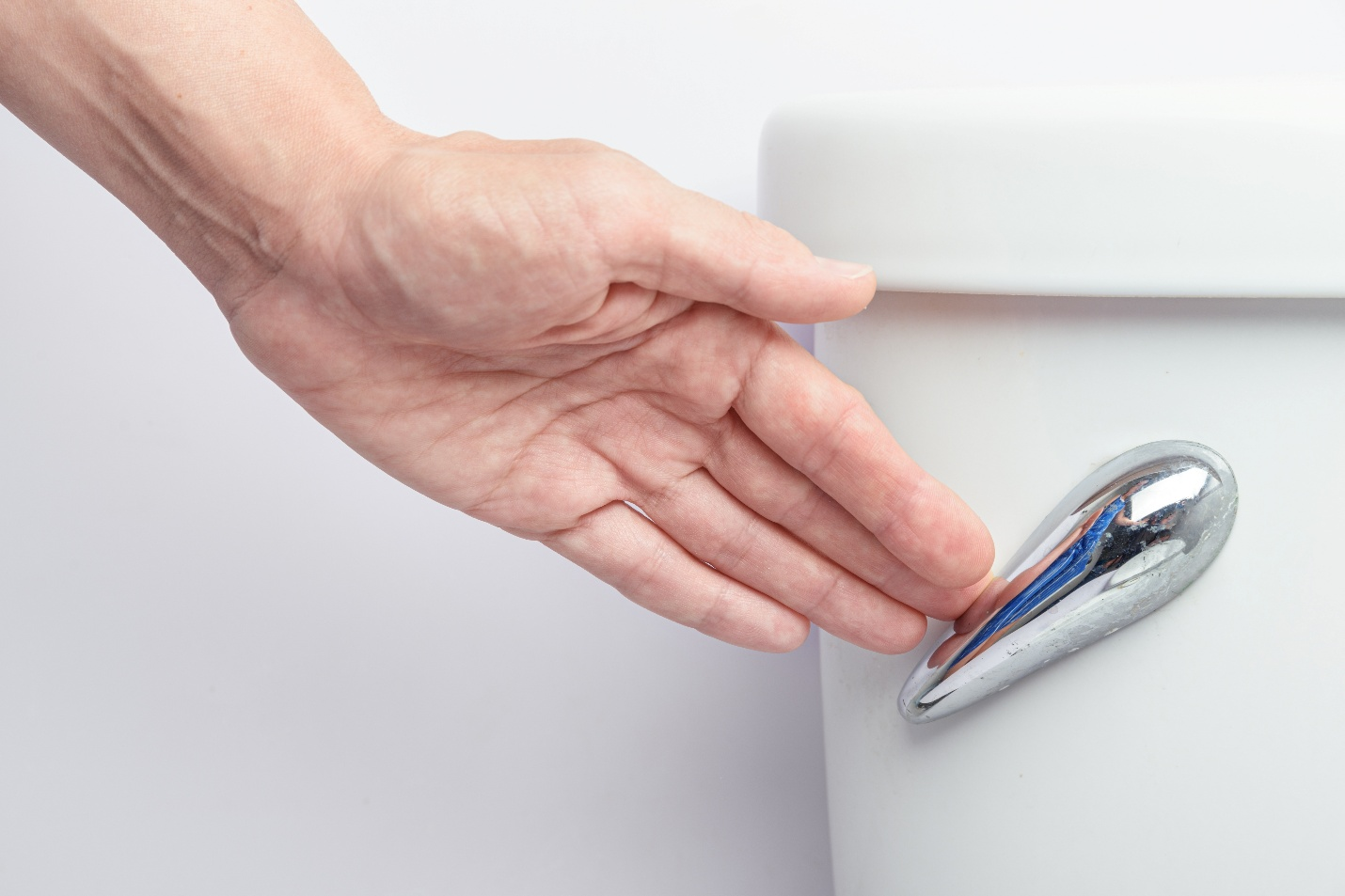
- Running toilets — A silent issue that can waste large amounts of water.
- Inefficient fixtures — Older systems often use more water than necessary.
- Overuse in daily routines — Simple habits may use more water than needed.
- Unmonitored outdoor use — Outdoor watering can be a major source of waste.
- Check water usage patterns for sudden increases.
What to watch out for:
- Inspect all visible pipes for moisture or corrosion.
- Listen for running water when no fixtures are in use.
- Review your water bill for unusual spikes.

3. Daily Habits That Reduce Water Use
Small changes in everyday routines can lead to significant savings over time.
Helpful daily habits include:
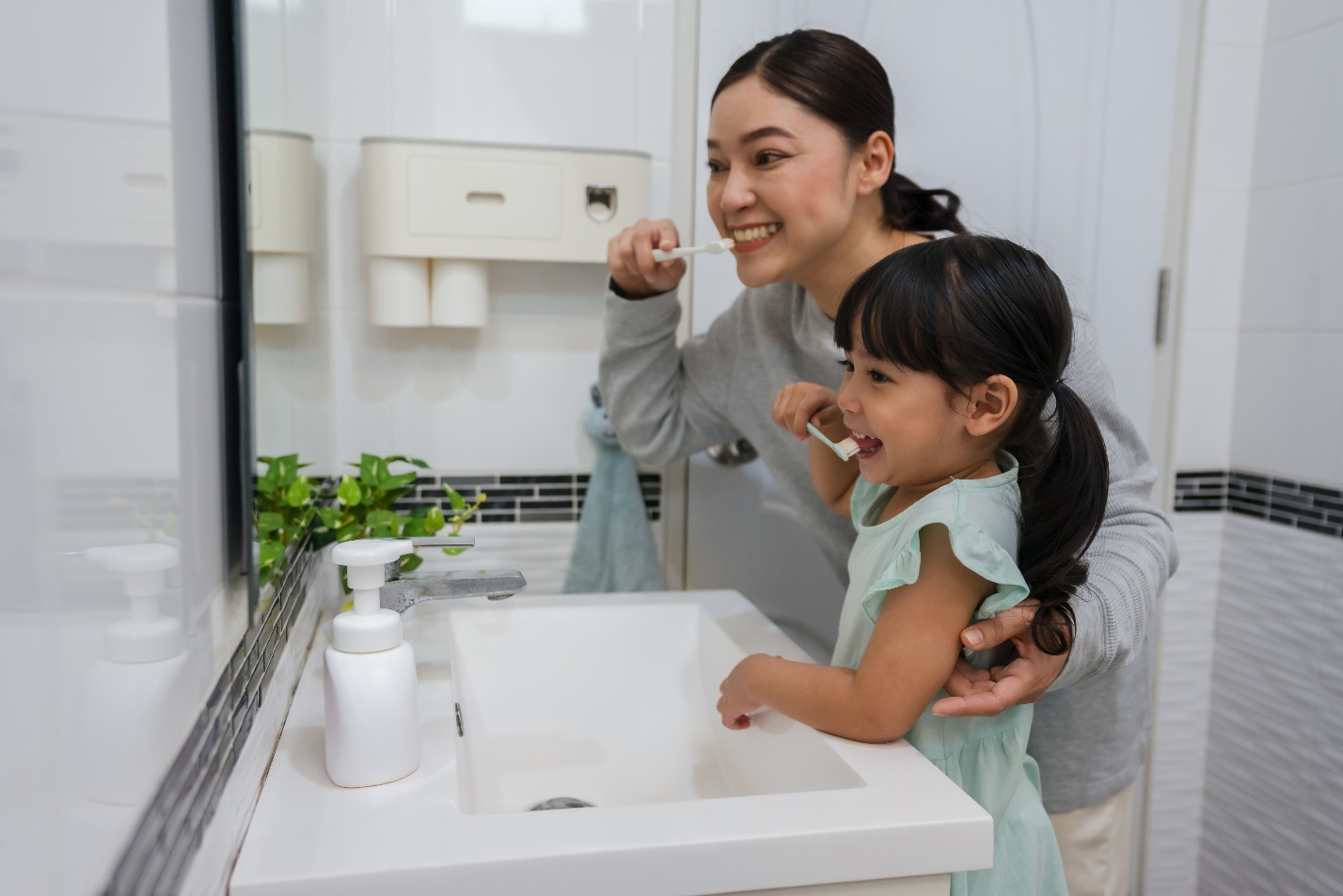
- Turning off water when not in use — Avoid letting water run unnecessarily.
- Shortening water based tasks — Reduce time spent using water.
- Using only what you need — Be mindful of portion sizes for water use.
- Collecting water for reuse — Use leftover water for non drinking purposes.
- Avoiding wasteful habits — Stay aware of actions that increase water use.
Practical habits to develop:
- Plan water heavy tasks together to reduce repeated use.
- Use cold water whenever possible to save energy.
- Be mindful of water temperature changes to avoid unnecessary running.
4. Improving Water Efficiency Indoors
Indoor water use often accounts for the majority of household consumption. Improving efficiency can create immediate savings.

Ways to improve indoor efficiency:
- Upgrade to efficient fixtures — Modern designs use less water.
- Fix leaks quickly — Prevent long term waste.
- Use water saving settings — Many systems include built in conservation modes.
- Reduce hot water use — Saves both water and energy.
- Improve insulation around pipes — Helps maintain temperature and reduce waste.
Actions that can help:
- Install flow reducing devices to limit excess water.
- Monitor indoor water habits to identify areas for improvement.
- Use appliances only when full to avoid partial loads.
5. Improving Water Efficiency Outdoors
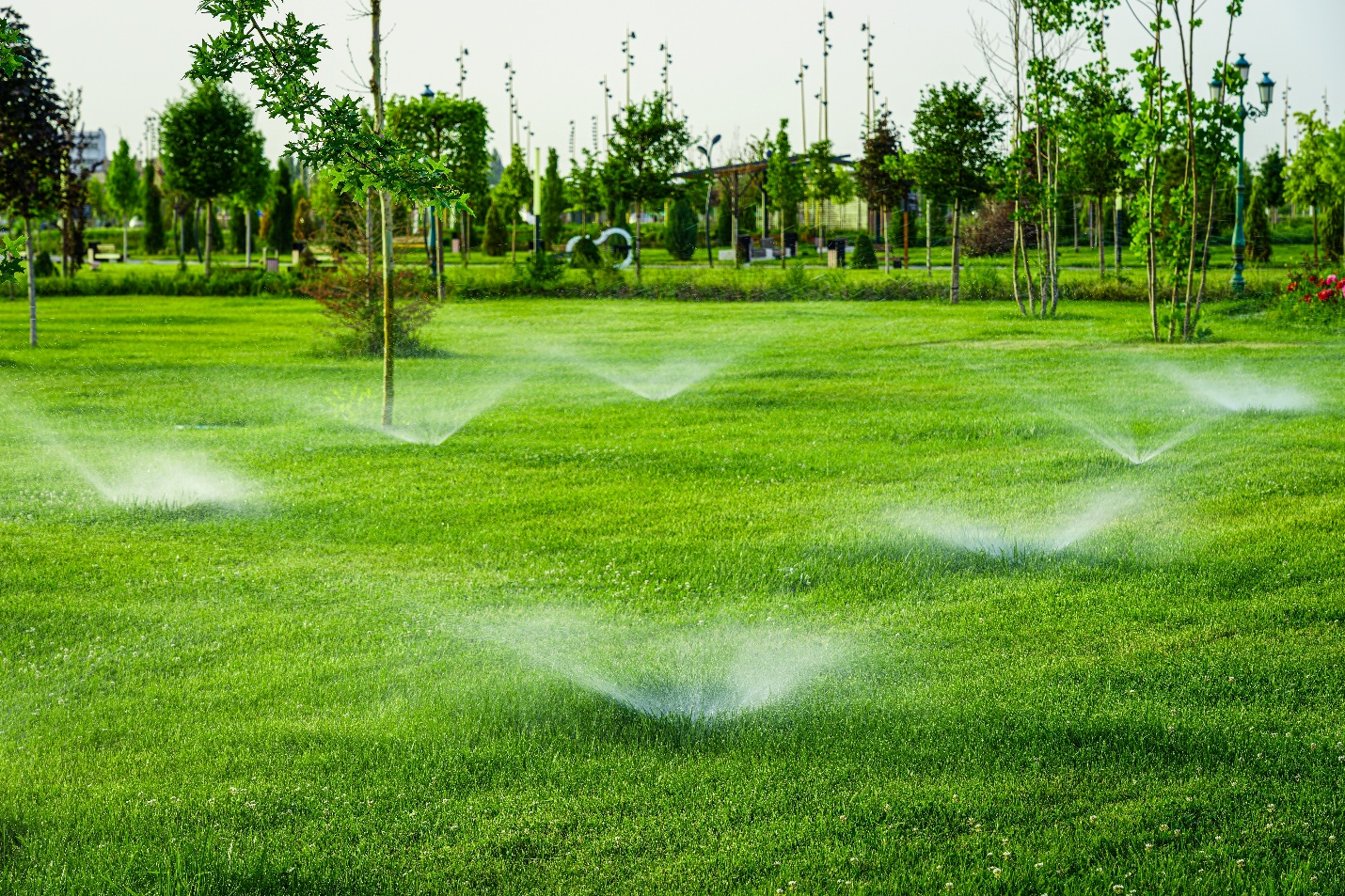
Outdoor water use can be a major source of waste, especially in warm seasons.
Outdoor efficiency tips:
- Water during cooler hours to reduce evaporation.
- Use efficient watering methods to avoid overwatering.
- Choose low water landscaping to reduce long term water needs.
- Maintain outdoor systems to prevent leaks.
- Collect natural water for outdoor use.
- Group plants by water needs to avoid uneven watering.
- Check soil moisture before watering to prevent unnecessary use.
- Use ground cover materials to retain moisture.
6. Long Term Strategies for Sustainable Water Use
Long term planning helps ensure consistent savings and responsible water use.
Long term strategies may include:
- Create a water saving plan for your home.
- Set monthly water goals to track progress.
- Upgrade older systems when possible.
- Use natural resources wisely to reduce dependence on treated water.
- Adopt sustainable habits that become part of your routine.
- Monitor seasonal changes to adjust water use.
- Review your water plan yearly to stay on track.
- Teach others about conservation to encourage community savings.
7. How to Track Your Water Savings
Tracking your progress helps you stay motivated and identify new opportunities for improvement.
Ways to track savings:
- Review your monthly bills and compare to see changes.
- Record your water use in a simple log.
- Set clear benchmarks for each month.
- Monitor indoor and outdoor habits to find patterns.
- Adjust your plan as needed to stay efficient.
- Use visual charts to see progress clearly.
- Compare seasonal usage to understand trends.
- Celebrate milestones to stay encouraged.
- Maintain a water usage report.
Conclusion
Your Water Saving Journey Starts Today
Saving water is not a one time action. It is a steady, ongoing commitment that grows stronger with every mindful choice you make. Each small step you take, each habit you adjust, and each improvement you adopt creates a ripple effect that can bring real financial benefits and support a healthier environment. When you choose to use water wisely, you are choosing a lifestyle that values efficiency, responsibility, and long term stability.
Water conservation begins with awareness first. Understanding how water moves through your home, where it is used most, and where it may be wasted gives you the power to make informed decisions. Once you recognize these patterns, you can take purposeful action by fixing small issues, adjusting routines, and choosing methods that can help reduce unnecessary use. Over time, these actions become natural habits that support a more efficient and sustainable way of living.
Every improvement matters. A single change may seem small, but when repeated daily, it becomes a meaningful part of your long term savings. When combined with other mindful habits, these changes help you lower your monthly costs, reduce waste, and protect valuable resources. This is how real progress happens: through consistent, steady effort that builds over time.
Your journey toward smarter water use is personal, practical, and empowering. You have the ability to shape your water habits in a way that protects your budget and contributes to long term sustainability. You do not need complicated systems or major changes to make a difference. All you need is commitment, awareness, and the willingness to take small steps that add up to big results.

Start today. Stay mindful. Keep choosing actions that support a more efficient and responsible approach to water use. With every drop you save, you move closer to a future that is more affordable, more sustainable, and more balanced for both your home, your wallet, and the world around you.
What is one change you can start making today that will help you use less water, lower your monthly costs, and support long term sustainability in your home?
Join the conversation! Drop your thoughts in the comments below, and let’s keep the discussion going.
makemoneyunstoppable.com
From Experience to insight : Transformational reads for the Strategic mind
Foundational readings for big shifts:
- How to Track Spending without Getting Overwhelmed
- The 7-Day Money Reset Plan: Take Back Control In Just One Week
- Are You Throwing Away $5,000 a Year on Food Waste Without Realizing It?
- The Real Cost of Owning a Big Home
- The Psychology of Spending: Why We Overspend and How to Stop It
- Mastering the Envelope Method

Author: Vaidya Selvan
Welcome to Make Money Unstoppable Personal Finance Made Simple, a blog born out of necessity, a space created from real-life experiences, hard-earned lessons, and a deep-seated desire to share what I wish someone had taught me or had known sooner.
Newsletter Invite
Want more real-world information on Money? Join my newsletter for practical tips, updates on my books, and strategies to help you build financial freedom on your terms.
Yes, the eBook is also free. Just drop in your email here to get instant access. ONE eBook per email.
The eBook is sent automatically and should arrive within minutes. Depending on your email provider, it may appear in your Spam or Promotions folder. While we don’t control its exact placement, you can be confident it has been dispatched and is waiting for you.
#FinancialFreedom #Newsletter #MoneyTips
Like this blog?
Related Blogs