

Are You a Friend or Foe of Impulse Buys? How to Break the Cycle and Take Back Control
Introduction
The Silent Pull of Impulse Buying
Impulse buying is a quiet force that affects your daily decisions, your emotional balance, and your monthly budget. It is the sudden urge to buy something without planning, without thinking, and without considering its long term impact on your finances. These small, unplanned purchases may seem harmless, but they add up quickly and can create financial stress, emotional frustration, and mental clutter.
Last Updated: May 29, 2026

Disclaimer: I am not a licensed financial advisor, financial planner, tax professional, attorney, or employment consultant. The information provided in this blog is intended solely for general informational and educational purposes. This content should not be interpreted or construed as professional advice on financial, legal, tax, employment, or career matters. Always consult a qualified professional before making decisions that affect your personal situation. For transparency, some articles may include AI-assisted content. The idea is original and developed independently. All material is reviewed, edited, and approved before publication to ensure clarity and accuracy.
Impulse buys are driven by emotion, habit, and the desire for quick comfort. They often happen when you feel stressed, bored, overwhelmed, or distracted. Over time, these purchases can drain your wallet, disrupt your financial goals, and create a cycle of spending that feels hard to break.
Understanding whether you are a friend or foe of impulse buys is the first step toward taking back control. When you learn what triggers your impulses, how they affect your life, and how to manage them, you gain the power to make clearer, calmer, and more intentional choices.
This blog explores the meaning of impulse buying, the hidden costs behind it, the emotional and mental triggers that fuel it, and practical steps to break the cycle.
A Clear Guide to Understanding and Controlling Impulse Buys
Table of Contents
- What Is Impulse Buying?
- Why Impulse Buying Happens
- The Hidden Costs of Impulse Buys
- Are You a Friend or Foe of Impulse Buys?
- Common Triggers Behind Impulse Buying
- How Impulse Buys Affect Your Monthly Budget
- How to Break the Impulse Buying Cycle
- Long Term Habits for Smarter Spending
- Conclusion: Your New Path to Intentional and Confident Spending
Unlock your financial freedom.
Download this FREE eBook!.
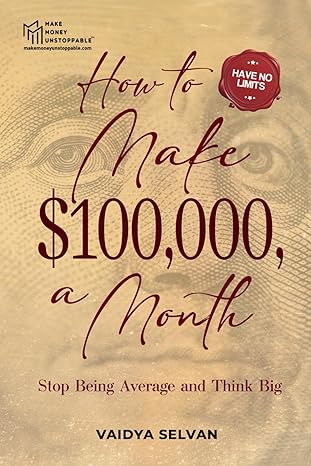
How to make $100,000/month? Stop being average and think big.
Stop Settling. Start Scaling.
Unlock the mindset, systems, and strategies top earners use to build unstoppable income.
Think Bigger. Earn Smarter.
This free eBook serves as your blueprint for scaling quickly, earning relentlessly, not settling for mediocrity, and living life on your terms.
Inside, you’ll discover:
- The Millionaire Mindset Blueprint
- Income streams that run on autopilot
- Entrepreneur hacks for focus and financial dominance
- One strategy to launch multiple income streams
- How to break free from “just enough”
- Tools to crush limiting beliefs and build your empire
Average doesn’t scale. Vision does. Download now and start your $100K/month transformation.
Yes, this eBook is free. Just drop in your email here to get instant access. ONE eBook per email.
The eBook is sent automatically and should arrive within minutes. Depending on your email provider, it may appear in your Spam or Promotions folder. While we don’t control its exact placement, you can be confident it has been dispatched and is waiting for you.
PLUS: Get Access to exclusive financial tips, learn everything about money and get early blog updates – delivered directly to your inbox .
1. What Is Impulse Buying?
Impulse buying is an unplanned purchase made without thought, intention, or evaluation. It is driven by emotion rather than logic.

Key signs of impulse buying:
- Buying without planning
- Feeling a sudden urge to purchase
- Acting before thinking
- Regretting purchases later
- Feeling emotional before or after buying
- Buying to feel better or avoid discomfort
2. Why Impulse Buying Happens
Impulse buying is not random. Emotional, mental, and environmental triggers help shape and propagate it.
Common reasons may include:
- Emotional reactions such as stress, boredom, or frustration
- Mental overload that reduces decision making clarity
- Instant gratification by seeking quick comfort
- Lack of spending boundaries
- Habitual behavior formed over time
- Not caring about your finances anymore
3. The Hidden Costs of Impulse Buys
Impulse buys may feel small at the moment, but they create long term financial and emotional consequences.
Hidden costs may include:
- Increased monthly expenses
- Reduced to no savings
- Higher financial stress
- Paycheck to paycheck living
- Emotional regret
- Mental clutter
- Loss of long term financial stability
4. Are You a Friend or Foe of Impulse Buys?
Being a friend of impulse buys means you support the habit without questioning it. Being a foe means you start to recognize the pattern and work to break it.

You may be a “friend” of impulse buys if:
- You buy quickly without thinking
- You feel a rush when spending
- You often regret purchases
- You avoid checking your spending
- You avoid looking at your bank balance
You may be a “foe” of impulse buys if:
- You pause before buying
- You track your spending
- You set limits and stick to them
- You choose long term goals over short term urges
- You know the difference between true needs and desirable wants
5. Common Triggers Behind Impulse Buying
Impulse buying is often triggered by emotional or mental states that make it easy to act without thinking. When emotions rise or the mind feels overloaded, it becomes harder to pause, reflect, and make intentional choices.

Emotional triggers:
- Stress
- Boredom
- Loneliness
- Frustration
- Anxiety
Mental triggers:
- Overthinking
- Lack of focus
- Decision fatigue
- Mental exhaustion
Environmental triggers:
- Easy access to buying
- One-click purchase
- Credit card stored in your computer
- Constant exposure to items
- Lack of spending boundaries
- Consuming content and ads

6. How Impulse Buys Affect Your Monthly Budget
Impulse buys can quietly drain your monthly budget without you noticing.
Monthly impacts:
- Higher spending
- Lower savings
- Difficulty paying bills
- Increased financial pressure
- Less money for important goals
- More emotional stress around finances
7. How to Break the Impulse Buying Cycle
Breaking the cycle requires awareness, intention, and following simple daily habits.
Practical steps:
- Create a waiting period before buying
- Track your spending weekly
- Set clear financial boundaries
- Identify emotional triggers
- Use a simple spending plan
- Limit exposure to buying environments
- Replace impulse buying with healthier habits

Helpful habits may include:
- Deep breathing before buying
- Thinking before acting
- Writing down what you want instead of buying it
- Ask yourself: Is this a real need, or just a want? Can you pay for it with cash instead of credit? Can you truly afford it without creating stress or debt?
- Reviewing your goals before making a purchase
8. Long Term Habits for Smarter Spending
Long term habits help you stay in control and reduce emotional spending.
You may choose to build these habits:
- Weekly budget check ins
- Monthly financial reviews
- Clear spending categories
- Simple routines for decision making
- Emotional awareness practices
- Digital decluttering to reduce triggers

Benefits may include:
- More financial stability
- Less emotional stress
- Better decision making
- Stronger self control
- Clearer long term goals
Conclusion
Your New Path to Intentional and Confident Spending
Impulse buying may feel small in the moment, but it can have a powerful impact on your emotional well-being, mental clarity, and monthly budget. When you understand what drives your impulses, how they affect your life, and how to manage them, you gain the power to make intentional choices that support your long term goals.

A lighter financial life is not about perfection. It is about awareness, balance, and steady progress. Every small step you take, such as pausing before buying, tracking your spending, understanding your emotions, and setting clear boundaries, helps you break the cycle of impulse buying and build a healthier relationship with money.
You deserve a life where your spending supports your goals, and not solely based on your desires or impulses. You deserve clarity, confidence, and control. And now you have the tools to create that path.
What feeling or thought usually pushes you to buy something on the spot, and what step will you take today to break that impulse-buying habit and regain control of your choices?
Join the conversation! Drop your thoughts in the comments below, and let’s keep the discussion going.
From Experience to insight : Transformational reads for the Strategic mind
Foundational readings for big shifts:
- How to Track Spending without Getting Overwhelmed
- The 7-Day Money Reset Plan: Take Back Control In Just One Week
- Are You Throwing Away $5,000 a Year on Food Waste Without Realizing It?
- The Real Cost of Owning a Big Home
- The Psychology of Spending: Why We Overspend and How to Stop It
- Mastering the Envelope Method
Author: Vaidya Selvan
Welcome to Make Money Unstoppable Personal Finance Made Simple, a blog born out of necessity, a space created from real-life experiences, hard-earned lessons, and a deep-seated desire to share what I wish someone had taught me or had known sooner.
Newsletter Invite
Want more real-world information on Money? Join my newsletter for practical tips, updates on my books, and strategies to help you build financial freedom on your terms.
Yes, the eBook is also free. Just drop in your email here to get instant access. ONE eBook per email.
The eBook is sent automatically and should arrive within minutes. Depending on your email provider, it may appear in your Spam or Promotions folder. While we don’t control its exact placement, you can be confident it has been dispatched and is waiting for you.
#FinancialFreedom #Newsletter #MoneyTips
Like this blog?
Related Blogs