


Stitch Your Savings: How Learning to Sew, Mend, and Repair Clothes Can Strengthen Your Finances
Introduction
The Hidden Money Skill Nobody Talks About
Last Updated: August 15, 2026
Disclaimer: I am not a licensed financial advisor, financial planner, tax professional, attorney, or employment consultant. The information provided in this blog is intended solely for general informational and educational purposes. This content should not be interpreted or construed as professional advice on financial, legal, tax, employment, or career matters. Always consult a qualified professional before making decisions that affect your personal situation. For transparency, some articles may include AI-assisted content. The idea is original and developed independently. All material is reviewed, edited, and approved before publication to ensure clarity and accuracy.
Most money advice sounds the same. Make a budget. Cut small expenses. Save a percentage of every paycheck. These tips are useful, but they skip over one of the simplest and most overlooked ways to protect your wallet: learning to sew, mend, and repair your own clothing.
Clothing is a recurring cost in every household budget. Shirts lose buttons. Seams split. Hems fall. Zippers stick. Instead of replacing these items, a small set of hand-sewing and mending skills can extend their life by months or even years. This is not just a nostalgic hobby from an older generation that has been looked down upon or even shamed and shunned. It is a practical, modern money-saving skill that fits into any budgeting plan, supports a more sustainable lifestyle, and reduces dependence on constant new purchases.
This blog breaks down exactly how sewing, mending, and clothing repair connect to personal finance. It explains the direct savings, the indirect savings, the skills you need to get started, and how this hobby can turn into a mindset that can help improve your overall relationship with money. Whether you are trying to lower your monthly expenses, build an emergency fund, reduce clutter, or simply become more self-sufficient, it lays out a clear and practical path.
Saving Money Through Sewing and Clothing Repair
Table of Contents
- Why Clothing Repair Is a Financial Skill, Not Just a Craft Skill
- The Direct Cost Savings of Mending Instead of Replacing
- The Indirect Financial Benefits of Learning to Sew
- Basic Sewing and Mending Skills Everyone Should Know
- Building a Low-Cost Sewing Kit on a Budget
- How Clothing Repair Supports Long-Term Financial Goals
- Sewing as a Sustainable and Budget-Friendly Lifestyle Choice
- Simple Ways to Start Learning Today
- Conclusion: Small Stitches, Big Financial Impact
Why Clothing Repair Is a Financial Skill, Not Just a Craft Skill
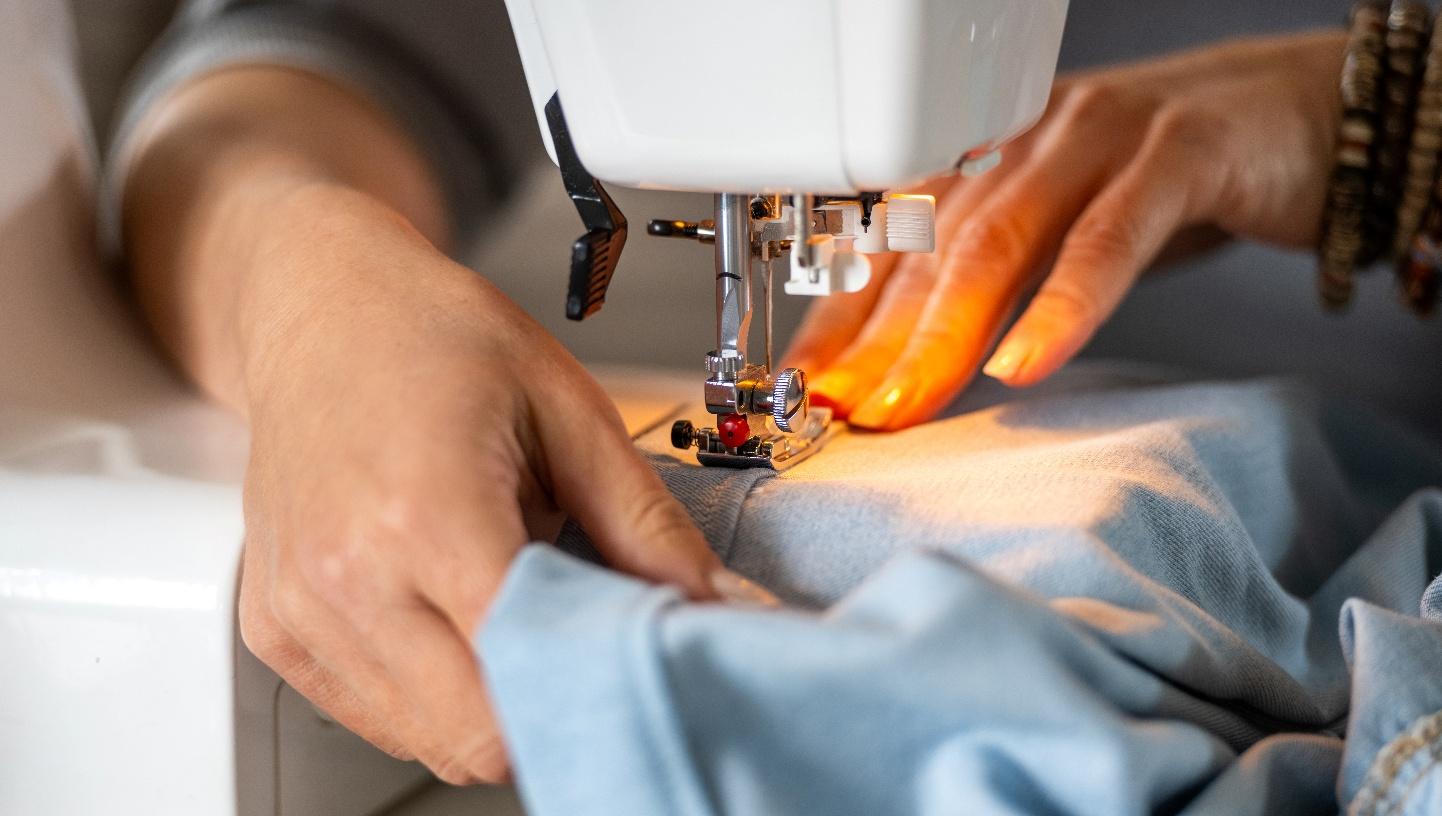
Sewing is often labeled as a creative hobby, but at its core, it is a form of financial literacy in action. Every repaired garment represents money that stays in your pocket instead of going toward a replacement purchase. When you view mending through a financial lens, it becomes clear that this skill belongs in the same category as budgeting, meal planning, and smart shopping.
Key reasons clothing repair may count as a financial skill:
- It directly reduces spending on replacement clothing.
- It builds a habit of resourcefulness, which carries over into other spending decisions.
- It reduces impulse shopping triggered by a single damaged item.
- It teaches patience and problem-solving, both of which support better financial decision-making.
- It shifts your mindset from “replace it” to “repair it,” which is a foundational money-saving habit.
Unlock your financial freedom.
Download this FREE eBook!.
How to make $100,000/month? Stop being average and think big.
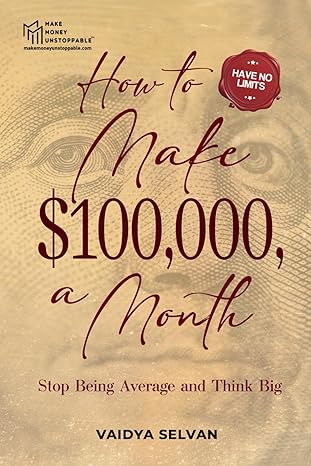
Stop Settling. Start Scaling.
Unlock the mindset, systems, and strategies top earners use to build unstoppable income.
Think Bigger. Earn Smarter.
This free eBook serves as your blueprint for scaling quickly, earning relentlessly, not settling for mediocrity, and living life on your terms.
Inside, you’ll discover:
- The Millionaire Mindset Blueprint
- Income streams that run on autopilot
- Entrepreneur hacks for focus and financial dominance
- One strategy to launch multiple income streams
- How to break free from “just enough”
- Tools to crush limiting beliefs and build your empire
Average doesn’t scale. Vision does. Download now and start your $100K/month transformation.
Yes, this eBook is free. Just drop in your email here to get instant access. ONE eBook per email.
The eBook is sent automatically and should arrive within minutes. Depending on your email provider, it may appear in your Spam or Promotions folder. While we don’t control its exact placement, you can be confident it has been dispatched and is waiting for you.
PLUS: Get Access to exclusive financial tips, learn everything about money and get early blog updates – delivered directly to your inbox .
2. The Direct Cost Savings of Mending Instead of Replacing
The most obvious financial benefit of sewing is the money saved by not buying new items. A missing button, a small tear, or a broken zipper can often be fixed in minutes with basic tools, yet many people discard the item and buy a replacement instead.
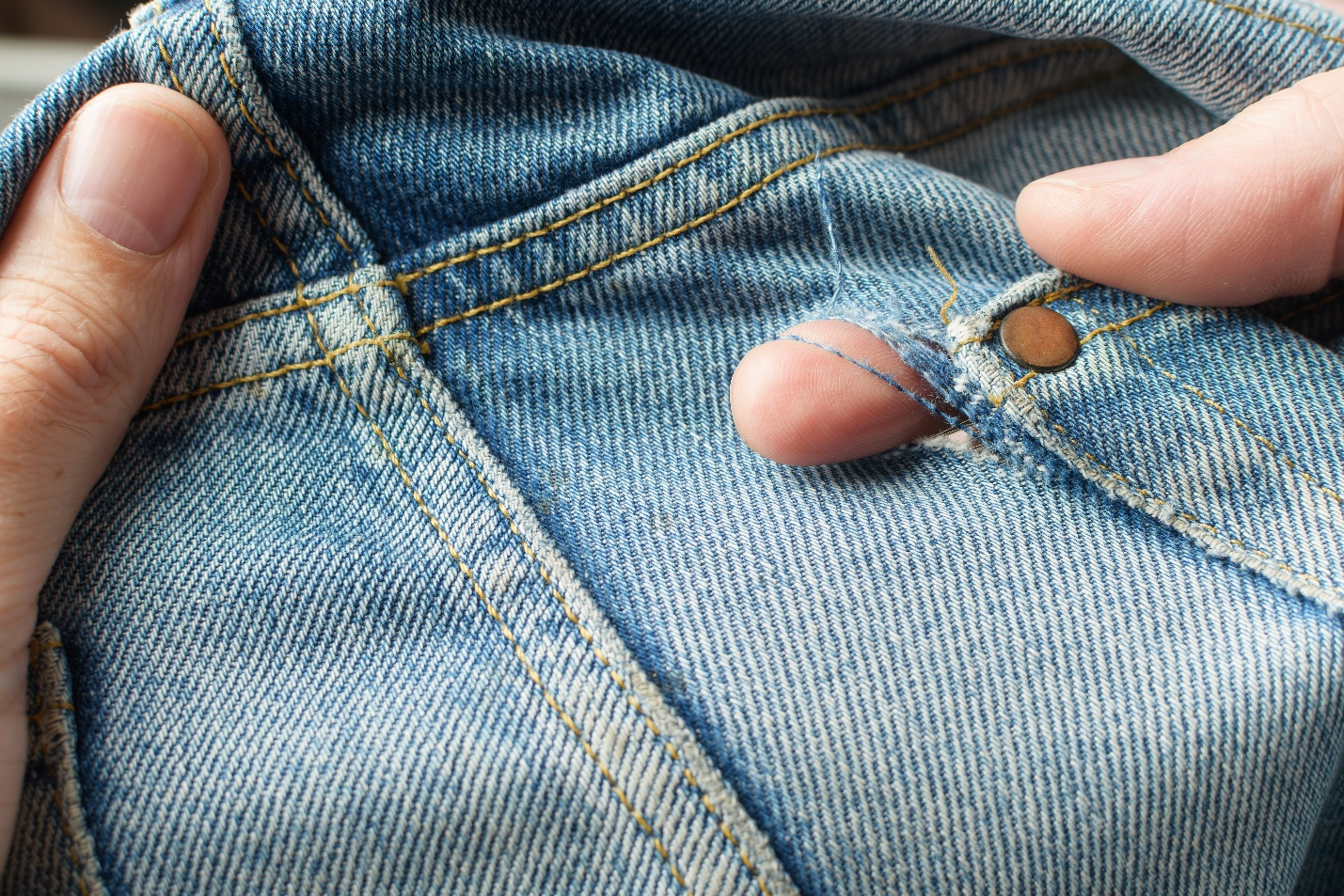
Direct savings from mending may include:
- Avoiding the full retail cost of a new item for a minor, fixable problem.
- Reducing spending on professional tailoring or repair services for simple fixes.
- Extending the usable life of higher-quality garments, which reduces the frequency of purchases.
- Preventing small damage from turning into larger, more expensive damage.
- Reducing the need for emergency clothing purchases when something breaks unexpectedly.
Over the course of a year, these small repairs can add up. A single skill applied consistently across an entire wardrobe can meaningfully lower a recurring expense category.
3. The Indirect Financial Benefits of Learning to Sew
Beyond the obvious savings, sewing can support financial wellness in less direct but equally important ways. These benefits may often have a bigger long-term impact than the repairs themselves.
Indirect financial benefits may include:
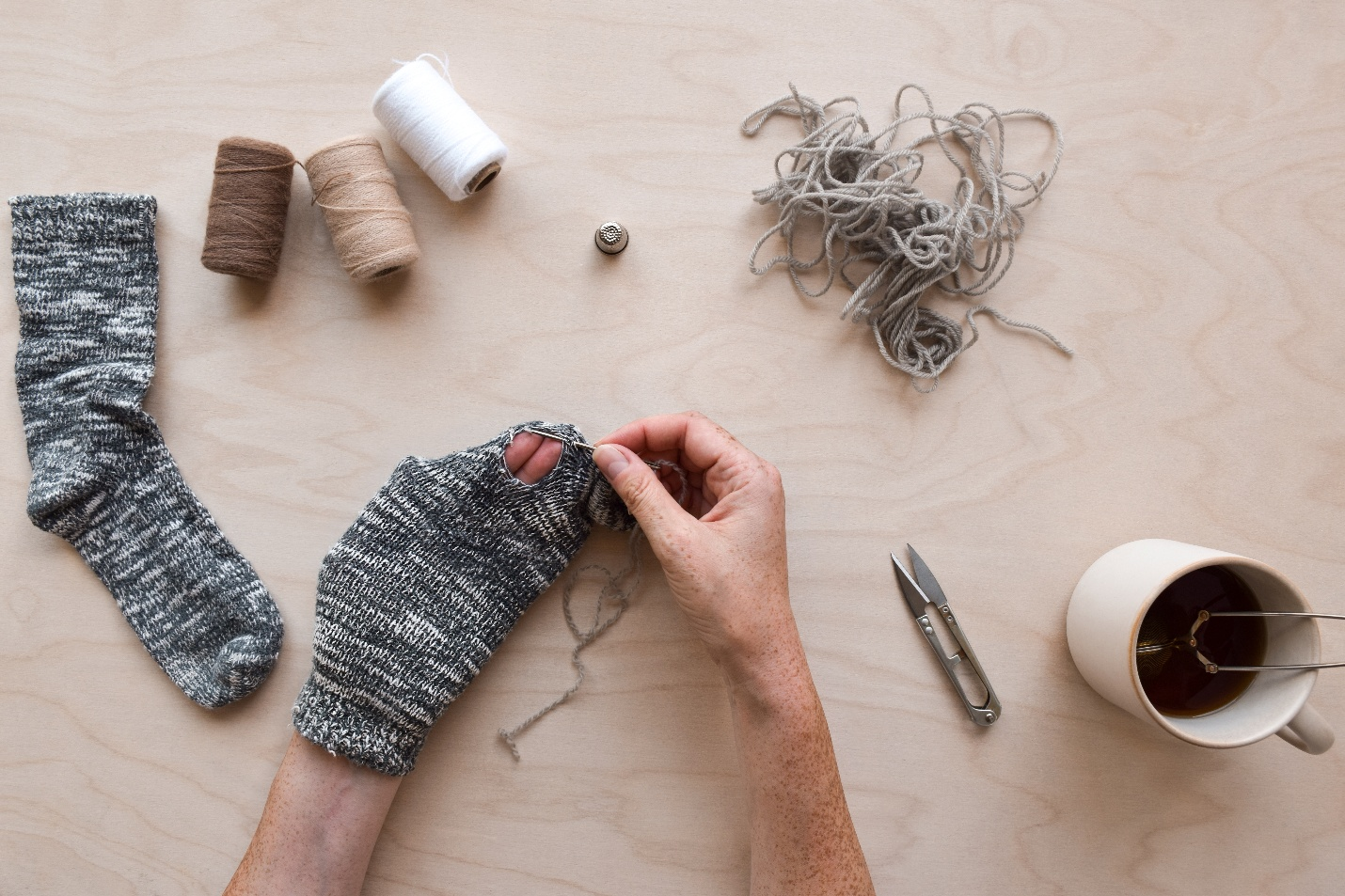
- Reduced impulse buying.When you know how to fix an item, you are less likely to replace it out of frustration or inconvenience.
- Lower reliance on fast fashion.Fast fashion items are often cheaply made and wear out quickly, creating a cycle of frequent, low-value purchases. Mending breaks this cycle.
- Improved budgeting accuracy.Clothing repair costs are predictable and low, unlike unpredictable replacement costs.
- Increased self-sufficiency.Relying less on outside services builds confidence in handling other financial and household tasks yourself.
- A stronger appreciation for value.Repairing an item builds awareness of quality, materials, and craftsmanship, which improves future purchasing decisions.
4. Basic Sewing and Mending Skills Everyone Should Know
You do not need advanced training to save money through sewing. A small set of foundational skills covers most common clothing problems.
Essential beginner skills may include:
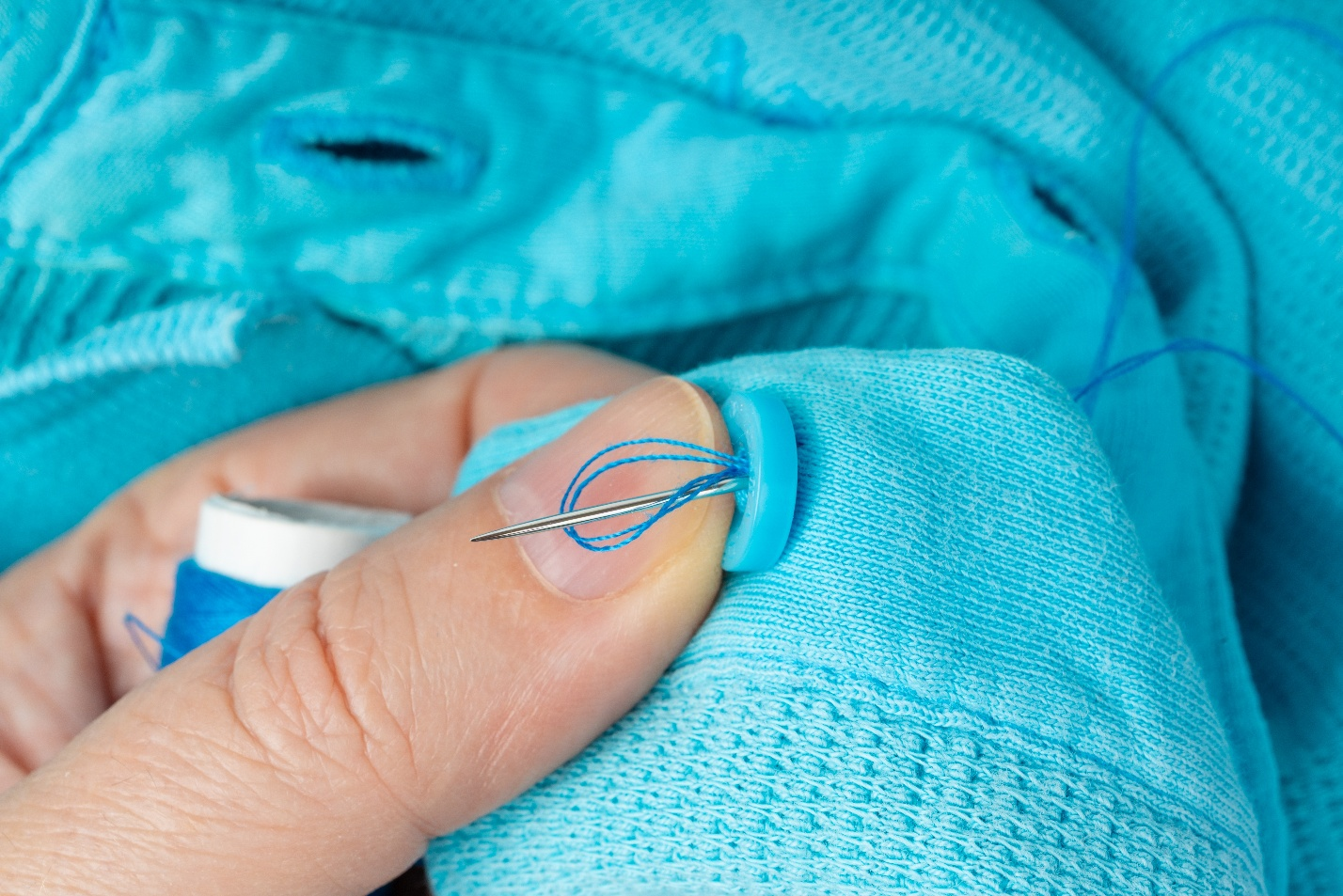
- Sewing on a button
- Fixing a split seam
- Hemming pants, skirts, or sleeves
- Patching a small hole or tear
- Reinforcing weak seams before they fully break
- Replacing a broken zipper
- Darning knitted or woven fabric
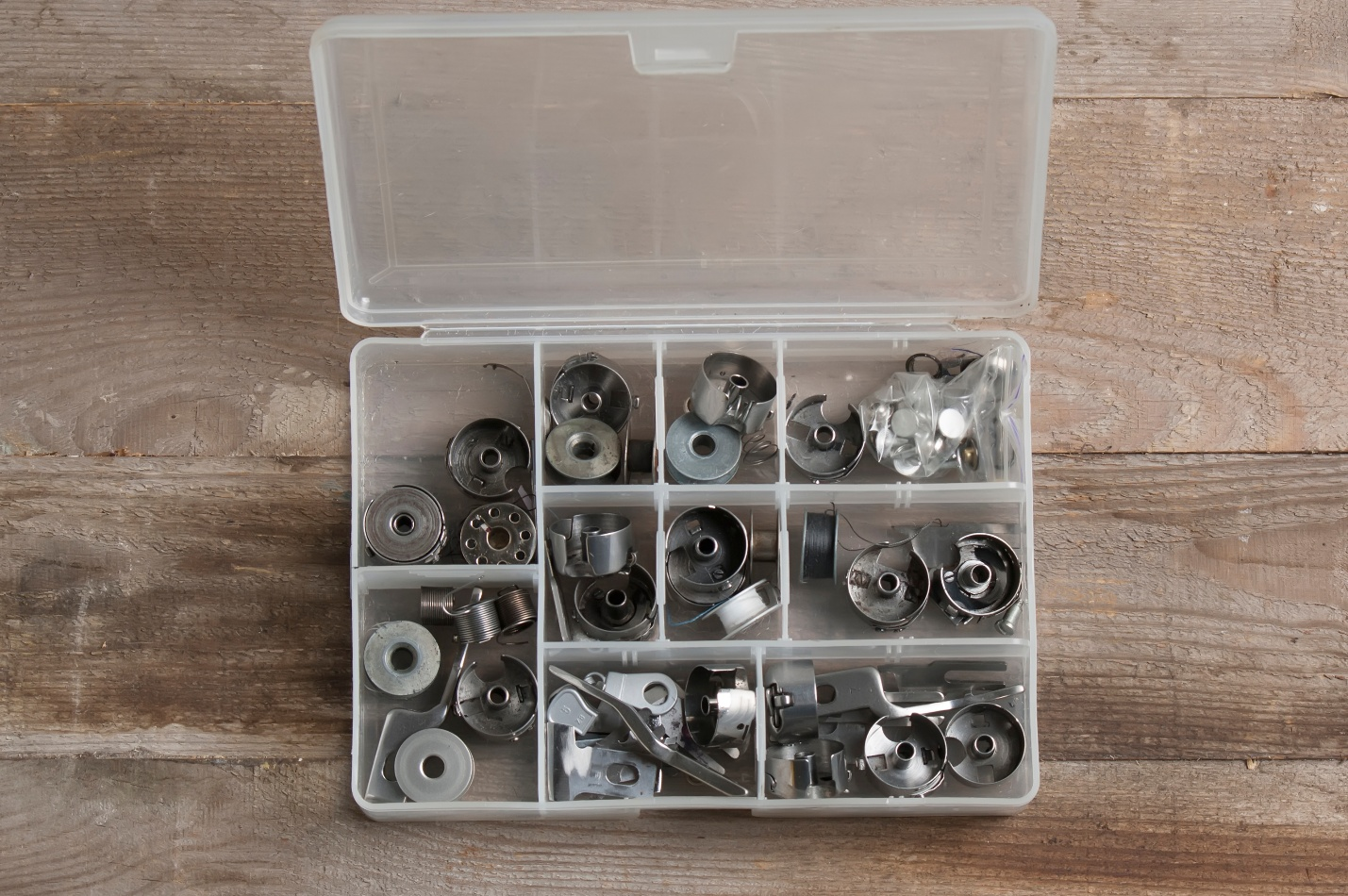
These skills are simple to learn and require minimal practice before they become second nature. Each one directly targets a common, everyday clothing issue that would otherwise lead to a replacement purchase.
5. Building a Low-Cost Sewing Kit on a Budget
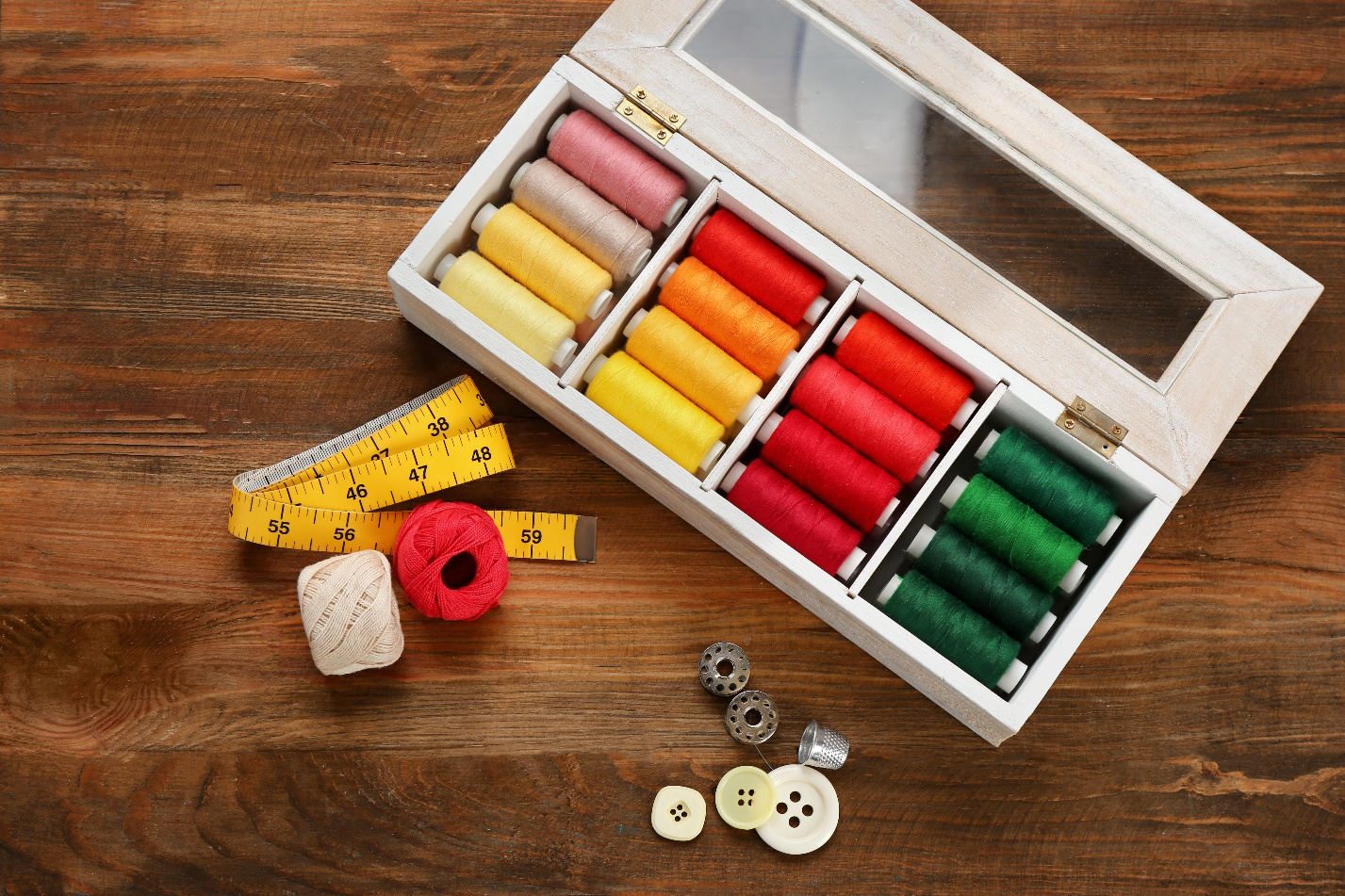
Starting this skill does not require an expensive setup. A basic mending kit can be affordable and still cover the majority of common repairs.
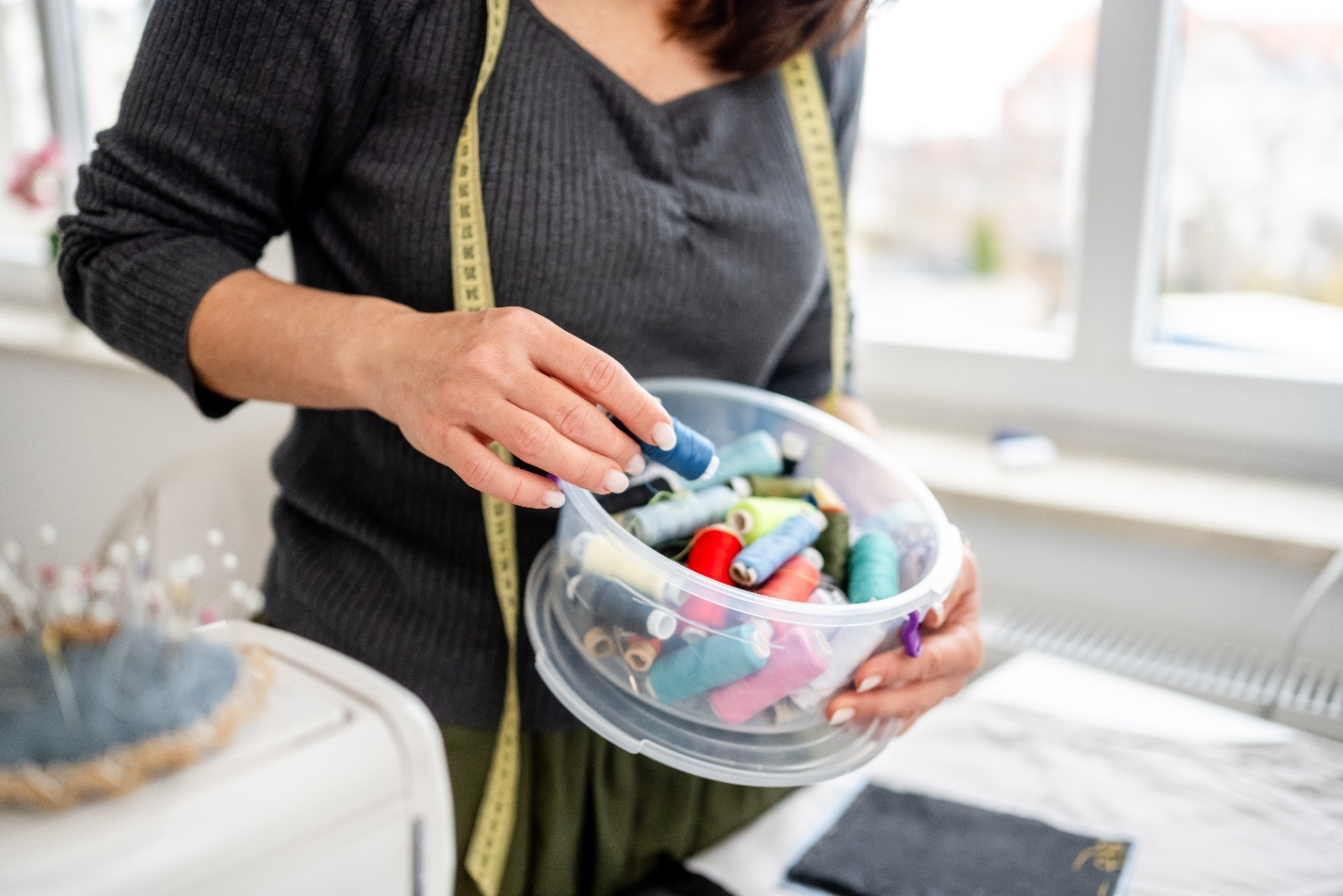
Core items for a starter kit:
- A set of hand-sewing needles in different sizes
- Multiple spools of thread in neutral and common colors
- A small pair of fabric scissors
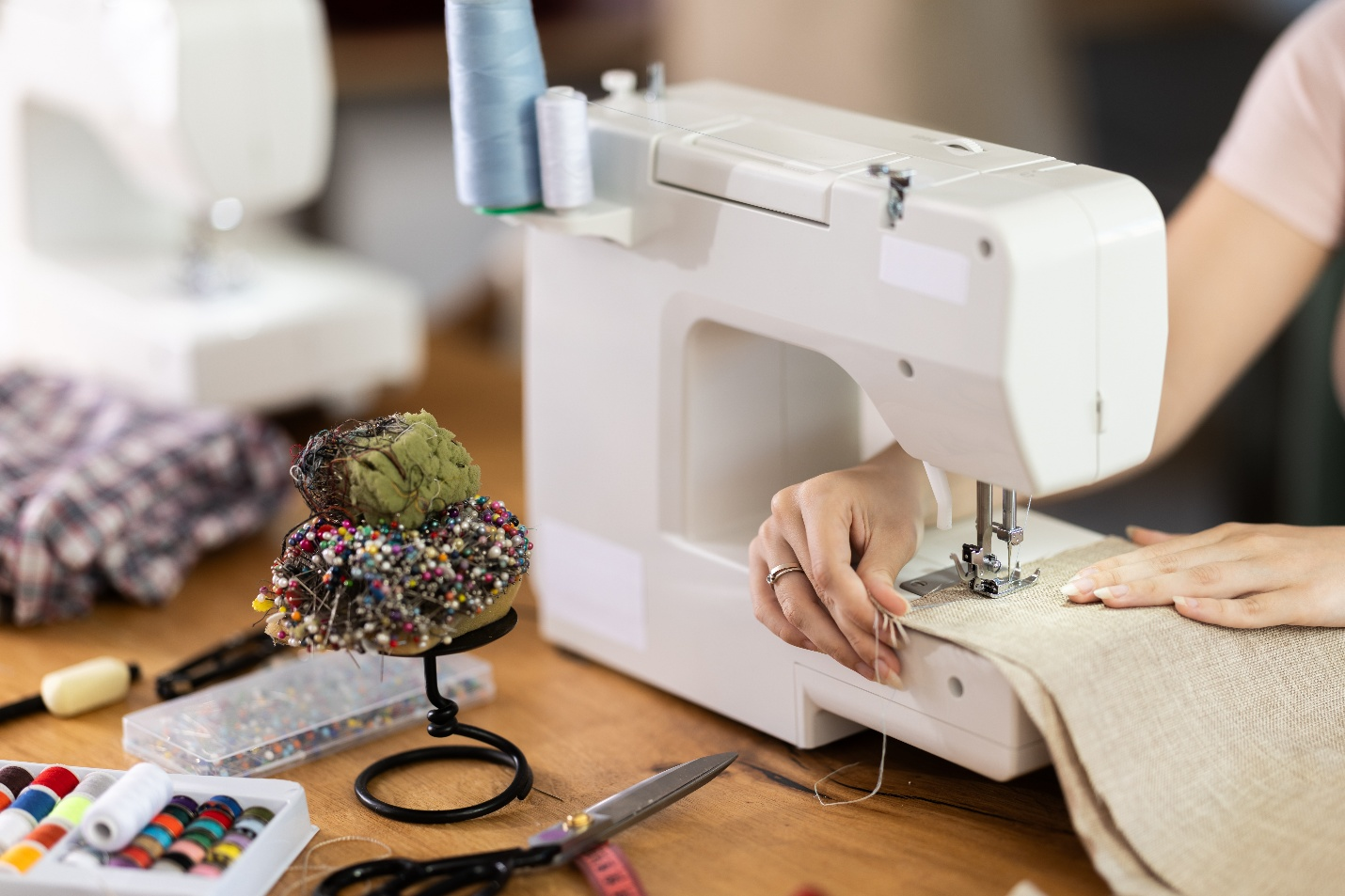
- Straight pins and a pincushion
- A seam ripper for correcting mistakes
- Extra buttons in various sizes
- A measuring tape
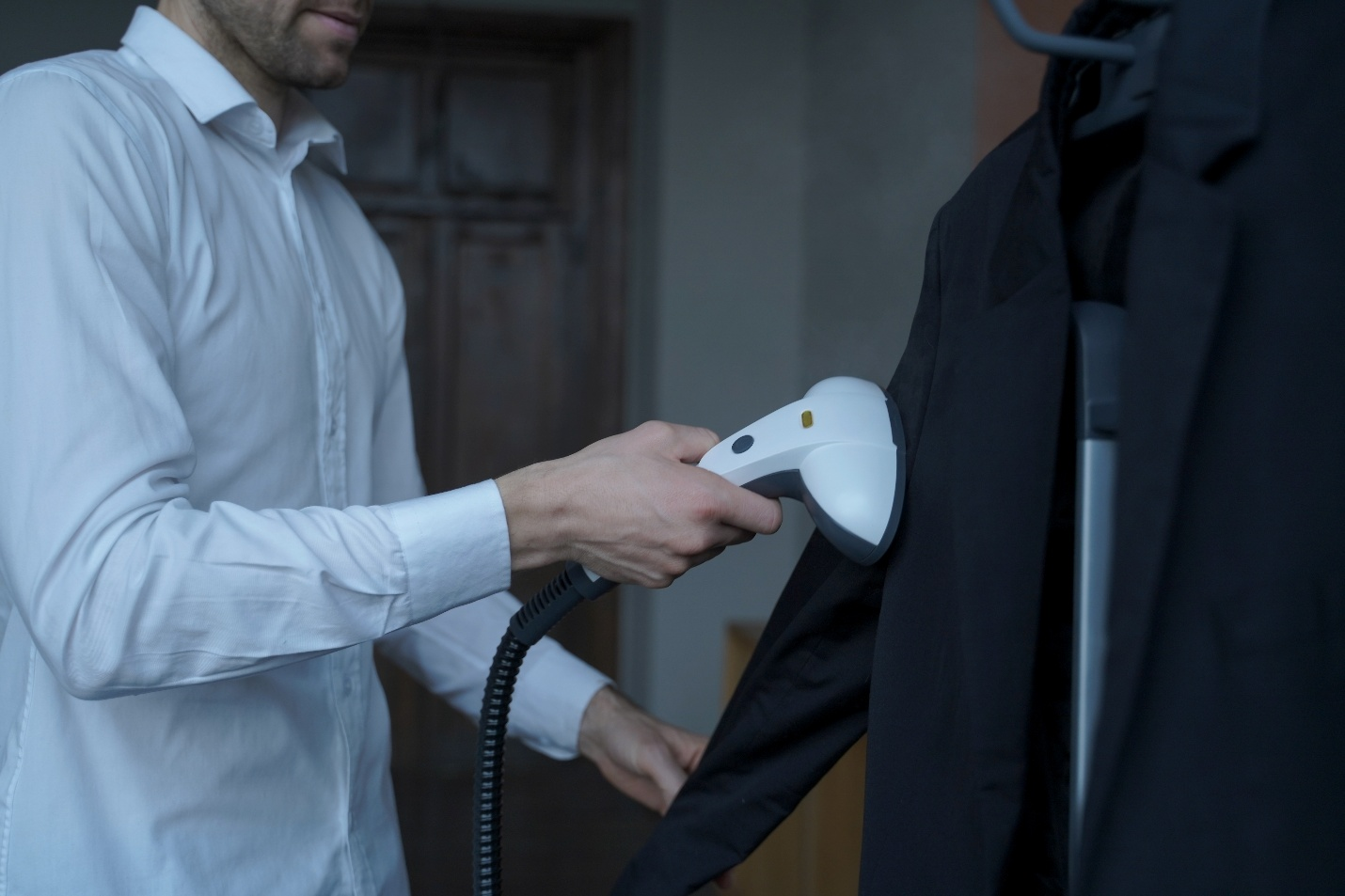
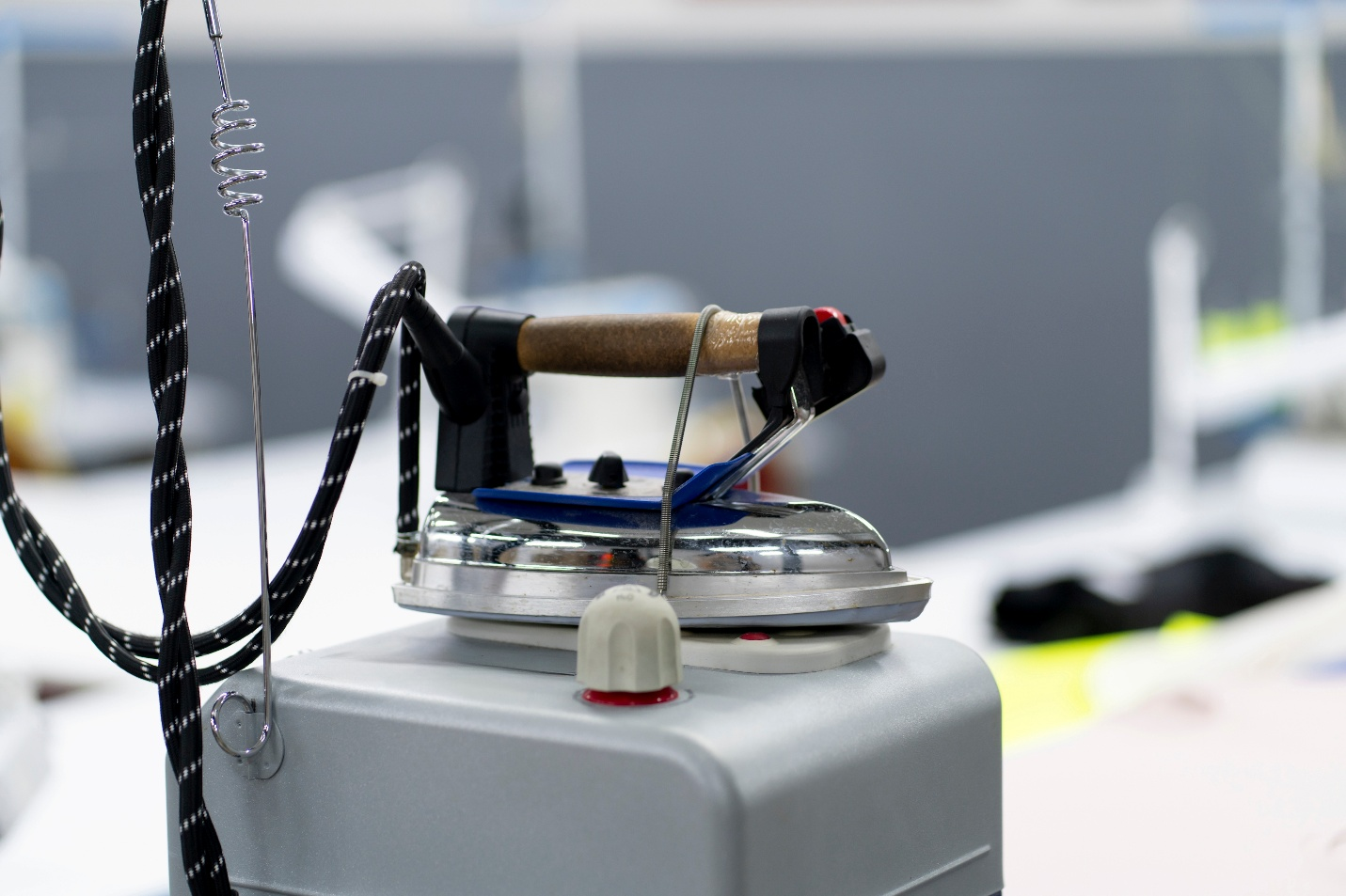
- An iron or a small handheld steamer for pressing seams
This type of kit is a one-time, low-cost investment that usually pays for itself quickly once you begin repairing items instead of replacing them.
6. How Clothing Repair Supports Long-Term Financial Goals
Sewing and mending are not just about saving money on individual items. Over time, this habit can help support larger financial goals.
Long-term financial advantages may include:
- Frees up money that can be redirected toward savings or debt repayment.
- Reduces overall clothing expenses, which is often an underestimated part of household budgets.
- Supports a slower, more intentional approach to spending in general.
- Builds a mindset of maintenance and prevention, which applies to other financial areas such as home upkeep and vehicle care.
- Encourages long-term thinking about purchases, since well-made items are worth repairing rather than discarding.
This shift in mindset often extends beyond clothing. People who learn to repair one category of household item frequently apply the same problem-solving approach to other expenses.
7. Sewing as a Sustainable and Budget-Friendly Lifestyle Choice
Financial savings and sustainable living often overlap, and clothing repair is one of the clearest examples of this connection.
Benefits that combine financial and lifestyle value:
- Reduces the amount of clothing sent to landfills, which lowers environmental impact.
- Supports a smaller, more functional wardrobe instead of constant turnover.
- Encourages buying higher-quality items less often, rather than lower-quality items frequently.
- Reduces overall consumption, which naturally supports a lower-spending lifestyle.
- Builds a sense of long-term value in belongings rather than short-term convenience.
8. Simple Ways to Start Learning Today
Getting started does not require formal classes or a large time commitment. A few small steps can help build this skill quickly.
Ways to begin:
- Start with one small repair, such as sewing on a button, before moving to more complex tasks.
- Practice on older or less important items before working on higher-value pieces.
- Learn one new skill at a time rather than trying to master everything at once.
- Set aside a small, regular block of time each week dedicated to mending.
- Keep a simple list of items that need repair so nothing gets forgotten or discarded unnecessarily.
- Focus on consistency rather than speed, since accuracy improves with practice.
Conclusion:
Small Stitches, Big Financial Impact
Learning to sew, mend, and repair clothing is a practical, low-cost skill with a real and measurable impact on personal finances. The direct savings from avoiding unnecessary replacement purchases are significant on their own, but the indirect benefits are just as valuable. This skill can help reduce impulse spending, build patience, support more intentional purchasing habits, and strengthen a mindset of resourcefulness that extends far beyond the closet.
Unlike many financial strategies that require complex planning or significant upfront investment, mending and repair skills are accessible to almost everyone. A small, affordable sewing kit and a handful of basic techniques are enough to start reducing expenses immediately. Over time, these small, consistent actions may add up to meaningful savings and a more sustainable, self-sufficient approach to everyday living.
In short, a needle and thread can be one of the most practical financial tools in your home. The sooner this skill becomes part of your routine, the sooner it starts paying off. The choice is yours to make.
Before you toss that slightly damaged item and buy a new one, have you ever stopped to think about everything that went into making it — the raw materials, the labor, the transportation, the warehousing, and the retail costs — and everything it takes to make its replacement, all while a five-minute repair could have saved it?
Join the conversation! Drop your thoughts in the comments below, and let’s keep the discussion going.
From Experience to insight : Transformational reads for the Strategic mind
Foundational readings for big shifts:
- How to Track Spending without Getting Overwhelmed
- The 7-Day Money Reset Plan: Take Back Control In Just One Week
- Are You Throwing Away $5,000 a Year on Food Waste Without Realizing It?
- The Real Cost of Owning a Big Home
- The Psychology of Spending: Why We Overspend and How to Stop It
- Mastering the Envelope Method

Author: Vaidya Selvan
Welcome to Make Money Unstoppable Personal Finance Made Simple, a blog born out of necessity, a space created from real-life experiences, hard-earned lessons, and a deep-seated desire to share what I wish someone had taught me or had known sooner.

Newsletter Invite
Want more real-world information on Money? Join my newsletter for practical tips, updates on my books, and strategies to help you build financial freedom on your terms.
Yes, the eBook is also free. Just drop in your email here to get instant access. ONE eBook per email.
The eBook is sent automatically and should arrive within minutes. Depending on your email provider, it may appear in your Spam or Promotions folder. While we don’t control its exact placement, you can be confident it has been dispatched and is waiting for you.
#FinancialFreedom #Newsletter #MoneyTips
Like this blog?
Related Blogs