

The Real Hidden Cost of Minimum Payments: Why Paying the Least Could Cost You the Most
Introduction
The Silent Trap Hiding in Your Monthly Statement
Last Updated: August 11, 2026

Disclaimer: I am not a licensed financial advisor, financial planner, tax professional, attorney, or employment consultant. The information provided in this blog is intended solely for general informational and educational purposes. This content should not be interpreted or construed as professional advice on financial, legal, tax, employment, or career matters. Always consult a qualified professional before making decisions that affect your personal situation. For transparency, some articles may include AI-assisted content. The idea is original and developed independently. All material is reviewed, edited, and approved before publication to ensure clarity and accuracy.
Every month, a small number on a loan or credit card statement quietly shapes your financial future: the minimum payment. It may look harmless. It looks manageable. It looks like the responsible, low-stress choice when money is tight. But behind that small number sits one of the most expensive financial habits a person can fall into.
Minimum payments are designed to keep an account in good standing, not to help a borrower become debt-free. They are calculated to be just large enough to avoid penalties, while leaving the bulk of the balance untouched. Over time, this creates a slow, compounding drain on your income through interest charges, extended repayment timelines, and a growing balance that can feel impossible to shrink.

This blog breaks down exactly how minimum payments work, why they cost so much more than they appear to, and what practical steps can reduce or eliminate this hidden financial burden. The goal is simple: to replace confusion with clarity, and to turn a passive habit into an active, informed financial decision.
Understanding and Escaping the Minimum Payment Trap
Table of Contents
- What a Minimum Payment Actually Is
- How Interest Turns a Small Payment into a Long-Term Cost
- The True Price Tag: Time, Interest, and Opportunity Cost
- How Minimum Payments Affect Credit Scores and Borrowing Power
- The Psychology Behind Why Minimum Payments Feel Safe
- Common Myths About Minimum Payments
- Practical Strategies to Break Free from Minimum Payments
- Building Long-Term Habits That Prevent the Trap from Returning
- Conclusion: Turning a Passive Habit into an Active Financial Strategy
Unlock your financial freedom.
Download this FREE eBook!.
How to make $100,000/month? Stop being average and think big.
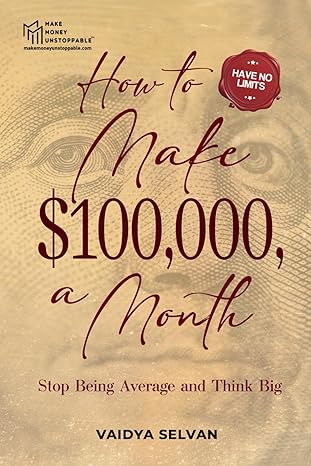
Stop Settling. Start Scaling.
Unlock the mindset, systems, and strategies top earners use to build unstoppable income.
Think Bigger. Earn Smarter.
This free eBook serves as your blueprint for scaling quickly, earning relentlessly, not settling for mediocrity, and living life on your terms.
Inside, you’ll discover:
- The Millionaire Mindset Blueprint
- Income streams that run on autopilot
- Entrepreneur hacks for focus and financial dominance
- One strategy to launch multiple income streams
- How to break free from “just enough”
- Tools to crush limiting beliefs and build your empire
Average doesn’t scale. Vision does. Download now and start your $100K/month transformation.
Yes, this eBook is free. Just drop in your email here to get instant access. ONE eBook per email.
The eBook is sent automatically and should arrive within minutes. Depending on your email provider, it may appear in your Spam or Promotions folder. While we don’t control its exact placement, you can be confident it has been dispatched and is waiting for you.
PLUS: Get Access to exclusive financial tips, learn everything about money and get early blog updates – delivered directly to your inbox .
1. What a Minimum Payment Actually Is
A minimum payment is the smallest amount a lender allows a borrower to pay each billing cycle without triggering a late fee or default status. It is usually calculated as either:
- A small fixed percentage of the total outstanding balance, commonly between 1% and 3%
- A flat minimum dollar amount, whichever is greater
- A combination of interest charges plus a small portion of the principal balance
Because this amount is intentionally kept low, it primarily covers interest and fees first, with only a small fraction going toward reducing the actual amount owed. This structure usually benefits the lender far more than the borrower, since it keeps the balance active and accruing interest for as long as possible.
2. How Interest Turns a Small Payment into a Long-Term Cost
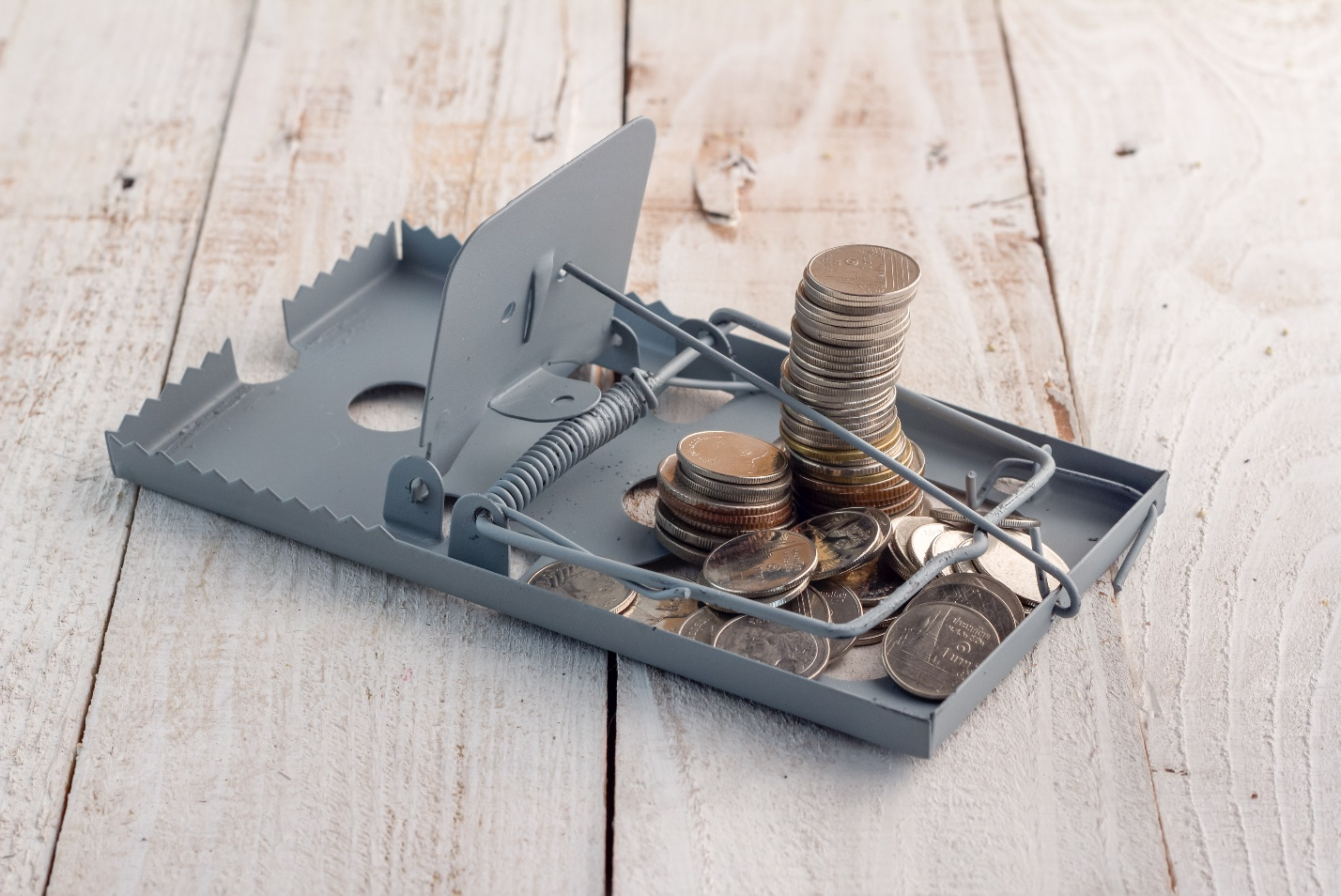
Interest is the core mechanism that makes minimum payments so costly. Most loans and credit card accounts calculate interest based on the remaining balance, which means the more principal that remains, the more interest accumulates.
When only the minimum is paid:
- A large share of each payment goes toward interest rather than principal
- The remaining balance shrinks very slowly, sometimes by only a few dollars per cycle
- New interest is calculated on a balance that has barely decreased
- The repayment period stretches from a few years into potentially a decade or more
- The total interest paid can end up exceeding the original amount borrowed
This is why two people with identical starting balances can end up paying dramatically different total amounts, simply based on how much above the minimum they choose to pay.
3. The True Price Tag: Time, Interest, and Opportunity Cost
The hidden cost of minimum payments isn’t limited to interest charges. It extends into three major areas:
Time Cost
- Extended repayment periods can turn a short-term balance into a long-term financial obligation
- Debt that could be cleared in a few years can stretch into ten, fifteen, or more years
- Every extra year in debt is a year of reduced financial flexibility
Interest Cost
- The total interest paid over the life of the balance can equal or surpass the original principal
- Compounding interest means the cost grows faster the longer the balance remains high
- Even a modest balance can generate a surprisingly large lifetime interest bill
Opportunity Cost
- Money spent on prolonged interest payments cannot be saved, invested, or used for other goals
- Delayed savings reduce the benefits of compound growth over time
- Long-term debt can limit the ability to qualify for other financial products, such as housing or vehicle financing
4. How Minimum Payments Affect Credit Scores and Borrowing Power
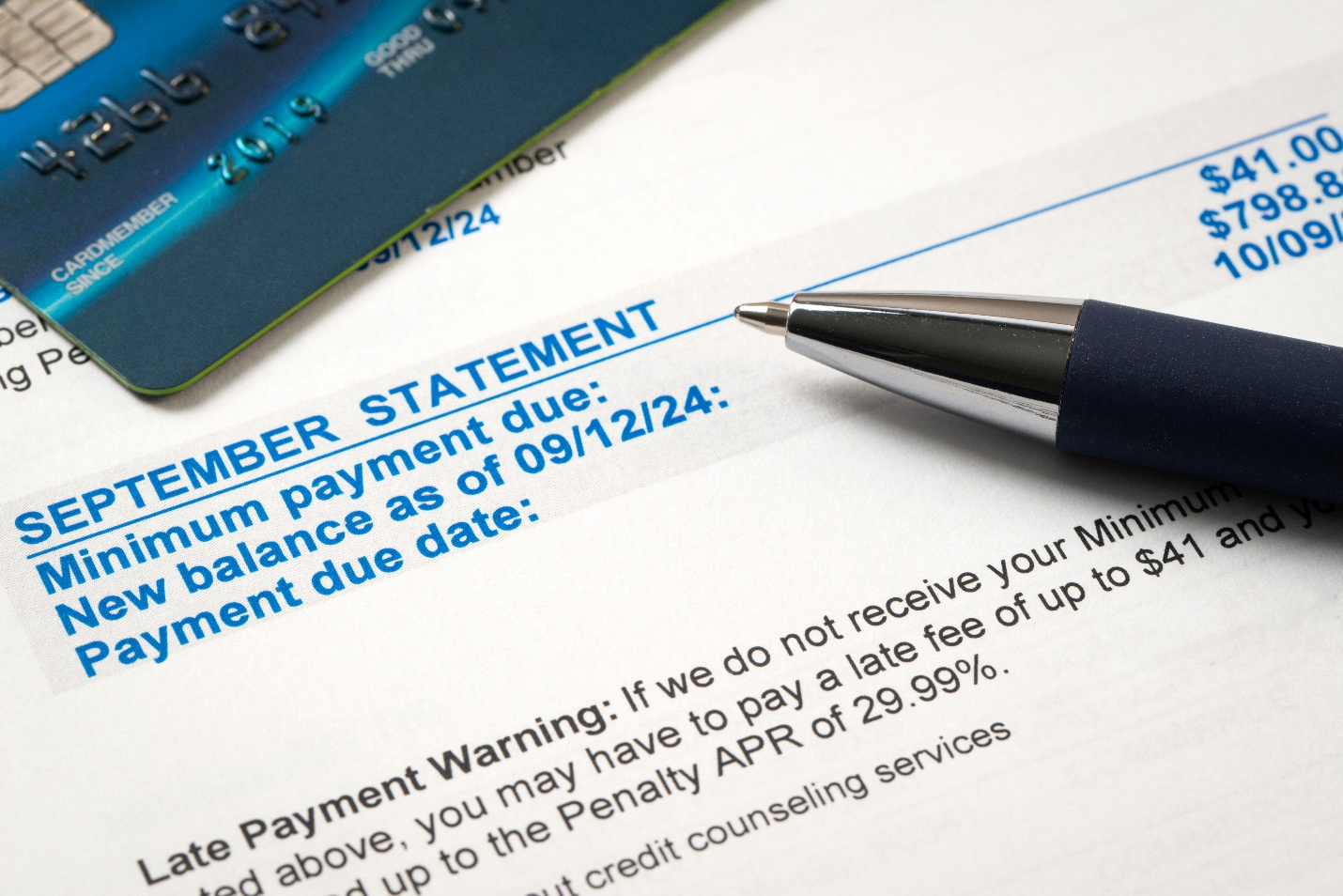
Minimum payments don’t just cost money directly; they can also influence your creditworthiness in several ways:
- Credit utilization ratio: Carrying a high balance relative to available credit, even while making minimum payments, can lower a credit score
- Debt-to-income ratio: Extended repayment timelines keep monthly obligations high for longer, which can affect eligibility for future loans
- Perceived risk: Lenders may view consistently high balances as a sign of financial strain, even if payments are never missed
- Limited borrowing flexibility: A high revolving balance can reduce the amount of credit available for emergencies or opportunities
Paying only the minimum keeps an account “current,” but it does little to improve the underlying financial profile that lenders evaluate.

5. The Psychology Behind Why Minimum Payments Feel Safe
Minimum payments are appealing because they may tend to reduce short-term stress. Understanding the psychological pull behind this habit can help in breaking it:
- Loss aversion: Paying more each month may feel like an immediate loss, while the future cost of interest feels abstract and distant
- Present bias: Humans tend to prioritize short-term comfort over long-term savings, even when the math clearly favors the latter
- Perceived safety: Meeting the minimum feels like “doing enough,” even though it barely addresses the underlying balance
- Payment fatigue: When debt feels overwhelming, the smallest required action can feel like the only manageable option
Recognizing these patterns is the first step toward making decisions based on long-term outcomes rather than short-term comfort.
6. Common Myths About Minimum Payments
Several misconceptions exist that may keep people locked into this costly habit:
- Myth: Paying the minimum protects your credit score.Reality: It prevents penalties, but high balances can still lower your score through credit utilization.
- Myth: Minimum payments are designed to help you pay off debt efficiently.Reality: They are structured primarily to maximize interest collected over time.
- Myth: A low monthly payment means the debt is manageable.Reality: A low payment can mask a balance that is barely decreasing, or even growing due to fees and interest.
- Myth: Extra payments don’t make a meaningful difference.Reality: Even small additional payments toward principal can significantly reduce total interest and repayment time.
7. Practical Strategies to Break Free from Minimum Payments
Reducing reliance on minimum payments doesn’t require a large income increase. Small, consistent changes can help produce significant results:
- Pay more than the minimum whenever possible, even by a small fixed amount each cycle
- Target the highest-interest balances firstto reduce the fastest-growing costs
- Consider the avalanche method, which prioritizes paying off debt with the highest interest rate first
- Consider the snowball method, which prioritizes paying off the smallest balances first for psychological momentum
- Round up paymentsto the nearest convenient number rather than paying the exact minimum
- Automate extra paymentsso additional principal reduction happens without requiring ongoing willpower
- Review interest rates periodicallyand explore lower-rate refinancing or consolidation options when and where appropriate
- Avoid adding new chargesto a balance that is already being paid down
- Track total balance trends monthlyrather than only checking whether the minimum was met

8. Building Long-Term Habits That Prevent the Trap from Returning
Escaping minimum payments once is helpful, but preventing a return to the same pattern requires ongoing habits:
- Build a small emergency fundto avoid relying on credit for unexpected expenses
- Create a simple monthly budgetthat accounts for debt repayment as a fixed priority, not an afterthought
- Set a target payoff dateand work backward to calculate the required monthly payment
- Review statements regularlyto understand how much of each payment goes toward interest versus principal
- Limit the number of open revolving accountsto reduce the temptation of spreading balances thin
- Reassess financial goals periodicallyto ensure debt repayment aligns with broader priorities like savings and investing
Conclusion:
Turning a Passive Habit into an Active Financial Strategy
Minimum payments are not inherently dangerous when used briefly during a genuinely tight financial period. The real danger lies in treating them as a long-term strategy rather than a short-term safety net. Over months and years, the gap between “meeting the minimum” and “actively reducing debt” translates into thousands of dollars in avoidable interest, extended timelines, and reduced financial flexibility.

The encouraging news is that breaking free from this pattern doesn’t require dramatic lifestyle changes. Small, consistent adjustments, paying a bit more than required, targeting high-interest balances first, and tracking progress regularly, can compound into significant savings over time. Just as debt grows through compounding interest, financial progress can compound through consistent, informed action.
Understanding the true cost of minimum payments can help transform them from an invisible, automatic habit into a deliberate financial choice. That shift in awareness is often the first and most powerful step toward lasting financial stability.
If you looked at your last statement right now, do you know how much of your payment actually went toward reducing what you owe — or was it mostly interest?
Join the conversation! Drop your thoughts in the comments below, and let’s keep the discussion going.
From Experience to insight : Transformational reads for the Strategic mind
Foundational readings for big shifts:
- How to Track Spending without Getting Overwhelmed
- The 7-Day Money Reset Plan: Take Back Control In Just One Week
- Are You Throwing Away $5,000 a Year on Food Waste Without Realizing It?
- The Real Cost of Owning a Big Home
- The Psychology of Spending: Why We Overspend and How to Stop It
- Mastering the Envelope Method
Author: Vaidya Selvan
Welcome to Make Money Unstoppable Personal Finance Made Simple, a blog born out of necessity, a space created from real-life experiences, hard-earned lessons, and a deep-seated desire to share what I wish someone had taught me or had known sooner.

Newsletter Invite
Want more real-world information on Money? Join my newsletter for practical tips, updates on my books, and strategies to help you build financial freedom on your terms.
Yes, the eBook is also free. Just drop in your email here to get instant access. ONE eBook per email.
The eBook is sent automatically and should arrive within minutes. Depending on your email provider, it may appear in your Spam or Promotions folder. While we don’t control its exact placement, you can be confident it has been dispatched and is waiting for you.
#FinancialFreedom #Newsletter #MoneyTips
Like this blog?
Related Blogs