


The Money-Saving Power of Intentional Buying: A Simple Guide to Smarter Spending
What's Inside This Blog
- What Intentional Buying Really Means
- Why Impulse Spending Costs More Than You Think
- The Core Benefits of Intentional Buying
- Practical Steps to Build an Intentional Buying Habit
- Common Mistakes That Undo Your Savings
- Simple Tools and Tricks to Stay on Track
- Final Thoughts: Turning Intentional Buying into Lasting Savings
Last Updated: August 7, 2026

Disclaimer: I am not a licensed financial advisor, financial planner, tax professional, attorney, or employment consultant. The information provided in this blog is intended solely for general informational and educational purposes. This content should not be interpreted or construed as professional advice on financial, legal, tax, employment, or career matters. Always consult a qualified professional before making decisions that affect your personal situation. For transparency, some articles may include AI-assisted content. The idea is original and developed independently. All material is reviewed, edited, and approved before publication to ensure clarity and accuracy.
Start Here: Why Intentional Buying Matters More Than Ever
Every purchase is a small decision, and small decisions add up fast. Rising prices, constant advertising, and one-click checkout buttons make it easier than ever to spend without thinking. This is where intentional buying comes in. Intentional buying is the practice of pausing before a purchase, checking if it fits your needs and your budget, and only buying when the answer is yes. It is not about giving up nice things. It is about spending on purpose instead of spending on autopilot.

This blog breaks down what intentional buying is, why it saves real money, and how you can start using it today. Whether you are trying to build savings, pay down debt, or simply stop wasting money on things you never use, this gives you clear, actionable steps.
By the end of this blog, you will understand the true cost of unplanned spending, the specific benefits of shopping with intention, and a step-by-step plan you can start using immediately.
What Intentional Buying Really Means
Intentional buying is a mindset, not a strict rule book. At its core, it means asking a simple question before every purchase: does this add real value to my life right now? If the answer is unclear, the purchase must wait.
This approach is different from strict budgeting or extreme frugality. It does not require cutting out all spending or tracking every cent. Instead, it focuses on the quality of each buying decision. A few ideas define intentional buying:

- Buying based on need or genuine want, not boredom or habit
- Taking time to compare value instead of reacting to a sale or discount
- Matching purchases to personal goals, such as saving for a home or reducing debt
- Choosing fewer, better, and durable items over many low-quality ones
- Reflecting on past purchases to understand spending patterns
Intentional buying works because it slows down the decision-making process. That short pause is often enough to separate a real need from a passing impulse.
Unlock your financial freedom.
Download this FREE eBook!.
How to make $100,000/month? Stop being average and think big.
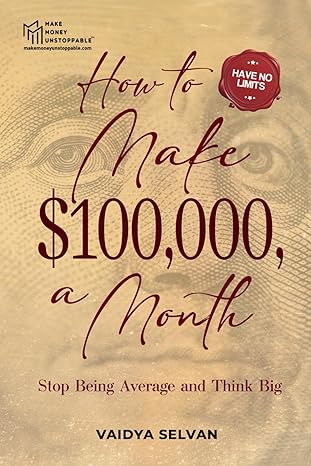
Stop Settling. Start Scaling.
Unlock the mindset, systems, and strategies top earners use to build unstoppable income.
Think Bigger. Earn Smarter.
This free eBook serves as your blueprint for scaling quickly, earning relentlessly, not settling for mediocrity, and living life on your terms.
Inside, you’ll discover:
- The Millionaire Mindset Blueprint
- Income streams that run on autopilot
- Entrepreneur hacks for focus and financial dominance
- One strategy to launch multiple income streams
- How to break free from “just enough”
- Tools to crush limiting beliefs and build your empire
Average doesn’t scale. Vision does. Download now and start your $100K/month transformation.
Yes, this eBook is free. Just drop in your email here to get instant access. ONE eBook per email.
The eBook is sent automatically and should arrive within minutes. Depending on your email provider, it may appear in your Spam or Promotions folder. While we don’t control its exact placement, you can be confident it has been dispatched and is waiting for you.
PLUS: Get Access to exclusive financial tips, learn everything about money and get early blog updates – delivered directly to your inbox .
Why Impulse Spending Costs More Than You Think
Impulse purchases feel small in the moment, but they carry hidden costs that build up over time. Understanding these hidden costs is the first step toward change.
- Repeated small purchases drain larger amounts than expected.A few unplanned purchases each week can quietly total hundreds of dollars over a year.
- Impulse buys are often lower quality.Items bought quickly, without research, tend to break down faster or fail to meet expectations, leading to replacement costs.
- Unused items still cost money to store.Extra belongings can mean needing more storage space, more organization tools, or even a larger living space over time.

- Emotional spending creates a cycle.Buying for comfort or stress relief often leads to short-term satisfaction followed by regret, which can trigger more spending to cope with that regret.
- Interest and fees add up.When impulse purchases are financed through credit, the original cost multiplies through interest charges over time.
- Opportunity cost is real.Every dollar spent on an unnecessary item is a dollar that cannot go toward savings, debt repayment, or a planned goal.
Recognizing these patterns can help explain why intentional buying is not just a money-saving tactic. It is a way to protect long-term financial health.
The Core Benefits of Intentional Buying
Shifting to intentional buying can also help deliver benefits that go beyond the bank account. Below are the most significant advantages many have noticed.
Financial Benefits
- Lower monthly spending due to fewer unnecessary purchases
- Reduced credit card balances and interest charges
- Increased ability to save consistently
- More money available for high-priority goals, such as an emergency fund
- Fewer returns and exchanges, which often come with restocking fees or lost value

Lifestyle Benefits
- Less clutter and easier organization at home
- Reduced decision fatigue, since fewer items compete for attention
- A stronger sense of control over personal finances
- More satisfaction from purchases that are actually used and valued
- Lower stress levels tied to money management
Long-Term Benefits
- Better preparation for unexpected expenses
- Increased ability to reach long-term milestones, such as retirement savings or education costs
- A more sustainable lifestyle, since fewer items are bought, used briefly, and discarded
- Stronger financial habits that carry into other areas of life, such as planning and budgeting
These benefits can reinforce one another. As spending becomes more intentional, savings grow, stress decreases, and financial confidence increases.

Practical Steps to Build an Intentional Buying Habit
Building a new habit works best with a clear, repeatable process. The following steps offer a simple framework anyone can apply.
- Create a Waiting Period Before making a non-essential purchase, wait a set amount of time, such as 24 hours for small items and a week for larger ones. This pause reduces impulsive decisions and allows time to evaluate real need.
- Set Clear Spending Categories Divide spending into categories such as needs, goals, and wants. This makes it easier to see where money is going and to catch patterns that lead to overspending.
- Track Every Purchase Keeping a simple record of purchases, even a short list, increases awareness. People tend to spend less when they know they will review their choices later.
- Ask Value-Based Questions Before buying, ask:
- Will I use this regularly?
- Does this replace something I already own?
- Does this support a goal I care about?
- Would I still want this if it were not on sale?

- Plan Purchases with a List Instead of shopping when the urge strikes, create a list ahead of time. Planned shopping trips can help reduce the chance of picking up unplanned items.
- Review Spending Regularly Set aside time each month to look back at purchases. This helps identify patterns, celebrate progress, and adjust habits going forward.
- Focus on Long-Term Goals Keep a visual reminder of financial goals, such as a savings target. Connecting each purchase decision to a bigger goal makes it easier to say no to unnecessary spending.

Common Mistakes That Undo Your Savings
Even with good intentions, certain habits can quietly cancel out the benefits of intentional buying. Watch for these common mistakes.
- Treating “on sale” as a reason to buy.A discount does not make an unnecessary item necessary. You still have to pay for it.
- Skipping the waiting period for “just this once.”Exceptions often become the rule if they are not tracked.
- Confusing decluttering with buying replacements.Removing unused items can sometimes lead to justifying new purchases too quickly.
- Ignoring small purchases.Small, frequent buys are often overlooked but add up significantly over time.
- Shopping without a list.Unplanned browsing, in stores or online, increases exposure to impulse triggers.
- Not reviewing progress.Without regular check-ins, it is easy to slide back into old spending habits without noticing.
Avoiding these pitfalls keeps the intentional buying process consistent and effective over the long run.
Simple Tools and Tricks to Stay on Track
A few practical tools can reinforce intentional buying habits without adding complexity.

- Use a written or digital list for every shopping trip
- Set spending limits for discretionary categories
- Unsubscribe from promotional emails and notifications that encourage impulse buying
- Keep a dedicated savings goal visible as a reminder of priorities
- Use a simple checklist of value-based questions before checkout
- Schedule a recurring monthly review of spending habits
- Separate wants from needs using two clearly labeled lists
These tools do not need to be elaborate but simple. The goal is consistency, not complexity.
Final Thoughts: Turning Intentional Buying into Lasting Savings
Intentional buying is not a short-term trick. It is a lasting shift in how decisions are made, and that shift is what creates real, measurable savings over time. By pausing before purchases, asking value-based questions, and connecting spending to clear goals, it becomes much easier to avoid waste and build financial stability.

The benefits reach beyond the bank account. Less clutter, lower stress, and a stronger sense of control are all natural results of spending with purpose. None of these results require drastic lifestyle changes. They come from small, repeatable habits applied consistently over time.
Starting is simple. Choose one step from this blog, such as a waiting period or a monthly spending review, and apply it to the next purchase decision. Over time, these small changes can build into a much stronger financial foundation, proving that the real cost savings of intentional buying come not from spending less, but from spending with purpose.
Before you buy anything, do you pause to ask yourself what your real intent is, run through a quick checklist, and check if you'd still want it after a week at full price?
Join the conversation! Drop your thoughts in the comments below, and let’s keep the discussion going.
makemoneyunstoppable.com
From Experience to insight : Transformational reads for the Strategic mind
Foundational readings for big shifts:
- How to Track Spending without Getting Overwhelmed
- The 7-Day Money Reset Plan: Take Back Control In Just One Week
- Are You Throwing Away $5,000 a Year on Food Waste Without Realizing It?
- The Real Cost of Owning a Big Home
- The Psychology of Spending: Why We Overspend and How to Stop It
- Mastering the Envelope Method

Author: Vaidya Selvan
Welcome to Make Money Unstoppable Personal Finance Made Simple, a blog born out of necessity, a space created from real-life experiences, hard-earned lessons, and a deep-seated desire to share what I wish someone had taught me or had known sooner.

Newsletter Invite
Want more real-world information on Money? Join my newsletter for practical tips, updates on my books, and strategies to help you build financial freedom on your terms.
Yes, the eBook is also free. Just drop in your email here to get instant access. ONE eBook per email.
The eBook is sent automatically and should arrive within minutes. Depending on your email provider, it may appear in your Spam or Promotions folder. While we don’t control its exact placement, you can be confident it has been dispatched and is waiting for you.
#FinancialFreedom #Newsletter #MoneyTips
Like this blog?
Related Blogs