


The True Cost of Trash: How Much Your Garbage Really Costs You and the Planet
Introduction
The Trash You Toss Isn't Free: An Eye-Opening Look at Waste Costs
Every time a bag of garbage goes out to the curb, most people stop thinking about it. It disappears, a truck comes, and the problem feels solved. Out of sight, out of mind, and out of budget, or so it seems. But garbage is never really free. It is simply a cost that has been delayed, hidden, or shifted onto someone else, whether that is a local government, a taxpayer, a future generation, or the environment itself.
Last Updated: August 5, 2026
Disclaimer: I am not a licensed financial advisor, financial planner, tax professional, attorney, or employment consultant. The information provided in this blog is intended solely for general informational and educational purposes. This content should not be interpreted or construed as professional advice on financial, legal, tax, employment, or career matters. Always consult a qualified professional before making decisions that affect your personal situation. For transparency, some articles may include AI-assisted content. The idea is original and developed independently. All material is reviewed, edited, and approved before publication to ensure clarity and accuracy.
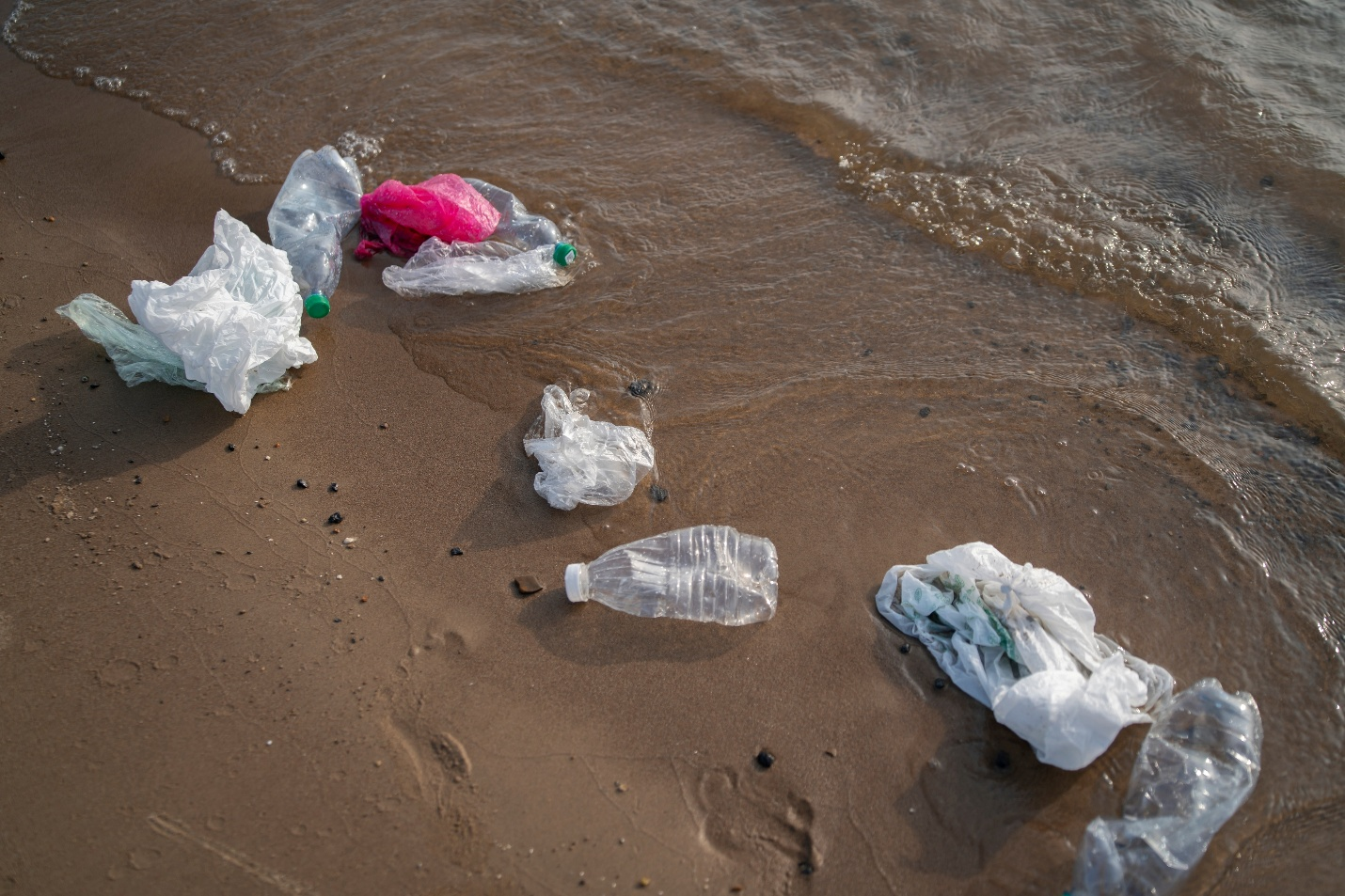
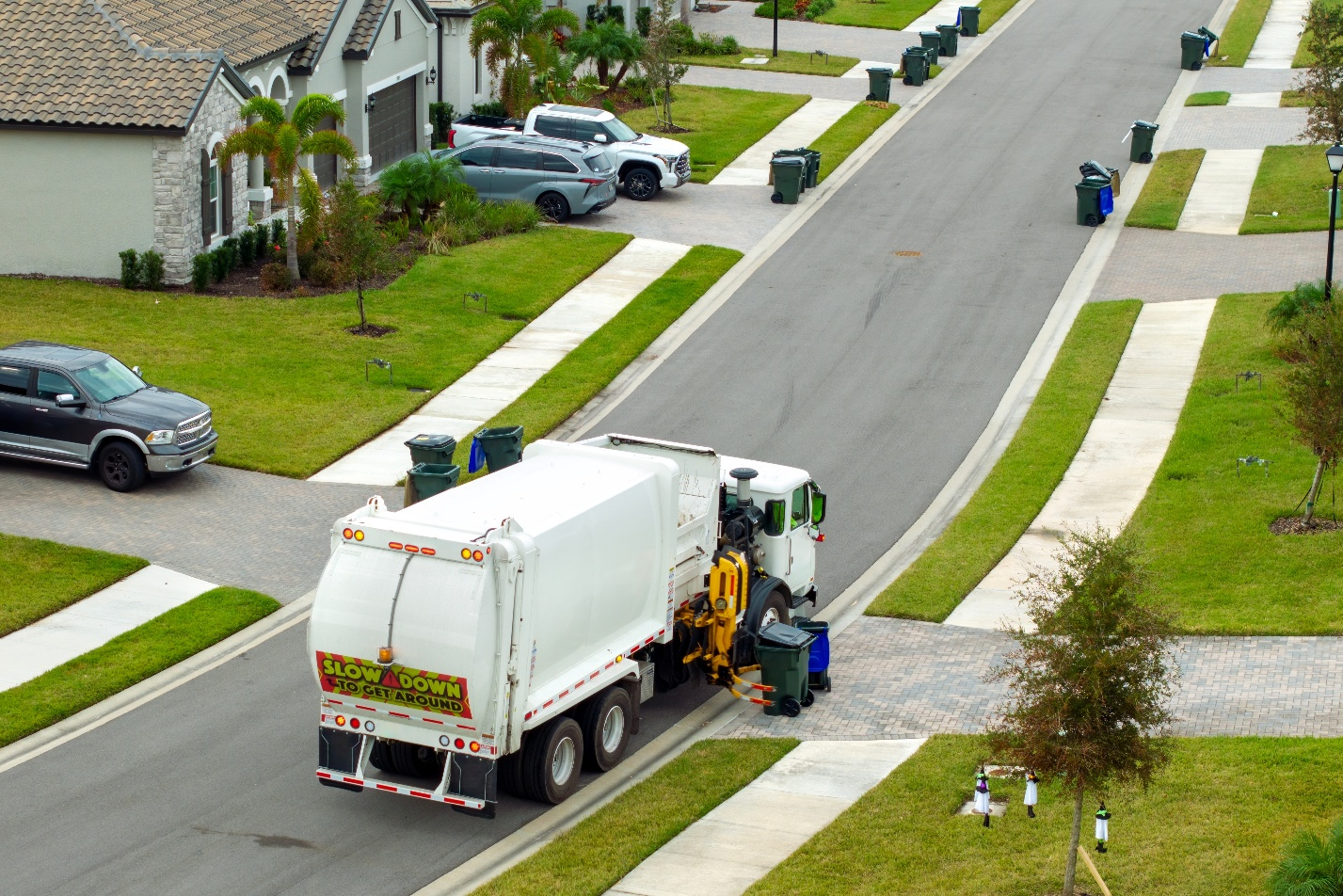
Waste generation carries a real and measurable price tag, and that price is paid by households, businesses, local governments, and the natural world, often in ways that are easy to miss. A collection fee on a monthly bill is only the most visible layer of a much deeper and more expensive system. Behind that single charge sits a long chain of costs: fuel and labor for hauling, land and equipment for disposal, taxes for infrastructure, cleanup budgets for contamination, and healthcare costs for communities affected by pollution. None of these costs vanish simply because the trash truck drives away.
Understanding the true cost of waste is not just an environmental talking point reserved for policy discussions. It is a practical, everyday money issue that touches nearly every part of public and private life. Waste management costs show up in local taxes, utility bills, product prices, and long-term cleanup budgets that can stretch across decades. They also show up in health costs tied to polluted air and water, in the lost value of natural resources that are buried instead of reused, and in damage to ecosystems that can take generations to repair, if they can be repaired at all. The more waste a community generates, the more it pays, directly through bills and indirectly through taxes, health systems, and environmental decline, to deal with the consequences.
What makes this cost especially important to understand is that it is largely avoidable. Unlike many economic burdens that communities have little control over, waste-related costs are directly tied to the choices made every day, from how products are packaged and purchased to how materials are sorted, reused, or discarded. This means the cost of trash is not fixed. It can be reduced, managed, and in many cases, prevented before it ever becomes an expense at all.
This blog breaks down where those costs come from, why they keep rising, and what practical, realistic steps can help reduce them at the individual, business, and community level. The goal is simple: help you see garbage not as a background nuisance that quietly disappears, but as a real, ongoing cost center, one that can be measured, understood, and actively managed to save money, protect public health, and reduce long-term environmental damage.
Understanding and Reducing Waste Costs
Table of Contents:
- What Counts as a Waste Cost
- The Hidden Economic Price of Garbage
- The Environmental Cost of Waste Generation
- The Public Health Price Tag of Poor Waste Management
- How Waste Costs Ripple Through the Economy
- How Waste Reduction Saves Real Money
- Practical Steps to Lower Waste-Related Costs
- Turning the Tide: Small Actions, Big Savings
Unlock your financial freedom.
Download this FREE eBook!.
How to make $100,000/month? Stop being average and think big.

Stop Settling. Start Scaling.
Unlock the mindset, systems, and strategies top earners use to build unstoppable income.
Think Bigger. Earn Smarter.
This free eBook serves as your blueprint for scaling quickly, earning relentlessly, not settling for mediocrity, and living life on your terms.
Inside, you’ll discover:
- The Millionaire Mindset Blueprint
- Income streams that run on autopilot
- Entrepreneur hacks for focus and financial dominance
- One strategy to launch multiple income streams
- How to break free from “just enough”
- Tools to crush limiting beliefs and build your empire
Average doesn’t scale. Vision does. Download now and start your $100K/month transformation.
Yes, this eBook is free. Just drop in your email here to get instant access. ONE eBook per email.
The eBook is sent automatically and should arrive within minutes. Depending on your email provider, it may appear in your Spam or Promotions folder. While we don’t control its exact placement, you can be confident it has been dispatched and is waiting for you.
PLUS: Get Access to exclusive financial tips, learn everything about money and get early blog updates – delivered directly to your inbox .
1. What Counts as a Waste Cost
Waste-related costs are usually broken into two categories: direct costs and indirect costs. Direct costs are the ones people can see on a bill or a budget line. Indirect costs are the ones buried in taxes, insurance rates, and long-term cleanup funds.

Direct waste costs typically include:
- Collection and hauling fees charged by waste management services
- Transportation costs to move waste from collection points to disposal sites
- Landfill tipping fees, which are charged per ton of waste dumped
- Disposal taxes and environmental levies added by local governments
- Equipment, fuel, and labor costs tied to running a waste collection system
- Costs of maintaining and expanding landfill capacity as space runs out
Indirect waste costs typically include:
- Environmental remediation and pollution cleanup expenses
- Public health costs linked to contaminated air, water, and soil
- Lost value of recyclable or reusable materials that get buried instead of reused
- Long-term monitoring costs for closed landfill sites, which can last for decades
- Reduced property values near poorly managed waste sites
- Increased insurance and liability costs for waste-related environmental damage
When these two categories are combined, the true cost of waste is far higher than most people assume. A single collection fee on a monthly bill is only the surface layer of a much deeper cost structure.
2. The Hidden Economic Price of Garbage
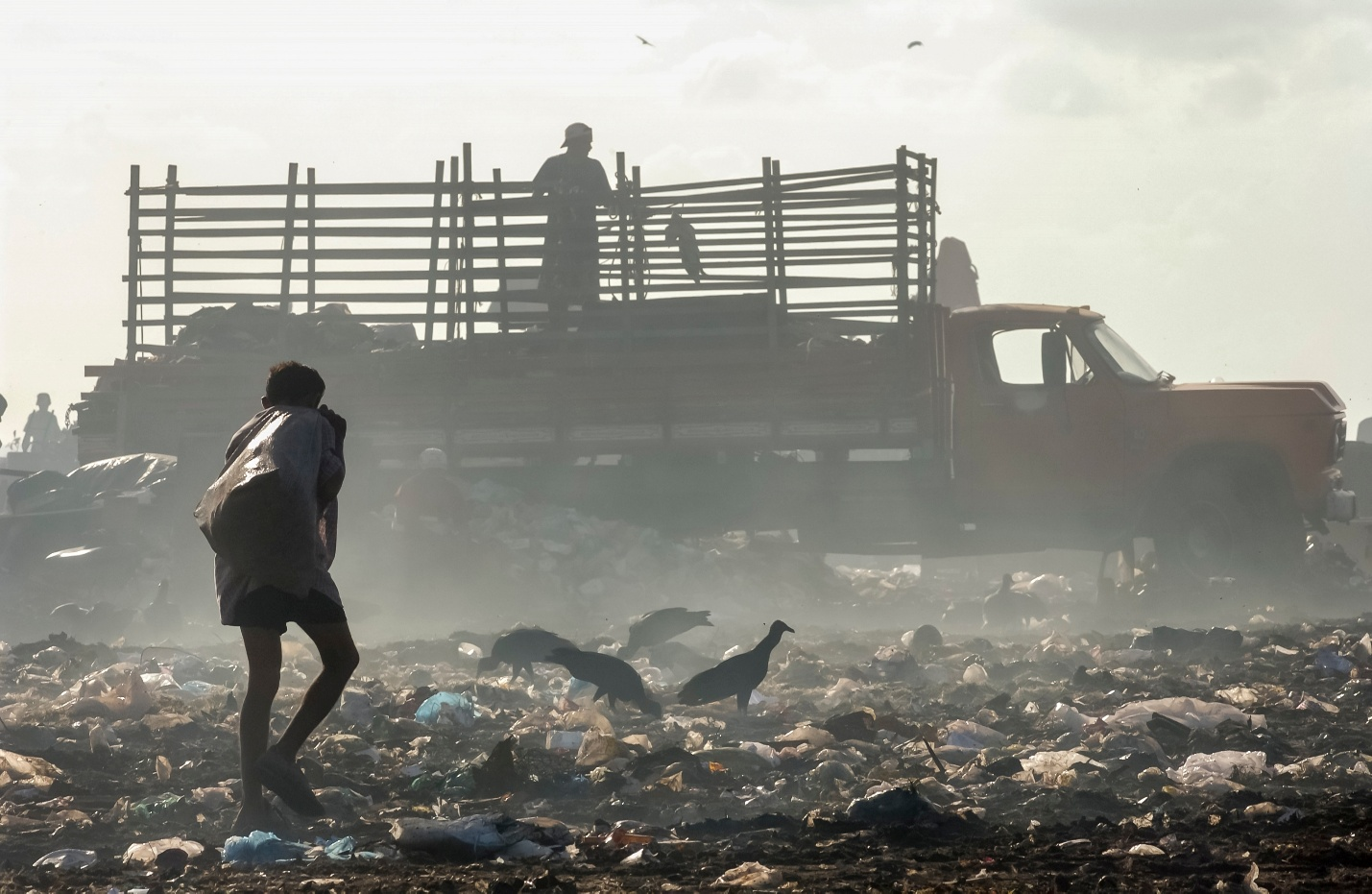
Waste management is not a one-time expense. It is an ongoing financial burden that compounds over time. As waste volumes grow, so does the infrastructure needed to handle it, and that infrastructure is expensive to build, operate, and maintain.
Some of the highest hidden economic costs may include:
- Rising landfill fees as available land becomes scarcer
- The cost of building new waste facilities when old ones reach capacity
- Long-distance transport costs when local disposal sites are full, and waste must be shipped elsewhere- sometimes even to other countries
- Contract costs for private waste management services, which are often passed on to residents
- Lost economic value from materials that could have been recycled, resold, or repurposed
- Administrative costs of running waste-tracking, permitting, and compliance programs
There is also an opportunity cost that rarely gets discussed. Materials sent to a landfill represent raw resources, energy, and labor that were used to create a product, only for that value to be permanently lost. Every non-recycled item is essentially wasted economic investment, not just wasted material.
3. The Environmental Cost of Waste Generation
Beyond the financial figures, waste carries a high environmental cost that eventually converts back into economic cost. Ecosystems damaged by waste are expensive, sometimes impossible, to fully restore.
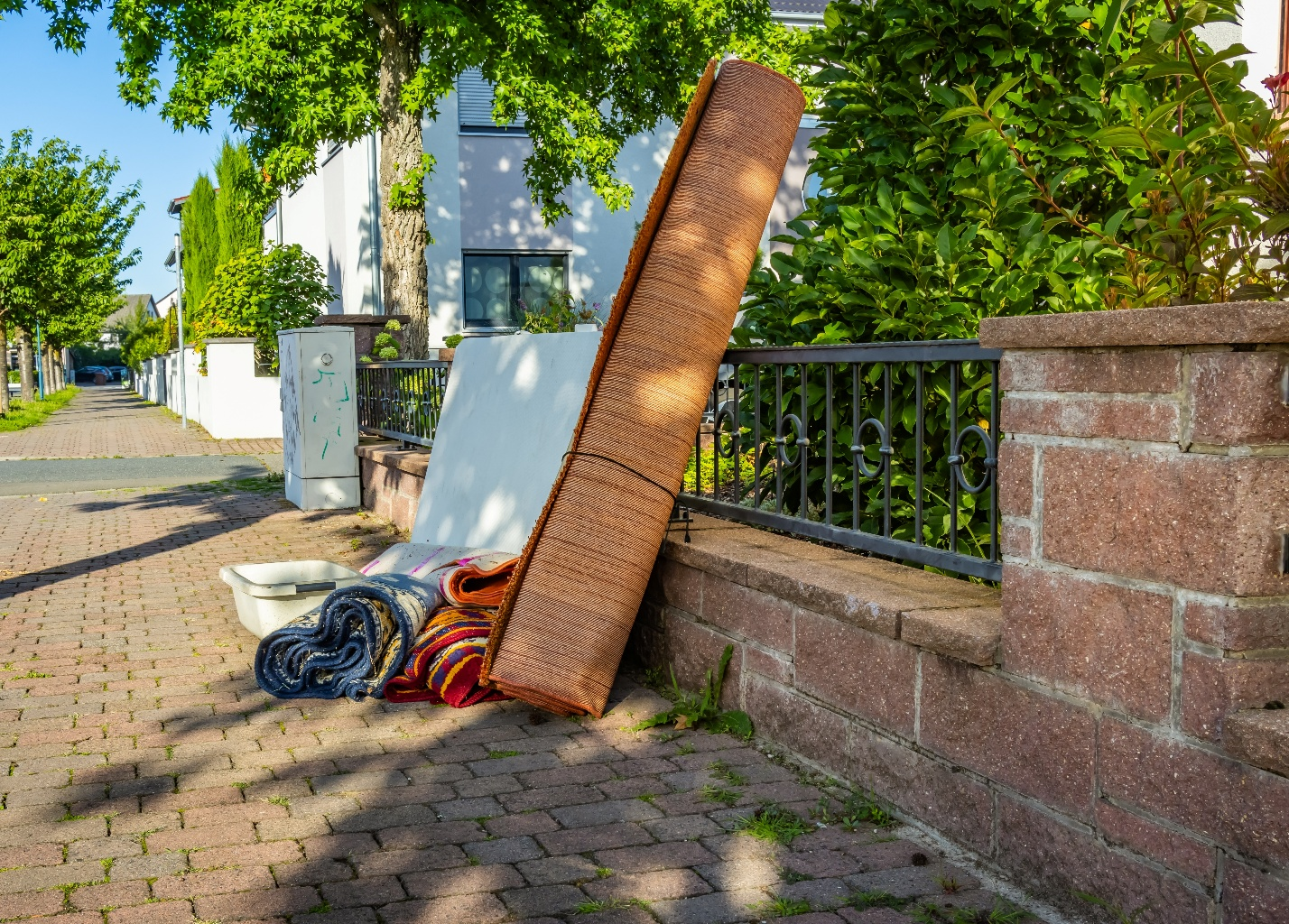
Key environmental costs linked to waste generation may include:
- Methane emissions from decomposing organic waste in landfills, which contribute significantly to greenhouse gas levels
- Soil contamination from leachate, the liquid that seeps out of landfills and can carry harmful chemicals
- Water pollution when leachate or runoff reaches groundwater or nearby waterways
- Air quality issues from waste incineration and landfill gas release
- Habitat loss when land is cleared to build new waste disposal sites
- Long-term degradation of natural resources used to produce items that are discarded after a single use
These environmental costs often do not show up immediately. They accumulate slowly, then require large-scale, expensive intervention once the damage becomes visible. Preventing waste at the source is almost always cheaper than reversing environmental harm later.
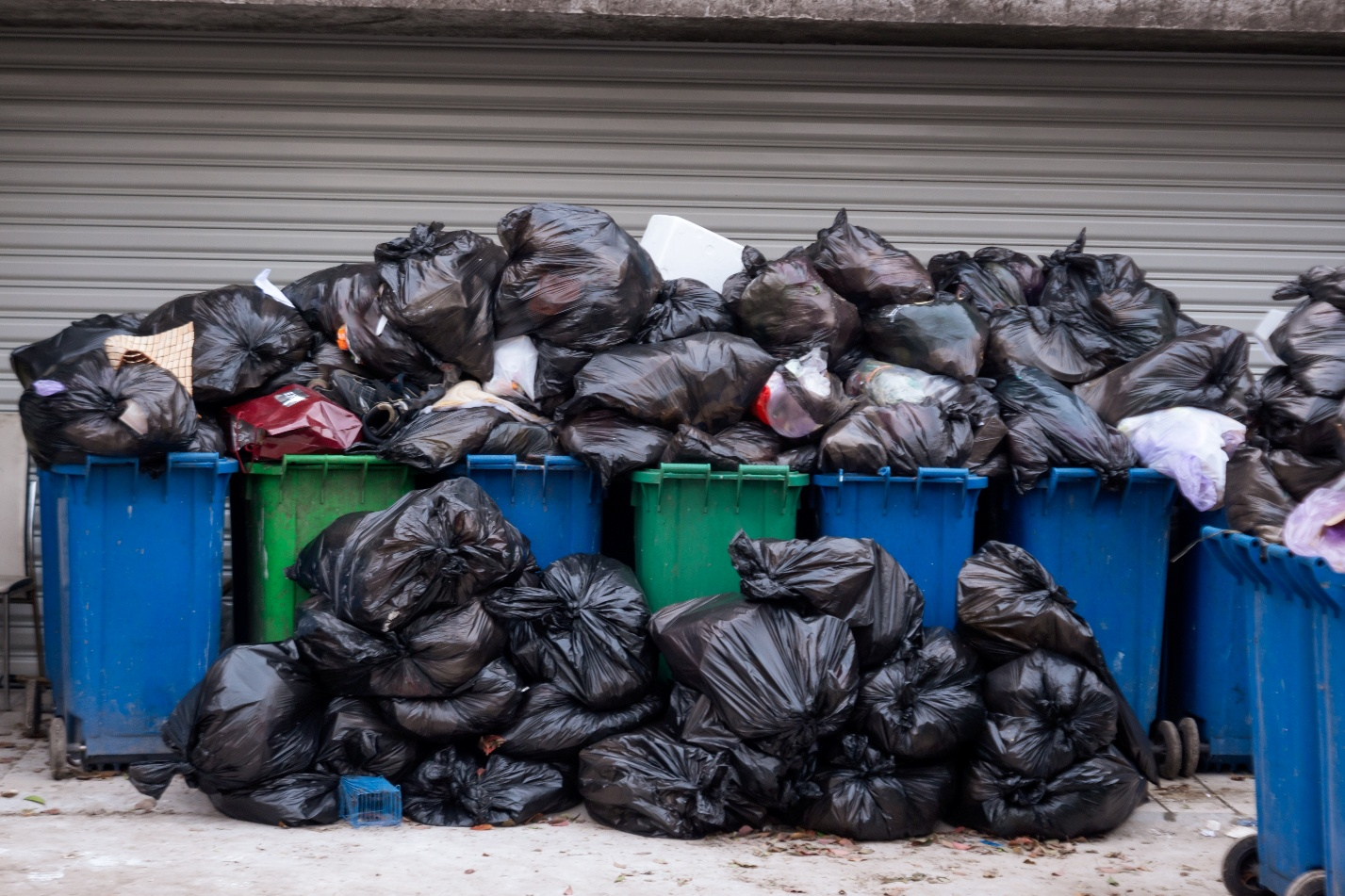
4. The Public Health Price Tag of Poor Waste Management
Waste is not only an environmental and financial issue. It is also a public health issue, and health-related costs are among the most underestimated parts of the waste equation.
Health-related costs connected to waste generation may include:
- Respiratory issues linked to air pollution from waste burning or landfill gas
- Waterborne illness risks from contaminated drinking water sources
- Increased pest and disease vector activity near poorly managed waste sites
- Long-term exposure risks for communities located close to waste facilities
- Higher healthcare costs in regions with limited waste infrastructure
- Occupational health risks for workers in waste collection and processing roles
These costs are often absorbed by public healthcare systems, insurance providers, and taxpayers rather than being clearly labeled as “waste costs.” That makes them easy to overlook, even though they represent a significant and growing expense.
5. How Waste Costs Ripple Through the Economy
The financial impact of waste generation does not stay contained to waste management budgets. It spreads outward into other parts of the economy in ways that are not always obvious.
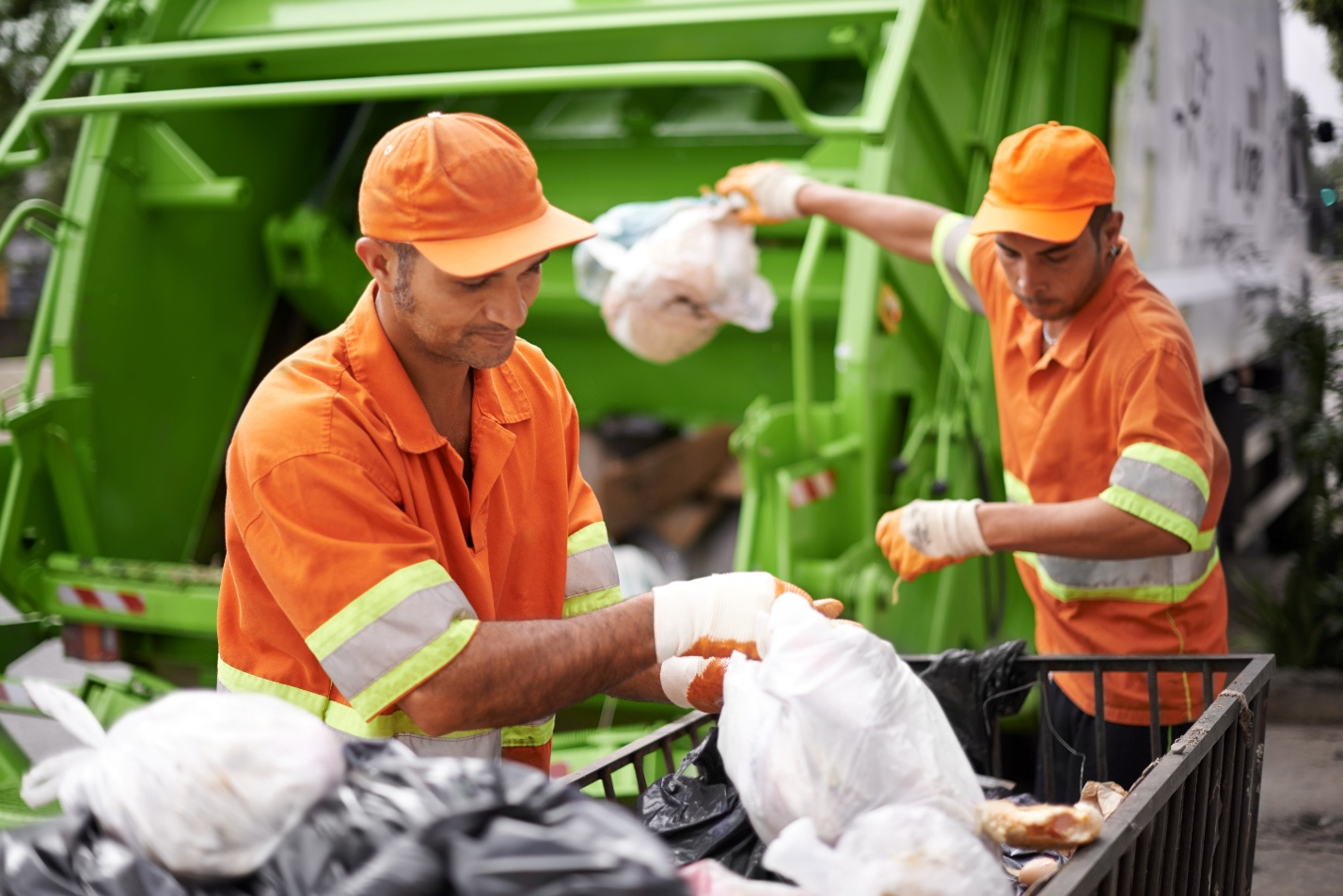
Ripple effects of high waste generation may include:
- Higher local taxes to fund expanding waste management infrastructure
- Increased utility or service fees passed on to residents and businesses
- Reduced tourism or real estate appeal in areas affected by visible waste problems
- Higher insurance premiums in regions facing pollution-related liability
- Added compliance costs for businesses required to meet waste and environmental regulations
- Slower economic growth in communities burdened by long-term environmental cleanup costs
In short, waste is not an isolated line item. It is deeply connected to housing markets, public budgets, insurance systems, and long-term regional economic health.
6. How Waste Reduction Saves Real Money
The encouraging part of this picture is that waste reduction can directly reduce costs. Every step taken to prevent, reuse, or recycle material can help lower the financial burden across the entire system.
Waste reduction can create savings by:
- Lowering the volume of waste sent to landfills, which reduces tipping fees
- Extending the usable lifespan of existing landfill and disposal infrastructure
- Reducing transportation costs tied to hauling large volumes of waste
- Recovering material value through recycling and resale instead of losing it permanently
- Reducing pollution-related health and environmental cleanup costs over time
- Lowering long-term tax and utility increases tied to waste infrastructure expansion

Waste reduction is not just an environmental strategy. It is a cost-control strategy that can benefit households, businesses, and public budgets at the same time.
7. Practical Steps to Lower Waste-Related Costs
Reducing the true cost of waste does not require large or complicated changes. Small, consistent actions add up over time and can meaningfully reduce both direct and hidden costs.

Practical steps individuals can take:
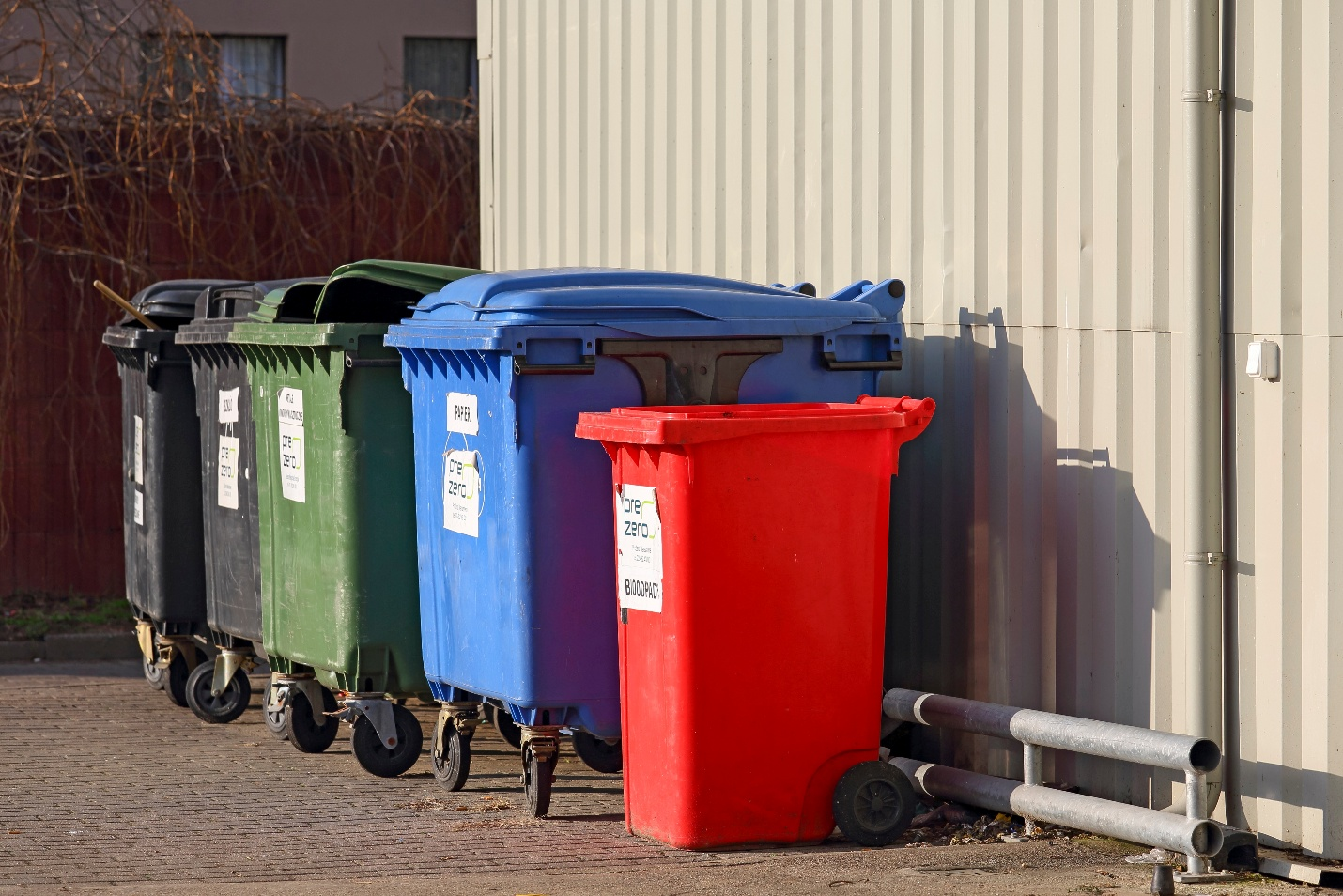
- Separate recyclable materials properly to avoid contamination that sends recyclables to landfills
- Reduce single-use item consumption wherever possible
- Compost organic waste instead of sending it to a landfill
- Choose products with minimal or recyclable packaging
- Repair or repurpose items instead of discarding them
- Donate usable goods instead of throwing them away
Practical steps businesses and organizations can take:
- Conduct regular waste audits to identify avoidable waste
- Invest in recycling and composting programs for operational waste
- Choose suppliers that use sustainable or minimal packaging
- Train staff on proper waste sorting and disposal procedures
- Track waste-related costs as a distinct budget category to identify savings opportunities
- Explore partnerships with material recovery or recycling facilities
- Stop manufacturing plastic grocery bags

Practical steps communities can take:
- Invest in accessible recycling and composting infrastructure
- Support local policies that reduce landfill dependence
- Fund public education campaigns on waste reduction
- Encourage extended producer responsibility programs
- Support repair and reuse initiatives that extend product lifespans
- Use cloth shopping bags and stop using plastic grocery bags
- Consume less, pollute less
- Lead a minimalistic lifestyle and save a lot of money over a lifetime
Each of these actions targets a different layer of the waste cost structure, from direct collection fees to long-term environmental and health expenses.
Conclusion
Turning the Tide: Small Actions, Big Savings
The most effective way to tackle the true cost of trash does not begin with policy changes or large infrastructure investments. It begins somewhere much smaller and much closer to home: the kitchen garbage can.

Downsizing the garbage can itself, literally switching to a smaller bin, is a surprisingly powerful first step. A smaller can naturally limits how much waste accumulates before it has to be dealt with, forcing more intentional decisions about what actually needs to be thrown away. It is a small physical constraint that creates a large behavioral shift, nudging households toward sorting, composting, and reducing rather than simply tossing everything into one growing pile. I have tried this for the past five years, and it is amazing to see how much we truly need. And it is mesmerizing to see how our minds and habits adapt.
Once the can itself has been downsized, the next step is to look upstream, at the consumables that fill it in the first place. Every piece of waste starts as something that was purchased, unwrapped, or used. Downsizing consumables means being more deliberate about what comes into the home to begin with:
- Buying only what is genuinely needed, rather than what is convenient or on sale
- Just because something is on sale does not mean we have to buy it. We still have to pay for it
- Less buying means less clutter, less stress and more money saved
- Choosing products with less packaging, or packaging that can be reused or recycled
- Selecting reusable items over single-use versions whenever practical
- Purchasing in appropriate quantities to avoid spoilage and waste
Favoring quality, longer-lasting goods over disposable, short-lived ones
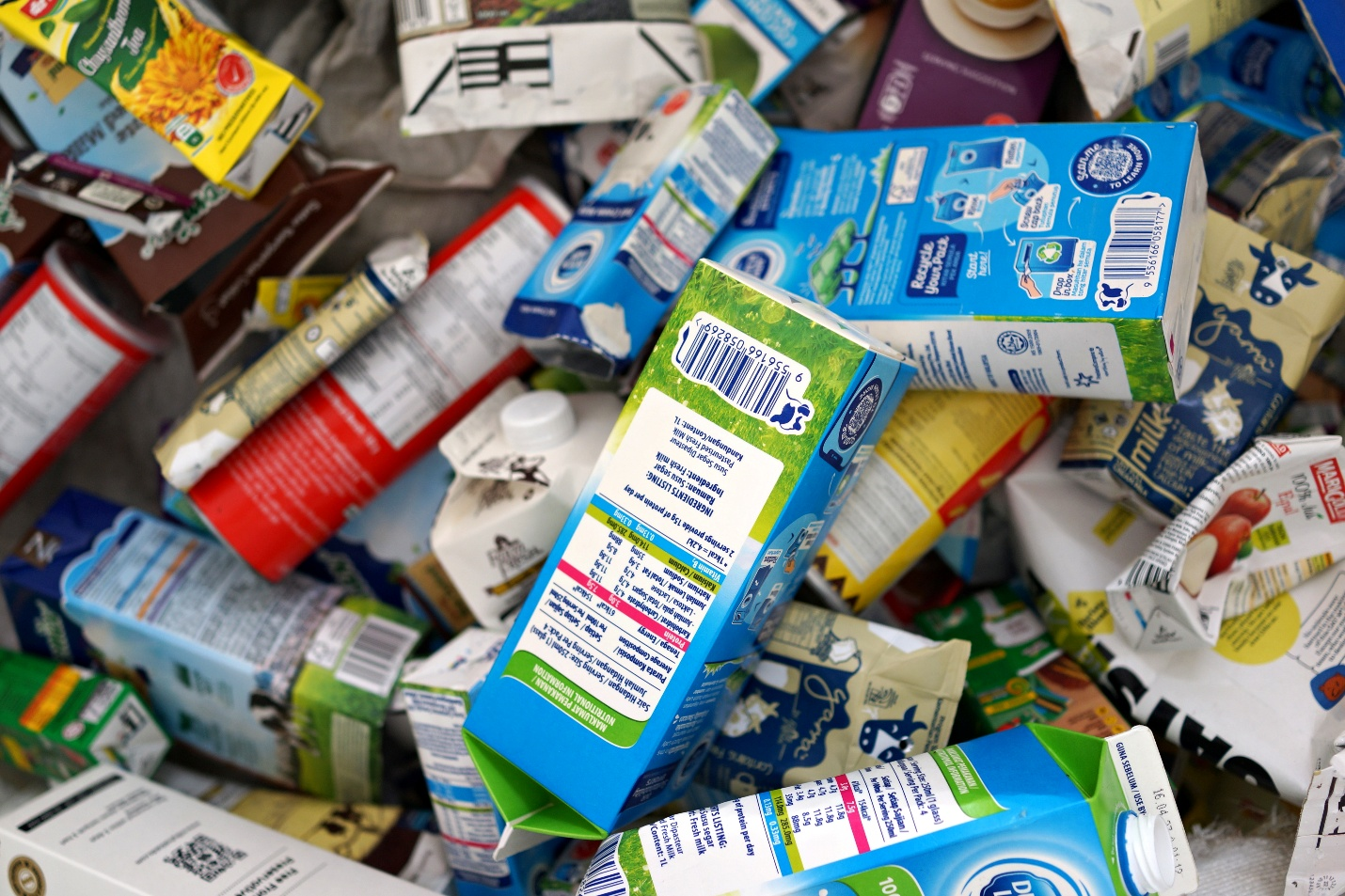
When less comes in, less eventually has to go out. This is the natural link between consumption and waste: garbage output is not really a separate problem from purchasing habits; it is the direct downstream result of them.
Taken together, these two shifts, a smaller trash can and more intentional consumables, lead naturally to the ultimate goal: downsizing the garbage or output itself. Less waste generated means fewer collection costs, less strain on disposal infrastructure, less environmental damage, and less of the hidden financial burden that can stress out the only life we have got.
But the benefits reach beyond cost savings alone. Downsizing waste at every stage- the trash can, the consumables, and the output- tends to encourage a broader shift toward living with less. Consuming less. Owning less. Clearing out clutter rather than constantly adding to it. This is not about deprivation or sacrifice. It is about intentionality, keeping only what adds real value and letting go of the rest, both physically and financially.
In this sense, reducing waste becomes about more than managing garbage. It becomes a pathway toward a simpler, less cluttered, and more deliberate way of living, one where less truly does mean more: more savings, more space, more clarity, and ultimately, more room to focus on what matters most.
If you tracked every single item that went into your garbage can this week, how much of it was something you were forced to throw away, and how much was something you simply chose not to reuse, recycle, or avoid buying in the first place?
Join the conversation! Drop your thoughts in the comments below, and let’s keep the discussion going.
From Experience to insight : Transformational reads for the Strategic mind
Foundational readings for big shifts:
- How to Track Spending without Getting Overwhelmed
- The 7-Day Money Reset Plan: Take Back Control In Just One Week
- Are You Throwing Away $5,000 a Year on Food Waste Without Realizing It?
- The Real Cost of Owning a Big Home
- The Psychology of Spending: Why We Overspend and How to Stop It
- Mastering the Envelope Method
Author: Vaidya Selvan
Welcome to Make Money Unstoppable Personal Finance Made Simple, a blog born out of necessity, a space created from real-life experiences, hard-earned lessons, and a deep-seated desire to share what I wish someone had taught me or had known sooner.

Newsletter Invite
Want more real-world information on Money? Join my newsletter for practical tips, updates on my books, and strategies to help you build financial freedom on your terms.
Yes, the eBook is also free. Just drop in your email here to get instant access. ONE eBook per email.
The eBook is sent automatically and should arrive within minutes. Depending on your email provider, it may appear in your Spam or Promotions folder. While we don’t control its exact placement, you can be confident it has been dispatched and is waiting for you.
#FinancialFreedom #Newsletter #MoneyTips
Like this blog?
Related Blogs