


Stop Waiting for the Storm: Why Saving Before the Flood Beats Waiting for a Rainy Day
Introduction
Rethinking the Rainy-Day Myth
Last Updated: August 7, 2026

Disclaimer: I am not a licensed financial advisor, financial planner, tax professional, attorney, or employment consultant. The information provided in this blog is intended solely for general informational and educational purposes. This content should not be interpreted or construed as professional advice on financial, legal, tax, employment, or career matters. Always consult a qualified professional before making decisions that affect your personal situation. For transparency, some articles may include AI-assisted content. The idea is original and developed independently. All material is reviewed, edited, and approved before publication to ensure clarity and accuracy.
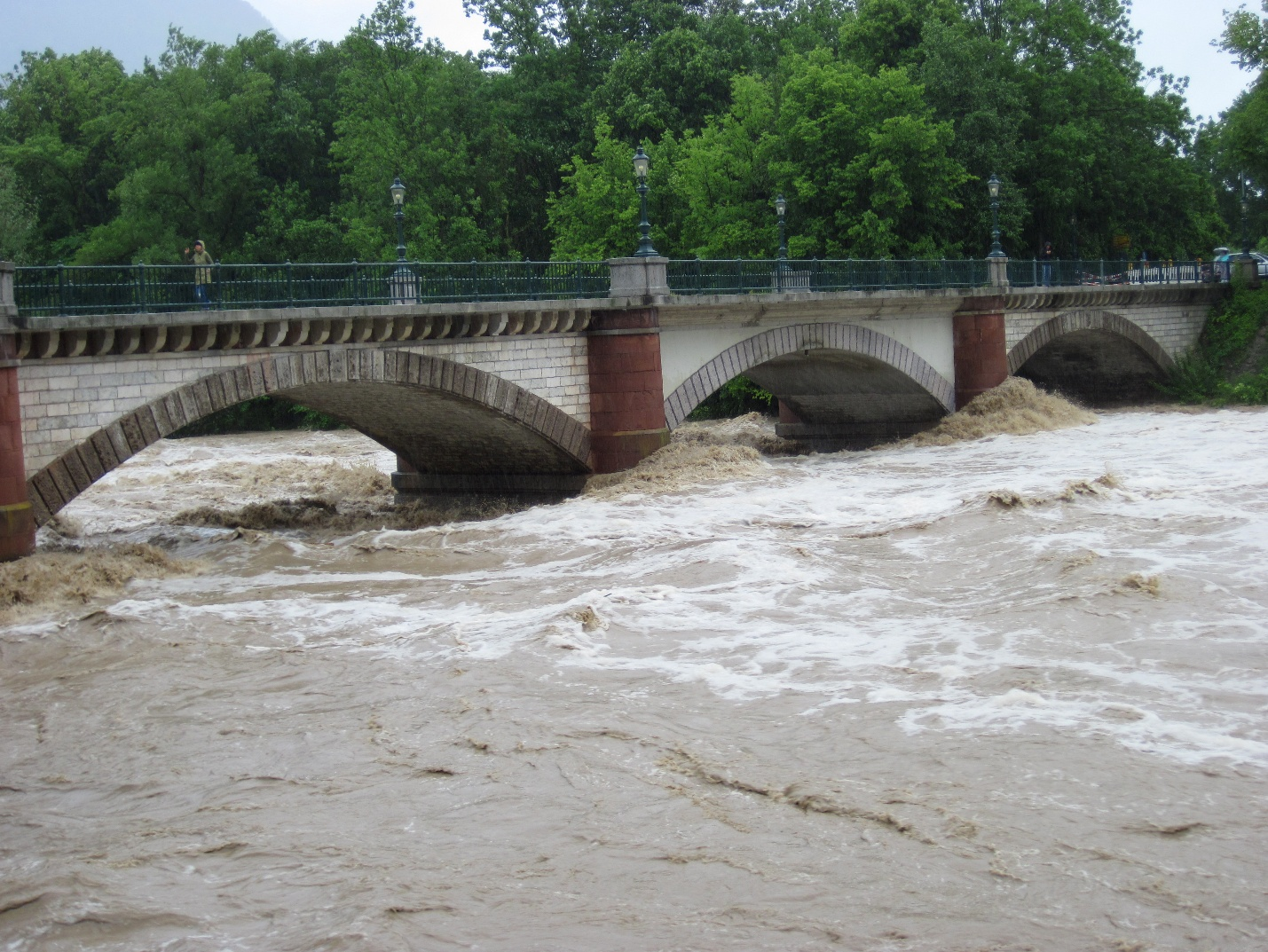
Most people grow up hearing the same advice: save for a rainy day. It sounds wise. It sounds safe. But there is a problem hiding inside that advice. A rainy-day fund is built with the idea that trouble is small, short, and rare — a drizzle you can handle with a little umbrella of savings. Real financial trouble rarely behaves that way. When it hits, it often hits like a flood: sudden, fast-moving, and much bigger than a small umbrella can handle.
This is where a better mindset comes in. Instead of waiting for a light rainy day to start saving a little, the smarter strategy is to store water before the flood arrives, meaning you build real financial reserves during the good times, not just token savings during the bad ones. A rainy-day fund reacts to trouble. A flood-ready reserve prepares for it in advance.
This blog reframes traditional saving advice using that flood-preparedness mindset. It walks through why the old approach falls short, what proactive saving actually looks like, and how to build lasting financial resilience using practical, repeatable habits.

What You'll Learn: Proactive Saving and Financial Resilience
Table of Contents
- The Problem with the Rainy-Day Mindset
- What “Storing Water Before the Flood” Really Means
- The Difference Between Reactive and Proactive Saving
- Practical Steps to Build a Flood-Ready Savings Plan
- Common Mistakes That Keep People in Reactive Mode
- Tools and Habits That Support Proactive Saving
- How to Stay Consistent When Times Are Good
- Conclusion: Build Your Reservoir Before You Need It
1. The Problem with the Rainy-Day Mindset
The phrase “save for a rainy day” has shaped how many people think about money, but the mindset behind it has real limits.
- It assumes financial trouble will be small and manageable, when in reality many financial setbacks are large and sudden.
- It encourages saving only after a problem starts, rather than before one is even visible.
- It treats saving as an occasional habit instead of an ongoing system.
- It sets a low bar, often just enough to cover a minor unexpected cost, not a major disruption.
- It can create false confidence, making people feel prepared when their actual reserves are thin.
Unlock your financial freedom.
Download this FREE eBook!.
How to make $100,000/month? Stop being average and think big.

Stop Settling. Start Scaling.
Unlock the mindset, systems, and strategies top earners use to build unstoppable income.
Think Bigger. Earn Smarter.
This free eBook serves as your blueprint for scaling quickly, earning relentlessly, not settling for mediocrity, and living life on your terms.
Inside, you’ll discover:
- The Millionaire Mindset Blueprint
- Income streams that run on autopilot
- Entrepreneur hacks for focus and financial dominance
- One strategy to launch multiple income streams
- How to break free from “just enough”
- Tools to crush limiting beliefs and build your empire
Average doesn’t scale. Vision does. Download now and start your $100K/month transformation.
Yes, this eBook is free. Just drop in your email here to get instant access. ONE eBook per email.
The eBook is sent automatically and should arrive within minutes. Depending on your email provider, it may appear in your Spam or Promotions folder. While we don’t control its exact placement, you can be confident it has been dispatched and is waiting for you.
PLUS: Get Access to exclusive financial tips, learn everything about money and get early blog updates – delivered directly to your inbox .
A rainy-day mindset is not wrong, exactly. It is just incomplete. It prepares you for light weather, not for a flood.
2. What "Storing Water Before the Flood" Really Means
Storing water before a flood is a proactive strategy. Instead of reacting once trouble appears, you build reserves while conditions are still good, so you are ready no matter what comes your way.
Applied to personal finance, this means:
- Saving consistently during stable or high-income periods, not just when you remember to or feel worried.
- Building reserves large enough to cover major disruptions, not just minor ones.
- Treating saving as ongoing infrastructure, similar to a reservoir that is maintained year-round.
- Preparing for events you cannot predict in detail, such as income loss, medical costs, or urgent repairs, without needing to know exactly when they will happen.
- Shifting the emotional posture from “I hope I never need this” to “I am ready regardless of what happens.”

This approach treats financial security as something you build steadily, not something you scramble for at the last moment.
3. The Difference Between Reactive and Proactive Saving
Understanding the gap between these two approaches makes it easier to see why one leads to more lasting financial resilience.
Reactive saving:
- Begins after a problem appears or a warning sign shows up.
- Is often inconsistent, driven by mood or short-term pressure.
- Tends to stop as soon as the immediate concern passes.
- Rarely accounts for large or compounding financial shocks.

Proactive saving:
- Begins before any specific problem is visible.
- Is scheduled and automatic, not dependent on motivation.
- Continues steadily, regardless of whether anything is currently going wrong.
- Is sized to handle significant disruptions, not just small ones.
Reactive saving treats money as a response tool. Proactive saving treats money as a foundation. The second approach builds far more durable financial security over time.
4. Practical Steps to Build a Flood-Ready Savings Plan
Building a proactive reserve does not require a complicated system. It requires consistency and a few clear structural choices.
- Set a target based on ongoing expenses, not just income.A useful reserve is typically measured in months of essential expenses, since expenses are what you must cover regardless of income changes.
- Automate transfers into savings.Removing the need for a manual decision each time reduces the chance that saving gets skipped.
- Separate your reserve from everyday spending accounts.Keeping savings in a distinct account reduces the temptation to dip into it for non-essential spending.

- Build in stages.Start with a smaller, achievable goal, such as covering one month of essential expenses, before working toward a larger reserve.
- Increase contributions during high-income periods.When income rises, even temporarily, direct a portion of the increase toward savings before lifestyle costs rise to match it.
- Review and adjust the target periodically.As expenses or responsibilities change, your reserve target should change with them.
- Keep the reserve accessible but not too accessible.It should be easy to reach in a genuine emergency, but not so easy that it gets used for routine spending.
5. Common Mistakes That Keep People in Reactive Mode
Even well-intentioned savers can fall into patterns that keep them stuck in a reactive cycle.
- Waiting for a “better time” to start saving, which often never arrives.
- Setting a savings goal so small that it cannot absorb a real disruption.
- Treating windfalls or bonuses as spending money rather than partial reserve contributions.
- Pausing savings as soon as a minor financial pressure appears, rather than maintaining the habit.
- Failing to track progress, which makes it hard to stay motivated or notice gaps.
- Relying on credit as a backup plan instead of building actual reserves.
- Underestimating how quickly a large, unexpected expense can appear.

Recognizing these patterns is often the first step toward shifting into a more proactive approach.
6. Tools and Habits That Support Proactive Saving
A few structural habits can help make proactive saving easier to sustain long-term.
- Budgeting systemsthat clearly separate essential expenses, discretionary spending, and savings contributions.
- Automatic transfersscheduled immediately after income arrives, so saving happens before spending decisions are made.
- Regular check-ins, such as a monthly review, to track reserve growth and adjust as needed.
- Clear categorizationof savings, so a flood-ready reserve is not mixed with funds meant for planned purchases or short-term goals.
- Visual tracking, such as a simple chart or progress marker, which can reinforce motivation over time.
- Written savings goals, which tend to be more effective than vague intentions.

None of these tools need to be complicated. Simplicity tends to support consistency, which matters far more than sophistication.
7. How to Stay Consistent When Times Are Good
The hardest part of proactive saving is often maintaining it when nothing feels urgent. During calm periods, motivation naturally drops, since there is no visible pressure pushing you to save.
- Treat your savings contribution as a fixed cost, similar to rent or a utility bill, rather than an optional extra.
- Avoid increasing lifestyle spending every time income rises; direct part of any increase to savings instead.
- Revisit your reason for saving periodically, so the goal stays meaningful even when there is no immediate crisis.
- Celebrate milestones, such as reaching one month or three months of reserves, to reinforce the habit.
- Remember that the value of a flood-ready reserve is proven not by using it constantly, but by having it ready when it is genuinely needed.
Consistency during good times is what separates a lasting reserve from a fund that quietly disappears.

Conclusion:
Build Your Reservoir Before You Need It
The idea of saving for a rainy day is a good starting point, but it is not a complete strategy. Rain is manageable. Floods are not. If your saving habits are only strong enough to handle small, everyday surprises, they may not hold up when a larger disruption arrives, and larger disruptions are often the ones that matter most.
Storing water before the flood means shifting from a reactive mindset to a proactive one. It means building your financial reserves steadily, during good times as well as uncertain ones, so that you are not caught unprepared when conditions change. This shift does not require complicated tools or a large income. It requires consistency, clear goals, and a willingness to treat saving as an ongoing system rather than an occasional response.
Financial security is rarely built in a single moment. It is built gradually, one consistent contribution at a time, until the reserve is strong enough to hold steady no matter what kind of weather arrives. Start building your reservoir now, while conditions are calm, because by the time the flood is visible, it is already too late to prepare for it.
If your income stopped tomorrow, how many months could you cover your essential expenses before you'd need to borrow money?
Join the conversation! Drop your thoughts in the comments below, and let’s keep the discussion going.
From Experience to insight : Transformational reads for the Strategic mind
Foundational readings for big shifts:
- How to Track Spending without Getting Overwhelmed
- The 7-Day Money Reset Plan: Take Back Control In Just One Week
- Are You Throwing Away $5,000 a Year on Food Waste Without Realizing It?
- The Real Cost of Owning a Big Home
- The Psychology of Spending: Why We Overspend and How to Stop It
- Mastering the Envelope Method

Author: Vaidya Selvan
Welcome to Make Money Unstoppable Personal Finance Made Simple, a blog born out of necessity, a space created from real-life experiences, hard-earned lessons, and a deep-seated desire to share what I wish someone had taught me or had known sooner.

Newsletter Invite
Want more real-world information on Money? Join my newsletter for practical tips, updates on my books, and strategies to help you build financial freedom on your terms.
Yes, the eBook is also free. Just drop in your email here to get instant access. ONE eBook per email.
The eBook is sent automatically and should arrive within minutes. Depending on your email provider, it may appear in your Spam or Promotions folder. While we don’t control its exact placement, you can be confident it has been dispatched and is waiting for you.
#FinancialFreedom #Newsletter #MoneyTips
Like this blog?
Related Blogs