


How Many Pairs of Shoes Do You Really Need? A Simple, Practical Guide to Building the Right Shoe Wardrobe
Introduction: Why the Number of Shoes You Own Matters More Than You Think
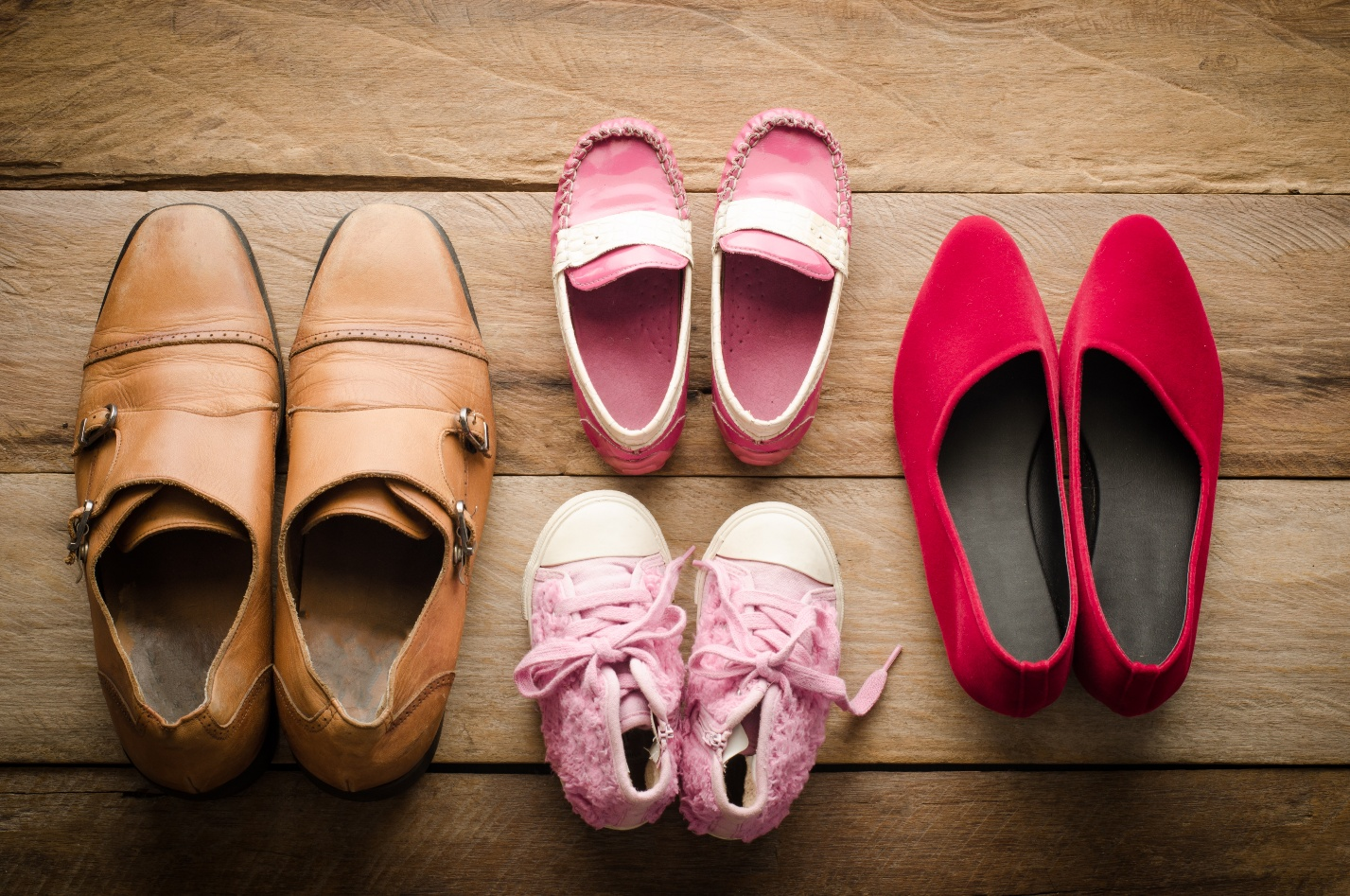
Most people never stop to ask how many pairs of shoes they actually need. Shoes pile up over the years, one pair at a time, until closets, hallways, and storage bins are overflowing. Yet very few of those shoes are worn regularly. This is not just a space problem. It is a money problem, a comfort problem, and even a foot-health problem.
Last Updated: August 9, 2026
Disclaimer: I am not a licensed financial advisor, financial planner, tax professional, attorney, or employment consultant. The information provided in this blog is intended solely for general informational and educational purposes. This content should not be interpreted or construed as professional advice on financial, legal, tax, employment, or career matters. Always consult a qualified professional before making decisions that affect your personal situation. For transparency, some articles may include AI-assisted content. The idea is original and developed independently. All material is reviewed, edited, and approved before publication to ensure clarity and accuracy.
Building a smart, functional shoe wardrobe is not about owning as few shoes as possible or as many as possible. It is about owning the right shoes for the right purposes. A well-planned shoe collection supports your daily activities, protects your feet, fits your budget, and keeps your living space organized. It also reduces decision fatigue, since a smaller, well-chosen collection makes getting dressed faster and easier.
This blog breaks down exactly how to figure out the ideal number of shoes for your lifestyle. It covers the key factors that influence shoe needs, the essential categories every wardrobe should include, tips for organizing and maintaining your collection, and guidance on shopping smarter so every pair earns its place in your closet. Whether you are trying to declutter, save money, or simply build a more functional shoe wardrobe, this blog will give you the practical framework to do it with confidence.

Building the Right Shoe Wardrobe
Table of Contents
- Introduction: Why the Number of Shoes You Own Matters More Than You Think
- What Determines How Many Shoes You Actually Need
- The Core Shoe Categories Every Wardrobe Should Include
- Signs You Own Too Many or Too Few Shoes
- How Shoe Rotation Protects Your Feet and Extends Shoe Life
- Quality Over Quantity: Why Fewer, Better Shoes Win
- Smart Storage and Organization Tips for a Manageable Shoe Collection
- Sustainable and Budget-Friendly Shoe Shopping Habits
- Conclusion: Finding Your Personal Shoe Number
What Determines How Many Shoes You Actually Need
There is no single magic number that fits everyone. The right number of shoes depends on several personal factors, and understanding these factors is the first step toward building a wardrobe that actually works for you.
- Daily activity level: Someone who is highly active, exercises often, or spends long hours on their feet needs more variety than someone with a mostly seated routine.
- Work environment: Formal workplaces, physically demanding jobs, and casual settings all call for different footwear, which naturally changes how many pairs are required.
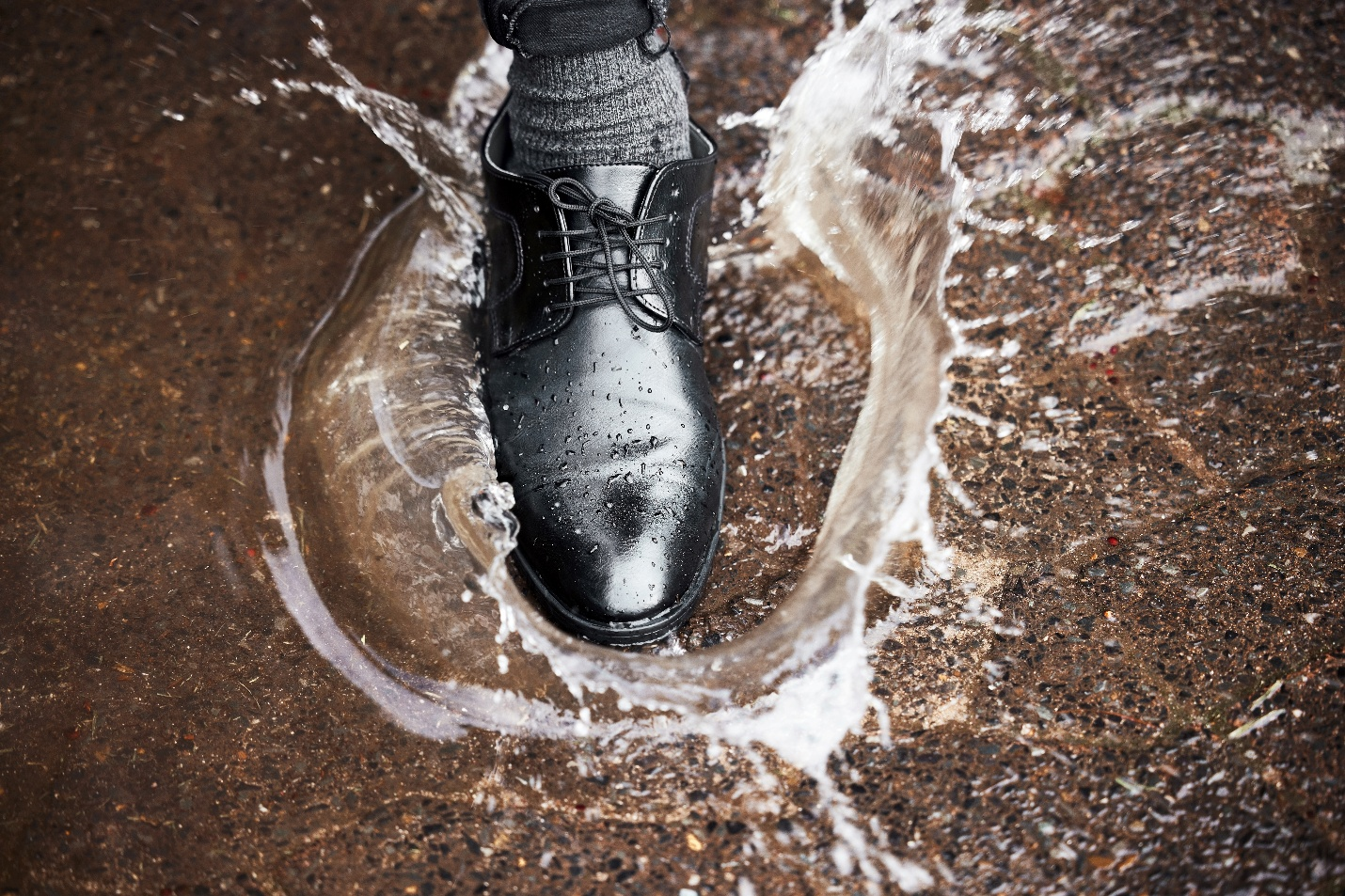
- Climate and seasonal changes: Regions with distinct seasons often require separate shoes for warm weather, cold weather, and wet conditions.
- Social and personal commitments: Regular events, fitness routines, or hobbies may call for specialized footwear that a more low-key lifestyle would not need.
- Foot health needs: Certain foot conditions require supportive or specialized shoes, which can add necessary pairs to a collection.
- Available storage space: A small living space naturally limits how many shoes can be stored and organized effectively.
- Personal style preferences: Some people enjoy variety and rotate looks often, while others prefer a simple, consistent style with fewer choices.
Once you understand these factors, you can start matching your shoe collection to your actual life rather than guessing or accumulating shoes without a plan. And you must formulate a plan that suits you.

Unlock your financial freedom.
Download this FREE eBook!.
How to make $100,000/month? Stop being average and think big.
Stop Settling. Start Scaling.
Unlock the mindset, systems, and strategies top earners use to build unstoppable income.
Think Bigger. Earn Smarter.
This free eBook serves as your blueprint for scaling quickly, earning relentlessly, not settling for mediocrity, and living life on your terms.
Inside, you’ll discover:
- The Millionaire Mindset Blueprint
- Income streams that run on autopilot
- Entrepreneur hacks for focus and financial dominance
- One strategy to launch multiple income streams
- How to break free from “just enough”
- Tools to crush limiting beliefs and build your empire
Average doesn’t scale. Vision does. Download now and start your $100K/month transformation.
Yes, this eBook is free. Just drop in your email here to get instant access. ONE eBook per email.
The eBook is sent automatically and should arrive within minutes. Depending on your email provider, it may appear in your Spam or Promotions folder. While we don’t control its exact placement, you can be confident it has been dispatched and is waiting for you.
PLUS: Get Access to exclusive financial tips, learn everything about money and get early blog updates – delivered directly to your inbox .
The Core Shoe Categories Every Wardrobe Should Include
Instead of counting individual pairs, it helps to think in categories. A functional shoe wardrobe usually covers these core purposes:
- Everyday casual shoes for regular errands, outings, and low-key activities.
- Formal or professional shoes for work settings, interviews, or dressier occasions.
- Athletic or performance shoes designed for exercise, sports, or high-impact movement.
- Weather-specific shoes such as insulated boots for cold conditions or water-resistant shoes for rain.
- Comfort or recovery shoes for relaxing at home or giving your feet a break after long days.
- Occasion-specific shoes for special events, depending on your lifestyle and how often such events occur.
Most people can cover their full range of needs with six to twelve well-chosen pairs, though this number can shift based on the factors mentioned earlier. I would top it at four pairs chosen with intention. The goal is coverage, not excess. Each pair should serve a clear and distinct purpose.

Signs You Own Too Many or Too Few Shoes
It helps to recognize the warning signs on both ends of the spectrum.
Signs you may own too many shoes:
- Several pairs have not been worn in over a year.
- You often forget certain pairs even exist.
- Storage space is cluttered, disorganized, or overflowing.
- You buy new shoes out of boredom rather than genuine need.
- Multiple pairs serve nearly identical purposes.
Signs you may own too few shoes:
- You repeatedly wear the same pair until it is visibly worn out.
- You lack appropriate footwear for certain weather conditions.
- You experience foot discomfort from wearing unsuitable shoes for specific activities.
- You struggle to find suitable shoes for important occasions.
- You have no backup pair when your primary shoes need cleaning or repair.
Recognizing these patterns can help you rebalance your collection, whether that means letting go of unused pairs or filling genuine gaps.
How Shoe Rotation Protects Your Feet and Extends Shoe Life
Wearing the same pair of shoes every single day causes faster wear and does not give the materials time to fully recover. Shoe rotation is a simple habit with real benefits for both your feet and your footwear investment.
- Allows materials to air out and decompress between wears, reducing odor and moisture buildup.
- Extends the lifespan of cushioning and support structures, since materials need rest time to regain their shape.
- Reduces repetitive stress on your feet, since different shoe designs distribute pressure differently.
- Supports better foot health by preventing the same pressure points from being stressed daily.
- Helps you match footwear to daily conditions, such as weather changes or activity levels.
A basic rotation of at least two to three pairs for regular use is a practical starting point for most people, with additional pairs added for specific activities.
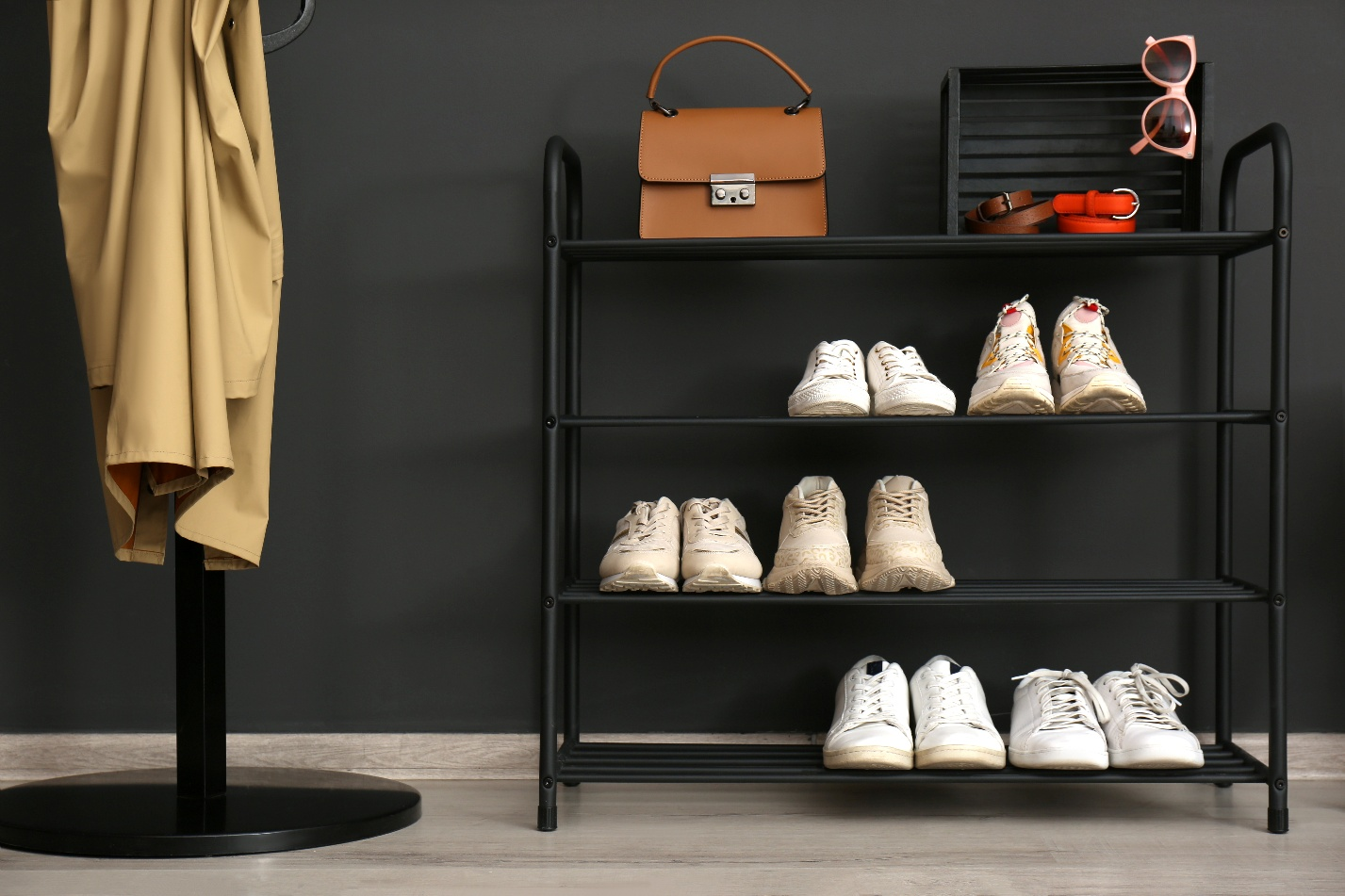
Quality Over Quantity: Why Fewer, Better Shoes Win
A smaller collection of well-made shoes often outperforms a large collection of low-quality pairs. Higher-quality shoes tend to offer better support, more durable materials, and longer usable life, which means fewer replacements over time.
- Better construction means stronger stitching, sturdier soles, and more durable materials.
- Improved comfort can help reduce the risk of foot, knee, and back strain.
- Long-term cost savings, since durable shoes need replacing less often.
- Fewer impulse purchases, since well-chosen shoes fulfill their purpose fully.
- A more organized, functional wardrobe, since every pair has a clear role.
Choosing quality over quantity is one of the most effective ways to reduce the total number of shoes you own without sacrificing comfort or function.
Smart Storage and Organization Tips for a Manageable Shoe Collection
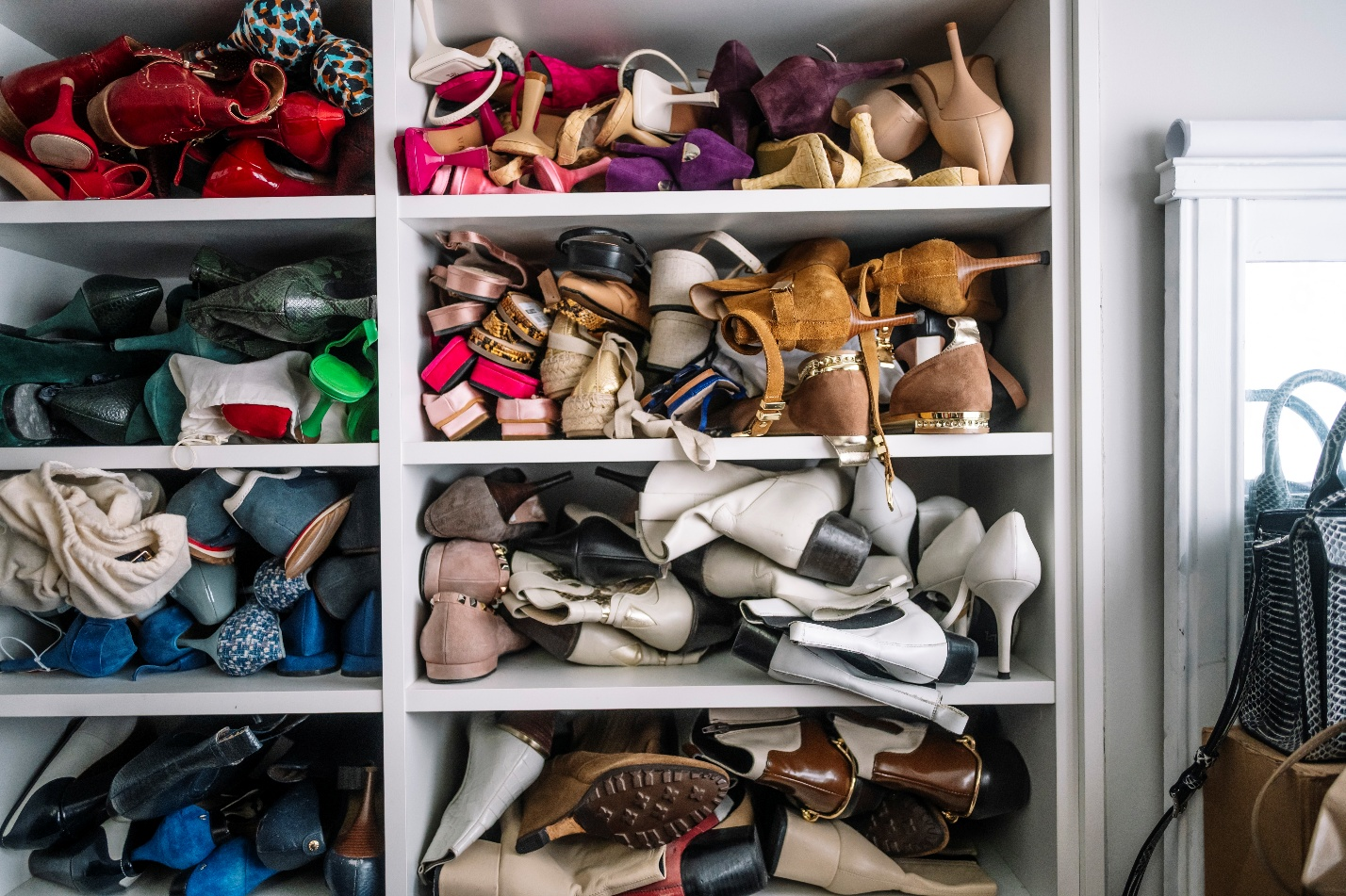
How you store your shoes affects how many you can realistically manage and maintain.
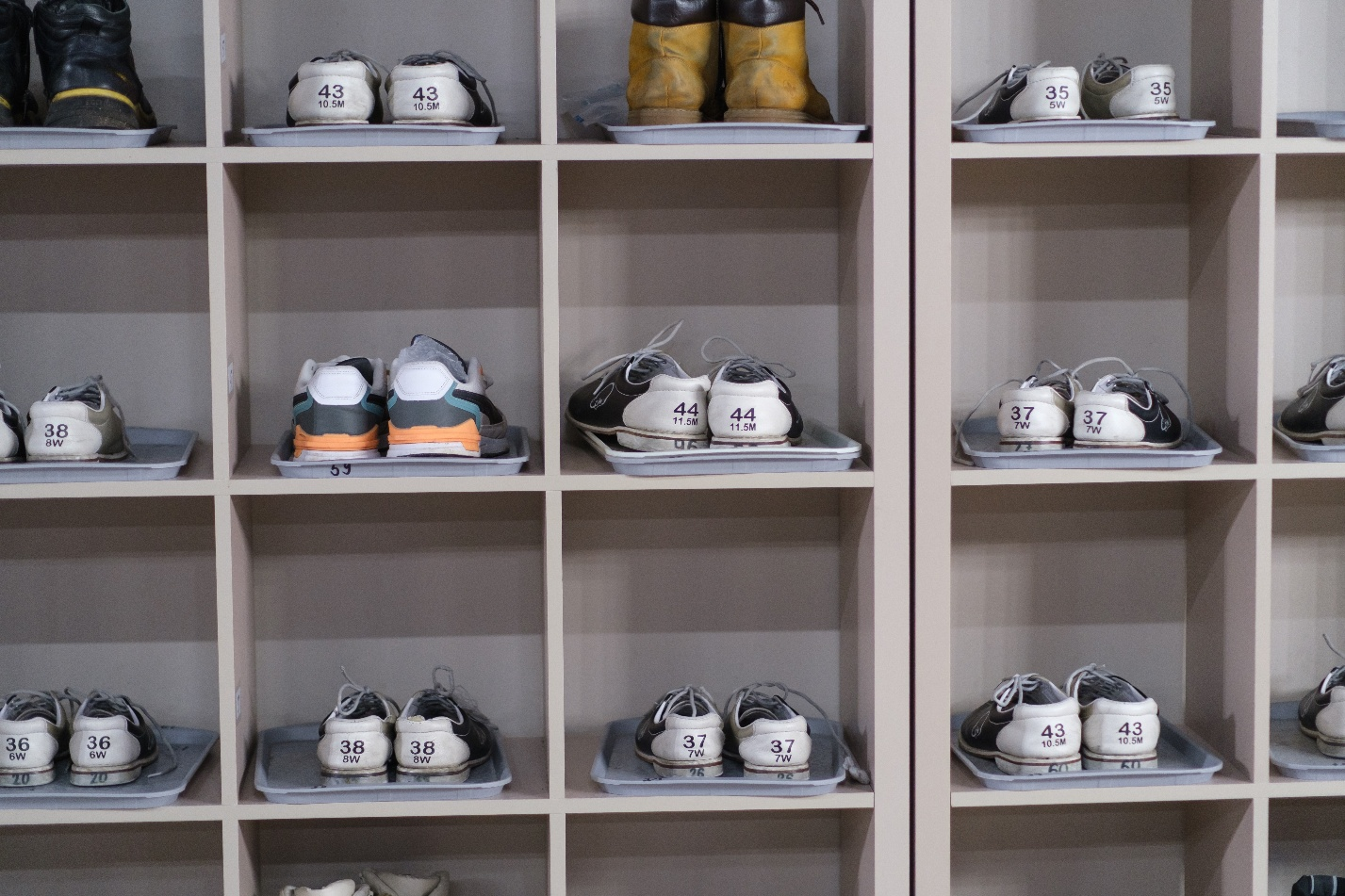
- Use clear or labeled storage so every pair is visible and easy to find.
- Group shoes by category or season to simplify decision-making.
- Rotate seasonal shoes in and out of storage to save space.
- Use shoe trees or proper supports to help shoes maintain their shape.
- Conduct a regular review, such as twice a year, to identify unused pairs.
- Set a one-in, one-out rule to prevent gradual overaccumulation.
Good organization does not just save space. It also helps you clearly see what you already own, which can reduce unnecessary future purchases.
Sustainable and Budget-Friendly Shoe Shopping Habits
Building an intentional shoe wardrobe also helps support more sustainable and budget-conscious habits.
- Buy based on need, not impulse, by identifying gaps before shopping.
- Choose versatile designs that work across multiple occasions or outfits.
- Prioritize durable materials that withstand regular use over time.
- Consider cost-per-wear rather than upfront price alone, since a durable pair worn often may cost less over time than a cheap pair replaced frequently.
- Properly maintain and repair shoes instead of replacing them at the first sign of wear.
- Responsibly recycle or donate shoes that are no longer needed but still usable.
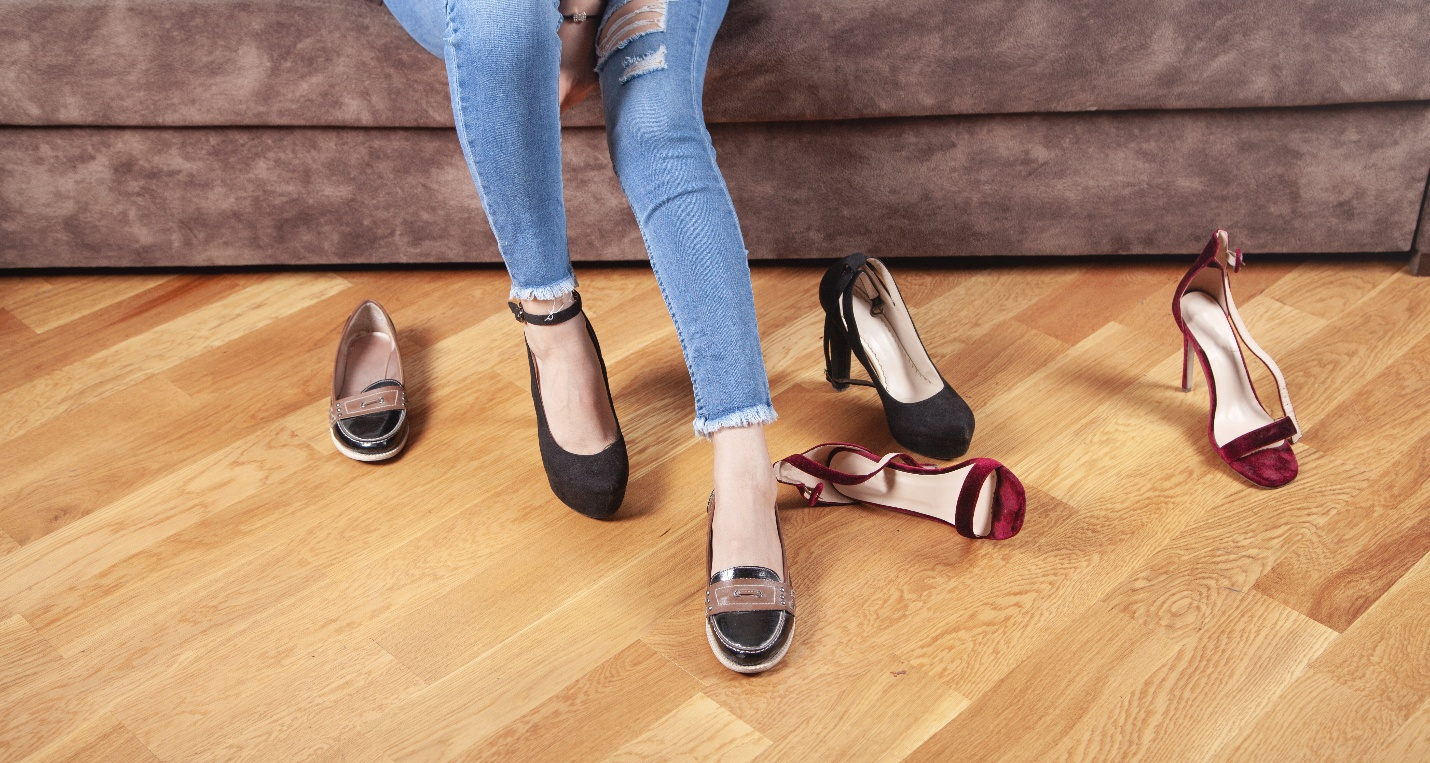
These habits can help reduce waste, save money over time, and help ensure that every pair added to your collection serves a genuine purpose.
Conclusion: Finding Your Personal Shoe Number
There is no universal answer to how many pairs of shoes a person should own. That number is very personal. The right number depends on your daily routine, your work environment, your climate, your health needs, and your available storage space. What matters most is intention. A shoe wardrobe built around genuine needs, rather than impulse or habit, will always serve you better than one built on accumulation alone.
By identifying the core categories your lifestyle requires, practicing shoe rotation, prioritizing quality over quantity, and organizing your collection thoughtfully, you can build a shoe wardrobe that is functional, comfortable, and manageable. This approach not only protects your feet and your footwear investment but also creates a simpler, more organized daily routine.
The goal is not to reach a specific number, but to reach a collection that fully supports your life without excess, or create clutter, or waste. When every pair in your closet has a clear purpose, you will always have the right shoes for the right moment, no more and no less.
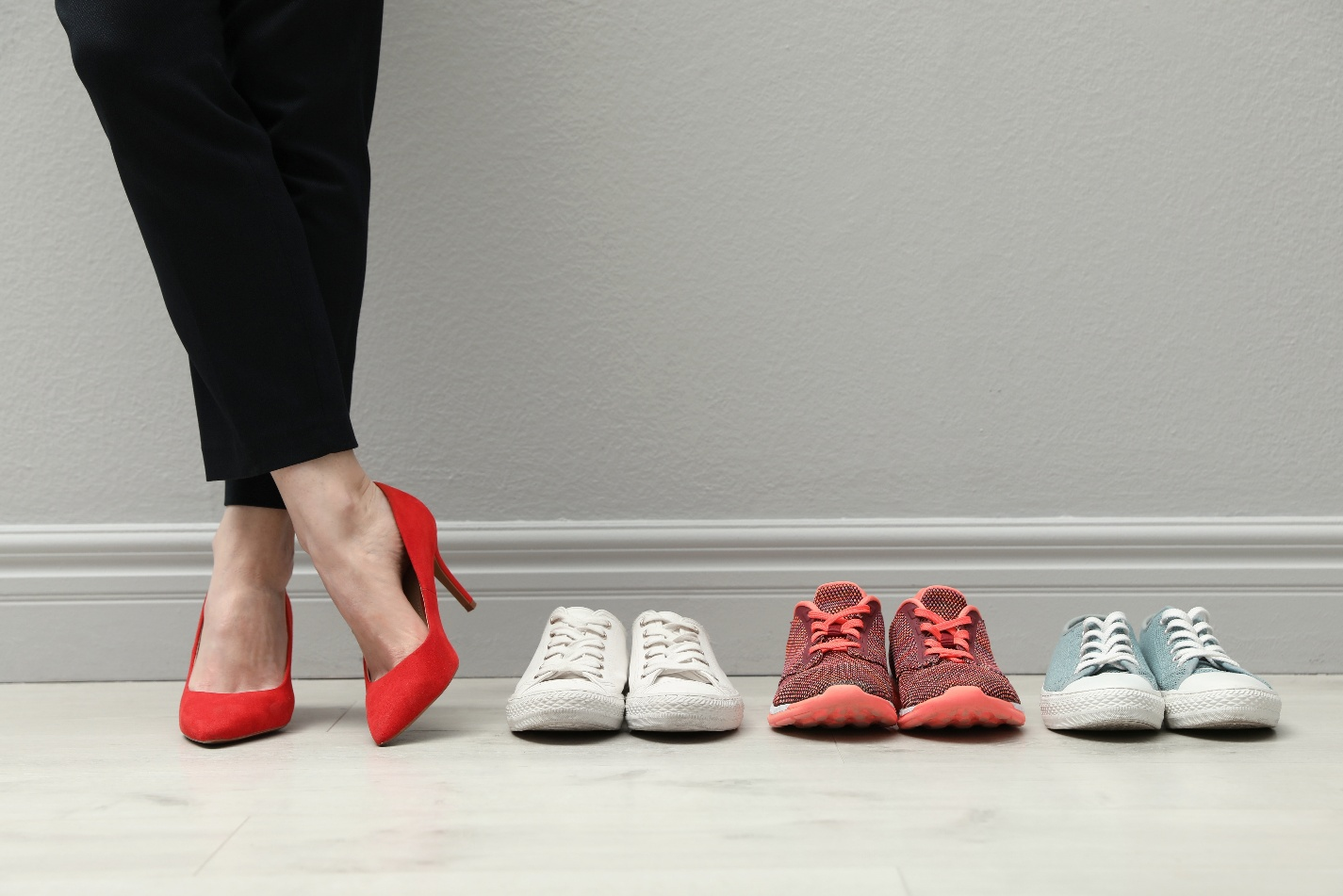
If you couldn't buy another pair of shoes for a year, would your current collection cover every part of your life — or would you finally notice the gaps and the excess?
Join the conversation! Drop your thoughts in the comments below, and let’s keep the discussion going.
makemoneyunstoppable.com
From Experience to insight : Transformational reads for the Strategic mind
Foundational readings for big shifts:
- How to Track Spending without Getting Overwhelmed
- The 7-Day Money Reset Plan: Take Back Control In Just One Week
- Are You Throwing Away $5,000 a Year on Food Waste Without Realizing It?
- The Real Cost of Owning a Big Home
- The Psychology of Spending: Why We Overspend and How to Stop It
- Mastering the Envelope Method

Author: Vaidya Selvan
Welcome to Make Money Unstoppable Personal Finance Made Simple, a blog born out of necessity, a space created from real-life experiences, hard-earned lessons, and a deep-seated desire to share what I wish someone had taught me or had known sooner.

Newsletter Invite
Want more real-world information on Money? Join my newsletter for practical tips, updates on my books, and strategies to help you build financial freedom on your terms.
Yes, the eBook is also free. Just drop in your email here to get instant access. ONE eBook per email.
The eBook is sent automatically and should arrive within minutes. Depending on your email provider, it may appear in your Spam or Promotions folder. While we don’t control its exact placement, you can be confident it has been dispatched and is waiting for you.
#FinancialFreedom #Newsletter #MoneyTips
Like this blog?
Related Blogs